Online leak sealing sealant selection is the discipline of matching a sealant family — epoxy, acrylic, anaerobic, silicone, PTFE/graphite or fibre composite — to the fluid, temperature, pressure, gap geometry and material compatibility of one specific live leak. No single product covers every duty. The correct choice is the family whose published service limits cover the real operating envelope with margin left over.
It is written for maintenance and process engineers and procurement leads who must approve a sealant before a crew injects it into a pressurised system. It sets out the six common sealant families, the decision axes that eliminate wrong choices, the evidence to demand from a vendor, and the duties for which no sealant is acceptable.
What Is Online Leak Sealing Sealant Selection?
Sealant selection is a compatibility decision made before a leak is touched. You compare the chemical, thermal and mechanical demands of the leak against the rated envelope of candidate sealants, and you keep only those whose limits sit outside the operating condition. A sealant that cures correctly on ambient water service can fail instantly on 180 °C steam, and a flexible silicone that absorbs thermal movement can be dissolved by an aromatic hydrocarbon stream.
Under a competent procedure, that judgement is documented before mobilisation, so the same defect can be repaired predictably rather than by trial and error on a live line.
The Six Sealant Families
Most live sealing work is covered by six material families. The table below gives typical published service temperatures and the duties each family suits or should avoid. Treat the temperature figures as the usual range for the family, not as a guarantee for a particular product — the vendor’s own data sheet always governs, and some products sit at the edge of these bands.
| Sealant family | Typical service temperature | Suits | Avoid on |
|---|---|---|---|
| Two-part epoxy | Ambient to roughly 120 °C, some grades higher | Rigid fills, irregular gaps, load-bearing repairs on static joints, ambient and warm process lines | Strong thermal cycling, high-temperature steam, oily or wet surfaces that block adhesion |
| Acrylic / methacrylate | Ambient to roughly 120–150 °C | Fast-setting metal-to-metal joints, moderately contaminated surfaces, flange faces and threads | Large gaps, flexible joints, and duties needing permanent elasticity |
| Anaerobic | Ambient to roughly 150 °C | Close-fitting metal joints, threads and flange faces with a gap below about 0.5 mm | Large gaps, non-metallic surfaces, and any joint exposed to air where it cannot cure |
| Silicone | Ambient to roughly 200–250 °C | High-temperature duty, joints needing elasticity and tolerance to thermal movement | Aggressive hydrocarbon and solvent contact where swelling is a risk, and high mechanical load |
| PTFE / graphite | PTFE to about 260 °C, graphite higher | Steam and hot fluids, valve packing, dynamic joints, chemically aggressive service | Strong oxidisers, and cold-flow situations where PTFE creeps under load |
| Fibre composite | Ambient to roughly 120–150 °C depending on resin | Structural reinforcement, restoring wall strength over a defined length of pipe | Active leaks with no pressure relief path, and hot service beyond the resin rating |
The practical reading of that table is that temperature and chemistry eliminate most candidates before mechanics is even considered. A hot steam line removes epoxy, acrylic and anaerobic families almost immediately; a wet, oily surface removes adhesives that need clean metal. What remains is then checked against gap size and pressure.
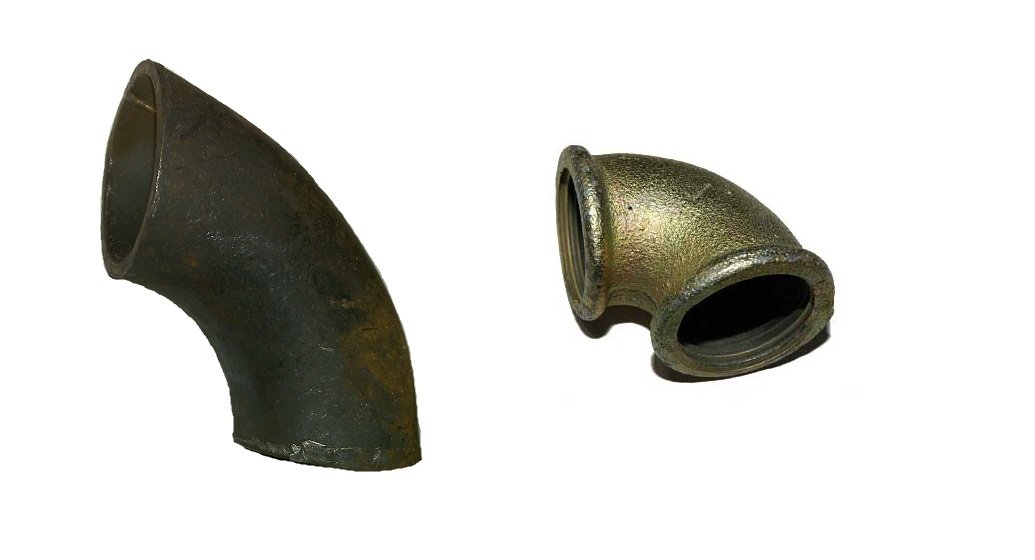
Sealant selection starts with the substrate: the same elbow may present a clean machined flange face, a corroded pipe wall or a wet joint, and each condition eliminates different families.
The Decision Axes: Matching Chemistry to Service
Six variables drive every sealant choice. Work through them in order, because an early failure on temperature or chemistry makes the remaining analysis pointless.
Fluid and chemical compatibility
The process fluid determines whether the sealant will survive at all. Hydrocarbons, aromatics, acids, caustics, amines, glycols and steam each attack different polymer systems. Solvent-rich streams swell or soften silicone and some acrylics; strong oxidisers degrade PTFE and graphite packing; sour service containing hydrogen sulphide demands materials proven against that specific stream. Ask for the compatibility evidence for your actual fluid, not for water.
Temperature — the hardest limit
Temperature is the single most common reason a sealing attempt fails. Sealant must not merely survive the operating temperature; it must cure and hold at it, and it must tolerate excursions such as steam-out or upset conditions. A sealant with no written temperature rating must never be used on hot service. If a vendor cannot state a maximum continuous service temperature, the product is not qualified for that line, regardless of how it behaves in a demonstration.
Pressure and the pressure envelope
Pressure sets the mechanical demand on the enclosure, the injection equipment and the cured sealant itself. Higher pressure increases the load the seal must resist and the force that will try to push it out of the gap. Sealant strength is not the only consideration: the clamp or enclosure that holds the sealant must be rated for the full operating pressure plus a margin, and the injection pump must be able to overcome line pressure to place material where it is needed.
Gap size and geometry
Gap width decides which families are physically able to work. Anaerobic products need close metal-to-metal contact and fail across wide openings; epoxy and composite fills bridge larger, irregular gaps; flexible elastomers tolerate movement but not high load. Geometry matters too — a straight flange gap behaves differently from a corroded pit, a cracked weld or a weeping thread, so the sealant must be able to reach and fill the actual void.
Thermal movement and cycling
A joint that expands and contracts with each heating cycle needs an elastic sealant. A rigid epoxy that works perfectly on a stable ambient line can crack on a line that swings between ambient and 150 °C daily. Where cycling is expected, flexibility outweighs raw strength, and the design should assume the joint will move repeatedly.
Material compatibility with the substrate
Finally, the sealant must be compatible with the pipe, flange or valve body it touches. Dissimilar metals, plated surfaces and elastomeric gaskets impose limits, and the chosen chemistry must not promote corrosion, embrittlement or galvanic effects on the substrate.
- Record the fluid by name and concentration, not by a general category such as “hydrocarbon”.
- Record the maximum continuous temperature plus any expected excursions such as steam-out.
- Record the operating and design pressure, and the pressure the enclosure will be rated to.
- Measure the gap at the defect rather than estimating it from a drawing.
- Note thermal cycling — the expected range and frequency of movement.
- Identify the substrate material and surface condition at the leak point.
Evidence You Must Demand From the Vendor
Selection is only as good as the data behind it. Before approving a sealant for a live leak, obtain written evidence rather than verbal assurance. A vendor who supplies the documents below is describing a product; a vendor who cannot is describing a hope.
- Technical data sheet stating the chemistry, cure behaviour, service temperature range and pressure capability of the specific product.
- Compatibility test results against the actual fluid or a documented equivalent, not a generic claim of chemical resistance.
- Written service temperature range with the maximum continuous limit stated explicitly.
- Batch identification so the product used on site can be traced to the data sheet supplied.
- Application and cure instructions covering surface preparation, mixing, working time and cure time at the expected temperature.
Two of these items are non-negotiable. First, always request the technical data sheet and a written service temperature range. Second, a sealant that carries no temperature rating must not be used in hot service at all — there is no safe way to infer a limit that the manufacturer has not published. Under ASTM practice, material properties are only meaningful when tied to a defined test method and condition, and a sealant is no exception.

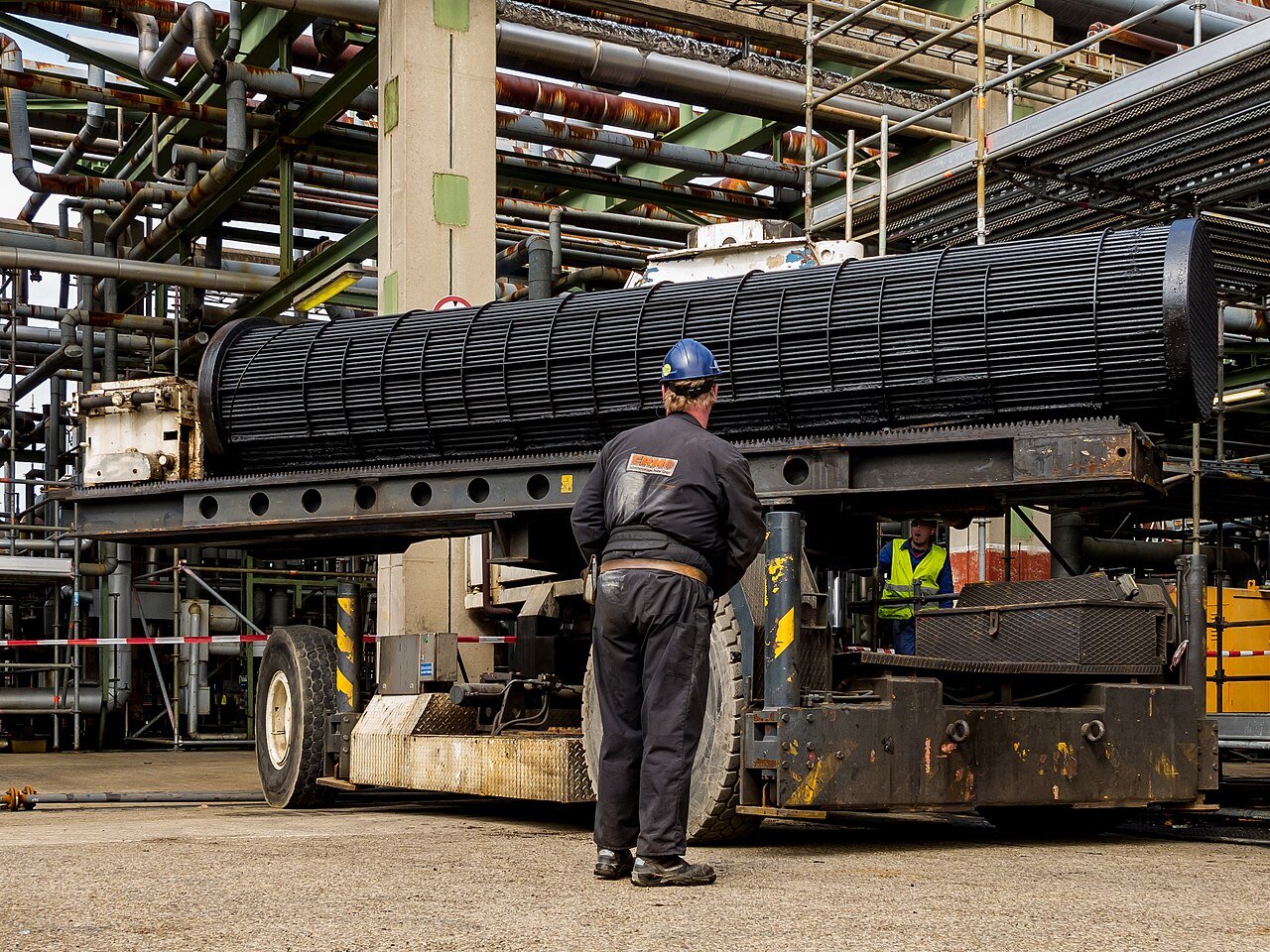
Precision joints such as these have narrow, well-defined gaps, which suits anaerobic and close-fit sealants; wider or corroded openings demand fillers such as epoxy or composite.
What Sealant Cannot Do
Sealant stops leaks; it does not restore a pipe. A sealant is not a substitute for thin pipe wall, and no sealing product should ever be presented as recovering structural strength that corrosion has removed. If ultrasonic measurement shows wall thickness below the minimum required by the applicable code, the correct action is a permanent repair — a composite wrap designed to ASME post-construction repair standards, a clamp designed for the duty, or spool replacement — not a thicker layer of sealant. Sealing a thinned line and returning it to full service pressure transfers an unquantified risk onto the next operator.
The same honesty applies to hot service: sealant holds a leak only within its published rating. Beyond that limit it softens, creeps or degrades, and failure may be sudden. A seal on a hot line is a controlled, temporary measure that buys time for a planned permanent repair, with the service limit written into the job record.
Where the defect is a corroded or cracked section rather than a joint leak, the decision may sit between a composite repair and a live seal. The trade-offs between restoring wall strength and stopping an active leak are set out in the comparison of composite repair wrap versus online leak sealing, and the wider method set is described in online leak sealing technology and methods.
Selection by Component Type
The component being sealed shapes the shortlist. A flange, a valve and a pipe wall present different gaps, pressures and access constraints.
Flanged joints
Flange leaks usually present a narrow, well-defined gap between faces, which suits anaerobic and acrylic sealants on tight joints and epoxy where the gap is wider or the face is corroded. The bolting must still be assessed, because a leaking flange often signals a bolted-joint problem rather than a sealant problem. Planned flange work is covered in flange leak online sealing.
Valves and packing
Valves combine a static body with moving parts, so packing and stem seals must tolerate movement and often higher temperatures, which points toward PTFE, graphite or silicone systems depending on the fluid. A leaking valve may need sealant injection at the seat or body joint rather than at the stem. The method is described in valve online leak sealing.
High-pressure and high-temperature lines
As pressure and temperature rise, the pool of qualified sealants narrows sharply and the enclosure becomes the dominant engineering item. On such duties, selection is inseparable from the injection and containment design, which is treated in high pressure leak sealing solution.
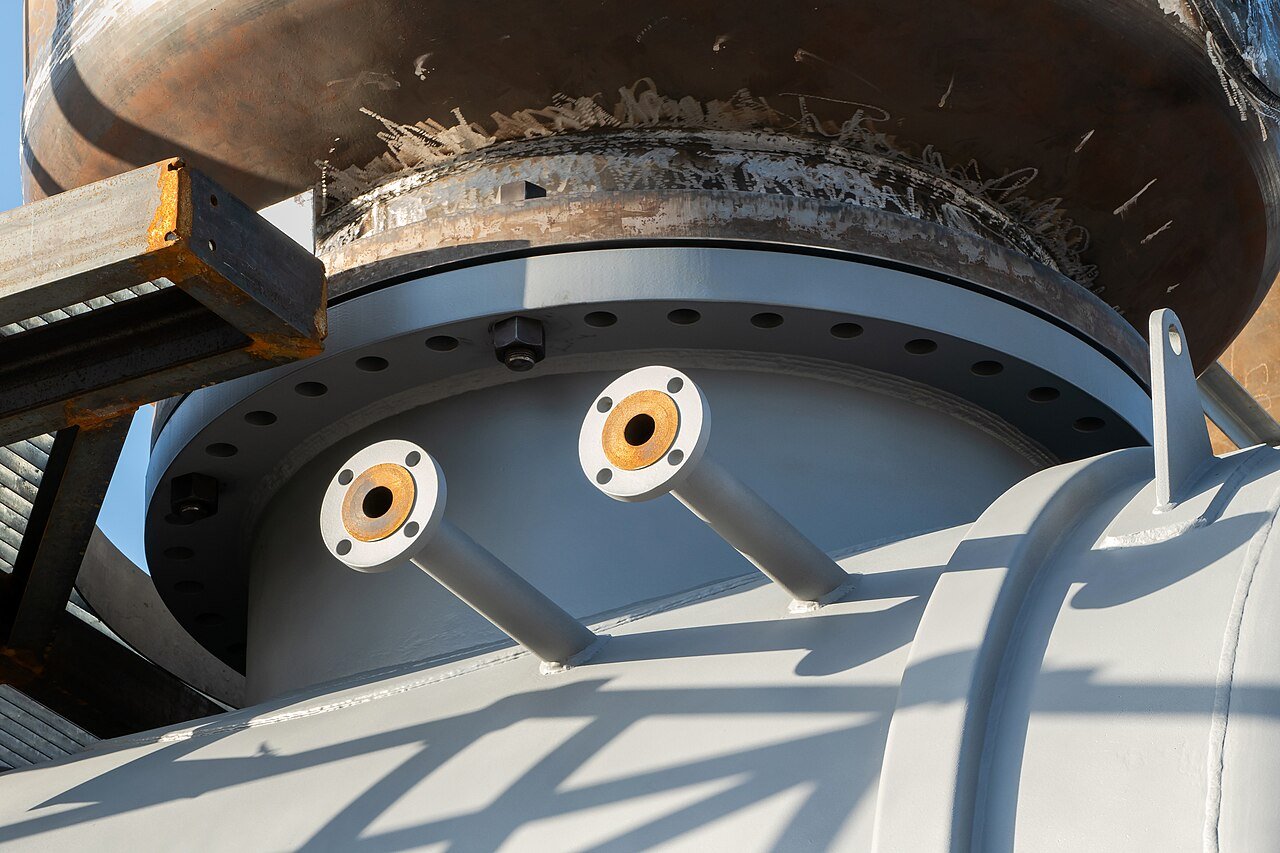
Component type drives the shortlist: flanged joints favour close-fit sealants, while valve packing and hot lines demand families rated for movement and temperature.
Documenting the Selection
Because sealant choice is a technical decision, it should leave a paper trail: the fluid and its concentration, the operating and maximum temperature, the operating and design pressure, the measured gap, the substrate condition, the chosen product and its data sheet with the written temperature range. That record justifies the choice to an inspector and shows whether a recurring leak points to a systemic problem. Repeated failures at the same point after a correct seal usually mean design, support or corrosion, so the response belongs in a planned maintenance programme — the subject of the leak management program.
Standards and Reference Frameworks
Sealant selection sits inside a wider set of standards. Repair of pressurised piping is addressed by post-construction repair standards such as API, while material performance is verified against corrosion test standards from AMPP and against NORSOK for offshore duty. These references define the evidence a vendor is expected to provide and the point at which sealing stops being appropriate and permanent repair begins.
Key Takeaways
- Sealant selection matches a material family to fluid, temperature, pressure, gap, thermal movement and substrate — it is an engineering decision, not a product preference.
- Temperature and chemical compatibility eliminate most candidates before mechanics is considered.
- Always request the technical data sheet and a written service temperature range for the specific product.
- A sealant with no temperature rating must never be used on hot service.
- Anaerobic and acrylic products suit close-fit joints; epoxy and composite fill wider gaps; silicone and PTFE/graphite handle heat and movement.
- Sealant stops leaks but does not restore wall strength — it is not a substitute for thin pipe wall.
- Record the selection in writing so the same defect can be repaired predictably and recurring failures can be investigated.
FAQ: Online Leak Sealing Sealant Selection
How do I choose a sealant for a hot line?
Start from temperature, because it eliminates the most candidates. Request the technical data sheet and the written maximum continuous service temperature for each product under consideration. Only families whose published limit sits above your operating temperature, with allowance for excursions such as steam-out, remain. A sealant with no stated temperature rating cannot be used on hot service at all.
Can the same sealant be used on every leak?
No. Fluid chemistry, temperature, pressure and gap size vary between defects, and each variable rules out different families. An anaerobic product that seals a tight flange may fail across a corroded pit, and a silicone that tolerates a hot line may swell in an aromatic stream. Selection has to be repeated for each leak, even on the same plant.
What documents should I demand from a sealant vendor?
Ask for the technical data sheet for the specific product, compatibility test results against your actual fluid, a written service temperature range, batch identification and application instructions. These documents let you justify the choice to an inspector and repeat a repair predictably. Verbal assurance about chemical resistance is not evidence and should not be accepted for a live hydrocarbon system.
Can sealant fix a thinned or corroded pipe wall?
No. Sealant stops leaks but does not restore structural strength. Where ultrasonic measurement shows wall thickness below the code minimum, the correct response is a permanent repair such as a composite wrap designed to repair standards, a rated clamp or spool replacement. Sealing a thinned line and returning it to full pressure transfers an unquantified risk to the next operator.
Why do some sealed joints leak again later?
Repeated leaks at the same point usually indicate a design, support or corrosion problem rather than a sealant fault. Where the original selection was correct and the joint still fails, the cause lies upstream: a bolted-joint issue, a support that loads the connection, or ongoing wall loss. That pattern belongs in a planned maintenance programme rather than another reactive call-out.
Leak still running and the plant is on limited time? Our response desk is staffed around the clock. Message the emergency team on WhatsApp or send a site brief with the line ID, medium, operating pressure and temperature, and we will confirm scope before mobilisation.
Conclusion
Online leak sealing sealant selection comes down to matching a material family to one specific service and proving that match with documents. The six families have different temperature ceilings, chemical tolerances and gap capabilities, and the decision axes — fluid, temperature, pressure, gap, thermal movement and substrate compatibility — narrow the field quickly when they are worked through in order. Temperature and chemistry do most of the eliminating work.
The discipline that separates a reliable repair from a hopeful one is evidence. Demand the technical data sheet, the compatibility results and a written service temperature range before work starts, refuse any product with no temperature rating on hot service, and never let sealant stand in for a pipe wall that corrosion has already taken below its minimum. Documented selection, repeated consistently across a plant, is what turns a series of emergencies into a manageable maintenance activity, as part of the broader set of online leak sealing services in Indonesia and the wider leak sealing services we provide.