Online Leak Sealing Technology and Methods: Complete Technical Reference
Understanding online leak sealing technology and methods is essential for engineers, maintenance managers, and HSE professionals who need to select the right approach for each leak scenario they encounter. The field of online leak sealing has advanced significantly over the past three decades — from simple mechanical clamps and generic sealant compounds to engineered systems with full code compliance, comprehensive sealant libraries covering extreme operating conditions, and sophisticated installation tooling that protects technicians while delivering reliable results.
This guide provides a complete technical reference for the technologies and methods available in online leak sealing, covering clamp design variants, sealant chemistry and selection, composite repair systems, injection equipment, and the engineering framework that governs their application. For the foundational methodology and business case for online sealing, read our pillar guides on emergency leak online sealing and emergency leak online repair solution.
Technology Category 1: Injection Clamp Systems
1A. Pipe Section Repair Clamps
The full-encirclement split-sleeve clamp is the primary technology for repairing active through-wall leaks and structural defects in pipe sections. Design variants include:
- Two-piece split clamp: The most common design — two semicircular body halves that close around the pipe. Suitable for most pipe sizes and pressure classes where the pipe OD is accessible from both sides. The halves are connected by high-tensile bolts and the bore is machined to match the pipe OD with appropriate annular clearance for sealant fill.
- Hinged clamp: One body half is hinged to the other, allowing the clamp to open like a clamshell for installation in confined spaces where a split clamp cannot be positioned. The hinge bears the same structural load as the bolt set on the split side and is designed to the same pressure rating.
- Three-piece clamp: For very large-diameter pipes or locations with severe access restrictions, a three-piece design allows each segment to be separately positioned and assembled on the pipe. Common for large-bore (30″–60″) pipeline applications.
- Adjustable bore clamp: For corroded pipe where the OD is irregular or undersized compared to the nominal dimension, adjustable bore designs accommodate a range of actual ODs within a single clamp size. Particularly useful for aging infrastructure where pipe ODs have changed due to external corrosion.
1B. Flange Encapsulation Clamps
Designed to bridge and encapsulate an entire flanged joint — both flanges and the gasket zone — to address leaks at the gasket or flange face. Key design variants:
- Standard flange encapsulation: Two-piece clamp machined to the flange OD and designed to seat end seals on the adjacent pipe OD. The most common design for ASME B16.5 and B16.47 flanges.
- Blind flange injection: For leaks at nozzle connections on pressure vessels, storage tanks, or heat exchangers where the “flange” is actually a blind plate or nozzle flange, specialized encapsulation designs address the specific geometry.
- Orifice flange clamp: Orifice plate flanges have tapped connections and specific geometry that requires a modified clamp design to avoid interfering with orifice plate access and differential pressure taps.
For detailed treatment of flange sealing methodology, read our guide on flange leak online sealing.
1C. Valve Injection Clamps and Stuffing Box Systems
Valve stem packing leaks are addressed through direct sealant injection into the stuffing box or via external injection clamps around the gland area. Technology options:
- Direct stuffing box injection: Via existing or newly installed injection fitting directly into the stuffing box cavity. Fast and minimally invasive for valves equipped with injection fittings.
- Gland injection clamp: External clamp positioned around the valve gland/stuffing box area, providing injection ports without requiring modification of the valve body. Applicable to all valve types and sizes.
- Body-to-bonnet encapsulation: Full encapsulation of the body-bonnet joint for leaks at this interface. Custom-engineered to the specific valve body profile.
For comprehensive valve sealing methodology, read our guide on valve online leak sealing.
1D. Small-Bore and Instrument Connection Clamps
Micro-clamps and injection fittings for threaded connections, instrument taps, drain/vent valves, and other small-bore connections (½” to 2″ NPS). These compact devices encapsulate the connection and provide a sealant injection path into the thread annulus or around the connection seal. Particularly common in process instrumentation where direct isolation of individual instrument connections requires a full unit shutdown.
Technology Category 2: Composite Repair Systems
Fiber-Reinforced Composite Wraps
High-strength fiber composite wraps restore structural integrity and pressure containment capacity to corroded, eroded, or damaged pipe walls. The fiber reinforcement — glass, carbon, or aramid fiber in an epoxy or vinyl ester resin matrix — is applied in multiple layers over the defect zone to build up the equivalent of the original pipe wall thickness and restore the design pressure rating.
Standards governing composite pipe repair:
- ISO 24817:2017 — Petroleum, petrochemical, and natural gas industries: composite repairs for pipework. The international standard for engineered composite pipe repair design, material qualification, installer certification, and quality assurance.
- ASME PCC-2 Article 4.1 — Repair of non-metallic and metallic pressure equipment with composite reinstatement materials. The North American code equivalent.
Key characteristics of composite wrap repair:
- Applied as a cold work operation — no hot work permit required
- Can cover large defect areas that would require an impractically long metallic clamp
- Provides genuine structural reinforcement, not just containment
- Non-metallic — immune to corrosion after installation
- Does not directly stop an active leak flow — requires combination with sealant injection or mechanical leak stoppage before application
- Requires surface preparation (near-white blast clean per ISO 8501-1 Sa 2.5) for maximum bond strength
- Maximum operating temperature limited by resin Tg (glass transition temperature) — typically 80–120°C for standard epoxy systems; specialist high-temperature systems extend to 150–200°C
Technology Category 3: Sealant Chemistry
Sealant compounds are the chemical technology that transforms a mechanical clamp from a structural containment device into a pressure-tight leak seal. Understanding sealant chemistry and selection criteria is fundamental to competent online leak sealing engineering.
Reactive Polymer Sealants
The most widely used class — two-component or ambient-cure polymer systems that cure in the annular space under operating conditions to form a dense, pressure-resistant solid. Chemistry variants include:
- Modified epoxy: High compressive strength, good chemical resistance to hydrocarbons and many solvents. Standard choice for ambient to moderate temperature (up to ~150°C) hydrocarbon service.
- Polyurethane: Flexible after cure — suitable for applications subject to vibration or thermal cycling that would crack a brittle epoxy sealant. Lower chemical resistance than epoxy for aggressive fluid services.
- Phenolic resin: Exceptional high-temperature resistance to 300°C+. Standard choice for steam and hot process service where epoxy or polyurethane would soften or decompose. Requires careful cure management — typically heat-cured or cures under steam service conditions.
- PTFE-based compounds: Used for aggressive chemical services where polymer matrix sealants are chemically attacked. High chemical inertness but limited structural strength — application-specific use.
Inorganic Sealant Systems
For extreme-temperature applications (above 350°C) where organic polymer sealants cannot survive, inorganic sealant systems based on ceramic binders, silicate compounds, or metallic pastes are used. These achieve containment through sintering or phase change under operating temperature rather than polymer cure. High-temperature steam applications (400–550°C) and furnace piping connections are typical applications for inorganic sealants.
Fiber-Loaded and Filler-Extended Compounds
Many engineering sealant compounds are loaded with short fiber reinforcement, metallic powder, or mineral filler to enhance specific properties: increased compressive strength for high-pressure applications; improved thermal conductivity for high-temperature service; reduced creep under sustained loading; or improved injectability at high viscosity. The filler/fiber loading is part of the proprietary formulation and is selected by the sealant manufacturer for the target application range.
Technology Category 4: Hot Tapping and Line Stopping
Hot Tapping
Hot tapping installs a new branch connection on a live, pressurized pipeline or vessel without depressurization. A weld-o-let or saddle fitting is welded to the pipe surface, a gate valve is attached, and a machine-cutter assembly cuts through the pipe wall under pressure through the valve. The cutter is retracted and the valve closed, leaving a new, pressure-tight branch connection on the live system. Hot tapping is a complement to leak sealing — it enables isolation of line sections or installation of monitoring/injection connections — rather than a leak sealing technique itself.
Line Stopping
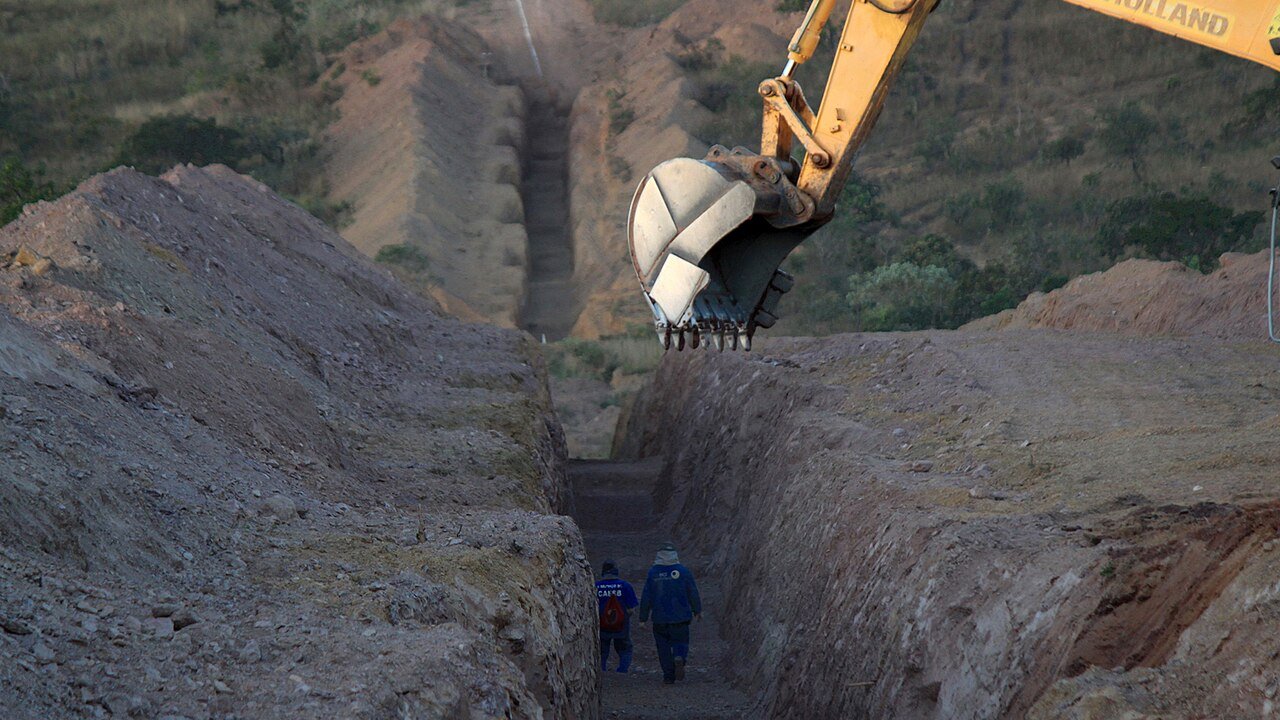
Installed through a hot tap connection, a line stopper plugs the flow through the pipeline — creating a temporary isolation of the downstream section without system shutdown. Line stopping combined with a second downstream hot tap creates a complete bypass isolation, enabling the isolated section to be depressurized and conventionally repaired while flow continues through a temporary bypass. This is the standard approach for large-diameter pipeline leak repair where direct online sealing of the defect is impractical. For more on pipeline-specific applications, read our guide on pipeline emergency leak repair.
Technology Category 5: Injection Equipment
The injection pump is the enabling tool for sealant injection — it must develop sufficient pressure to overcome the operating pressure and drive sealant into the leak path. Equipment categories:
- Manual hydraulic injection pump: Hand-operated two-stage pump delivering up to 700 bar injection pressure. The standard equipment for most emergency leak sealing jobs. Compact, robust, and capable of controlled pressure buildup with direct operator feedback.
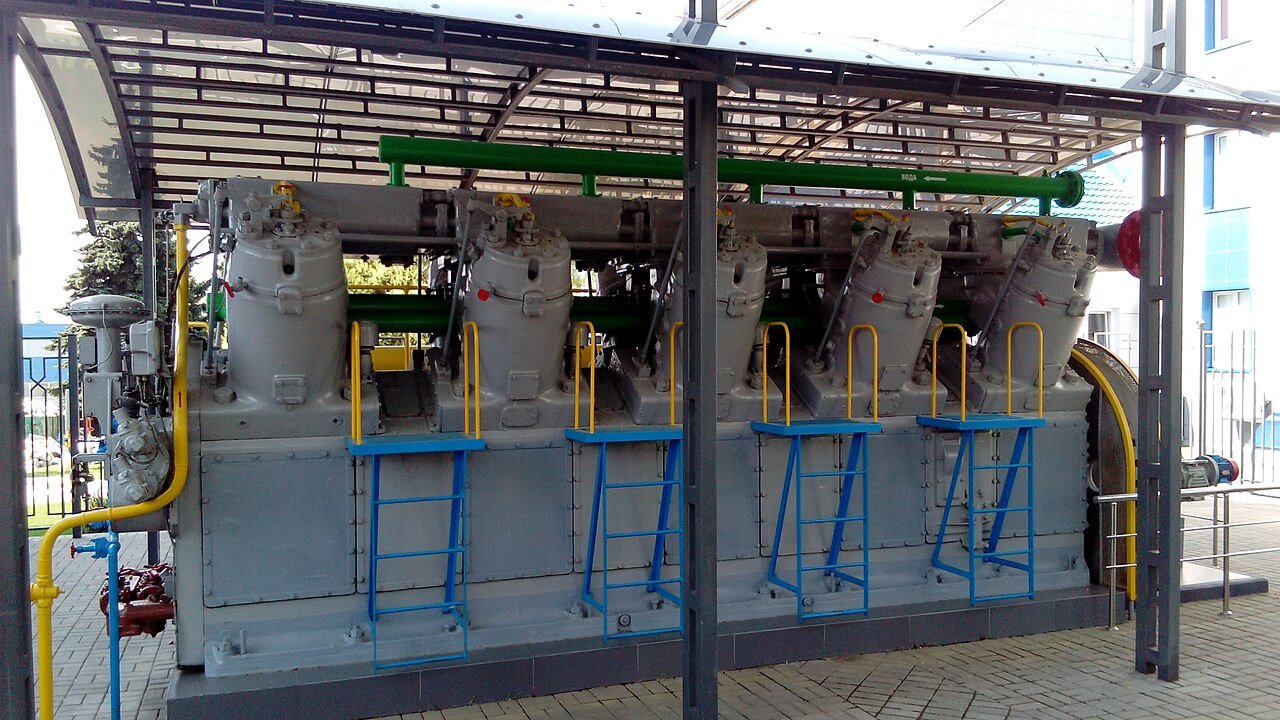
- Pneumatic injection pump: Air-driven pump for applications where sustained injection pressure is required over an extended period or where manual pumping fatigue is a concern. Requires a compressed air supply at the work site.
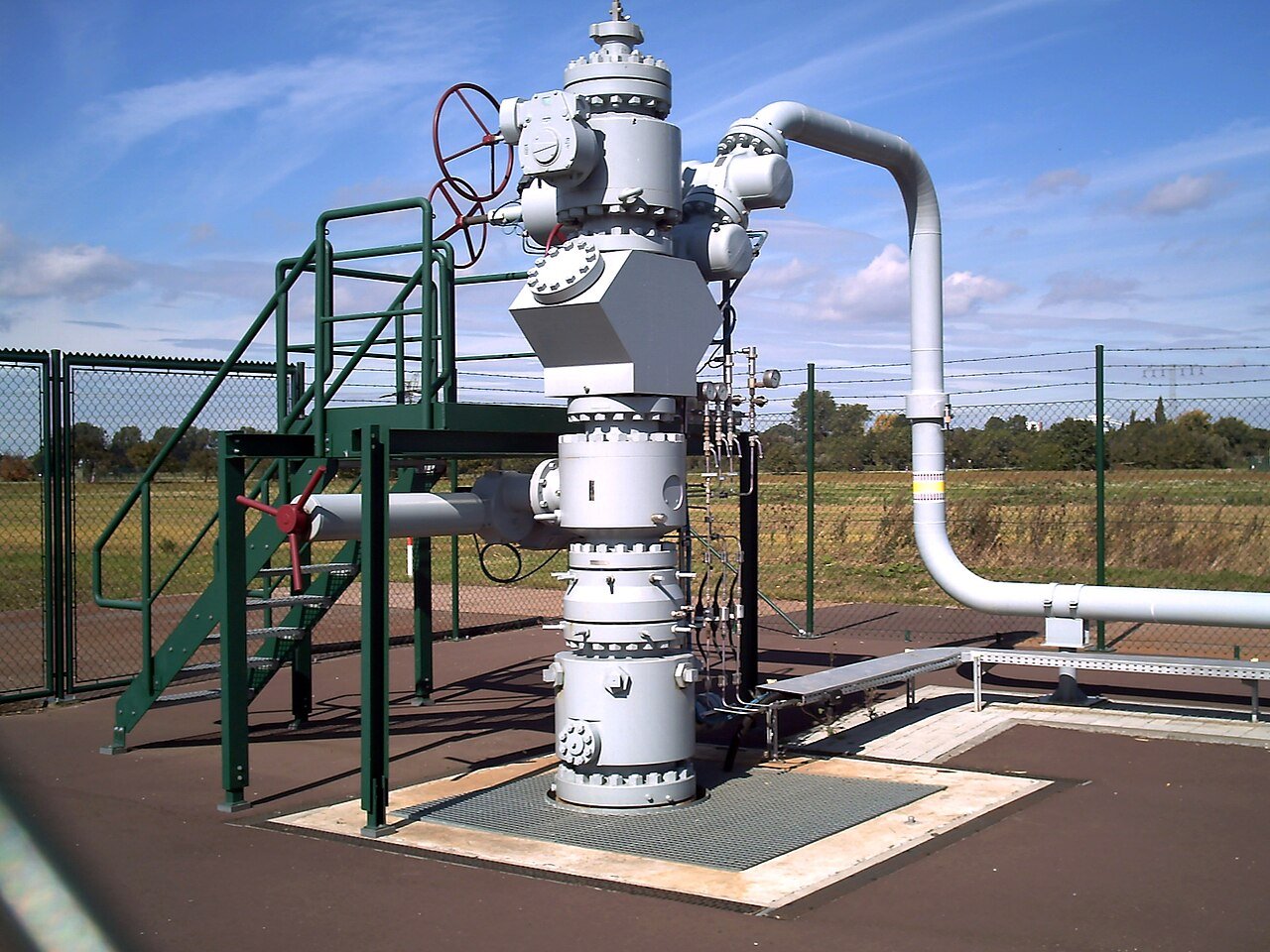
- High-pressure hydraulic injection system: For extreme-pressure applications (above 500 bar), purpose-built hydraulic injection systems provide the pressure and flow control needed for high-pressure sealant injection. Used for wellhead and compressor discharge applications in the 300–700 bar range.
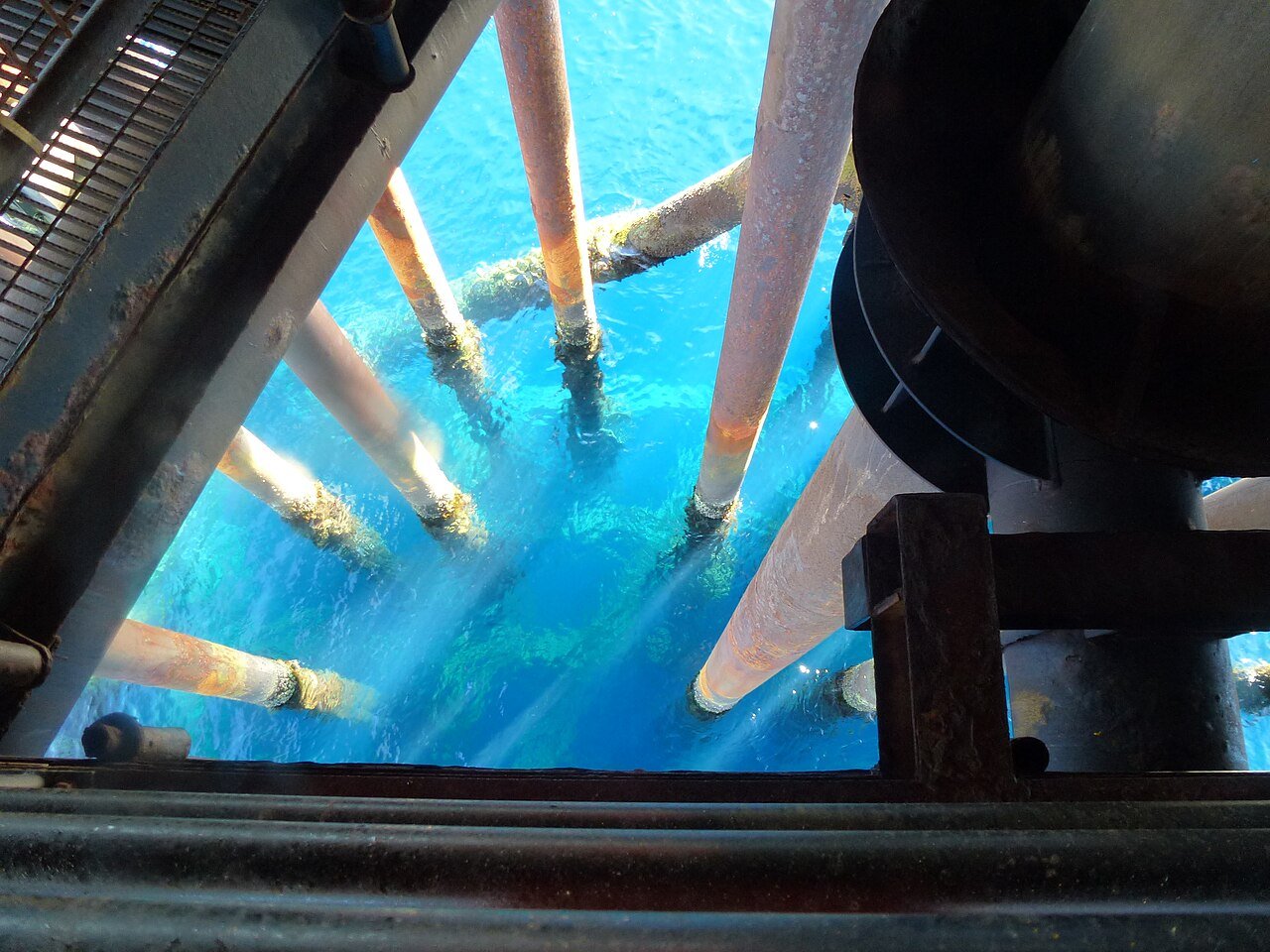
- ROV-mounted injection skids: For subsea applications, sealant injection is performed using hydraulically actuated skids mounted on or operated by ROVs. The skid includes a sealant cartridge, injection valve, and pressure monitoring in a package designed for subsea deployment and ROV manipulation.
Engineering Standards Governing Online Leak Sealing Technology
All online leak sealing technology deployed by Sipinus is applied within the framework of recognized international engineering standards:
- ASME PCC-2: Repair of Pressure Equipment and Piping — the primary North American reference for leak sealing clamps and composite repair systems. Article 2.1 (leak sealing), Article 4.1 (composite repair).
- ISO 24817: Composite repairs for pipework — international standard covering design, qualification, installation, and inspection of composite repair systems.
- NORSOK P-112: Leak sealing of pressurized systems — Norwegian offshore standard widely referenced for offshore oil and gas applications internationally.
- EN 13480: European standard for industrial piping — relevant for European-standard facilities in Indonesia.
- API 570: Piping inspection code — governs inspection, rating, repair, and alteration of in-service piping systems including repair methodologies.
- ASME B31.3 / B31.4 / B31.8: Process piping, liquid pipeline, and gas pipeline codes — governing the piping systems on which online sealing is performed.
For industry-specific guidance on applying these technologies in Indonesia’s oil and gas sector, read our guide on emergency leak repair for oil and gas Indonesia. For high-pressure specific applications, read our guide on high pressure leak sealing solution.
Technology Selection Matrix
Choosing the right technology for each leak scenario requires matching the leak type, operating conditions, and access constraints to the available technology options. Key decision criteria:
- Leak location: Pipe section → split clamp. Flanged joint → encapsulation clamp. Valve stem → injection clamp or direct stuffing box injection. Small-bore connection → micro-clamp.
- Operating pressure: Below 100 bar → full range of technologies available. 100–300 bar → metallic injection clamps with HP sealant. Above 300 bar → HP engineering clamps with HP injection equipment and HP-rated sealant; FEA may be required for clamp design.
- Operating temperature: Ambient to 150°C → standard epoxy or polyurethane sealants. 150–300°C → phenolic or specialist high-temperature sealants. Above 300°C → inorganic sealant systems.
- Defect size and extent: Localized pinhole or weld defect → standard clamp. Extended corrosion zone over pipe section → long-barrel clamp or composite wrap. Structural wall loss without active leak → composite wrap for reinforcement.
- Process fluid: Hydrocarbon → hydrocarbon-compatible sealant. Steam → HP steam sealant. LNG/cryogenic → cryogenic-rated sealant and clamp materials. Acid/caustic → chemically resistant sealant. H₂S → NACE MR0175 compliant materials throughout.
Frequently Asked Questions about Online Leak Sealing Technology
How long do sealant compounds last in service?
Properly engineered and selected sealant compounds in compatible service conditions have an indefinite service life — they do not degrade in the absence of a chemical attack mechanism. This is distinct from temporary sealants or putty products that harden and crack over time. Sipinus uses only engineering-grade sealant compounds whose long-term performance is confirmed by laboratory aging testing and field track record.
Can composite wraps be used on pipelines operating at full pressure?
Yes — composite wraps are designed for application on pipelines at full operating pressure and temperature. ISO 24817 provides the design methodology for confirming the wrap design is adequate for the operating conditions. The only exception is active through-wall leaks where flow through the defect must be arrested before composite application — typically using a fast-setting injection sealant applied to the defect before the composite is wrapped.
What is the difference between a temporary and permanent online seal?
All injection clamp and composite wrap repairs performed to ASME PCC-2 or ISO 24817 standards by qualified engineers and installers are permanent repairs. “Temporary” online seals — improvised clamps, putty packs, pipe wraps without engineering — are not code-compliant and should be replaced with engineered solutions as quickly as possible. Sipinus provides only permanent, code-compliant solutions.
Related Articles: Emergency Leak Online Sealing | Emergency Leak Online Repair Solution | Flange Leak Online Sealing | Valve Online Leak Sealing | Pipeline Emergency Leak Repair