An emergency leak online repair solution tender is the procurement document that decides whether you get a contractor who can contain a live leak at three in the morning or a contractor who can produce an attractive capability brochure. Written well, it forces bidders to evidence mobilisation capability, technical competence and documentation discipline before award rather than during an incident.
This guide is written for procurement managers, contract engineers, maintenance superintendents and HSE leads in Indonesian oil, gas, petrochemical and power operations. It covers how to structure the scope, what technical and HSE requirements to mandate, how to design evaluation criteria that separate substance from presentation, the SLAs and KPIs that keep the service honest, and the clauses that protect you when the leak is real.
Why Live Leak Repair Tenders Fail
Emergency service contracts are frequently written as if the service were scheduled maintenance. That produces predictable failures.
- Scope written around labour hours. The bidder prices bodies, not engineering, and arrives without a design basis.
- No mobilisation commitment. Response time becomes a verbal assurance, unenforceable at the moment it matters.
- Evaluation weighted to price alone. The lowest bidder wins with a scope nobody can deliver.
- Documentation treated as an afterthought. No JSA or method statement obligation means no audit trail after the repair.
- No technical envelope defined. Bidders assume the easiest case and become unavailable when the hard case arrives.
- No competency evidence requirement. Crews are assembled ad hoc from whoever is free that night.
A tender that addresses those six points will attract fewer bidders and produce far better outcomes.
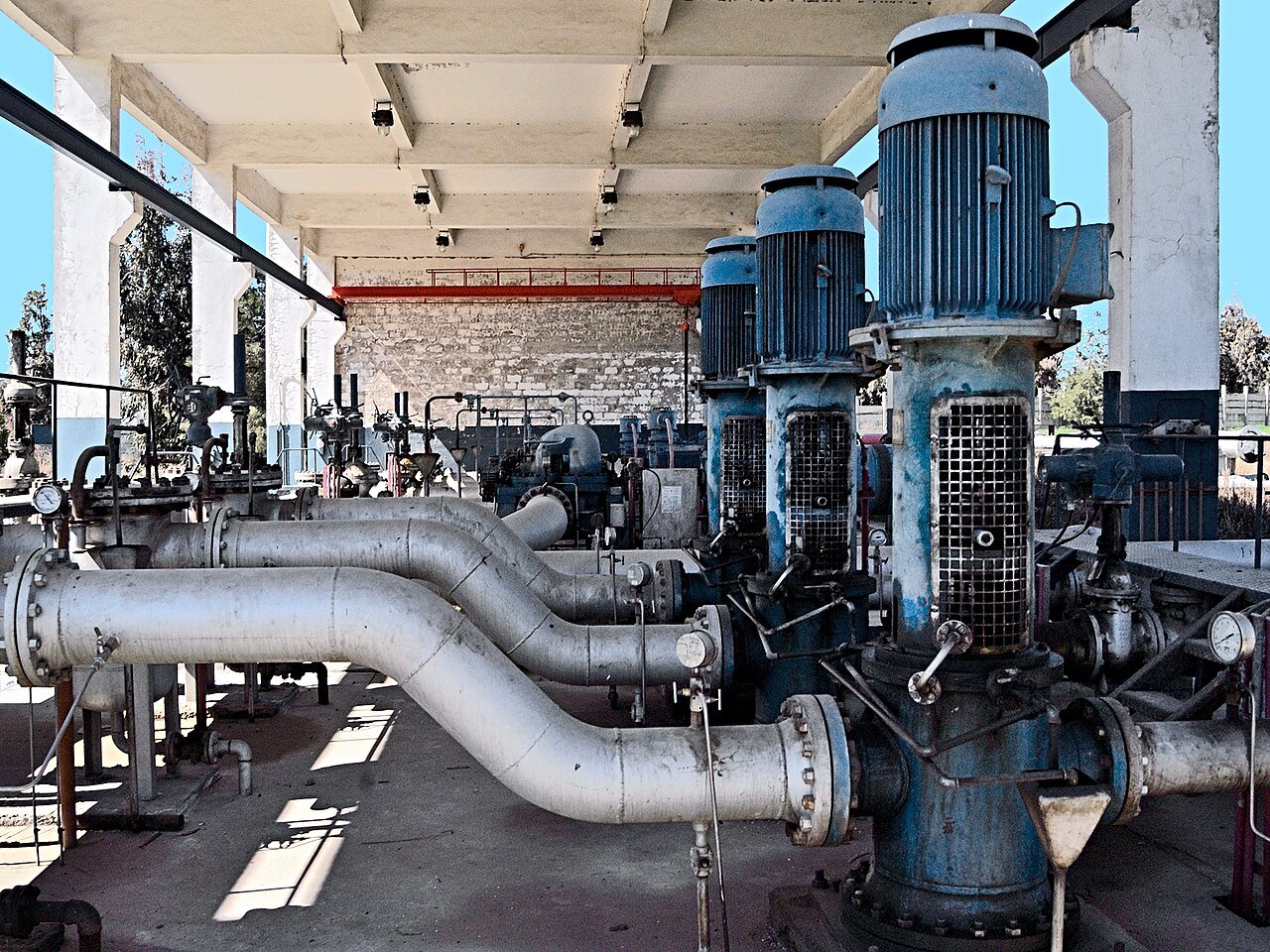
The tender should define the asset inventory, defect types and access conditions it covers. A scope written only in labour rates will be priced as unskilled work and delivered accordingly.
Section 1: Scope of Work
Define what the contract covers in terms of assets, defects and obligations — not just hours.
Asset inventory
- List the facilities, units and systems in scope, with line numbers where available.
- Specify service range per facility: typical fluid, design and operating pressure and temperature, sizes and materials.
- Identify facilities requiring special access arrangements — remote sites, offshore structures, aviation-dependent locations, sites with restricted permits.
- State the expected annual volume of call-outs, expressed as a range with the basis for the estimate.
Defect types in scope
- Flange and bolted joint leaks in hydrocarbon, steam, water and chemical service.
- Valve gland, bonnet and body leaks on non-isolatable valves.
- Pinholes, pits and localised wall loss on piping and vessels.
- Extended wall thinning where composite repair to ISO 24817 is contemplated.
- Explicit statement of defect types excluded, such as actively propagating cracks or defects beyond a stated size.
Obligations regardless of call-out
- Maintain a duty contact reachable at all hours, with a defined escalation path.
- Hold agreed equipment and consumable stock at nominated regional locations.
- Keep crew competency and medical fitness records current and available for audit.
- Participate in periodic drills or desktop exercises with the operator.
- Report after every call-out using an agreed template.
Section 2: Technical Requirements
Mandate a standards basis and require the bidder to demonstrate it in their technical proposal.
| Requirement | Acceptable evidence |
|---|---|
| Design basis for enclosures and clamps aligned with ASME PCC-2 | Calculation sheets for a representative case; statement of how thickness is derived |
| Piping design and material compliance with ASME B31.3 or the applicable pipeline code | Material certificates and design reference list |
| Composite repair capability to ISO 24817 where wall loss is the defect | Qualified repair procedure and design calculations |
| Sealant compatibility assessment against actual fluids | Written compatibility matrix with temperature limits |
| Defined maximum allowable injection pressure methodology | Documented procedure and sample agreement form |
| Stated operating envelope for every method offered | Table of pressure, temperature and size ranges per method |
| In-service inspection context per API practice | Thickness measurement capability and reporting format |
Require bidders to submit a worked technical example: a specific defect, the method chosen, the design basis, the injection pressure limit and the resulting envelope. A bidder who cannot produce this is not offering engineering.

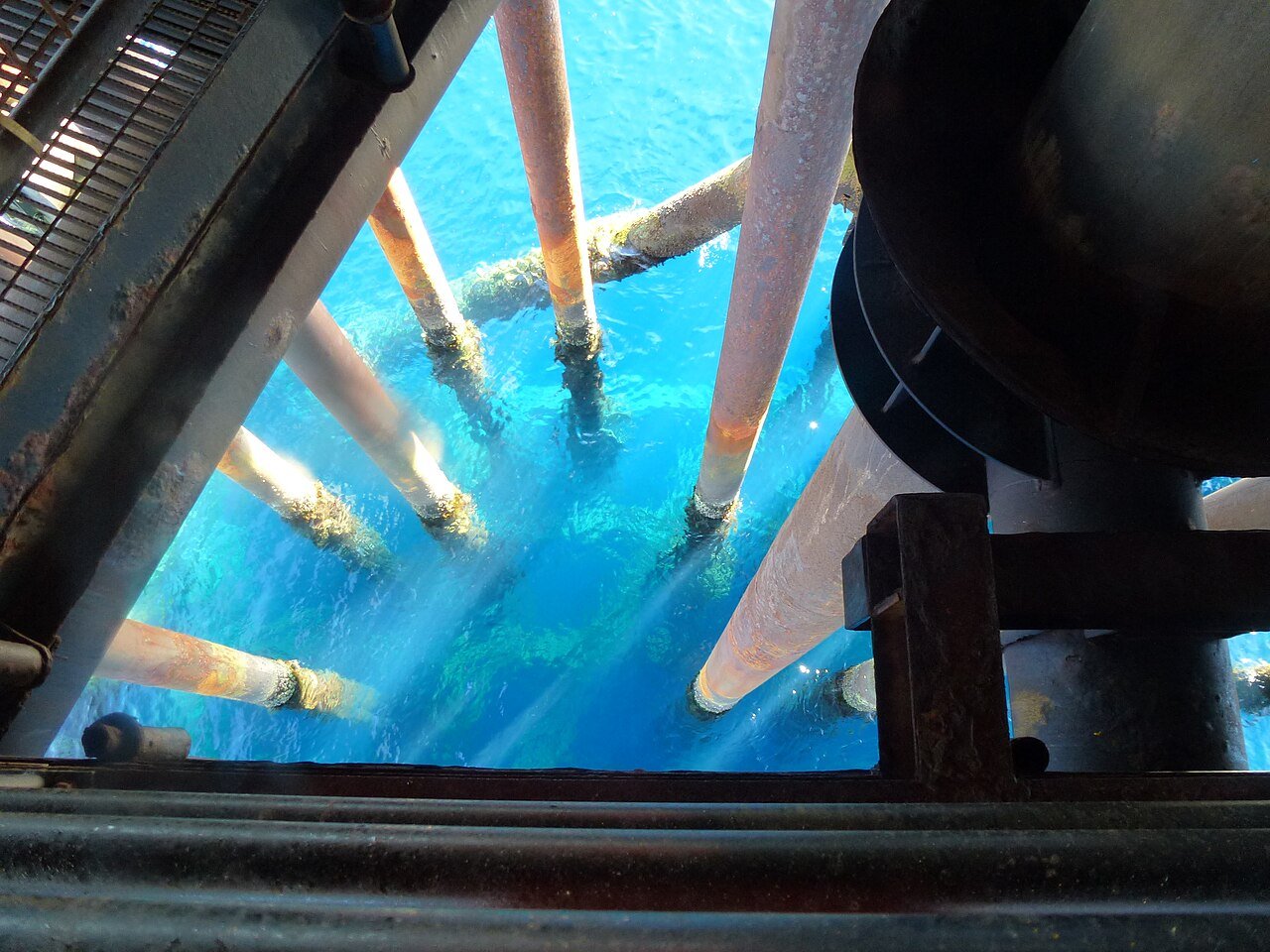
Where offshore or remote assets are in scope, the tender must specify logistics provisions explicitly. Assumed aviation access is a common source of unrealistic bids.
Section 3: HSE Requirements
HSE is not a compliance annex here; it is a core technical requirement. Specify:
- Job safety analysis for each call-out, submitted before mobilisation where time permits and always before injection begins.
- Method statement detailing installation sequence, injection procedure, hold points and abort criteria.
- Defined pressure boundary and documented agreement of maximum injection pressure with the operator’s process authority.
- Gas testing and continuous monitoring, with instrument calibration records and competency evidence for the operator interpreting readings.
- PPE specification covering chemical, thermal and impact hazards, at or above site minimum.
- Stop-work authority for every crew member, documented in the method statement.
- Fatigue management for out-of-hours work, including maximum shift duration and mandatory handover.
- Incident reporting into the operator’s system with defined timelines.
Bidders should also reference their alignment with recognised safety practice such as OSHA and HSE guidance, alongside any national requirements applicable to the facility.

Upstream facilities bring additional tender requirements: sour service material considerations, gas monitoring regimes and permit frameworks specific to producing assets.
Section 4: Mobilisation SLA
This is where most emergency contracts either work or fail. Define response in measurable tiers, and define when the clock starts.
| Tier | Scope | Indicative response commitment | Evidence route |
|---|---|---|---|
| Tier 1 | Hub-adjacent facilities, pre-authorised access | Hours, measured from technical agreement | Duty roster, local stock point, GPS-tracked dispatch |
| Tier 2 | Regional facilities requiring travel | Within one day | Confirmed flight or road plan, standing bookings |
| Tier 3 | Remote and offshore, aviation or vessel dependent | Days, with stated window dependency | Pre-agreed logistics arrangements, weight-limited equipment plan |
Attach commercial consequences to the commitment. A service level with no penalty or bonus is an aspiration; a service level with defined credits is an obligation. Specify also the circumstances that legitimately suspend the clock — denied permits, unsafe access, force majeure — so the mechanism is credible rather than punitive.
Section 5: Evaluation Criteria and Weighting
Price-only evaluation guarantees the wrong contractor. The matrix below keeps technical substance decisive while retaining commercial discipline. Adjust weights to your risk profile — for a refinery or offshore asset, technical weight should rise rather than fall.
| Criterion | Weight | Evidence demanded |
|---|---|---|
| Technical approach and design basis | 25% | Worked example, calculation sheets, stated envelopes |
| Mobilisation capability and stock | 20% | Duty roster, regional stock list, dispatch procedure, SLA proposal |
| HSE systems and documentation | 20% | Sample JSA, method statement, monitoring regime, training records |
| Crew competency and evidence | 15% | Named personnel, competency assessments, medical fitness status |
| Track record on comparable work | 10% | Three references with parameters and outcomes |
| Commercial proposal | 10% | Rate card, premium definition, consumable unit rates, standby option |
Note the deliberate split: technical, mobilisation and HSE together carry 65%, because those three determine whether the service works under pressure. Price carries 10% because on a total-cost basis it is the smallest lever — the cost of a failed response dwarfs any rate difference.
Section 6: KPIs and Governance
- Response time measured against tier — reported per call-out, with a quarterly summary.
- First-attempt success rate — the proportion of leaks contained without a second mobilisation or a change of method.
- Documentation completeness — percentage of call-outs delivered with the full post-job pack.
- HSE performance — incidents, near misses, and permit compliance observations.
- Stock availability — audit results against the agreed regional inventory.
- Drill participation — completion of scheduled desktop or live exercises.
- Competency currency — percentage of named crew with valid, in-date records.
Pair the KPI set with a quarterly review meeting and a defined escalation route for persistent underperformance. Contracts that specify KPIs but never review them degrade quietly until the first serious emergency exposes the gap.
Sample Clauses Worth Including
- Technical authority. The contractor shall nominate a named technical authority responsible for the go or no-go decision on each defect, and shall record the decision and its basis.
- Injection pressure agreement. No sealant injection shall commence until the maximum allowable injection pressure has been agreed in writing with the operator’s process authority.
- Envelope declaration. The contractor shall declare in writing the pressure, temperature and size envelope within which each offered method is valid.
- Refusal right. The contractor shall decline work outside the declared envelope, and such refusal shall not constitute breach.
- Documentation obligation. Delivery of the post-job pack is a condition of invoice acceptance.
- Stock audit. The operator may audit regional stock at any time without notice.
- Substitution control. Named key personnel shall not be substituted without written approval and equivalent competency evidence.
- Data and records. Repair records shall be handed to the operator in editable format for inclusion in asset registers.
The refusal-right clause is counter-intuitive to some procurement teams but is one of the most protective provisions you can write. It gives the contractor a formal mechanism to say no, which removes the commercial pressure to attempt a repair that should not be attempted.
Key Takeaways
- Write the tender around engineering, mobilisation and governance — not labour hours.
- Mandate a standards basis (ASME PCC-2, ASME B31.3, ISO 24817, API) and require a worked technical example in the bid.
- Define mobilisation in tiers with a stated clock, and attach commercial consequences.
- Weight technical, mobilisation and HSE criteria at roughly two-thirds of the total score.
- Require documentation delivery as a condition of payment, not as a courtesy.
- Include an explicit refusal right for defects outside the method envelope.
- Specify KPIs and review them quarterly, or the SLA is decoration.
Running the Tender Process
Four practical steps make the difference between a shortlist that performs and one that disappoints:
- Pre-qualify before issuing. Screen bidders on regional presence, stock holding and crew employment model. Issuing to ten bidders produces nine hollow responses.
- Hold a technical clarification session. Give bidders the same worked defect and require the same three questions to be answered in writing: injection pressure basis, sealant selection rationale, and declared envelope.
- Score independently. Separate technical and commercial panels, with technical scoring completed before commercial envelopes are opened. This prevents price anchoring from distorting technical judgement.
- Pilot before full award. Where possible, award a limited-scope agreement covering one facility for six months, measure against the KPIs, then extend. Emergency capability is best proven incrementally.
Working With Sipinus
Sipinus delivers live leak sealing and related industrial services across Indonesia, structured to fit operator procurement frameworks: technical assessment with a documented design basis, defined operating envelopes, crew competency evidence, and a post-job documentation pack as standard.
We are comfortable being evaluated on substance rather than presentation, and we will state clearly which parts of a scope sit outside the method envelope. To discuss a tender, a framework agreement or a specific defect, contact the team on WhatsApp 082199001706 or at info@sipinus.co.id. Background material is available in the emergency leak online repair solution guide and the online leak sealing technology and methods overview.
FAQ: Emergency Leak Online Repair Solution Tender
Should price be part of the evaluation at all?
Yes, but with a low weight — around ten per cent. Price matters for budget discipline and for detecting unrealistic bids, but it should not determine the winner. The cost of a failed response, measured in additional downtime and a second mobilisation, far exceeds the difference between a realistic and an optimistic rate card. Weight technical capability, mobilisation and HSE systems at roughly two-thirds of the total.
How do we verify mobilisation capability rather than accept a promise?
Require structural evidence: a duty roster showing who is on call and when, the address and contents of regional stock points, the dispatch procedure and who authorises it, and the crew employment model. Then test it — call the duty number out of hours during evaluation and see how quickly you reach a competent person. A stated SLA with no evidence behind it is not a capability.
What if a bidder declines part of the scope?
That is usually a positive signal. A bidder who states that certain defects, pressures or temperatures fall outside their method envelope is describing real limits. Include a refusal-right clause so declining out-of-envelope work is not treated as breach. Contractors who claim everything is achievable are the ones most likely to attempt something unsafe on your asset.
How long should an emergency service contract run?
Multi-year terms of two to three years suit this category, because response capability requires investment in stock and crew retention that a one-year contract does not justify. Pair the term with annual KPI review and a break clause for sustained underperformance, and consider a six-month pilot at one facility before extending to the full asset base.
Do we need a standby retainer or is call-out enough?
For assets where a leak halts production, a retainer is usually cheaper and faster. It funds stock holding and crew availability, shortens response time and reduces the emergency premium per event. Call-out-only arrangements work for lower-consequence assets where a leak can be contained locally while a crew travels.
Cost expectations should be set before bids land, not after. The emergency leak repair cost and downtime reduction guide breaks down what drives the emergency premium, and the online leak sealing services in Indonesia page lists the capability a compliant bidder must be able to demonstrate on site.
Leak still running and the plant is on limited time? Our response desk is staffed around the clock. Message the emergency team on WhatsApp or send a site brief with the line ID, medium, operating pressure and temperature, and we will confirm scope before mobilisation.
Conclusion
Before drafting the document, it helps to read the underlying method: emergency leak online sealing explains what a live repair actually involves, while the pipeline emergency leak repair page shows how scopes are sequenced on transmission assets.
A well-written tender for live leak repair converts an unpredictable emergency service into a managed contract. It defines the assets and defects, mandates an engineering basis, requires evidence of mobilisation capability, and pays for documentation. It also accepts a counter-intuitive truth: the contractor most able to protect your plant is the one permitted to say no.
Start from exposure — the assets that cannot be isolated — then build the scope, the SLA tiers and the evaluation matrix around them. Get those three right and the service you award will match the plant conditions you actually operate, not the conditions a bidder wished for.