Online Leak Sealing Services in Indonesia: What You Need to Know
Online leak sealing services in Indonesia address one of the most operationally disruptive and safety-critical challenges facing the country’s oil and gas, petrochemical, power generation, and heavy industrial sectors — active leaks on pressurized systems that cannot be shut down without unacceptable production loss or safety risk.
Indonesia’s industrial infrastructure presents a unique operating environment for leak sealing services. Aging offshore platforms in the Java Sea, Natuna, and Mahakam blocks; refineries operating continuous process units that have not had a full turnaround in years; geothermal power plants in remote highland locations; and petrochemical complexes running 24/7 to meet domestic demand — all of these create a persistent and growing demand for qualified, rapidly deployable online leak sealing capability.
Sipinus provides certified emergency leak online sealing services across Indonesia — onshore and offshore, Java and outer islands — with the engineering depth, sealant technology, and mobilization infrastructure to deliver genuinely effective emergency leak online repair solutions wherever and whenever they are needed.
The Regulatory Landscape for Leak Sealing in Indonesia
Understanding the regulatory context is essential for any operator or maintenance manager deploying online leak sealing services in Indonesia. Key regulatory bodies and frameworks include:
SKK Migas (Satuan Kerja Khusus Pelaksana Kegiatan Usaha Hulu Minyak dan Gas Bumi)
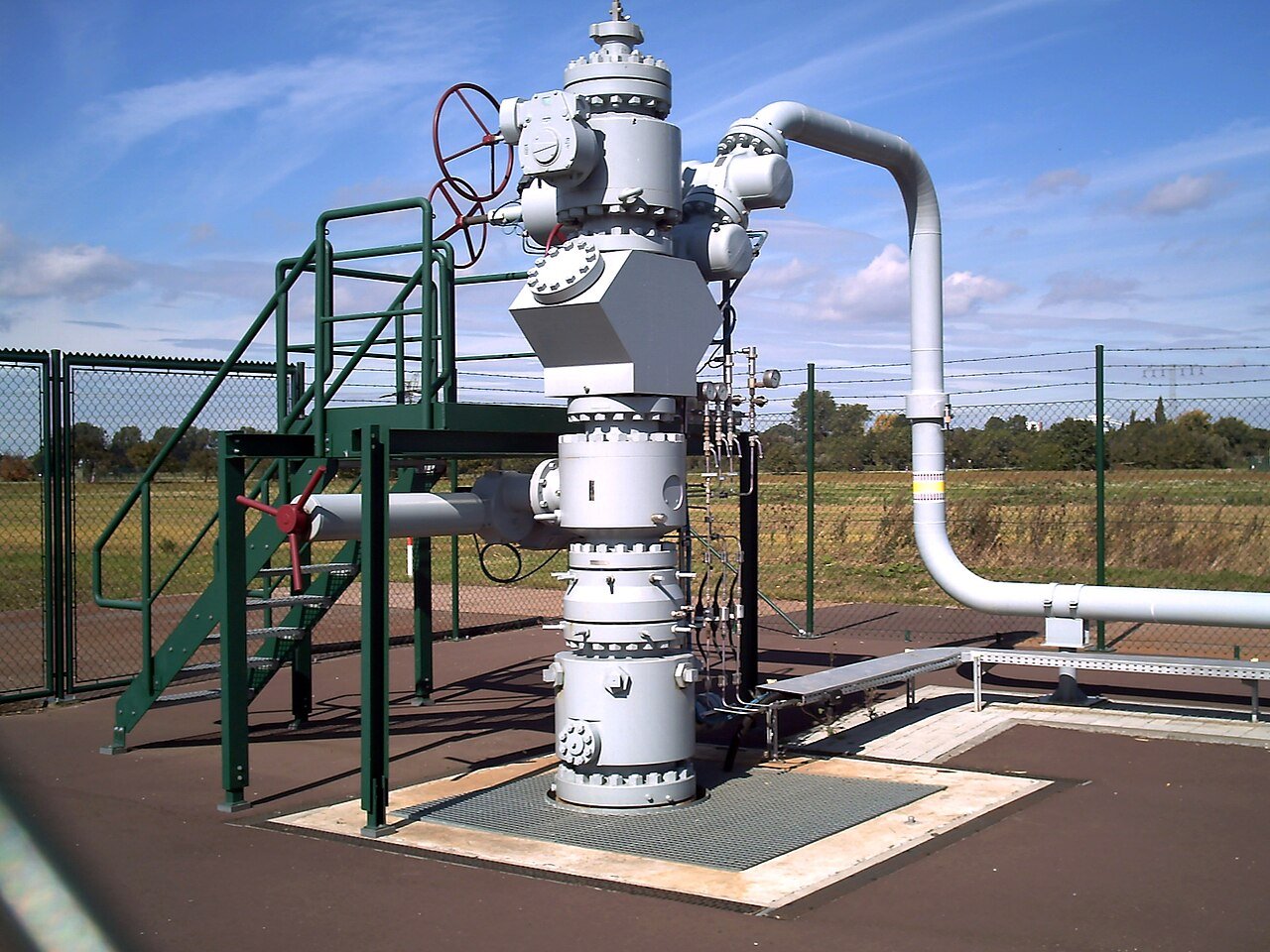
SKK Migas governs all upstream oil and gas activities in Indonesia — exploration, production, and field maintenance. Any repair activity on production facilities, pipelines, or wellhead equipment must comply with SKK Migas regulations on maintenance management, work authorization, and equipment integrity. Online leak sealing performed to recognized engineering standards (ASME PCC-2) with full documentation satisfies the engineering integrity requirements of SKK Migas’s maintenance management framework.
Ditjen Migas (Directorate General of Oil and Gas)
The Directorate General of Oil and Gas under the Ministry of Energy and Mineral Resources governs downstream activities — refining, transmission, and distribution. Leak management at refineries and transmission pipelines must comply with Ditjen Migas technical and safety regulations. Documentation-backed online leak sealing repairs are accepted as engineered solutions within this framework.
BPMIGAS Historical Standards
Many operating procedures in Indonesian upstream facilities still reference legacy BPMIGAS standards developed before SKK Migas replaced that body. These standards generally align with international codes including ASME and API, and online leak sealing to ASME PCC-2 remains compliant with their intent.
K3LL (Keselamatan dan Kesehatan Kerja serta Lindungan Lingkungan)
Indonesian occupational health, safety, and environmental protection regulations (K3LL) govern all work activities at industrial facilities, including online leak sealing. Sipinus’s work method statements, risk assessments, and permitting processes are structured to comply fully with K3LL requirements and the specific HSE management systems of each client facility.
Online Leak Sealing Across Indonesia’s Key Industrial Regions
Kalimantan: Onshore and Offshore Oil and Gas
Kalimantan is home to some of Indonesia’s most significant upstream oil and gas infrastructure — the Mahakam block in East Kalimantan, numerous production sharing contract areas, and the Bontang LNG complex. Aging production infrastructure in this region generates significant demand for emergency leak online sealing services, particularly for flanged connections, valve packing leaks, and small-bore instrument fittings on high-pressure production headers and export lines.
Java: Refineries, Petrochemicals, and Power
Java hosts Indonesia’s major downstream infrastructure including the Balikpapan, Cilacap, and Balongan refineries, the Banten and Cilegon petrochemical clusters, and a large share of the country’s thermal and geothermal power generation capacity. The continuous-process nature of refinery and petrochemical operations makes online leak sealing particularly valuable — shutting down a process unit for a leak repair in a refinery has cascading effects on downstream units and product output that make online repair the strongly preferred option in almost all circumstances.
Sumatra: Mature Field Operations
The mature oil and gas fields of Sumatra — Duri, Minas, and the Riau basin — operate aging infrastructure where leak frequency is higher than in newer facilities. The combination of aging flanges, cyclic thermal loading from steam injection operations, and high corrosion rates in some field environments creates chronic leak management challenges that benefit significantly from a structured online sealing program. For detailed treatment of these oil and gas specific challenges, read our guide on emergency leak repair for oil and gas Indonesia.
Offshore Java Sea and Beyond
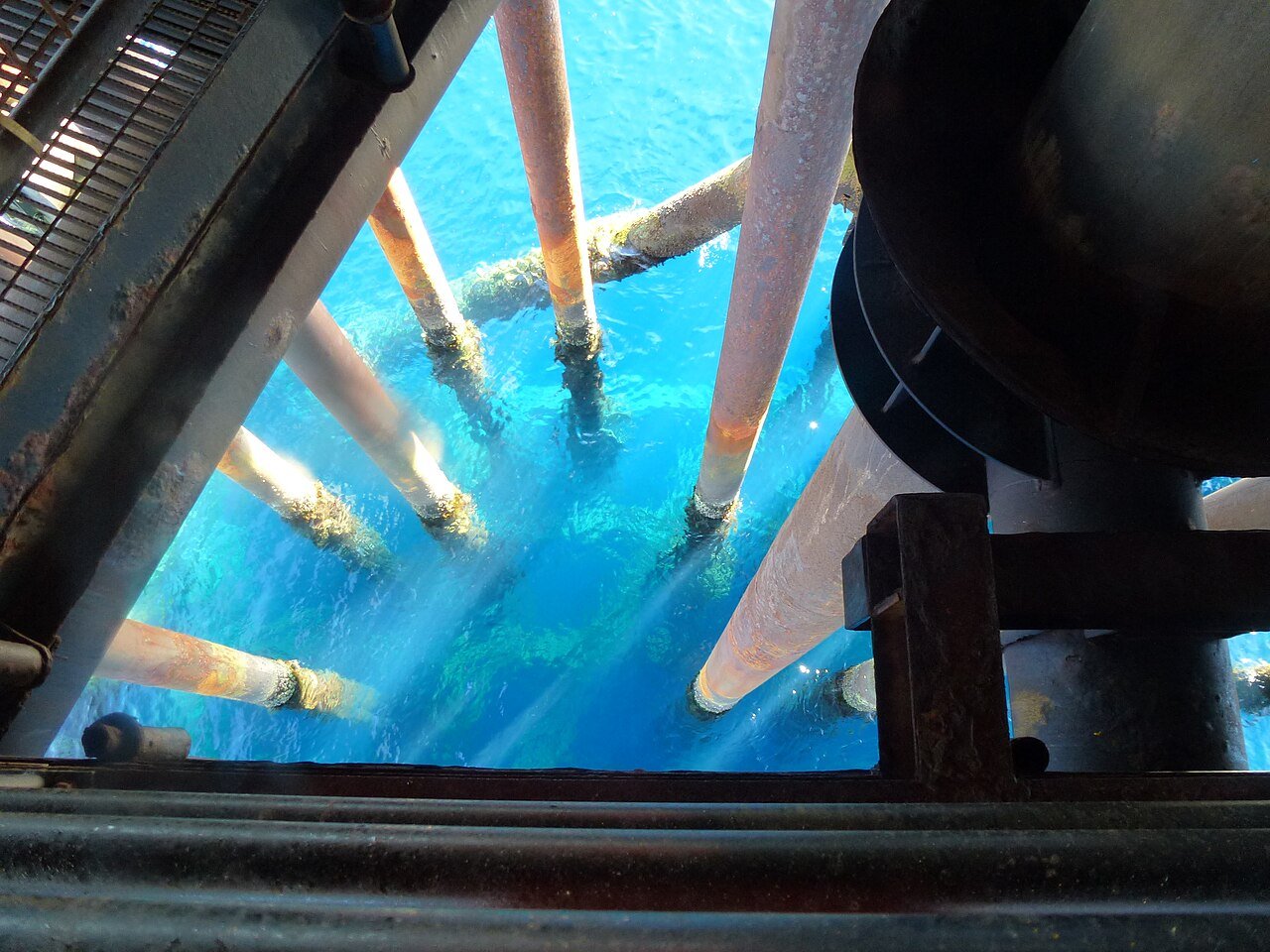
Offshore platforms in the Java Sea and deeper water areas present the most demanding operating environment for emergency leak online sealing services. Access is by helicopter or vessel, accommodation and working space are constrained, and the consequences of a delayed response to a serious leak are magnified by distance from onshore support. Sipinus maintains offshore-ready response capability with BOSIET-certified technicians and equipment configured for offshore deployment. For more information on offshore-specific methodologies, read our guide on online leak sealing services in Indonesia.
Sipinus: Qualified Online Leak Sealing Provider in Indonesia
Not every company that describes itself as an online leak sealing provider has the engineering capability, certified personnel, and sealant technology to deliver safe and effective results on demanding industrial applications. The consequences of an inadequately engineered or incorrectly installed leak seal — in high-pressure, high-temperature, or hazardous fluid service — can be catastrophic.
Sipinus differentiates its online leak sealing services through:
- Qualified mechanical engineers: Every emergency leak sealing job is engineered by a qualified mechanical engineer who designs the clamp, selects the sealant, and approves the installation method statement — not delegated to a technician making field judgments
- Certified leak sealing technicians: Field personnel are trained and certified in leak sealing procedures, with competency assessment aligned to recognized industry standards
- Comprehensive sealant inventory: An extensive range of sealant compounds covering hydrocarbons, steam, cryogenics, sour service, acids, and specialty fluids — with documented compatibility data for each
- 24/7 emergency response: Genuine around-the-clock availability with pre-positioned equipment and mobilization capability for rapid response across Indonesia
- ASME PCC-2 documentation: Full engineering data packs provided with every job, meeting international code requirements and supporting SKK Migas and MIGAS regulatory compliance
- Track record in Indonesian operating environments: Proven experience with the specific challenges of Indonesian facilities — tropical climate, offshore logistics, regulatory frameworks, and the aging infrastructure profile of mature production areas
Common Leak Scenarios and Online Sealing Solutions
Flanged Joint Leaks
Flanged connections are the most common leak point in process piping systems. Gasket degradation, bolt relaxation from thermal cycling, and flange face corrosion all cause leaks that are ideally suited to online sealing with encapsulation clamps. For a full technical treatment of this application, read our dedicated guide on flange leak online sealing.
Valve Stem Packing Leaks
Gate valves, globe valves, and control valve stems are high-cycle components whose packing degrades over time. Stem packing leaks in hazardous or high-temperature service require immediate attention. Online sealing via sealant injection into the stuffing box is a fast, effective solution. Read our guide on valve online leak sealing for detailed methodology.
Pipeline Corrosion Leaks
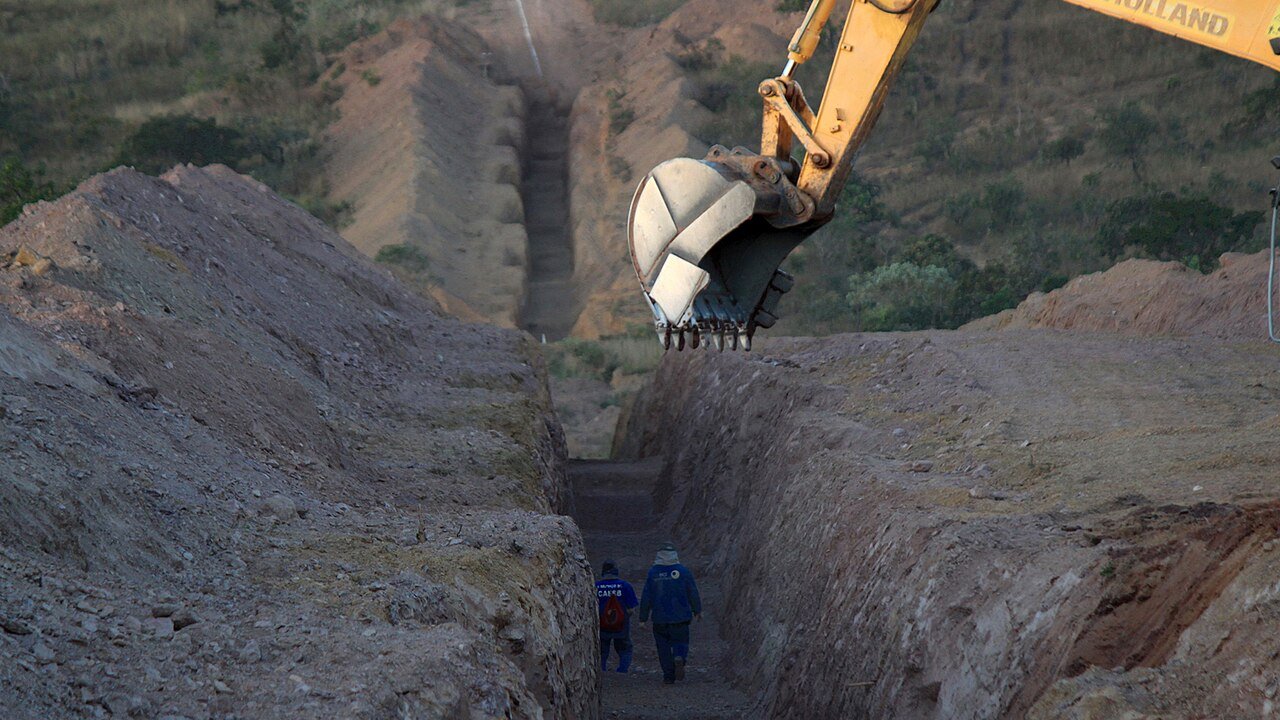
Through-wall corrosion on buried, submerged, or aboveground pipe sections can be addressed with online repair clamps or composite wraps without system shutdown. For pipeline-specific methodology, read our guide on pipeline emergency leak repair.
High-Pressure Equipment Leaks
Vessels, heat exchangers, and high-pressure equipment bodies can develop leaks at nozzle connections, manway flanges, and instrument connections. Online sealing of these connections requires careful engineering to ensure the clamp design is adequate for the pressure class and geometry. Read our guide on high pressure leak sealing solutions for technical detail on these demanding applications.
Mobilization and Response Time Across Indonesia
Response time is critical in an emergency leak situation. Sipinus’s mobilization capability across Indonesia:
- Jakarta, Bekasi, Karawang (Banten/West Java industrial corridor): Same-day response for most applications, with technicians and equipment on-site within 4–6 hours of emergency call
- Cilacap, Balongan, Dumai refineries: Next-day response with pre-positioned equipment; same-day feasible for urgent situations with air transport
- Kalimantan (Balikpapan, Samarinda, Bontang): 24-hour response with daily flight connections from Jakarta; offshore deployment via helicopter from Balikpapan within 24–36 hours
- Sumatra (Duri, Minas, Riau Basin, Palembang): 24-hour response with direct flight connections; field bases enable faster response for major clients with frame agreements
- Remote and outer island locations: 48–72 hours with charter flight or vessel coordination; advance planning and pre-positioning agreements reduce this significantly
Establishing a Frame Agreement for Faster Emergency Response
Industrial facilities in Indonesia that experience recurring leaks — or that operate high-risk systems where a rapid emergency response is strategically important — benefit significantly from establishing a frame agreement with Sipinus before an emergency occurs. Benefits of a frame agreement include:
- Pre-agreed mobilization protocols that eliminate negotiation time during an emergency
- Pre-engineering of standard clamp designs for the facility’s most common leak point geometries — reducing response time from days to hours
- Pre-positioned sealant and equipment stock at or near the facility
- Trained Sipinus personnel familiar with the facility’s layout, permitting system, and HSE requirements
- Preferential response priority during periods of high demand
- Agreed pricing that eliminates commercial delays during emergency situations
To understand the full financial value of a frame agreement and proactive leak management approach, read our analysis of emergency leak repair cost and downtime reduction.
Training and Competency Development for Plant Personnel
Sipinus also offers training programs for plant maintenance and operations personnel covering:
- Leak identification, classification, and initial assessment methodology
- Understanding online leak sealing technologies and their application criteria
- Emergency response protocols for active leaks — what to do and what not to do in the first minutes
- Documentation requirements and regulatory reporting for leak incidents
- Working safely around active leak sealing operations
Trained plant personnel are better equipped to provide accurate initial assessment information that accelerates Sipinus’s engineering response, and to support the work safely and effectively when the Sipinus team arrives on site.
Frequently Asked Questions about Online Leak Sealing Services in Indonesia
Does Sipinus operate outside Java?
Yes — Sipinus provides online leak sealing services across Indonesia including Kalimantan, Sumatra, Sulawesi, and offshore locations. Response logistics for outer island and offshore locations are managed on a project-specific basis. Contact Sipinus to discuss response capability for your specific facility location.
What certifications should I require from an online leak sealing provider?
At minimum: engineering sign-off from a qualified mechanical engineer on all clamp designs; technician certification to a recognized leak sealing competency standard; and documented compliance with ASME PCC-2 or equivalent international code. Providers unable to demonstrate these qualifications present unacceptable risk for safety-critical applications.
How does Sipinus handle offshore safety management?
All Sipinus personnel deployed offshore hold current BOSIET (Basic Offshore Safety Induction and Emergency Training) certification and comply with the client facility’s offshore safety management system. Job-specific risk assessments address offshore-specific hazards including dropped objects, confined space access on platforms, and simultaneous operations (SIMOPS) considerations.
Can Sipinus provide services under a Pertamina or SKK Migas approved contractor framework?
Yes — Sipinus operates within the vendor qualification and contractor management frameworks of major Indonesian operators. Contact Sipinus directly to discuss qualification status and process for specific operator frameworks.
Scenarios: How Online Leak Sealing Saves Operations Across Indonesia
Offshore Platform, Java Sea — Flange Leak on Gas Export Header
A production platform in the Java Sea develops an active flange leak on the high-pressure gas export header — a 10-inch Class 900 line at 120 bar. Shutting down the export compressor for conventional repair would take the platform offline for three to four days. At 15,000 BOPD equivalent production, that represents approximately USD 3.4 million in lost production. With Sipinus’s emergency response, a flange encapsulation clamp is engineered, fabricated, and deployed via helicopter from Balikpapan within 36 hours. The clamp is installed and the leak sealed in four hours on-site. Net production saving: over USD 2 million after all response costs. For flange-specific methodology, read our guide on flange leak online sealing.
Refinery CDU, East Java — Gate Valve Stem Packing Leak
A gate valve stem packing leak develops on a 6-inch gate valve in a 90 bar crude distillation unit naphtha service. The valve is not isolatable without shutting down the CDU — a 36,000 BPD unit whose restart from cold takes 36–48 hours. At an average refinery margin of USD 6/barrel, a 48-hour shutdown costs USD 4.3 million in lost margin. Sipinus mobilizes from Jakarta within six hours. A gland injection clamp is fitted and hydrocarbon-compatible sealant injected. The CDU never shuts down. The total response costs less than 1% of the averted shutdown loss. For valve sealing methodology, read our guide on valve online leak sealing.
Steam Injection Pipeline, Central Sumatra — Through-Wall Corrosion Leak
A 4-inch 40 bar steam injection pipeline serving an enhanced oil recovery field develops a through-wall corrosion leak at a remote field location. Shutting down for conventional repair takes the entire well cluster offline for five days — significant production deferment from an already mature field. Sipinus engineers a split-sleeve repair clamp, selects a high-temperature sealant rated to 250°C steam conditions, and completes the repair in one day on-site. Steam injection continues uninterrupted to 38 of 40 wells throughout. Full injection to all wells is restored the following day. Production deferment: one well-cluster-day versus five.
Pertamina and KKKS Contractor Qualification
Working effectively in Indonesia’s oil and gas ecosystem requires registration within operator vendor management systems. For Pertamina-operated facilities, this means PAMS (Pertamina Approved Maintenance Supplier) registration, compliance with SMKI (Sistem Manajemen Keselamatan dan Integritas) HSE requirements, and familiarity with Pertamina’s SAP PM-based work order system. Sipinus maintains the qualifications needed to deploy within Pertamina-operated refineries and upstream facilities. TKDN (Tingkat Kandungan Dalam Negeri) documentation is available for all Sipinus services, supporting local content compliance for PSC and downstream contracts.
For KKKS operators under SKK Migas oversight, Sipinus can provide its full qualification documentation package — HSE management system records, technical capability evidence, reference projects, and technician certification records — to support vendor qualification at new facilities. The typical qualification process takes two to four weeks. Establishing qualification before an emergency occurs means mobilization is unrestricted when urgency demands it.
To understand the full financial value of a pre-qualified provider under a frame agreement, read our analysis of emergency leak repair cost and downtime reduction.
Related Articles: Emergency Leak Online Sealing | Emergency Leak Online Repair Solution | Emergency Leak Repair Oil & Gas Indonesia | Online Leak Sealing Technology & Methods