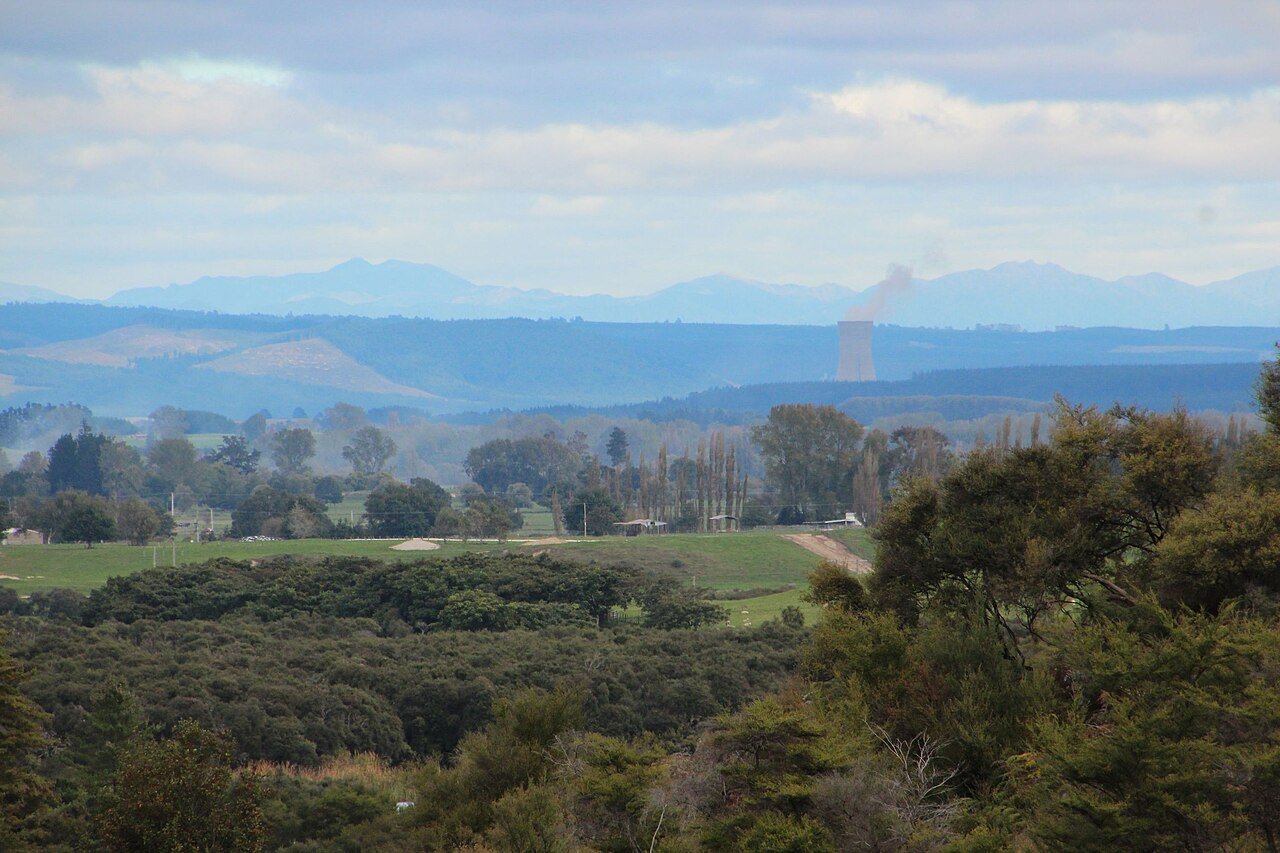
Geothermal plant leak online sealing is the containment of leaks on brine, steam and two-phase pipelines, wellheads, separators and station piping while the facility keeps generating. It is one of the few industrial environments where the fluid is simultaneously hot, corrosive, scaling and abrasive, and where the leak rate can change the plant’s output within hours.
This guide is for geothermal operators, maintenance engineers and field supervisors working on Indonesian geothermal fields — the largest installed capacity in the world after the United States — and for the contractors who support them. It covers where geothermal systems leak, why silica and chloride chemistry limits the repair options, what can be sealed live, and the well control and scaling issues that make geothermal work different from conventional steam plant.
What Makes Geothermal Fluid Difficult
Geothermal fluid is not water and not steam. It is a brine carrying dissolved solids, non-condensable gases and, in many Indonesian fields, high chloride and silica concentrations at temperatures from 150 °C to over 300 °C. Four consequences follow.
- Silica scaling plugs everything. As brine cools and flashes, dissolved silica becomes supersaturated and deposits as amorphous silica scale. In a repair, that means sealant injection ports, small-bore fittings and enclosure cavities can seal themselves with scale before or after the repair. A port that plugged with silica during injection has not done its job.
- Chloride stress corrosion cracking is a live threat. High-chloride brine at temperature attacks austenitic stainless steels. A repair clamp made from the wrong grade becomes the next failure point, and the cracking can happen in months rather than years.
- Two-phase flow is unstable and erosive. Brine and steam travelling together produce slug flow, pressure surges and high wall shear stress. Erosion-corrosion at bends, reducers and tees is the most common wall-loss mechanism in geothermal piping.
- The fluid is a resource, not just a process stream. Every kilogram of steam that escapes is lost generation and, in many fields, a resource that must be replaced by make-up wells. Non-condensable gas releases can also carry hydrogen sulphide, which is toxic at low concentrations.
Where Geothermal Systems Leak
| Location | Mechanism | Live repair position | Constraint |
|---|---|---|---|
| Wellhead master valve and wing valve flanges | Thermal cycling, gasket degradation, vibration from two-phase flow | Possible with well control in place and operator approval | Well control is the governing decision — the well can be shut in or not |
| Wellhead expansion spool and flowline connection | Thermal growth, slug loading, erosion at the bend | Clamp or enclosure on flanges; not on thinned bends | Erosion-corrosion means wall loss is likely to be general rather than local |
| Two-phase and brine pipelines | Erosion-corrosion at fittings, external corrosion under insulation | Discrete defects can be sealed; long runs cannot | Wall thickness survey is mandatory before any clamp |
| Separator vessel nozzles and manways | Thermal cycling, gasket relaxation, scale build-up under gaskets | Commonly feasible on nozzles and manway flanges | Vessel pressure and H₂S exposure define the permit |
| Steam gathering system flanges and valves | Thermal cycling, packing wear, scale in the seat | Feasible on flanges and some glands | High-temperature steam limits sealant choice |
| Cooling tower and condensate system | Corrosion, biological fouling, vibration | Routinely feasible | Lowest-risk area; usually the best starting point |
| Injection well piping and pumps | Corrosion from oxygen ingress, pump seal wear, vibration | Flanges feasible; pump seals not | Injection pressure is usually high even though temperature is lower |
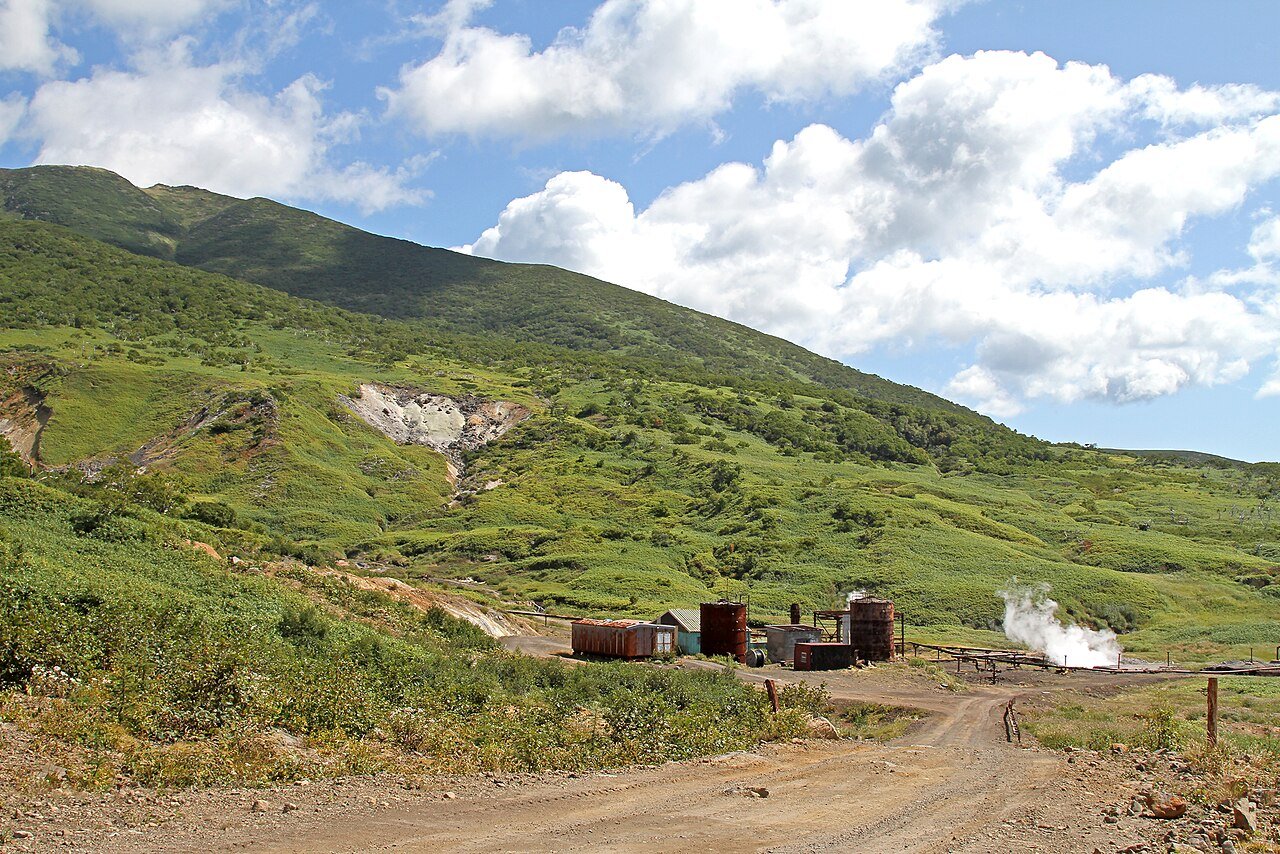
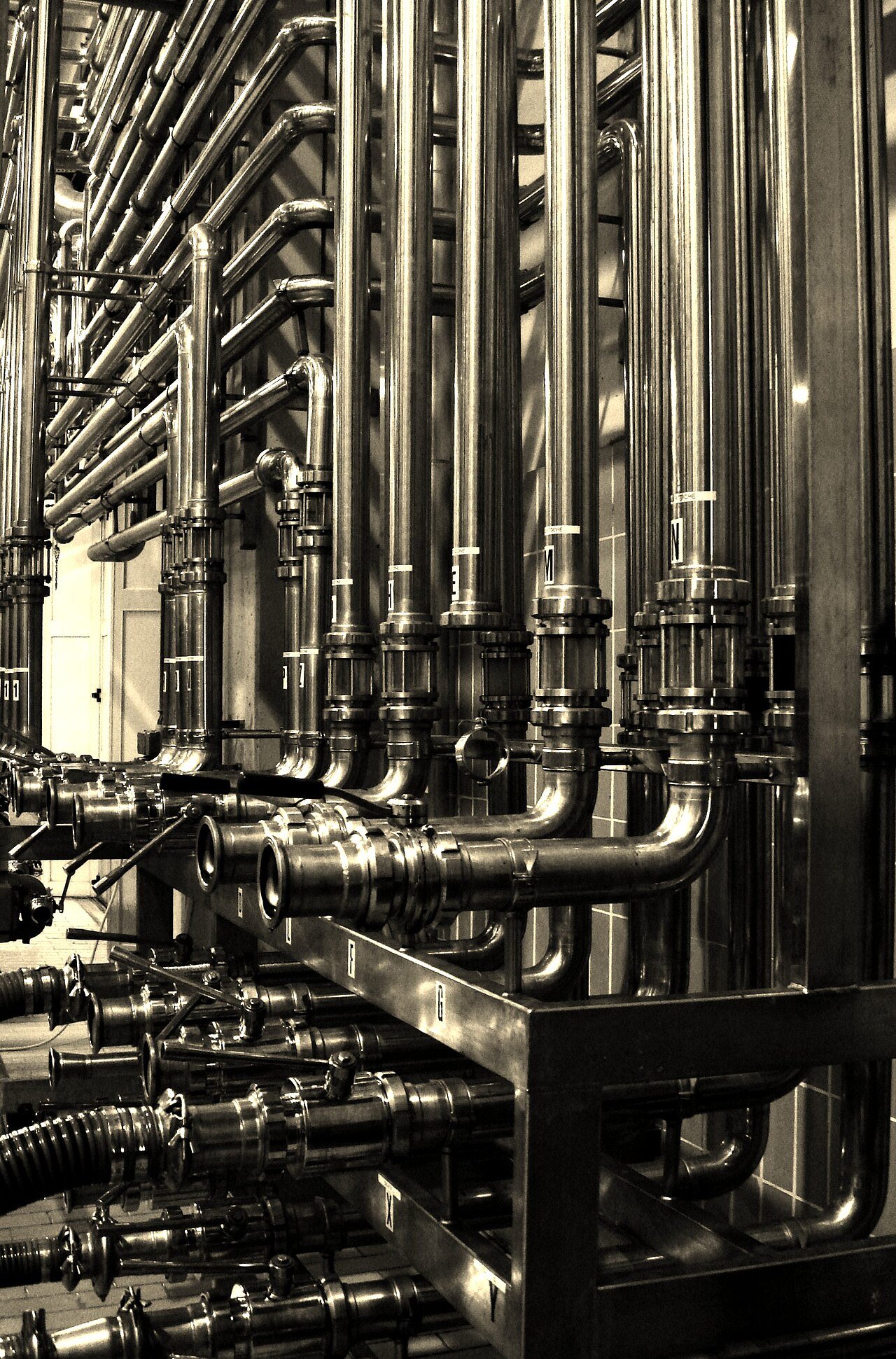
Geothermal wellhead and steam piping.
Silica, Scale and the Injection Problem
Scale is the single most important practical difference between geothermal sealing and conventional steam work. In a clean steam system, an injection port is a reliable path for sealant to reach the leak. In a geothermal line, the same port can be partially blocked with silica before the job starts, and the sealant may set in the port rather than at the leak path.
Three practices follow. First, the enclosure design should use larger injection ports than a conventional job would, with the port positioned as close to the leak path as geometry allows. Second, the crew should confirm port flow before injection — if a port does not accept sealant at the expected rate, the cause is scale and the port needs clearing or relocating. Third, the sealant should be selected for tolerance of surface contamination, because the geothermal surface will not be clean in the way a refinery flange can be cleaned.
There is a second-order problem after the repair. A seal that stops a leak changes the local flow and temperature pattern, and silica deposition often accelerates at the repaired point. A repair that holds for a month and then becomes a scale plug with a pressure differential across it is a different problem, not necessarily a better one. This is the technical core of geothermal plant leak online sealing: without verified injectivity, sealing a flange may simply move the leak.
Material Selection Under Chloride Attack
Chloride stress corrosion cracking makes material selection a design decision rather than a purchasing one. Austenitic stainless steels — 304 and 316 families — are susceptible above roughly 60 °C in the presence of chlorides, and geothermal brine is often well above that with chloride concentrations in the thousands of parts per million.
The practical rule for repair hardware: duplex or super duplex stainless steels, or appropriate nickel alloys, are the default where chloride-bearing brine contacts the component at temperature. Carbon steel is acceptable for enclosures that stay dry and cool, but not where brine wets the surface. And any clamp or enclosure that introduces a dissimilar metal couple in a wet geothermal environment creates a galvanic corrosion cell at the repair point. Material choices for aggressive service are discussed in online leak sealing methods, alongside the clamp, enclosure and sealant injection comparison.
Well Control: The Decision That Comes First
At a wellhead, the repair decision is subordinate to well control. A wellhead leak can be handled live only if the well can be controlled — either shut in, or produced through an alternative path — and if the operator’s well control procedure permits work at the wellhead while it is live.
Where the leak is downstream of a wing valve that holds, the isolation exists and the work is conventional. Where the leak is upstream of any functioning barrier, the job is a well intervention, not a leak sealing job, and the decision belongs to the drilling and well services organisation rather than the maintenance contractor. Getting that boundary wrong is how a routine flange repair becomes a well control event.
Hydrogen sulphide adds a further layer. Indonesian geothermal fields vary widely in H₂S content, and any work on a stream carrying it requires personal H₂S monitors, escape breathing apparatus, and a wind-direction-based exclusion zone. H₂S is toxic at concentrations well below the odour threshold at which it becomes undetectable, which means smell is not a warning. No geothermal plant leak online sealing job should start before well control is settled and the operating limit for the casing pressure is confirmed.
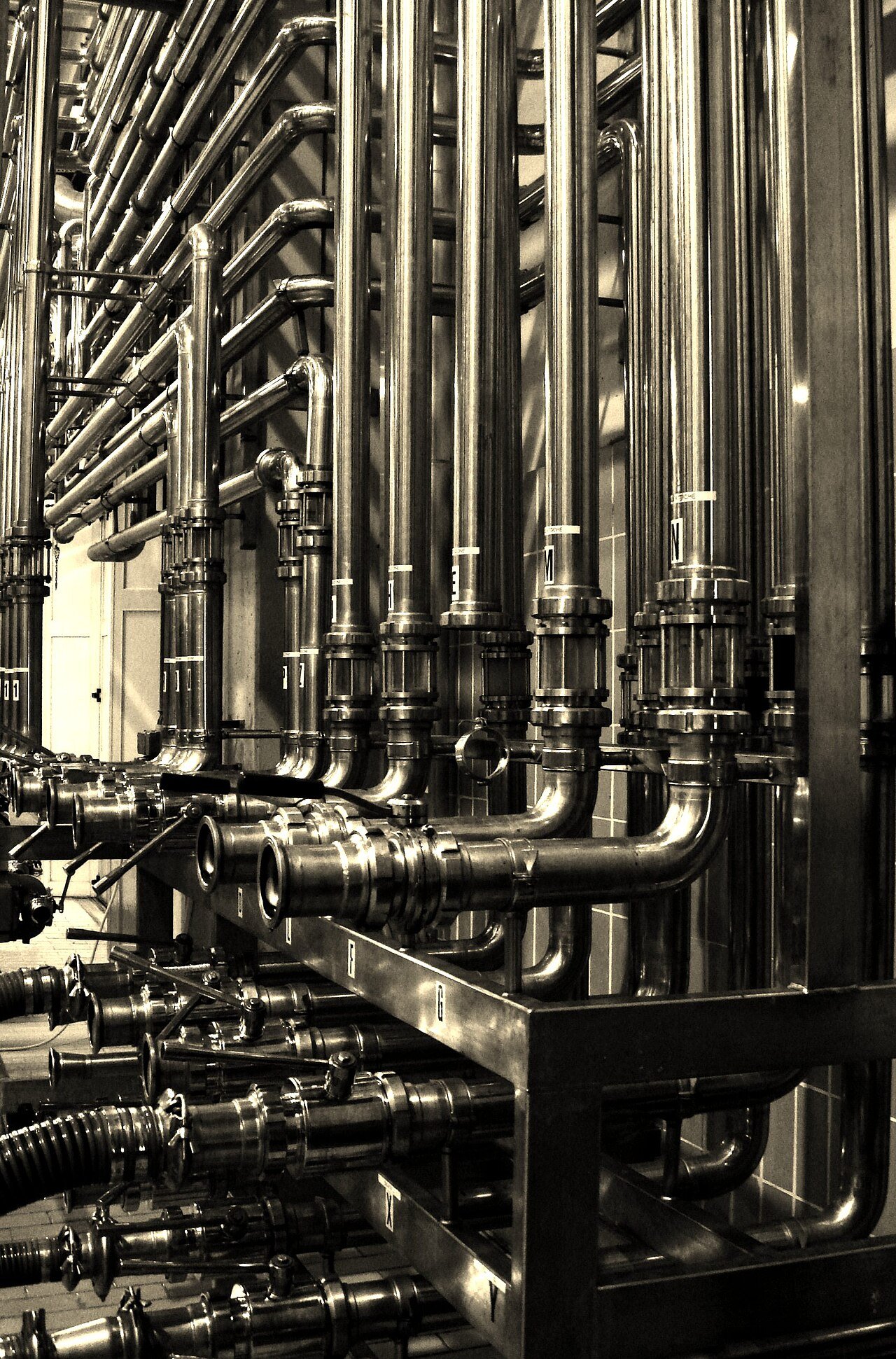
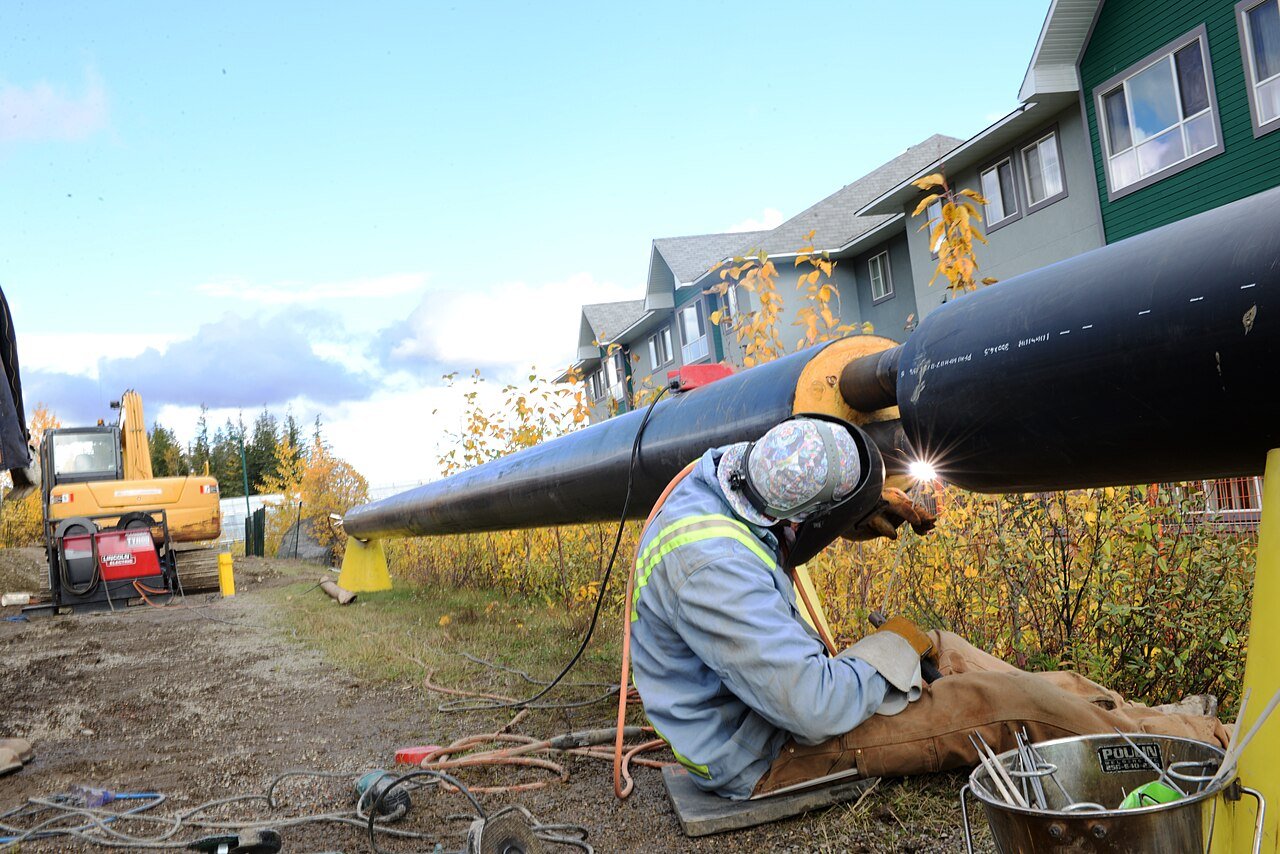
Insulated process piping: the insulation hides small leaks until they grow.
Temperature and Sealant Selection
| Service | Typical temperature | Sealant feasibility | Notes |
|---|---|---|---|
| Cooling water and condensate | 30–90 °C | Routine | Standard grades apply; the main risk is corrosion, not temperature |
| Injection water and pump discharge | 50–120 °C | Routine | High pressure but moderate temperature |
| Separated brine | 120–200 °C | Feasible with high-temperature grades | Scale and chloride govern more than temperature |
| Low-pressure steam | 150–200 °C | Feasible | Standard high-temperature practice applies |
| High-pressure and high-temperature steam | 200–300 °C | Specialist, often refused | Thermal growth and metallurgy dominate |
| Two-phase wellhead flow | 200–300 °C | Rarely | Well control plus erosion plus temperature — three limits at once |
How Geothermal Plant Leak Online Sealing Is Executed
- Well and process survey. Establish whether the well is flowing, whether isolation exists, and what the fluid composition is — chloride, silica and H₂S all change the method.
- Wall thickness and defect survey. Ultrasonic readings around the leak and along the affected run. In geothermal piping the default assumption is erosion-corrosion, so a single reading at the leak is not enough.
- Surface preparation. Insulation removal, scale removal and confirmation that the enclosure will seat on metal rather than on scale. Silica scale is hard and tenacious; the crew must be equipped to remove it.
- Enclosure fit-up. Dry fitting to prove geometry and thermal clearance, with material certificates available for the correct alloy.
- Injection. Larger ports, verified flow, staged injection away from the leak path, and pressure monitoring at the pump.
- Verification. Visual, acoustic and thermal confirmation, plus a check for scale formation at the repair point after a defined period.
- Monitoring and review. Geothermal repairs are reviewed sooner than conventional ones because scale and erosion continue. The repair record should include the wall thickness readings so the next inspection has a baseline.
Lost Generation: The Real Cost Argument
In a geothermal plant, a steam leak is not just a maintenance item. Each kilogram per second of steam lost is roughly a megawatt of lost generation, depending on the enthalpy and the cycle. A leak that nobody fixes for six months can cost more in lost output than the repair and the entire sealing programme combined.
That economics is unusually clean, which is why geothermal operators are often more receptive than other industries to a live repair programme. The argument to make is the production case, not the maintenance case: seal the leaks that are costing generation, on a schedule, and measure the result against the plant’s output curve.
The same logic applies to non-condensable gas. NCG in the steam reduces turbine efficiency and increases the load on the vacuum system. A leak that admits air, or a connection that leaks NCG, has an efficiency cost that is invisible on a leak list but visible on the generation report. Viewed that way, geothermal plant leak online sealing is not a maintenance cost but a generation availability measure, and it competes for budget on that basis.
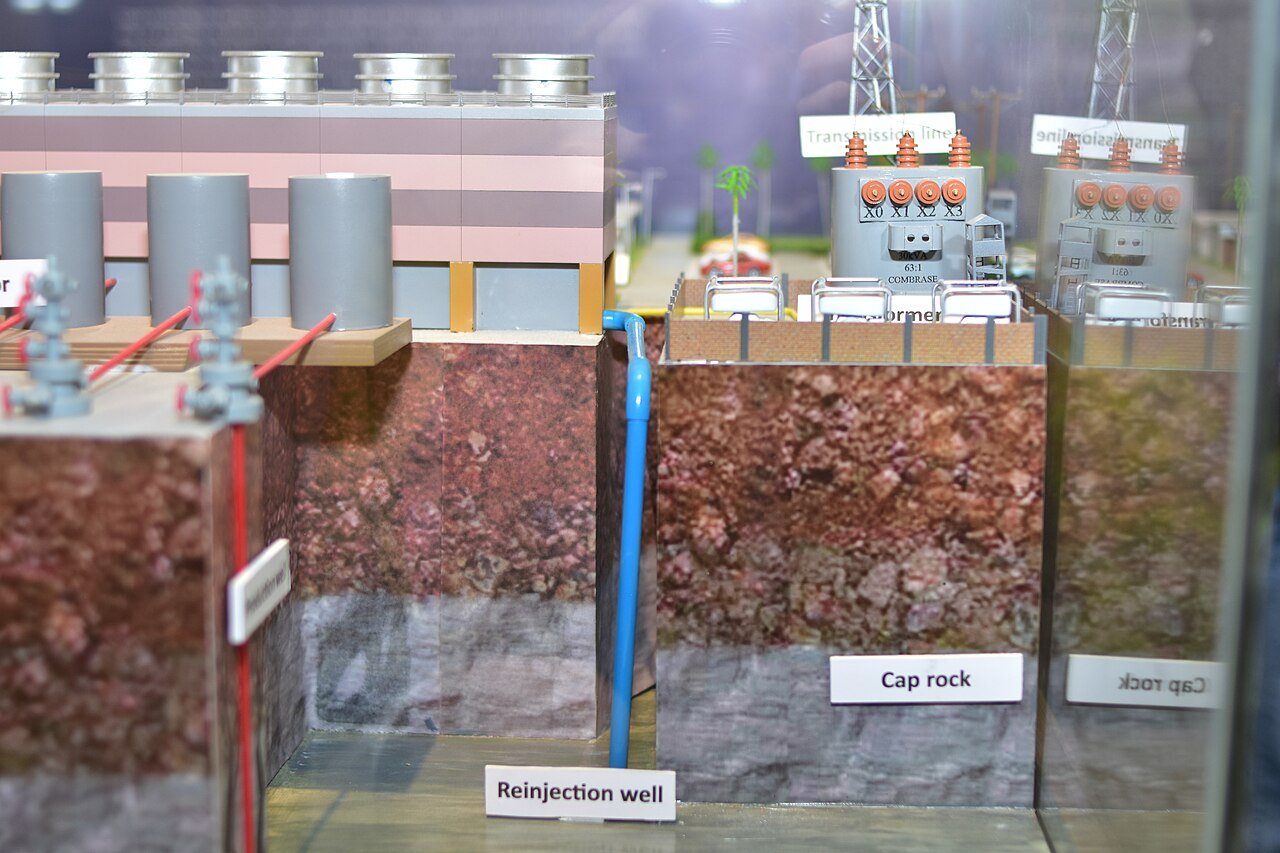
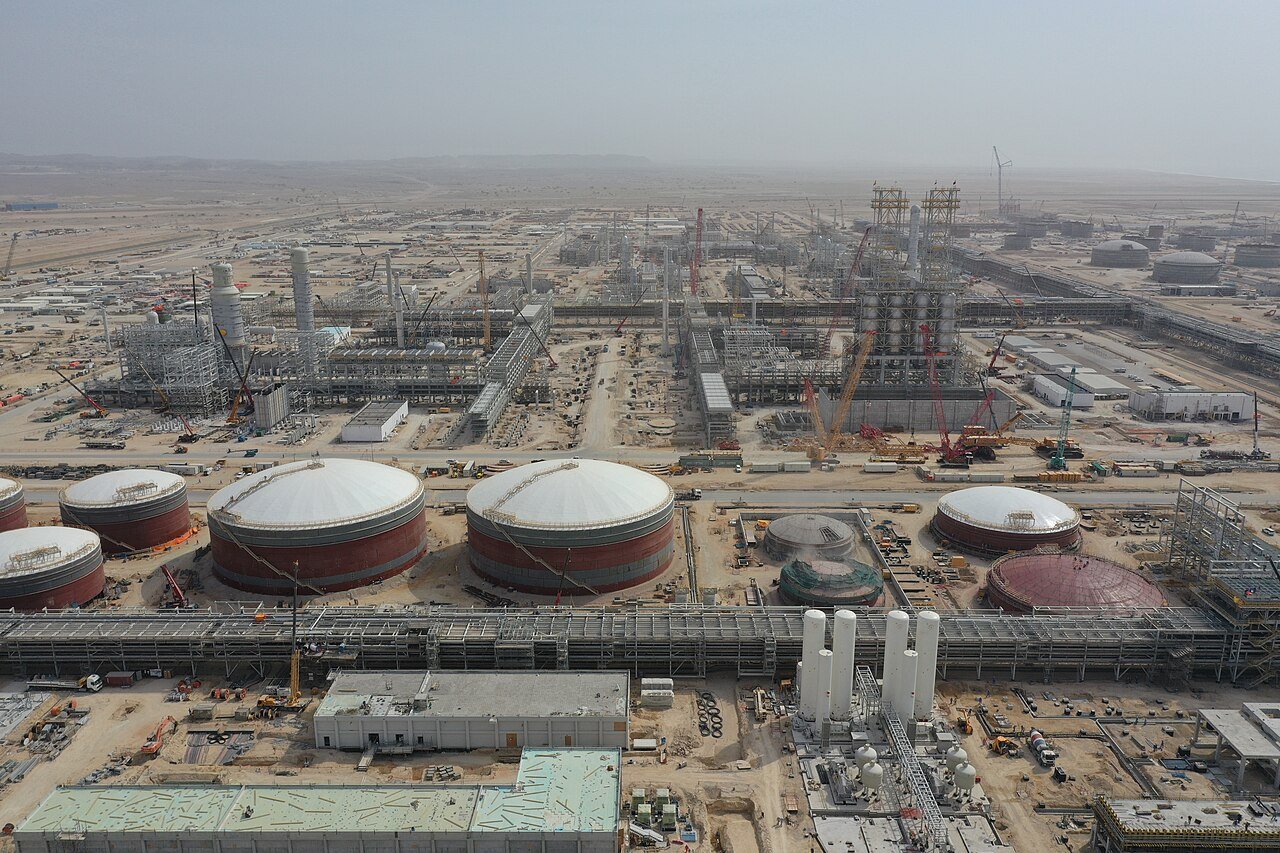
Steam gathering system at a geothermal plant.
When Geothermal Leaks Must Be Refused
- Upstream of any functioning well barrier. Well intervention, not leak sealing.
- Erosion-corrosion with general wall loss. No sound metal to clamp; the spool needs replacement.
- Chloride stress corrosion cracking indications. A crack in chloride service is propagating; seal it and you hide it.
- Two-phase high-temperature wellhead flow without well control. Three simultaneous limits.
- Any location where H₂S cannot be monitored and the exclusion zone cannot be enforced.
FAQ: Geothermal Plant Leak Online Sealing
Can geothermal brine leaks be sealed without shutting the plant?
Yes on separated brine lines, separator nozzles and manways, low-pressure steam systems and cooling circuits, provided wall thickness is confirmed and the materials are suited to chloride service. Two-phase wellhead flow and anything upstream of a well barrier are not live sealing candidates.
Why does silica make sealing harder?
Silica precipitates as brine cools and flashes, so it blocks injection ports and coats the surfaces the sealant must bond to. Repairs need larger ports, verified port flow before injection, and a sealant tolerant of contaminated surfaces. Scale can also re-form at the repair point afterwards, so geothermal seals are reviewed sooner.
What material should a clamp be made from in geothermal service?
Duplex or super duplex stainless steel, or a suitable nickel alloy, where chloride-bearing brine contacts the component at temperature. Standard 304 and 316 austenitic grades are susceptible to chloride stress corrosion cracking above roughly 60 °C, which geothermal brine routinely exceeds.
Is H₂S a problem during geothermal repairs?
Yes. Indonesian fields vary in H₂S content, and where it is present the work requires personal monitors, escape breathing apparatus and a wind-based exclusion zone. Smell is not a reliable warning because H₂S deadens the sense of smell at concentrations that are still dangerous.
How much generation is lost from a steam leak?
Roughly a megawatt per kilogram per second of steam lost, depending on enthalpy and cycle configuration. That is why geothermal leaks are usually justified on production loss rather than on maintenance cost, and why a leak register with measured leak rates is more persuasive than a list of defects.
Does a wellhead leak count as leak sealing work?
Only downstream of a functioning barrier such as a wing valve that holds. If the leak is upstream of any barrier, the job is a well intervention governed by the operator’s well control procedure, and it belongs to the well services organisation rather than to a leak sealing contractor.
The Geothermal Position
Geothermal plants offer a strong business case for live leak repair and an unforgiving technical environment. The accessible, high-value work sits in the separated brine, low-pressure steam, separator and cooling systems. The wellhead and two-phase sections demand well control and specialist metallurgy, and the correct answer there is often to schedule rather than to seal.
For Indonesian operators, where the resource is strategic and generation targets are tight, the practical gain comes from treating leaks as lost megawatts with a measurable cost. Once a leak is priced in lost generation, the repair decision becomes obvious, and the emergency leak online sealing capability stops being an emergency service and becomes a production tool. Geothermal plant leak online sealing works where the leak is on station piping and fails where the leak is a symptom of well integrity.