High Pressure Leak Sealing Solution: Engineering Approach for Demanding Applications
A high pressure leak sealing solution addresses one of the most technically demanding scenarios in industrial maintenance — stopping active leaks on systems operating at elevated pressure, where conventional repair is impractical and the consequences of failure are severe. High-pressure leaks on oil and gas wellheads, high-pressure steam lines, hydraulic systems, compressor discharge piping, and high-pressure injection systems combine the physics of a large stored energy reservoir with the operational reality that these systems often cannot be shut down without significant safety or production consequences.
This guide covers the engineering principles, technology options, sealant requirements, safety protocols, and operational considerations for high pressure leak sealing solutions in Indonesian industrial applications. For the foundational methodology underlying all online leak sealing, read our pillar guide on emergency leak online sealing. For the full technology landscape, read our guide on online leak sealing technology and methods.
Defining “High Pressure” in Leak Sealing Context
In the leak sealing industry, “high pressure” typically refers to operating pressures above ASME Class 600 rating (approximately 100 bar / 1450 psi at ambient temperature) — though the engineering challenges of high pressure sealing begin well below this threshold. For practical purposes, high pressure leak sealing applications include:
- Oil and gas wellhead and Christmas tree equipment: Surface wellhead pressures commonly range from 100 to 700+ bar depending on reservoir characteristics
- High-pressure steam systems: Boiler drum pressure, HP turbine inlet, and main steam lines in large power plants typically operate at 100–250 bar
- Compressor discharge systems: Gas compression discharge pressure in LNG and gas processing applications commonly reaches 150–350 bar
- Hydraulic power systems: Industrial hydraulic systems operating at 200–700 bar are common in offshore crane, drilling, and subsea control applications
- High-pressure injection: Water injection, chemical injection, and gas injection for enhanced oil recovery operate at pressures up to the reservoir fracture pressure — often 200–500 bar
- ASME Class 1500 and 2500 piping: High-pressure rated piping in refinery hydrotreater and hydrocracker units, hydrogen production units, and HP separator circuits
Engineering Challenges of High Pressure Leak Sealing
Clamp Structural Integrity
The fundamental challenge of high pressure clamp design is that the pressure forces acting on the end seal areas of the clamp are proportional to operating pressure. At 300 bar on a 6″ (150mm) bore, the axial end load on each clamp end seal approaches 50 kN — significant structural loading that must be transferred through the clamp body and bolting to avoid progressive end seal extrusion or clamp body separation. ASME PCC-2 design methodology provides the framework for calculating required clamp wall thickness, end seal retention design, and bolting requirements. At very high pressures (above 300 bar), finite element analysis (FEA) may be used to verify stress distribution in complex clamp geometries.
Sealant Injection Pressure
For sealant injection to be effective, the injection pressure must exceed the operating pressure to drive sealant into and through the leak path. At operating pressures of 200–500 bar, injection pumps rated to 700+ bar are required — beyond the range of standard industrial injection equipment. Sipinus maintains high-pressure injection pump capability rated to 700 bar for demanding applications. Injection pressure management at these levels requires careful attention to pump calibration, pressure relief settings, and monitoring to prevent inadvertent over-pressurization of the clamp cavity.
Sealant Compressive Strength
Standard ambient-pressure sealant compounds are not adequate for high-pressure applications. The sealant must develop sufficient compressive and shear strength to resist being extruded through the leak path or around the clamp end seals by the operating pressure. High-pressure sealant formulations are specifically engineered for elevated pressure resistance — their compressive strength characteristics are confirmed by laboratory testing at the design pressure.
Leak Severity and Jet Force
At high operating pressures, even a small leak path produces a high-velocity jet of process fluid with significant force. Technicians working near a high-pressure jet face injury from fluid impingement, from entrained particles, and from the thermal energy of high-temperature process fluids. The approach geometry and tooling for high-pressure leak sealing must shield technicians from direct jet exposure during clamp installation, requiring specialized leak capture equipment and protective tooling.
High Pressure Leak Sealing: Specific Applications
Wellhead and Christmas Tree Leak Sealing
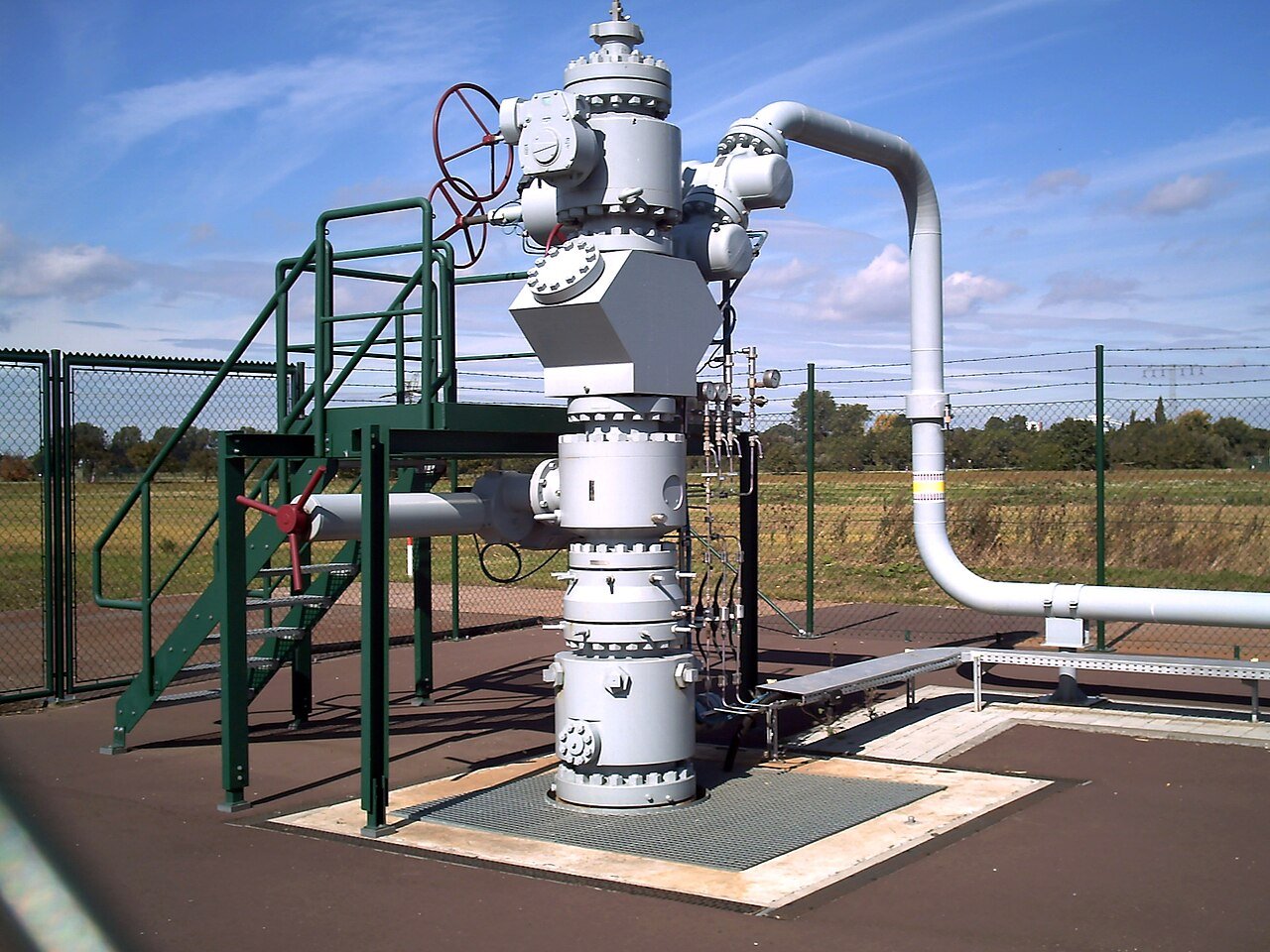
Wellhead equipment leaks — at flanged connections on the casing head, tubing head, Christmas tree body-to-bonnet joints, and wing valve packing — are among the highest-consequence leak scenarios in oil and gas operations. Well control considerations apply: any intervention near wellhead equipment must be consistent with the well’s well control status and risk profile. Wellhead flange leak sealing requires clamps engineered to API 6A pressure ratings (up to 20,000 psi / 1,380 bar for some deepwater applications) and sealants compatible with the wellbore fluid composition.
High-Pressure Steam Leak Sealing
HP steam systems in power plants (main steam, hot reheat, cold reheat) operate at conditions that combine high pressure with high temperature — typically 150–250 bar and 540–600°C for advanced supercritical plants. These conditions define the extreme end of the envelope for sealant thermal performance. Sipinus uses specialist high-temperature, high-pressure sealant compounds for these applications — compounds whose performance at these combined conditions is confirmed by testing and field experience. Safety considerations for HP steam work include: steam jet forces and thermal burn risk; the extended time for steam to cool to safe handling temperature if work must be stopped; and the large stored energy inventory that makes rapid escalation possible if the leak worsens during intervention.
Compressor Discharge Piping
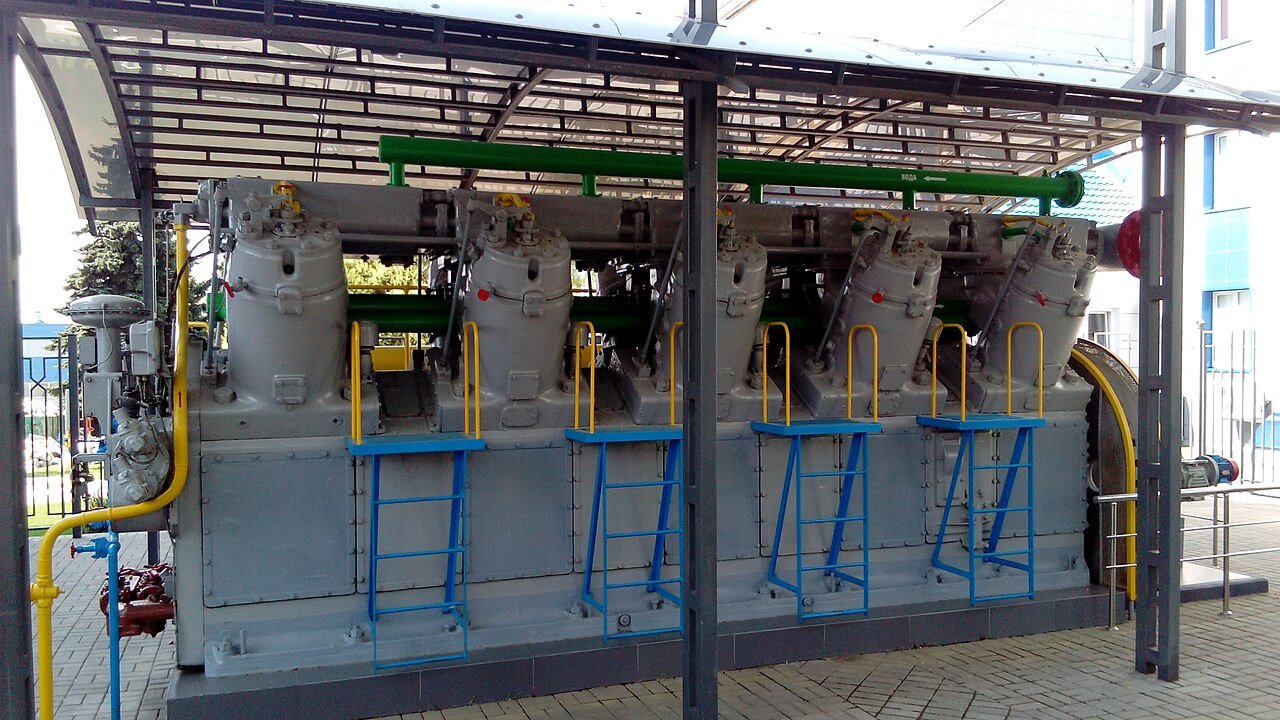
Gas compressor discharge lines combine high pressure with elevated temperature and, for natural gas and hydrocarbon gas services, high flammability risk. Leak sealing on compressor discharge systems requires: sealants rated to the discharge temperature and pressure; anti-static tooling and procedures to prevent ignition of escaping gas; and careful coordination with compressor operations to maintain stable suction and discharge pressures during the sealing intervention. Surge or load swings on the compressor during sealant injection can destabilize the injection pressure, so compressor operating mode may need to be stabilized during the critical injection phase.
Hydraulic System Leak Sealing
Industrial hydraulic systems at 200–700 bar operating pressure present unique leak sealing challenges: the process fluid (hydraulic oil) has high solvent power that can attack many sealant compounds; the operating pressure exceeds the injection capability of standard equipment; and hydraulic system cleanliness requirements mean that any sealant residue entering the system through the sealing operation is unacceptable. High-pressure hydraulic leak sealing uses external clamp designs that never introduce sealant into the hydraulic fluid stream — all sealant is contained in the annular cavity between the clamp and the pipe/connection OD, with no communication with the internal fluid path.
Sealant Selection for High Pressure Applications
Sealant selection for high pressure leak sealing is a critical engineering decision that determines whether the solution holds or fails under operating conditions. Key selection parameters:
- Working pressure rating: The sealant data sheet must confirm the compound’s pressure resistance at the operating temperature. Many general-purpose sealants are rated to 100–150 bar — insufficient for high-pressure applications. HP sealants are rated to 300–700 bar.
- Viscosity and injectability: At high injection pressures, sealant must be injectable through small-bore injection fittings without requiring impractical pump pressures. Sealant rheology is engineered for each application range.
- Cure mechanism: Ambient-cure sealants that develop strength under operating temperature conditions are preferred for emergency applications. Heat-cure systems require external heating during or after injection — practical in some applications, impractical in others.
- Fluid compatibility: Hydrocarbon resistance, steam resistance, sour service compatibility, or chemical resistance as required by the process fluid. No compromise on compatibility — an incompatible sealant that dissolves or softens in the process fluid will fail, creating a worse leak than the original.
Safety Management for High Pressure Leak Sealing
The stored energy in a high-pressure system makes safety management for high pressure leak sealing more demanding than for lower-pressure applications. Sipinus’s high pressure leak sealing safety protocol includes:
- Exclusion zone establishment: The area downrange of the leak jet is cleared and barricaded before any work begins. For high-pressure gas or HP steam, exclusion zones may extend 10–30 meters in the jet direction.
- PPE for energy level: Full face shield, high-impact-rated gloves, and additional body protection beyond standard PPE for work in proximity to high-pressure jets of hazardous fluids.
- Leak capture equipment: Purpose-designed shrouding and capture equipment to redirect the leak jet during clamp installation, protecting technicians from direct jet exposure.
- Two-person minimum: All high-pressure leak sealing work is performed by a minimum two-person team — one performing the physical work, one monitoring and ready to immediately retreat if the leak escalates.
- Escalation plan: A defined, briefed plan for immediate response if the leak worsens during intervention — including emergency isolation options, assembly points, and emergency services notification.
- Real-time pressure monitoring: Operating pressure is monitored continuously during intervention. Any unexpected pressure change — rise or fall — triggers work suspension and reassessment.
Standards and Codes for High Pressure Leak Sealing
High pressure leak sealing clamps are designed and fabricated to the applicable pressure vessel or piping code:
- ASME PCC-2: Primary code reference for pressure equipment repair including leak sealing clamps. Article 2.1 provides design requirements for injection clamps.
- ASME VIII Div 1/Div 2: Pressure vessel design code referenced for high-pressure clamp body stress analysis
- ASME B31.3: Process piping code governing high-pressure piping systems in refineries and petrochemical plants
- API 6A: Wellhead and Christmas tree equipment standard, referenced for wellhead leak sealing clamp design at API pressure ratings
- NORSOK P-112: Norwegian offshore standard for leak sealing clamp design and installation, widely referenced for offshore high-pressure applications
For leak sealing in Indonesia’s oil and gas sector specifically, read our guide on emergency leak repair for oil and gas Indonesia. For pipeline-specific high-pressure applications, read our guide on pipeline emergency leak repair.
Frequently Asked Questions about High Pressure Leak Sealing Solutions
What is the maximum pressure that can be sealed online?
Sipinus has engineered and executed high pressure leak sealing solutions at pressures exceeding 500 bar. The engineering limit is determined by the specific application geometry, available access, and sealant performance data — not by a universal cap. Each application is assessed on its specific merits. Contact Sipinus with your operating pressure, temperature, pipe/connection specification, and fluid type for an application-specific capability assessment.
Is there a minimum pipe size or connection size for high pressure sealing?
The smallest practical application is approximately 1/2″ (DN15) small-bore connections. Below this, the physical space for clamp installation and sealant injection becomes very constrained. Most high-pressure leak sealing work is on connections NPS 1″ (DN25) and above. Large-bore high-pressure applications — up to 24″+ on wellhead manifolds, high-pressure separators, and compressor discharge headers — are within Sipinus’s capability.
How is the clamp verified before use on a high-pressure application?
Every high-pressure clamp is pressure tested before deployment. The assembled clamp (without sealant) is hydrostatically tested at a defined test pressure — typically 1.5× the design pressure per ASME code requirements — to confirm structural integrity before it is installed on the live system. Test certificates are provided as part of the engineering data pack.
High Pressure Leak Sealing in Indonesian Oil and Gas Context
Wellhead Applications in Indonesia
Indonesia’s producing oil and gas fields span a wide range of reservoir pressures — from the relatively modest pressures of mature Sumatra fields to the high-pressure gas reservoirs of the Natuna block and the deep offshore plays in the Makassar Strait and Andaman Sea. Wellhead equipment in high-pressure gas fields routinely operates at 200–500 bar, requiring the full high-pressure engineering capability described in this guide. The consequence of an inadequate repair on wellhead equipment — a failed clamp at full wellhead pressure — is a blowout-class event. There is no tolerance for engineering shortcuts in wellhead leak sealing, and Sipinus applies the full rigor of ASME PCC-2 and API 6A engineering to every wellhead application.
High-Pressure Refinery Applications
Indonesia’s refineries — Balikpapan, Cilacap, Balongan, Dumai, and Plaju — operate high-pressure process units where leak sealing at ASME Class 1500 and 2500 ratings is required. Hydrotreater and hydrocracker reactors, hydrogen recycle compressor systems, and high-pressure separator circuits all operate in the 100–200 bar range. These units are the highest-value process trains in the refinery — unplanned shutdown of a hydrotreater to fix a flange leak can cost tens of millions of USD in lost product margin and reactor restart costs. Online high-pressure sealing is the only operationally viable response for most leak events on these units during normal operations.
LNG Plant High-Pressure Systems
The Bontang LNG complex in East Kalimantan — historically one of the world’s largest LNG facilities — operates high-pressure refrigeration compressor circuits, high-pressure gas feed systems, and liquefaction heat exchanger connections at combined high pressure and cryogenic temperature conditions. This combination of high pressure and low temperature defines the most demanding envelope for emergency leak sealing, requiring both HP-rated clamp structures and cryogenic-compatible sealant systems. Sipinus maintains capability for this combined extreme service, with sealant compounds validated for cryogenic performance and clamp designs rated to the liquefaction unit pressure class.
Selecting the Right Provider for High Pressure Leak Sealing
The stakes of a failed high-pressure leak sealing intervention are uniquely severe — a clamp failure at 300+ bar on a hydrocarbon system is a catastrophic event. Evaluating a potential provider for high-pressure applications requires verification of:
- Engineering qualification: A licensed mechanical engineer must sign off on every high-pressure clamp design. Ask to see sample calculation packages and confirm the engineer’s qualifications and registration status.
- Hydrostatic test records: Every high-pressure clamp should be hydrostatically tested before deployment. Ask for the test certificate and confirm the test pressure was at least 1.5× design pressure per applicable code.
- Sealant performance data: Request the technical data sheet for the sealant proposed for your application. Confirm the pressure and temperature ratings, fluid compatibility, and cure characteristics are suitable for your operating conditions.
- Injection equipment capability: Confirm the provider’s injection pump can deliver the pressure required for your operating pressure plus margin. A provider whose equipment maxes out at 150 bar cannot safely execute a job on a 200 bar system.
- Safety management: Request the provider’s risk assessment and method statement for a sample high-pressure job. Evaluate whether the safety protocol is genuinely adequate for the hazard level.
For broader guidance on leak sealing service selection in Indonesia, read our guide on online leak sealing services in Indonesia. For the financial case supporting investment in qualified high-pressure sealing capability, read our analysis of emergency leak repair cost and downtime reduction.
Related Articles: Emergency Leak Online Sealing | Emergency Leak Online Repair Solution | Valve Online Leak Sealing | Flange Leak Online Sealing | Pipeline Emergency Leak Repair