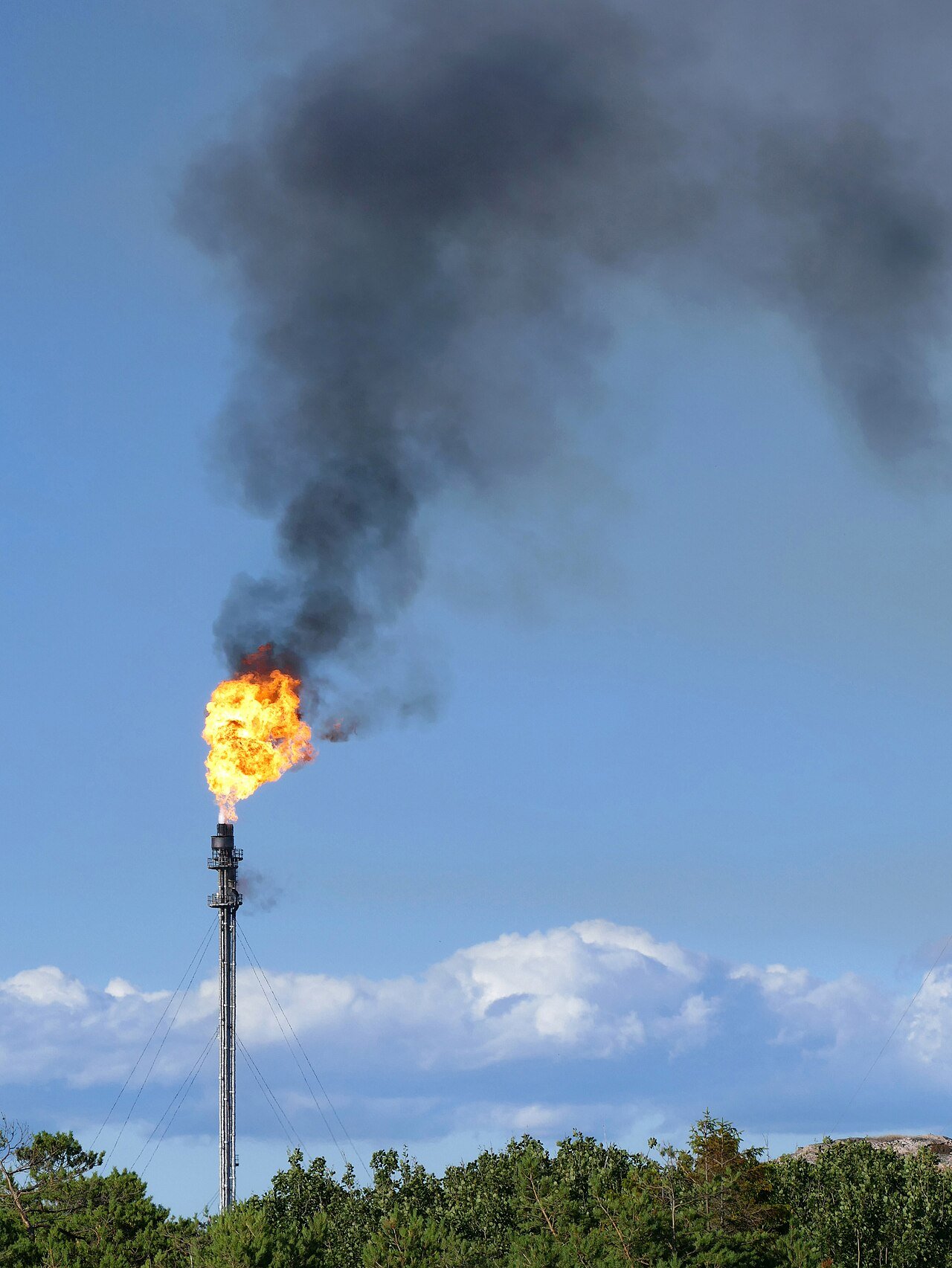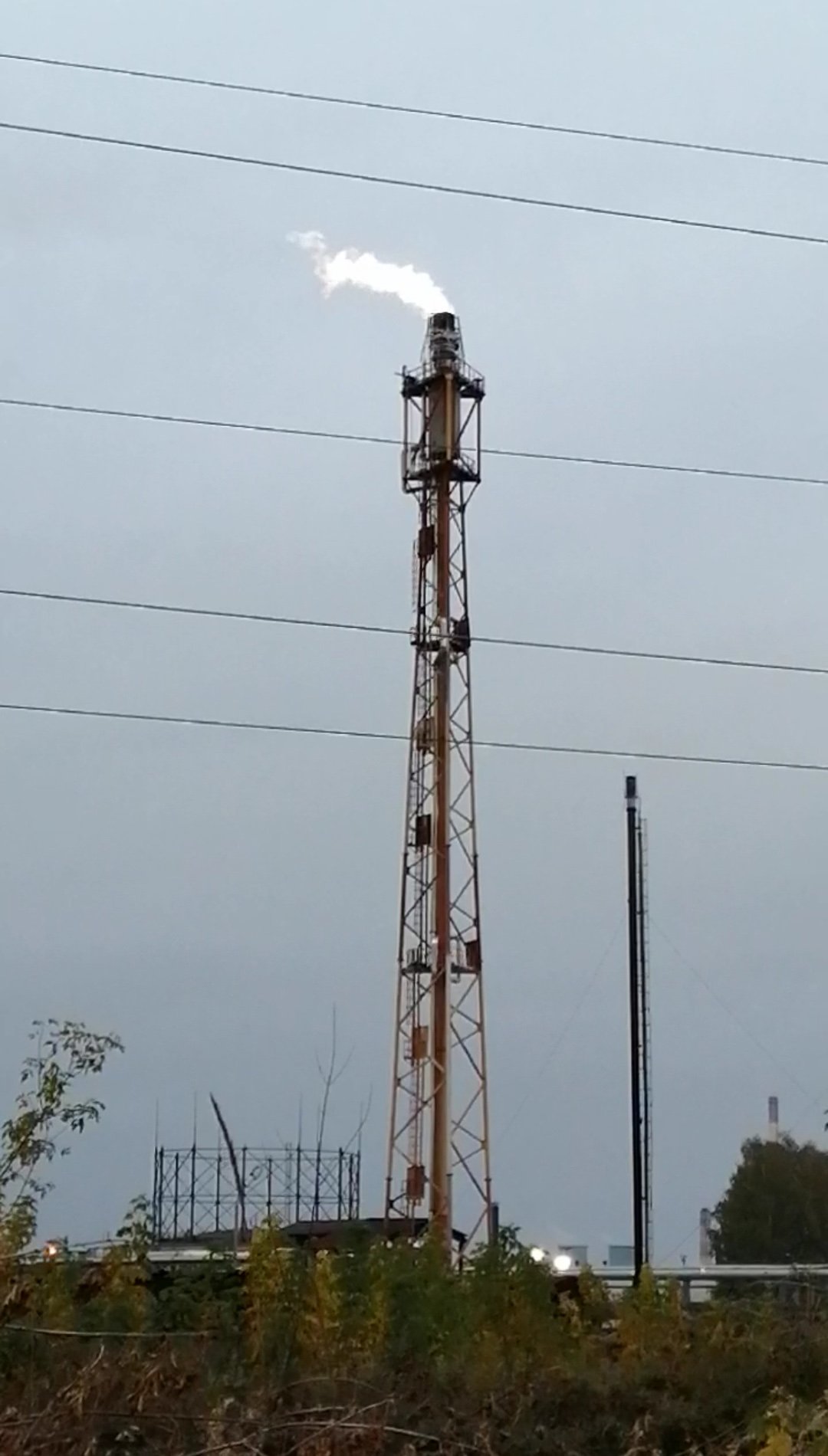
An emergency leak online sealing Kalimantan assignment is a logistics problem wearing an engineering hat: the sealing technique is usually straightforward, but getting the right crew, sealant and enclosure to a remote site in East Kalimantan or South Kalimantan within a working window is what determines whether the plant stays online. Live leak repair on pressurised systems without shutdown is standard practice — delivering it 400 km up a logging road or across a river is not.
This guide is for maintenance managers, plant engineers and procurement teams running oil and gas facilities, mining operations, LNG-adjacent plants, palm oil mills and power plants across Kalimantan. It covers mobilisation modes and their real timing, why pre-positioned sealant and clamp stock is non-negotiable, how weather and tides dictate the schedule, and what documentation a remote repair must carry.
What Is Emergency Leak Online Sealing in a Remote Context?
Online sealing is the repair of a leak on an in-service pressurised system — pipe, flange, valve, expansion joint or vessel nozzle — by installing an engineered enclosure and injecting sealant into the cavity, all while the fluid continues to flow at operating pressure and temperature. In a remote context, the definition gains a second half: the same repair must be delivered with equipment that fits the transport mode, with a crew that can work self-sufficiently for days, and with no assumption that a missing fitting can be sourced overnight.
That second half is where most remote jobs succeed or fail. According to online leak sealing services in Indonesia mobilisation practice, roughly the same engineering effort goes into a Balikpapan refinery leak and a site three hours inland by logging road — but the planning effort differs by an order of magnitude. The underlying technique is described in our guide to emergency leak online sealing, and it does not change with geography.
Why Kalimantan’s Industrial Map Changes the Repair Plan
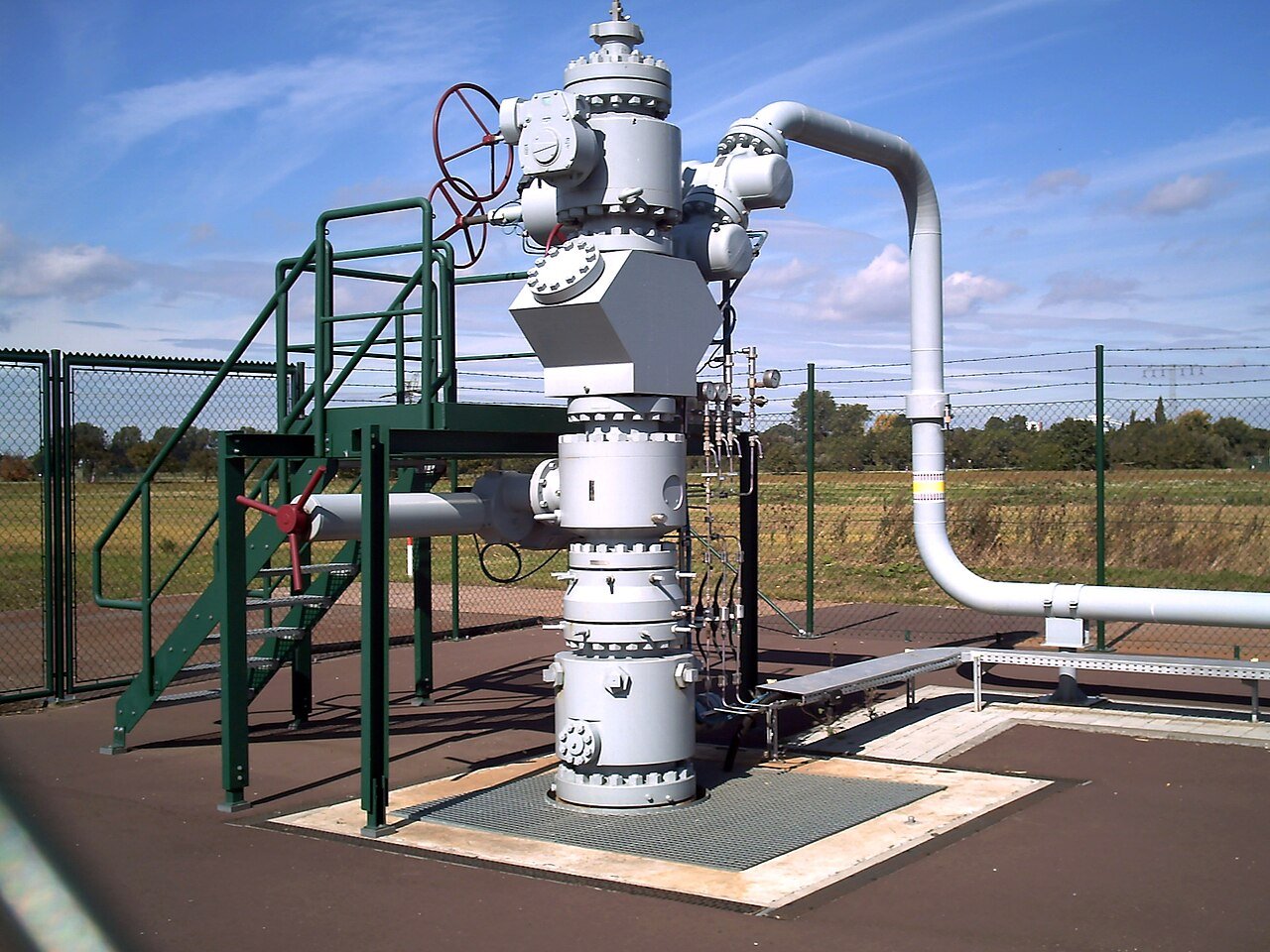
Kalimantan hosts a dense and geographically scattered industrial base. The Mahakam delta and East Kalimantan remain the country’s mature oil and gas heartland, with producing fields, gathering and compressor stations, and trunklines running through swamp, jungle and river crossings. South Kalimantan adds coal mining, coal handling and barging infrastructure. Around Bontang sits large-scale gas processing and LNG-adjacent industry, and Balikpapan carries the refinery and product terminal complex serving the whole island.
- Long internal distances. A single province can be larger than Java, and the road network does not follow the shortest line between two points.
- River and coastal access. Many facilities sit on rivers, estuaries or the coast precisely because that was the cheapest way to move heavy equipment in — which means barges are often the only practical heavy-lift route.
- Limited heavy fabrication locally. A bespoke enclosure may have to be fabricated in Java or Balikpapan and then shipped, adding days before the sealing crew can even start.
- Weather that closes access. Monsoon rainfall, river siltation, tidal windows and cloud cover on heli routes all create no-go periods that cannot be argued with.
- Thin contractor density. The pool of crews competent in live leak sealing on sour hydrocarbon service is small on the island, so response almost always involves a mobilisation from Balikpapan or from Java. The national picture, including how Java-based crews are staged into the outer islands, is set out in our emergency leak online repair solution for Indonesia coverage guide.
Under the upstream/downstream regulatory split in Indonesia, oil and gas facilities in Kalimantan operate under the supervision of SKK Migas for upstream activities and the downstream regulator for processing and transport assets, with technical requirements set by KESDM. The International Association of Oil & Gas Producers publishes management guidance that underpins most operators’ permit-to-work frameworks. That split affects which permits, notifications and inspection records a repair must carry — a detail worth confirming before mobilisation rather than after.
The Mobilisation Equation: Road, River, Air
There is no single “fastest” route to a Kalimantan site. The correct mode depends on weight, volume, urgency and the last 50 kilometres. The table below is the decision framework we use when planning a live leak repair in the region; timings are typical industry ranges, not guarantees.
| Mode | Best for | Main constraints | Typical timing from Balikpapan |
|---|---|---|---|
| Road (4×4 / light truck) | Crew, hand tools, sealant cartridges, clamps under ~200 kg | Road condition, axle load limits, landslide and flooding closures, no night travel on some haul roads | 4–12 h to nearby sites, 1–3 days to interior locations |
| River barge / landing craft | Clamp assemblies, injection equipment, gas bottles, generators, heavy tooling | Tidal windows, river depth and siltation, loading ramps, weather at river mouth | 1–3 days plus loading |
| Helicopter | Small crew, urgent critical spares, personnel when roads are cut | Payload and sling limits, weather and visibility minima, landing site approval, daylight-only at most locations | 1–4 h flight plus staging |
| Commercial flight + road | Crew rotation, sealant, instruments, documents | Flight schedules and baggage limits, onward road transfer still required | Same day to Balikpapan, plus onward transfer |
| Sea freight / container | Pre-positioned stock replenishment, fabricated enclosures | Sailing schedules, port congestion, customs and documentation | Days to weeks |
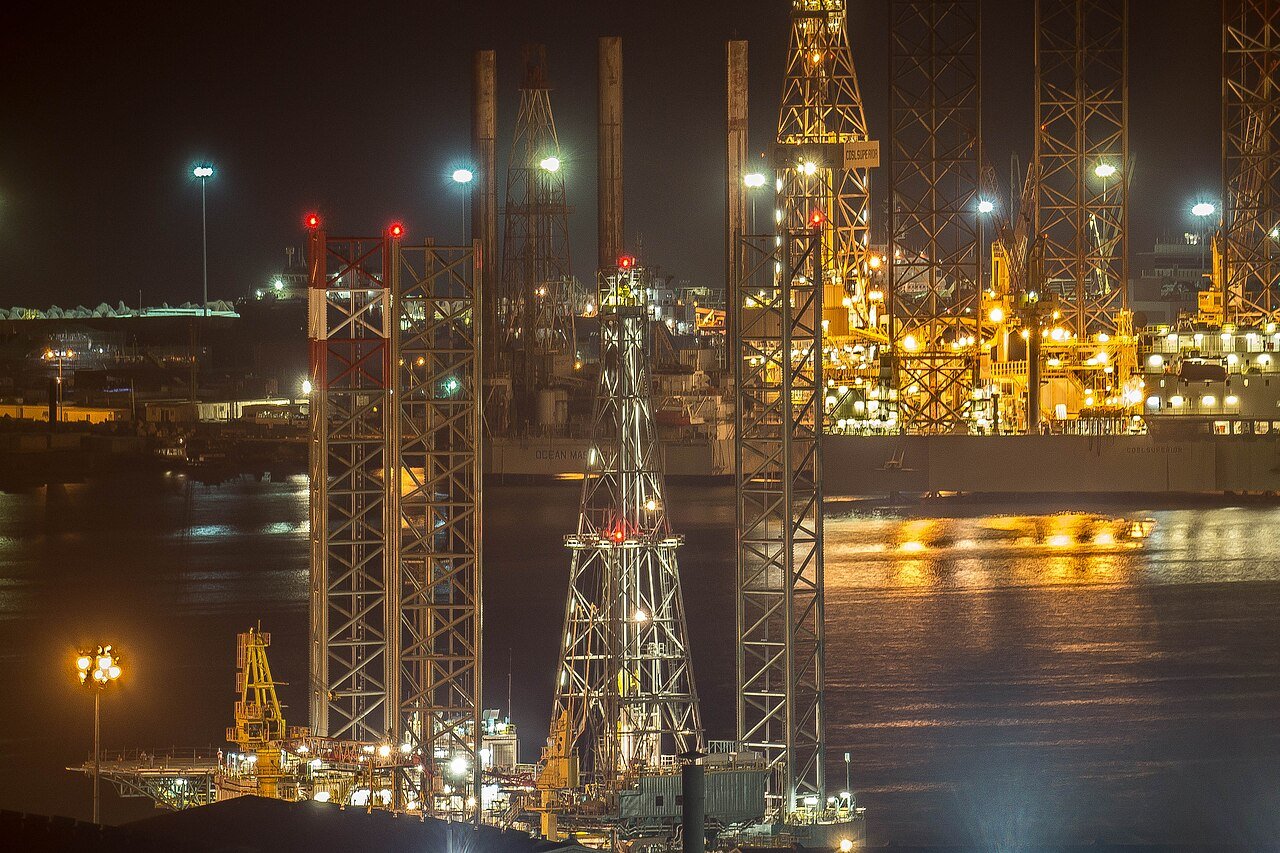
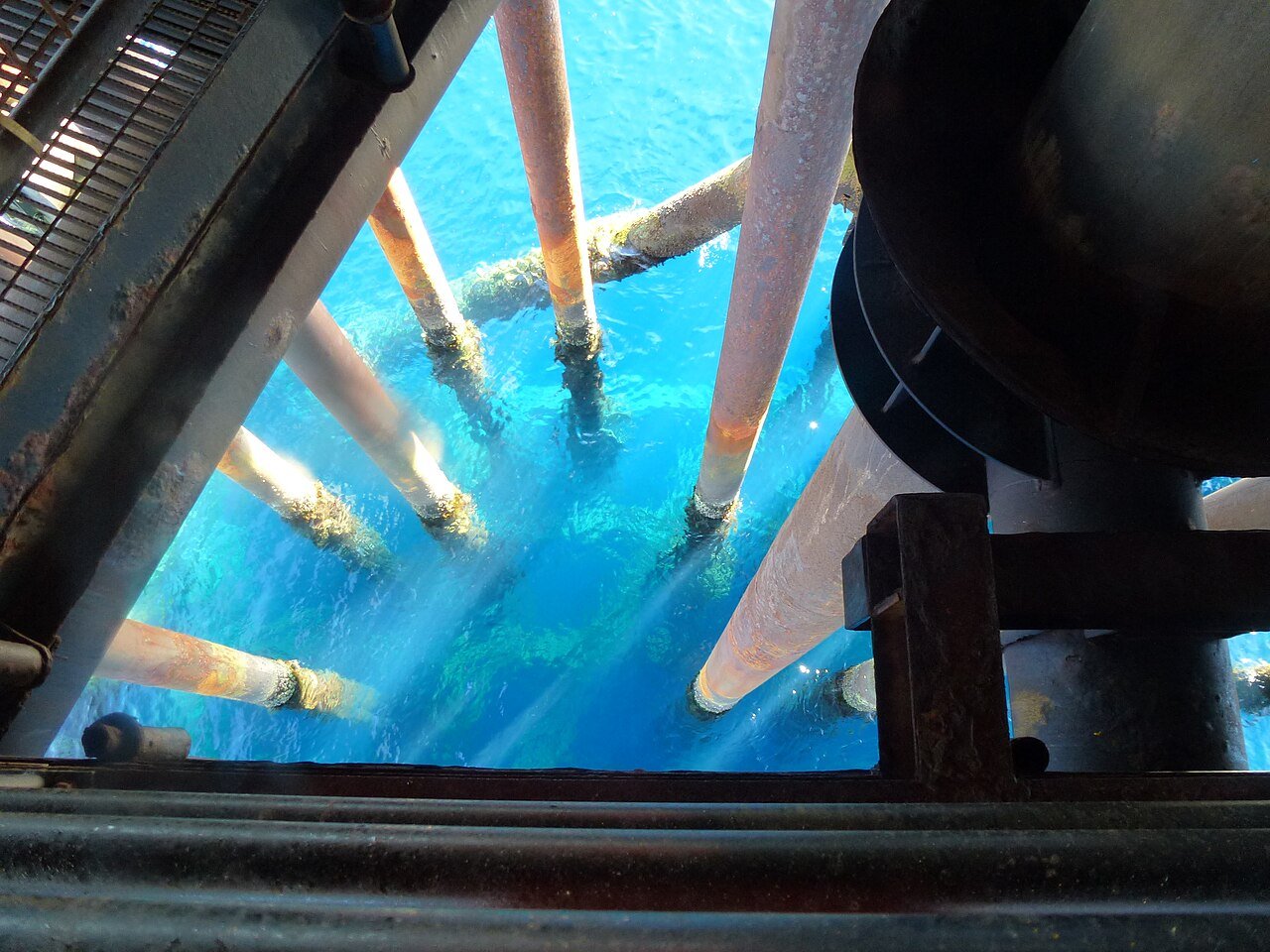
Ports, jetties and drydocks are the heavy-equipment gateway for most Kalimantan sites — barges carry the clamp assemblies and injection gear that cannot fly.
Balikpapan as the Regional Logistics Hub
Balikpapan functions as the practical staging point for most live leak repair work in East Kalimantan and a large part of South and North Kalimantan. It offers an airport with frequent connections to Jakarta and Surabaya, port and jetty infrastructure, machine shops capable of turning and welding enclosure components, sealant and consumable suppliers, and a concentration of experienced oil and gas technicians. The refinery and product terminal complex operated by Pertamina anchors that supply chain, along with the fabrication and inspection businesses that grew around it.
The planning consequence is simple: the realistic clock does not start when the leak is discovered, it starts when the crew and kit are confirmed at Balikpapan. A sealing team mobilised from Java needs a commercial flight, a transit, and a second leg by road, barge or helicopter. Building that sequence into the response plan — rather than improvising it during an incident — is the single biggest lever on total downtime. Sites that treat this seriously typically hold a standby arrangement that includes pre-agreed mobilisation terms, and the service profile for sour hydrocarbon and gas plant work is set out in our overview of emergency leak repair for oil and gas in Indonesia.
The Pre-Positioning Rule: Stock You Must Hold On Site
Remote sites cannot rely on overnight delivery, because there is no overnight delivery. A leaking flange at 02:00 on a site six hours from the nearest industrial supplier is a multi-day event if the required sealant grade is not already in the store. The practical rule is that every remote facility should hold a minimum live-leak response kit on site, sized to the assets it operates.
- Sealant in multiple grades — general purpose, high-temperature and chemical-resistant, in sealed cartridges with visible expiry dates, stored within the manufacturer’s temperature range.
- Injection equipment — guns, hoses, fittings, pressure gauges and a spare set of the small parts that always go missing.
- Standard clamps and boxes for the most common line sizes and flange ratings on site, plus consumable sealing elements for each.
- Composite repair materials for wall-thinning defects, with the surface preparation and curing consumables needed to apply them correctly under ISO 24817 principles.
- Hand tools and torque equipment matched to the flange bolting actually installed, including the odd sizes that are easy to forget.
- Documentation — clamp drawings, sealant data sheets, the site leak register, and the pre-agreed maximum injection pressure for each system.
Stock is only useful if it is usable. Rotate sealant before expiry, verify that gauges are within calibration, and run one drill a year where the crew actually opens the kit and installs a clamp on a spool piece. A store full of expired cartridges and seized fittings looks like readiness on an audit and behaves like nothing on the night of the leak. Our pipeline emergency leak repair lists the minimum kit contents in a printable form.
Weather, Tides and the Real Work Window
In Kalimantan, the schedule is written by water and wind. Plan the work window around these constraints and the repair proceeds; ignore them and the crew sits in a mess hall for three days.
- Monsoon rainfall typically intensifies between November and March, affecting haul road condition, helicopter availability and river levels. Local patterns vary widely, so use site records rather than a provincial average.
- Tides control barge loading and unloading at river jetties. A missing tidal window can cost 12 hours before the first tool is unloaded.
- River depth and siltation determine whether a landing craft can reach a jetty at all in a dry spell, particularly on smaller tributaries.
- Visibility governs helicopter operations; cloud on the interior hills routinely closes routes that are clear at the coast.
- Heat and humidity limit technician productivity and change sealant handling — pot life and cure behaviour respond to ambient temperature.
- Night work on live hydrocarbon systems should be restricted to essential steps, and requires lighting planned before dark, not improvised with vehicle headlights.
Site-Specific Technical Challenges on the Island
Sour service, ageing infrastructure and swamp crossings
A significant share of Kalimantan production is sour, with H₂S present in the fluid. This matters for online sealing in three ways. Material selection for clamps, bolts and enclosures must satisfy NACE MR0175 / ISO 15156 rather than inheriting the pipe specification by convenience. The hazard profile of the work changes, requiring continuous gas monitoring and a defined escape and rescue plan. And sealant chemistry must be verified as compatible with the service rather than assumed from a general-purpose grade.
Ageing flowlines are the second theme. Many lines in the region have been in service for decades, with supports corroded, coatings degraded and wall thickness in places undocumented. Before sealing, the question “is the boundary still structural?” must be answered with actual readings wherever possible, not with the original design thickness. If the wall is compromised over a length, a clamp relocates the failure rather than removing it.
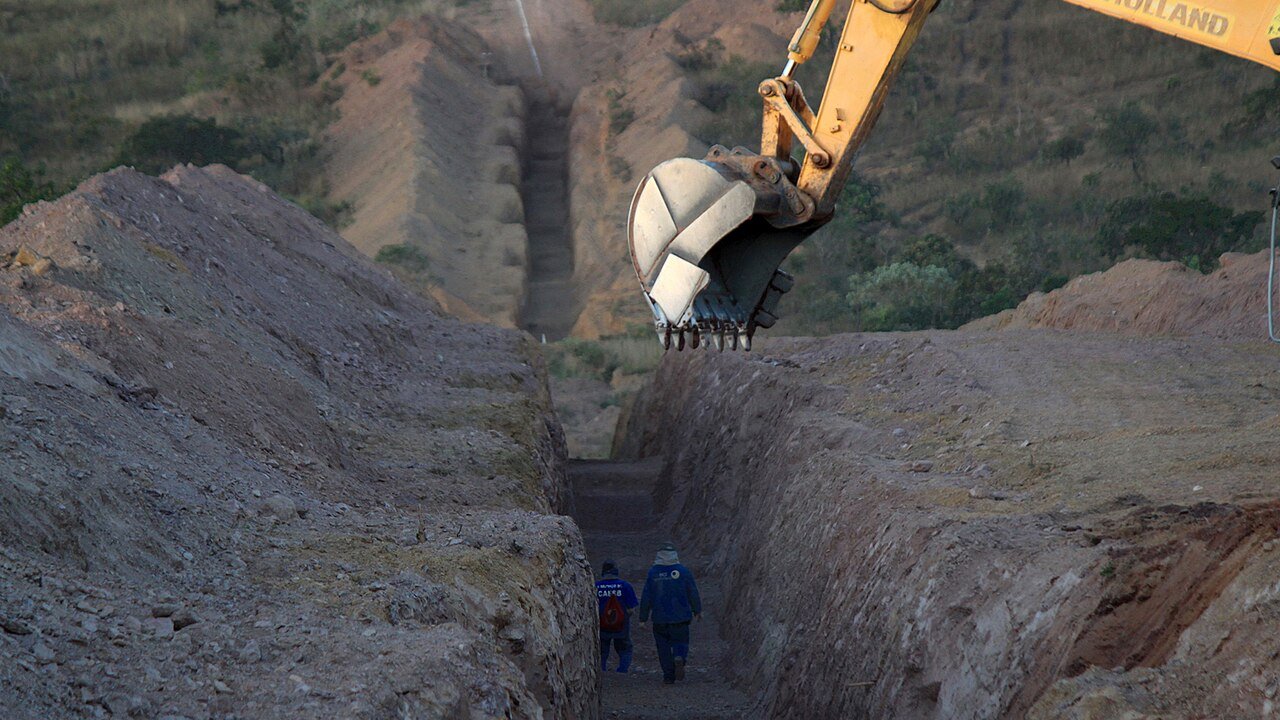
Swamp and river crossings present the third theme. A leak at a crossing point may have no road access, require a work platform above water, and demand that everything — clamp, tools, generator, gas bottles — be moved by boat. The engineering is unchanged; the access engineering dominates the job.

Mining and heavy industry in interior Kalimantan share the same constraint: the nearest specialist workshop is many hours away, so response kits must already be on site.
What a Kalimantan Repair Costs in Time
Downtime is rarely the sealing operation itself. On a well-prepared remote job, on-site sealing work is commonly measured in hours; the elapsed time from discovery to production restored is dominated by mobilisation, access logistics and permitting. The table below shows where the hours actually go on a typical remote response.
| Phase | Typical duration | Dominated by | How to compress it |
|---|---|---|---|
| Detection and triage | 0.5–2 h | Gas monitoring, hazard classification, data capture | Pre-written checklist, trained shift team |
| Technical screening and enclosure selection | 2–6 h | Accuracy of the data pack sent to the contractor | Standard data template held on site, photographs ready |
| Mobilisation to Balikpapan | 6–24 h | Flight availability, crew call-out, kit staging | Standby agreement with pre-agreed call-out terms |
| Onward transport to site | 4 h–3 days | Mode chosen, weather, tides, road condition | Pre-planned access route per site, permits pre-cleared |
| Site induction and permit to work | 2–8 h | HSE onboarding, JSA approval, gas test clearance | Pre-registered contractor personnel |
| Sealing execution | 3–12 h | Leak geometry, pressure, access, hold period | Correct clamp and sealant on site first time |
| Verification and documentation | 2–6 h | Hold period, detector checks, records | Verification checklist prepared in advance |
Read the table the right way round: the two largest blocks — mobilisation and onward transport — are almost entirely predictable. They can be planned, contracted and rehearsed before any leak exists, and compressing them is worth far more than shaving an hour off the injection process. Where a unit is already losing money every hour, the arithmetic is set out in our breakdown of emergency leak repair cost and downtime reduction.
Safety and Regulatory Obligations
Remote does not mean relaxed. The regulatory framework that applies on Java applies in Kalimantan: work permits, hazard identification and risk assessment, gas testing, competent supervision and documented procedures. In upstream oil and gas, the work falls within the oversight of SKK Migas and the technical requirements of the Ministry of Energy and Mineral Resources (KESDM); downstream processing and transport assets are supervised through Ditjen Migas under the same ministry. In mining environments, the site’s own major hazard and emergency management systems govern regardless of nationality of the contractor.
Practical obligations that frequently catch out remote projects:
- Personnel competency evidence — certification, medical fitness, and site-specific inductions completed before travel, not on arrival.
- Equipment certification — lifting gear, pressure gauges and electrical equipment current and traceable.
- Emergency response arrangements — a realistic medical evacuation plan, with an identified route and a hospital capable of the required level of care. A medevac plan that assumes a helicopter on standby in clear weather is not a plan.
- Environmental controls — containment for sealant and cleaning waste, since remote sites often have no licensed waste route nearby.
- Change control — any deviation from the procedure agreed during screening must go back through the process engineer, especially any change to maximum injection pressure.
Choosing a Kalimantan-Capable Partner
- Where is the crew based? A team that can stage from Balikpapan will beat a team that must fly from Java, every time.
- What is the actual mobilisation commitment? Ask for a written call-out window and the conditions that void it.
- Can they fabricate locally? Access to machine shops in Balikpapan or Samarinda shortens bespoke enclosure lead times dramatically.
- Do they hold sealant in stock at both ends? A hub store plus site stock is the difference between hours and days.
- Have they worked your service? Sour hydrocarbon, high-pressure gas and steam each require different materials and different discipline.
- Do they document? Enclosure drawings, sealant batch records, injection pressure logs and verification evidence should be standard deliverables, not favours. Clamp and injection design should be traceable to ASME B31.3 Process Piping and ASME PCC-2, and any composite wrap to ISO 24817. Where personnel work at height over a river crossing, fall protection practice follows OSHA-equivalent requirements.
For comparison, the scope of a JMA-mandated insurance-grade repair document set is described in our article on contact the Kalimantan response desk, which is directly relevant when a remote asset must justify a standby contract to an asset owner or insurer.
Key Takeaways
- In Kalimantan the engineering is rarely the bottleneck; mobilisation and access are.
- Road, river, air and sea each have a place — choose the mode by weight and by the last 50 km, not by habit.
- Balance the isolation option against the sealing option; if isolation is physically and schedule-feasible, a permanent repair is usually better than a temporary seal.
- Pre-position sealant, standard clamps, injection equipment and documentation on site, and rotate it before expiry.
- Plan the work window around monsoon rainfall and tidal windows before committing the crew.
- Confirm competency evidence, permits and the maximum injection pressure in writing before injection starts.
- Stage from Balikpapan where possible and hold a written call-out agreement to compress the largest time blocks.
FAQ: Emergency Leak Online Sealing Kalimantan
How fast can a live leak repair crew reach a remote Kalimantan site?
For sites reachable by road from Balikpapan, a staged crew commonly arrives within 4 to 12 hours of call-out. Interior locations using river or air transport typically take 1 to 3 days, driven by weather, tide and landing availability. The single largest reduction comes from having a standby agreement with pre-agreed mobilisation terms.
Is online sealing cheaper than shutting down the plant?
Usually yes, but not always. Where isolation is possible within a few hours and production loss is modest, an orderly shutdown and a permanent weld repair is the better engineering decision. Online sealing wins when isolation is impossible, the unit is on a critical supply commitment, or the fluid cannot be safely drained or flared.
What should a remote site keep in stock for leak emergencies?
Multiple sealant grades with visible expiry dates, injection guns and spare fittings, standard clamps for the site’s common line sizes and flange ratings, composite repair materials, matched hand and torque tools, and the documentation set including clamp drawings, sealant data sheets and pre-agreed maximum injection pressures.
Can leaks be sealed on sour service lines in Kalimantan?
Yes, provided material selection complies with NACE MR0175 / ISO 15156, sealant chemistry is verified for the service, and continuous gas monitoring with a defined escape and rescue plan is in place. Sour service raises the hazard profile rather than removing the option, and the maximum injection pressure must still be agreed with the process engineer.
What documentation should come out of a remote repair?
A repair report with enclosure drawings or references, sealant type and batch, injection pressure log including the agreed maximum, verification results and photographs, plus the updated piping line history and a scheduled wall thickness survey at the repaired location. Remote repairs need the paperwork more, not less, because reinspection is expensive.
Leak still running and the plant is on limited time? Our response desk is staffed around the clock. Message the emergency team on WhatsApp or send a site brief with the line ID, medium, operating pressure and temperature, and we will confirm scope before mobilisation.
Conclusion
Emergency leak online sealing in Kalimantan is a logistics exercise with a technical core. The clamp and sealant work the same way on the Mahakam as they do anywhere else; what changes is that every hour of mobilisation is unrecoverable, every missing fitting costs a day, and the weather holds a veto. Treat the mobilisation plan as an engineering deliverable — mode, route, permits, stock, and a written call-out agreement — and the technical repair becomes the short part of the timeline.
If you operate in East, South or North Kalimantan and want a defensible response plan — pre-agreed mobilisation, a site stock list matched to your assets, and a crew arrangement staged from Balikpapan — the practical next step is a short review of your leak register and access constraints. Our team can map your critical leak points to holdable stock and pair you with pipeline emergency leak repair crews that can actually reach your site, and can pre-negotiate the terms while there is still time to negotiate calmly.