Pipeline hot tapping and line stopping are the two field techniques that let an operator make a new connection to, or isolate a section of, a live pipeline without depressurising, draining or shutting it down. Hot tapping cuts a branch into a pressurised pipe through a sealed valve; line stopping temporarily plugs the bore so downstream work can proceed.
This guide is written for pipeline engineers, integrity teams, maintenance planners and turnaround coordinators working on hydrocarbon, utility and process pipelines in Indonesia. It sets out when each technique applies, the engineering checks that must be signed off before a cutter touches steel, the hazards that make this specialist work, the step sequence a competent crew follows, and the hard limits where the correct answer is no. The governing reference throughout is API 2201 for hot tapping, applied alongside the design codes that cover the specific line.
What Is Pipeline Hot Tapping and Line Stopping?
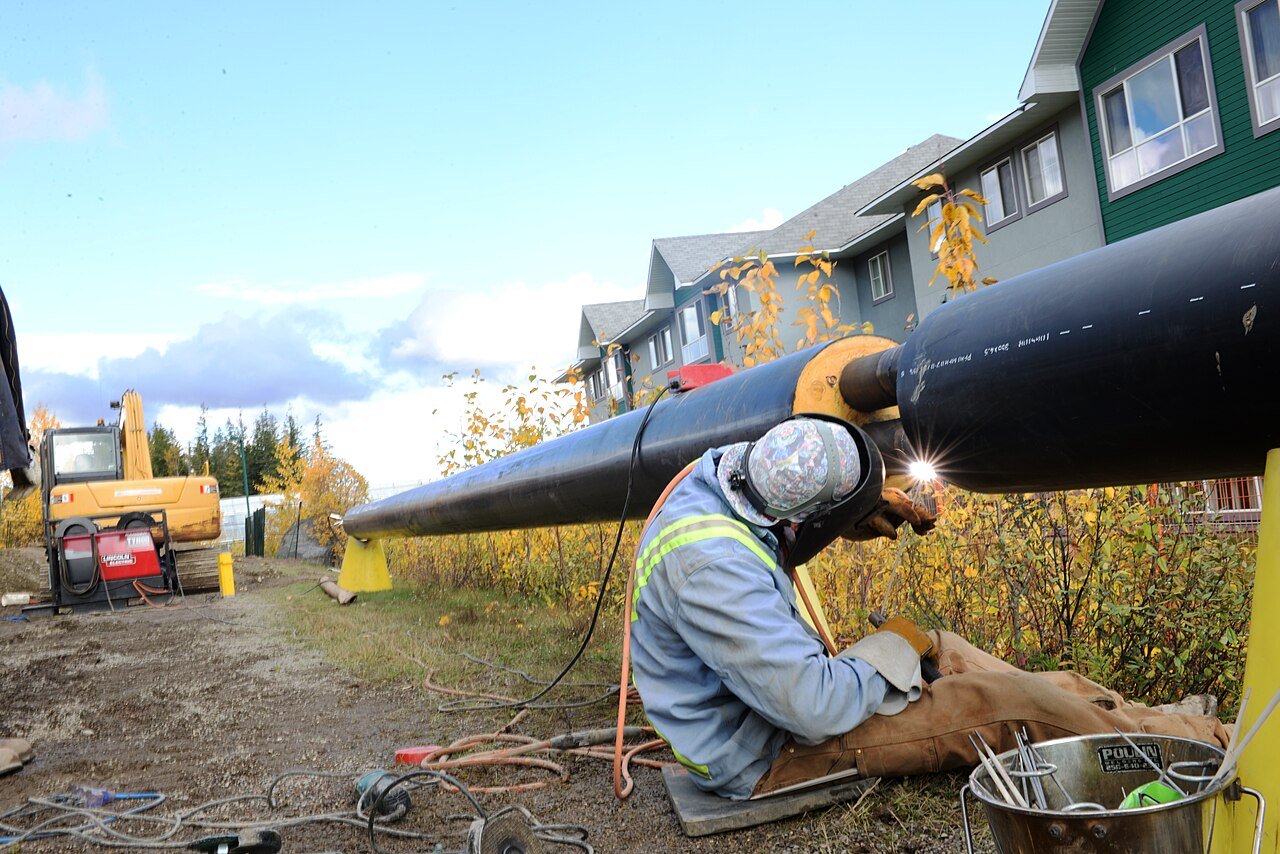
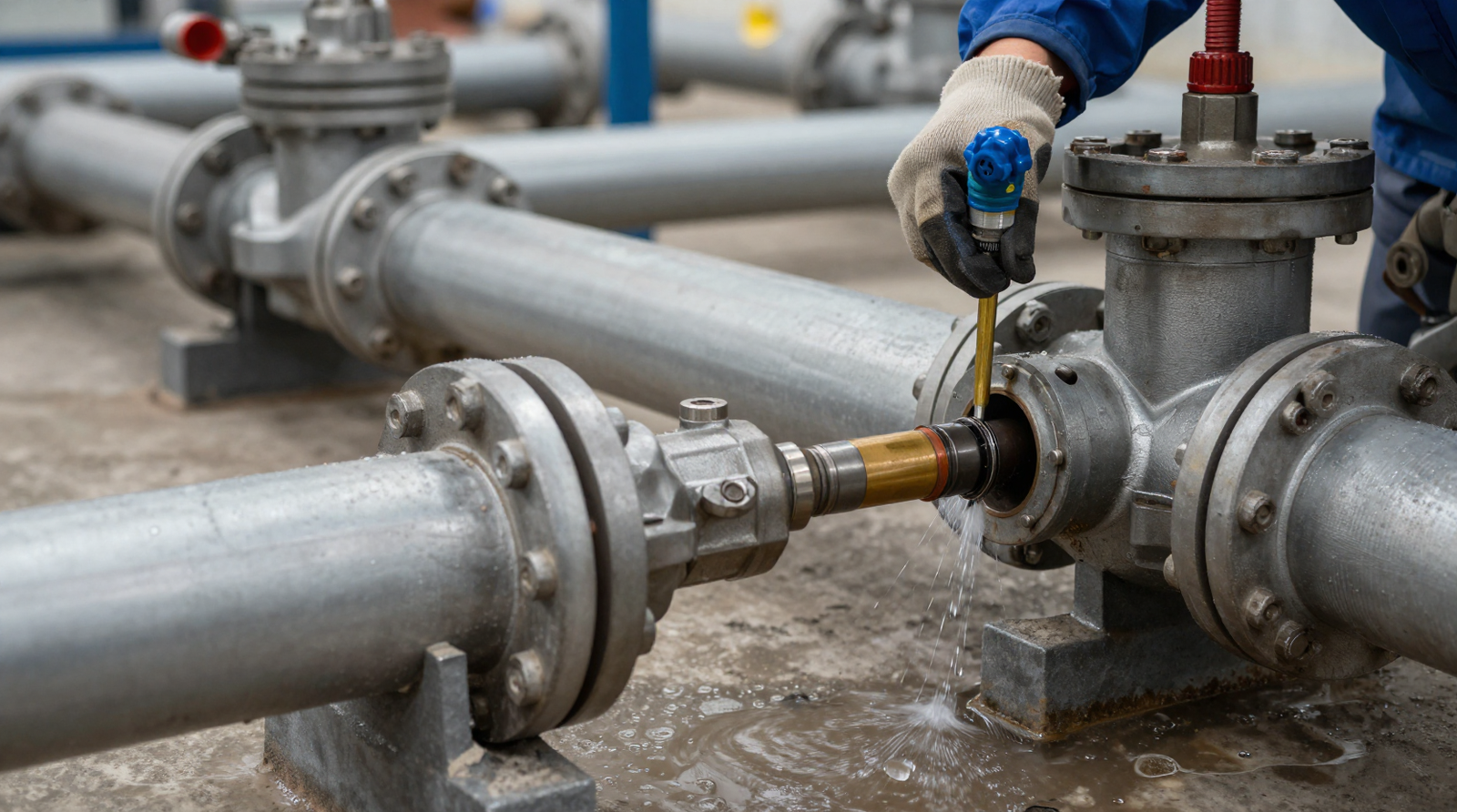
Hot tapping is the process of welding or bolting a branch fitting onto an in-service pipe, fitting a full-bore valve to it, and then cutting a hole through the pipe wall using a machine that never breaks containment. The cutting tool advances inside a sealed housing, so the pressure and the fluid stay inside the pipe while the coupon of wall steel is withdrawn into the machine. Line stopping is the companion technique: a plugging head is inserted through a similar fitting and expanded against the inside of the pipe wall to stop flow at that point, which isolates the section downstream so it can be repaired, replaced or re-routed while the rest of the line keeps running.
The two techniques share the same installation hardware — the fitting, the valve, the sealing housing — which is why they are usually discussed together. Under API 2201, both are treated as engineered operations rather than field improvisations: the fitting is a pressure-containing component, the cut is a controlled machining operation, and the whole job is planned, calculated and documented before the first weld is laid.
When Hot Tapping Is the Right Tool
Hot tapping is chosen when the value of keeping the line in service exceeds the cost and risk of the intervention. In practice that covers a small number of recurring situations.
- New tie-ins and branch connections. Adding a branch to a trunkline, a gathering system or a plant header without shutting the main line down. This is the most common use and the reason the technique exists.
- Replacing a section of pipe. When a corroded or damaged spool must be cut out, hot taps upstream and downstream — followed by line stops — isolate the bad section so the new spool can be welded in.
- Installing instrumentation or sampling points. Pressure taps, corrosion coupons, temperature probes and injection quills are frequently added to a live line rather than waiting for the next turnaround.
- Adding isolation valves. A line that has no isolation valve for kilometres is a line that cannot be maintained; a hot tap lets a valve be inserted into a running system to create a future isolation point.
- Connecting a new well or facility. In upstream and midstream work, new production or a new plant connection is tied into an existing flowing system without losing throughput.
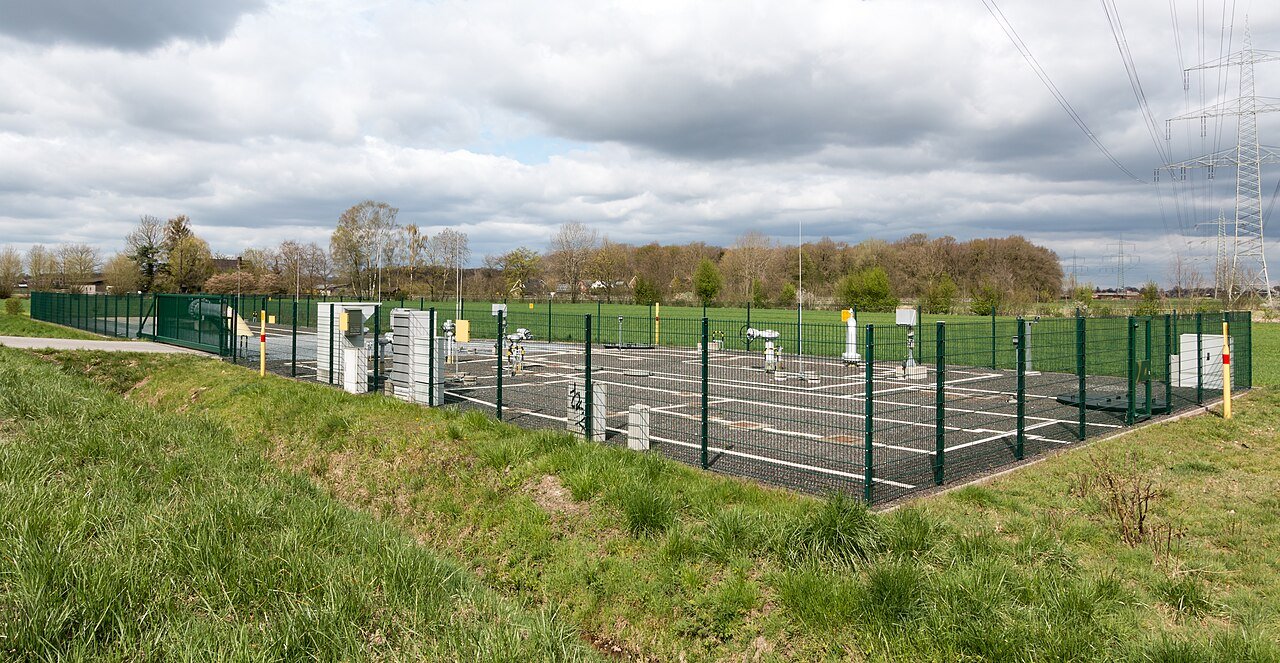
Station piping around launchers, traps and headers is where most hot taps are installed, because that is where new branches and isolation points are actually needed.
What Line Stopping Adds: Temporary Isolation on a Live Line
Hot tapping creates an opening; line stopping uses it. Once the tapping machine has cut the coupon and been retracted, a line stop plugging head can be inserted through the same valve and expanded to seal the bore against the pipe wall. Flow past that point stops, and everything downstream becomes a depressurised work area — without the upstream system ever coming off line.
The distinction matters commercially. A line stop is a temporary isolation device, not a permanent fitting. It is installed for the duration of the work, then retracted and the valve blanked or the branch completed. Where a full stop is required on a large line, two stops may be set — one upstream and one downstream — so the intervening spool can be drained, opened and replaced. A line stop also allows a short section to be isolated for welding a new spool, replacing a valve, or installing a permanent plug. On a pipeline that carries a product which cannot be interrupted, this is often the only way a repair can be scheduled at all.
Engineering Prerequisites: What Must Be True Before a Tap
No competent contractor taps a line on the strength of a verbal description. A defined set of engineering facts must be established, calculated and approved before mobilisation. Under API 2201 the tap is a pressure-containing modification, so the checks below are the minimum, not a wish list.
- Remaining wall thickness. The pipe must be thick enough to weld the fitting to and to carry the hoop stress after the hole is cut. A thickness survey at the exact tap location is mandatory; a nominal schedule value is not acceptable evidence.
- Operating pressure and temperature. The fitting, valve and tapping machine are rated for a maximum working pressure and temperature. The tap is designed against the worst case the line can see, including surge or upset conditions, not just normal steady state.
- Flow rate and velocity. The cutting operation and the plugging head both interact with the moving fluid. High velocity carries the metal coupon and swarf away from the cutter; it also loads the plugging head, which must be rated for the differential it will hold.
- Fluid and service type. Composition, phase, toxicity, flammability and the presence of solids all drive the hazard assessment and the sealant or elastomer selection in the fitting.
- No internal voids. The pipe bore must be free of cavities, internal coatings, liners, or accumulated scale and debris that would prevent the cutter from cutting cleanly or the plug from sealing. A double-wall or lined pipe may be untappable.
- Welding procedure and material compatibility. The parent material must be weldable at the service temperature, and the welding procedure must be qualified for the actual combination of pipe and fitting.
| Situation | Technique | Key requirement |
|---|---|---|
| New branch off a flowing trunkline | Hot tapping | Wall thickness survey at the tap, qualified welding procedure, fitting rated for line pressure and temperature |
| Adding a pressure or sampling point to a live line | Hot tapping | Small-bore fitting rated for the service, cutter sized for the required bore, no internal liner in the way |
| Replacing a corroded spool between two points | Hot tapping plus line stopping | Two taps, two plugs, plug rated for the full differential, downstream section drainable and ventable |
| Inserting a permanent isolation valve into a running line | Hot tapping | Full-bore valve bolted to the fitting, valve seat tested before the coupon is cut |
| Isolating one branch of a manifold without stopping the header | Line stopping | Access fitting on the branch, plug sized to the branch bore, upstream flow steady during setting |
| Connecting a new well or plant to an existing system | Hot tapping | Tie-in location surveyed, flow and pressure modelled, shutdown avoided but isolation available |
The Hazards That Make This a Specialist Job
A hot tap is a planned operation, but it concentrates several serious hazards into a small area at a moment when the line is fully live. The hazards are well understood, which is exactly why they are manageable — provided the crew treats them as real.
- Metal fragments entering the flow. The cut produces a coupon and swarf. If these are not fully retained and withdrawn, they travel downstream and can damage valves, pumps, meters and inline inspection tools. The tapping machine must be designed to capture the coupon, and the flow direction must be known before the cut.
- Heat from the cutting operation. The cutter generates heat at the pipe wall, and the welding of the fitting adds more. On a line carrying a flammable fluid, that heat is a fire and ignition concern, and on a temperature-sensitive product it can degrade the fluid locally. Heat input must be controlled and the operation monitored.
- Loss of wall thickness. The tap removes a full-thickness circle of steel. The fitting restores the strength locally, but the surrounding wall must still be capable of carrying the load. Tapping a thinned pipe is how a routine job becomes a rupture.
- Fire and loss of containment. If a seal fails, or the fitting is welded to a wall too thin to hold, the result is a pressurised release of a flammable fluid with an ignition source — the cutting tool — directly adjacent. The exclusion zone, gas monitoring and fire response must be in place before the cut begins.
- Trapped pressure and stored energy. The plugging head, the tapping machine and the valve body all hold pressure. Any bleed-down, venting or blanking step must be planned so no pocket of trapped pressure is left unmanaged.
- Process upset during the work. A pressure swing, a pump trip or a line-up change while the plug is being set can unseat it. The process must be held steady for the duration.

Wall thickness is the whole argument: a hot tap is safe only where the remaining steel can carry the load after the hole is cut and the fitting is welded on.
Sequence of a Hot Tap and Line Stop
The order of operations is not negotiable. Each step creates the condition the next one depends on, and skipping a verification step is how seals fail. A competent crew follows a sequence close to the following.
- Survey and data collection. Confirm line size, material, wall thickness, fluid, pressure, temperature, flow direction and access. Locate any existing welds, supports or coatings that constrain the tap position.
- Engineering design and approval. Design the fitting and the tap against the operating conditions, calculate the maximum working pressure of the assembly, and confirm the remaining wall can carry the load after cutting. Obtain written approval from the pipeline engineer.
- Material and fitting preparation. Select a fitting and valve rated for the service, verify material compatibility, and qualify the welding procedure for the actual pipe and fitting combination.
- Permit to work, JSA and isolation of ignition sources. Hazard identification covering pressure, temperature, flammability, toxicity and simultaneous operations, with gas monitoring, exclusion zones and fire response confirmed.
- Fitting installation. Weld or bolt the fitting to the pipe, install the full-bore valve, and pressure-test the assembly. The valve seat and the fitting-to-pipe connection are verified before any cut is made.
- Cutting. Mount the tapping machine, advance the cutter through the open valve, cut the coupon, and retract the cutter with the coupon retained inside the machine. Confirm the coupon is out before closing the valve.
- Plugging or branch completion. For a line stop, insert and expand the plugging head to isolate the section. For a branch, complete the new connection and close the valve.
- Work on the isolated section. Drain, vent and verify the isolated section, then carry out the repair, replacement or tie-in under a separate permit.
- Removal and restoration. Retract the plug, close the valve, remove the tapping equipment, and blank or complete the branch. Restore the line and verify no leakage at the fitting and valve.
- Documentation. Record the tap location, fitting details, wall thickness, welding procedure, cut result and pressure test in the pipeline history.
Standards and Documentation
The technical basis for hot tapping is set out in API 2201, which covers the design, installation and operation of tapping fittings and the procedures for the tap itself. That standard does not stand alone. The line being tapped is governed by its own design code: ASME B31.3 for process piping in plants, B31.4 for liquid hydrocarbon transportation pipelines, and B31.8 for gas transmission and distribution systems. The fitting and the completed branch must satisfy the same code that governs the parent line, which is why the engineering approval sits with the pipeline engineer and not with the contractor.
On the documentation side, the tap is an alteration to a pressure system and becomes an integrity record. The fitting is logged with its rating and material, the weld with its procedure and welder, the cut with its result, and the assembly with its pressure test. Independent bodies publish useful supporting guidance — the reference library maintained through API standards and the defect assessment material from TWI are both frequently cited — but the design approval and the record remain the operator’s responsibility.
Hydrogen Service and Embrittlement: The Absolute Limit
There is one service where the answer is almost always no. Hot tapping must not be carried out on a pipeline that contains hydrogen, or on a pipeline that has suffered hydrogen embrittlement, without a specific engineering assessment. Hydrogen, and in particular wet hydrogen sulphide service, can embrittle the steel over time; the heat input from welding the fitting and the stress concentration at the cut interact with a material that has already lost toughness. The result is a risk of cracking that ordinary thickness checks will not reveal.
Any proposal to tap a hydrogen line, or a line in wet H₂S service, must therefore be reviewed against the material’s actual condition and the relevant service standard before it can be considered. Where a tap is judged necessary, the assessment will normally require hardness limits, toughness data and a welding procedure developed for that specific service. In most cases the safer route is to isolate the line conventionally and tap cold. A contractor that offers to hot tap a hydrogen line without asking about embrittlement has not understood the job.

Long transmission pipelines have few isolation valves, which is precisely why hot tapping and line stopping are used to create working access without stopping supply.
Limits: Where Hot Tapping Is Refused
A credible contractor turns work down. The following conditions normally rule a tap out, or force it into a full engineering study before it can proceed.
- Hydrogen or embrittled service without a specific assessment. As above, this is the clearest limit.
- Wall thickness below the calculated minimum. If the remaining wall cannot carry the load after the hole is cut, no fitting rating makes the tap safe.
- Internal liners, coatings or double-wall construction. The cutter cannot reliably cut through and the plug cannot seal against these surfaces.
- Lines carrying solids, heavy scale or two-phase flow with slugs. Debris interferes with cutting and with plug seating, and the coupon may not be retained.
- Unstable flow or pressure. If the process cannot be held steady for the duration, the plug cannot be relied on to hold.
- Access, space or clearance constraints. The tapping machine and the plugging equipment need room to be mounted and operated; a tap that cannot be physically performed safely is not performed.
Where a tap is refused, the fallback is usually conventional isolation followed by a cold tap, or a live leak sealing intervention to stabilise the immediate problem until the line can be taken out of service. The methods that apply when a leak is already running are covered in our guide to online leak sealing technology and methods, and where the defect is a thinning wall rather than a branch, the decision between a wrap and a seal is set out in our comparison of composite repair wrap and online leak sealing.
How This Fits Alongside Other Live Interventions
Hot tapping and line stopping rarely stand alone. A tap that creates a new branch usually needs the new spool welded, flanged and pressure-tested on site, which is where on-site machining services for oil and gas come in — facing flanges and cutting spools without a workshop. A line stop that isolates a section often exposes a leaking valve or flange that then needs valve online leak sealing or flange injection before the line can be restored. And where the objective is to keep a critical line in service during a larger maintenance campaign, the same equipment and crew logic applies as in any pipeline emergency leak repair scope.
The equipment side is equally connected: the fittings, valves, tapping machines and plugging heads are the same class of pressure-containing hardware used across the wider discipline of online leak sealing equipment and tools. Planning a tap without confirming that the rated hardware is actually available on site is a common cause of a job stalling at the worst moment. Where a tap or stop is being considered as part of a wider isolation strategy — for example on a line that will eventually be abandoned — the regulatory and technical context overlaps with subsea pipeline decommissioning in Indonesia.
Key Takeaways
- Hot tapping adds a branch or fitting to a live pipe; line stopping uses the same hardware to temporarily plug the bore and isolate a downstream section.
- API 2201 governs the tap itself, but the fitting and branch must still satisfy the parent line’s design code — ASME B31.3, B31.4 or B31.8.
- Remaining wall thickness, operating pressure and temperature, flow velocity, fluid type and the absence of internal voids are the non-negotiable checks before any cut.
- The main hazards are metal fragments in the flow, cutting heat, loss of wall thickness, and fire from a release next to an ignition source.
- Hot tapping must not be attempted on hydrogen-containing or embrittled pipe without a specific engineering assessment.
- A tap is an alteration and becomes an integrity record: fitting, weld, cut result and pressure test all belong in the pipeline history.
- Credible contractors refuse work where the wall, the fluid or the access makes the tap unsafe — and offer conventional isolation instead.
FAQ: Pipeline Hot Tapping and Line Stopping
What is the difference between hot tapping and line stopping?
Hot tapping makes an opening in a live pipe: a fitting is attached, a valve is installed, and a cutter removes a coupon of wall steel without breaking containment. Line stopping uses that opening to insert and expand a plugging head that seals the bore against the pipe wall, isolating the section downstream so it can be worked on. Both share the same fitting and valve hardware.
When is hot tapping used instead of a shutdown?
It is used whenever keeping the line in service is worth more than the intervention itself. Typical cases are new branch connections and tie-ins, replacing a corroded spool, adding instrumentation or sampling points, and inserting a permanent isolation valve into a line that has none. If the line cannot be taken out of service without unacceptable production or supply loss, hot tapping becomes the practical route.
What must be checked before a hot tap is approved?
A thickness survey at the exact tap location, the worst-case operating pressure and temperature, the flow rate and velocity, the fluid composition and phase, and confirmation that the bore has no internal liner or void that would defeat the cutter or the plug. The welding procedure must also be qualified for the actual pipe and fitting combination. All of this is approved in writing by the pipeline engineer before mobilisation.
Can hot tapping be done on hydrogen or embrittled pipelines?
Not without a specific engineering assessment, and often not at all. Hydrogen and wet hydrogen sulphide service can embrittle steel over time, and the heat from welding the fitting plus the stress at the cut can trigger cracking in a material that has already lost toughness. A hardness and toughness review against the relevant service standard is required before any tap is considered, and conventional isolation is usually safer.
How long does a hot tap or line stop take?
The cutting operation itself is measured in hours, but the job is not. Survey, engineering approval, fitting fabrication and welding, pressure testing and permits typically dominate the schedule, and on a large transmission line the planning phase can run for weeks. The on-line portion is short by comparison. Crews that quote only the cut time are describing a fraction of the real duration and risk underestimating the process hold required.
Leak still running and the plant is on limited time? Our response desk is staffed around the clock. Message the emergency team on WhatsApp or send a site brief with the line ID, medium, operating pressure and temperature, and we will confirm scope before mobilisation.
Conclusion
Hot tapping and line stopping are not shortcuts — they are engineered operations that replace a shutdown with a controlled, calculated intervention on a live system. The trade is straightforward: the operator keeps the line running and avoids lost production, and in exchange accepts a set of obligations. The wall must be thick enough, the fitting must be rated for the service, the welding procedure must be qualified, the hazards must be controlled, and the whole job must be approved and recorded. Meet those obligations and the technique is reliable and repeatable. Skip them and a routine tie-in becomes a loss-of-containment event.
That is why the decision to tap should be made by the pipeline engineer, not by the schedule. Where the wall, the fluid or the service makes a tap unsafe, the honest answer is conventional isolation and a cold connection, even if it costs more. Where a tap is appropriate, it should be executed by a crew that brings the rated hardware, the qualified procedures and the willingness to refuse a job it cannot do safely. Operators who plan live interventions on that basis get the benefit of uninterrupted service without carrying a risk they did not understand — and that is the only version of this work worth doing.