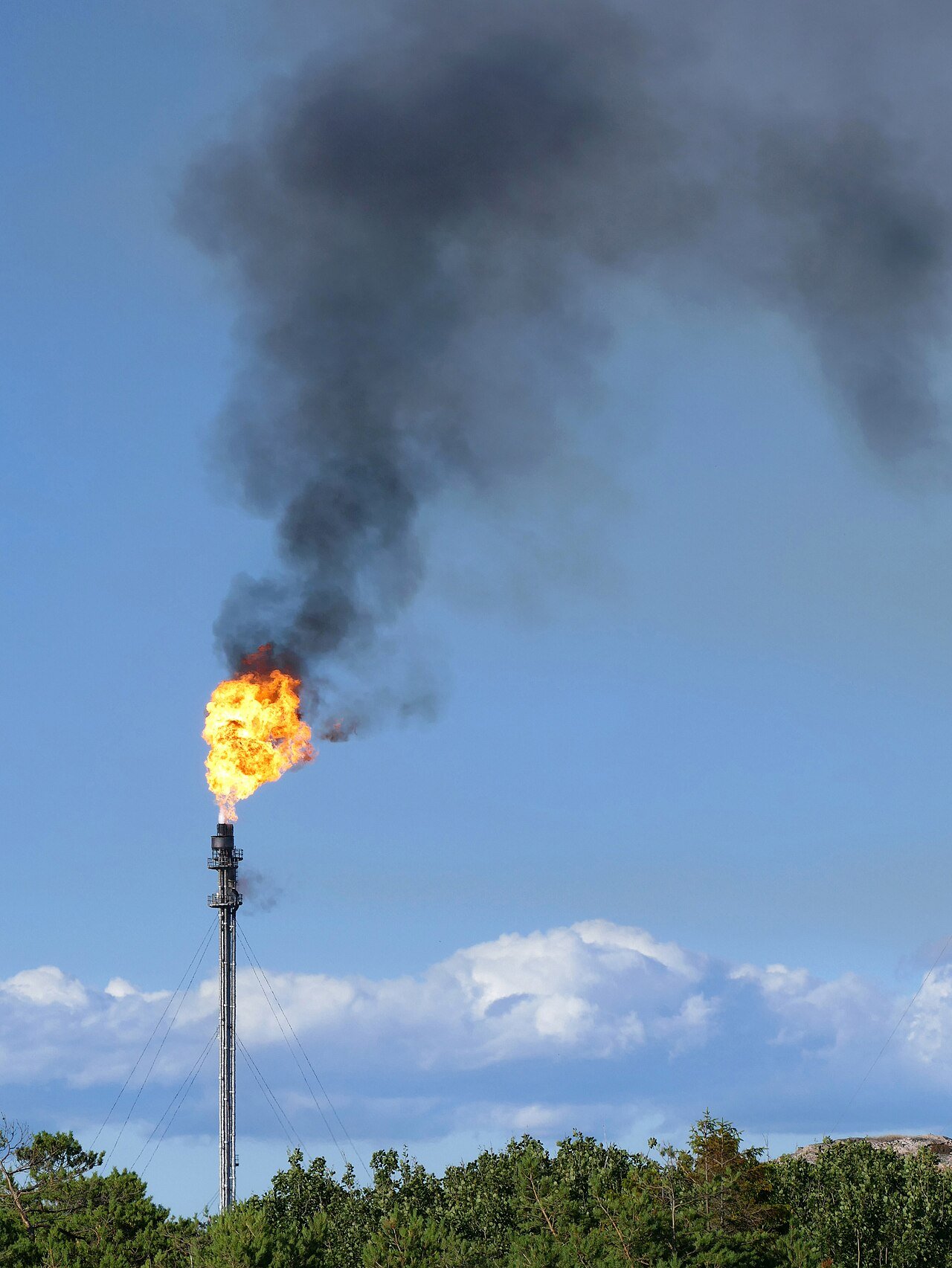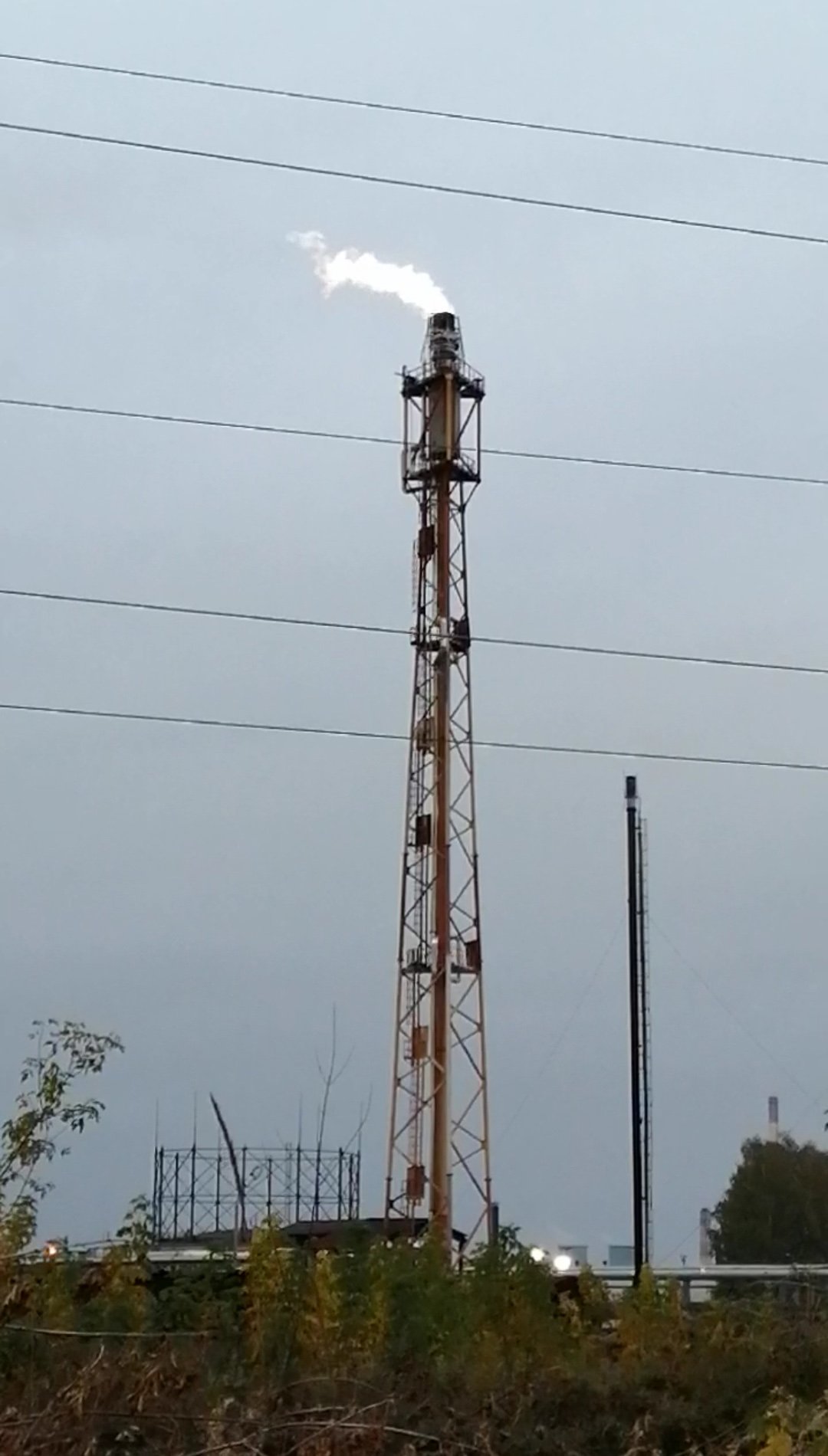
A 24-hour emergency leak online sealing response is a pre-planned live-repair capability that begins with one phone call and ends with a verified seal on a pressurised hydrocarbon, steam, or chemical system — without depressurising, draining, or shutting the plant down.
This guide is written for maintenance superintendents, shift supervisors, HSE leads, and procurement officers at refineries, fuel terminals, compressor stations, and process plants who could be making that call at 02:00 on a Sunday. It walks through the hour-by-hour mechanics of a real 24-hour response — triage, mobilisation, night-shift execution, verification — and it sets out exactly what your side must provide to make the call-out window work.
What Is a 24-Hour Emergency Leak Online Sealing Response?
A 24-hour emergency leak online sealing response is an around-the-clock service in which a trained crew mobilises to a pressurised leak within a defined call-out window, fits or fabricates a mechanical enclosure around the leak point, and injects sealant to form a new in-situ seal while the system stays in service. The “24-hour” element is not a marketing phrase: it means the duty phone is answered at 03:00, technical triage happens before the vehicle rolls, and the crew that arrives carries both the stock and the delegated authority to execute — not merely to survey and quote.
In the field this is usually filed under emergency leak online sealing, a family of methods that includes bolted clamps, fabricated box enclosures, injected flange gaskets, valve gland sealing, and composite wraps for thinned wall. Which of them applies is decided by fluid, pressure, temperature, geometry, and the condition of the pipe wall — in that order.
Why the First Hour Usually Decides the Outcome
Most live leaks are stable for a while and then stop being stable. A weeping flange gasket that has dripped for three weeks can cut a groove in the gasket seat overnight and turn into a spray. A pinhole in a steam line erodes into a plume. The physics does not negotiate, so the operational question is never “is this worth fixing?” but “how much of the envelope do we still have left?”
Three things typically go wrong when the first hour is wasted:
- The leak escalates past the enclosure envelope. A clamp designed for a weeping joint cannot be fitted to a jet that will not let a technician within two metres.
- Shutdown becomes mandatory rather than optional. If the leak reaches a rate the flare, drain, or sewer system cannot accept, the plant loses the choice.
- Permits and approvals become the bottleneck. After-hours permit to work, isolation verification, and simultaneous-operations sign-off can add hours if nobody has pre-agreed the path.
According to ASME PCC-2, the repair of pressure equipment and piping in service depends on a documented fitness-for-service assessment of the remaining wall and the local stress state. That assessment cannot happen during the call itself, which is why experienced operators keep current wall-thickness readings and corrosion rates on file for critical lines. When you call at night, the vendor needs those numbers — not a photograph alone. Standard inspection practice for in-service piping is framed by API 570, and the relevant code requirements are catalogued in the American Petroleum Institute standards library.
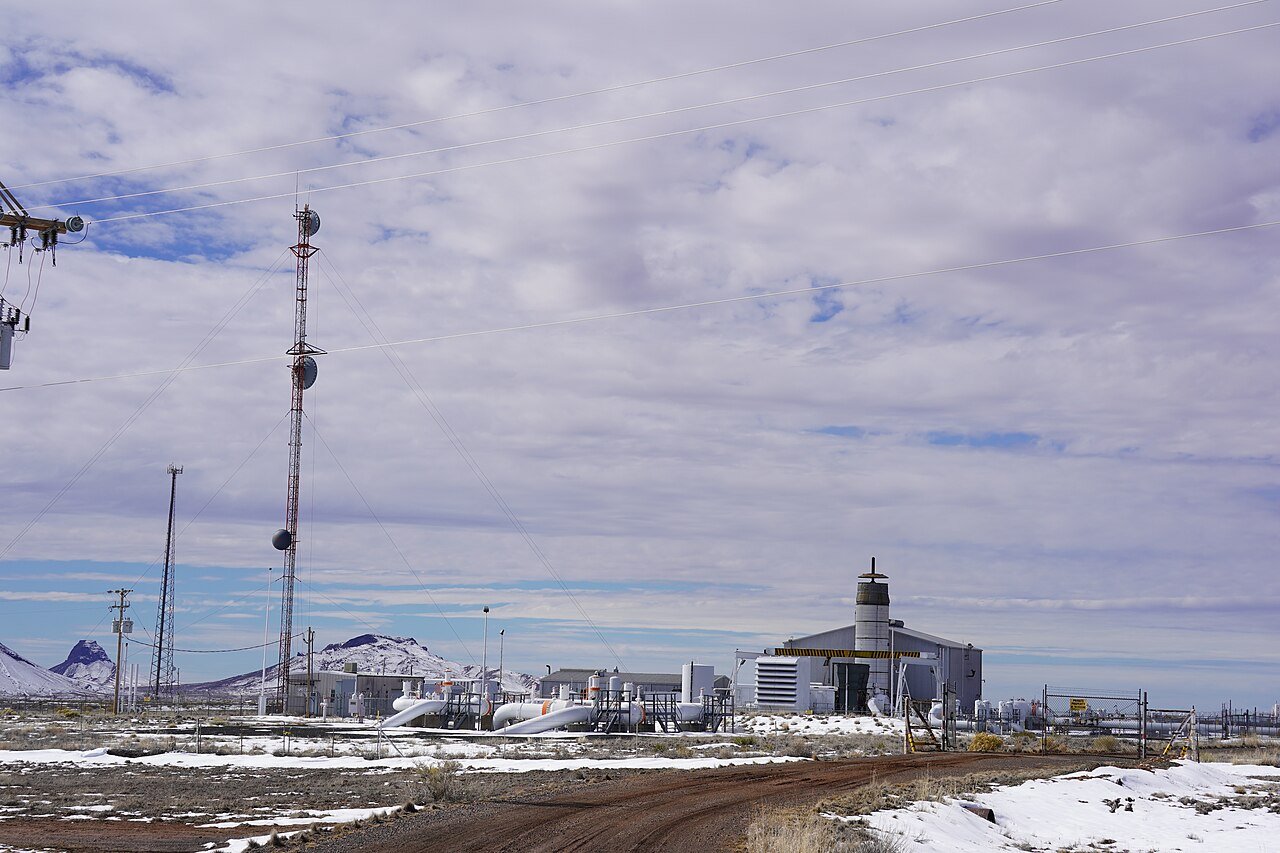
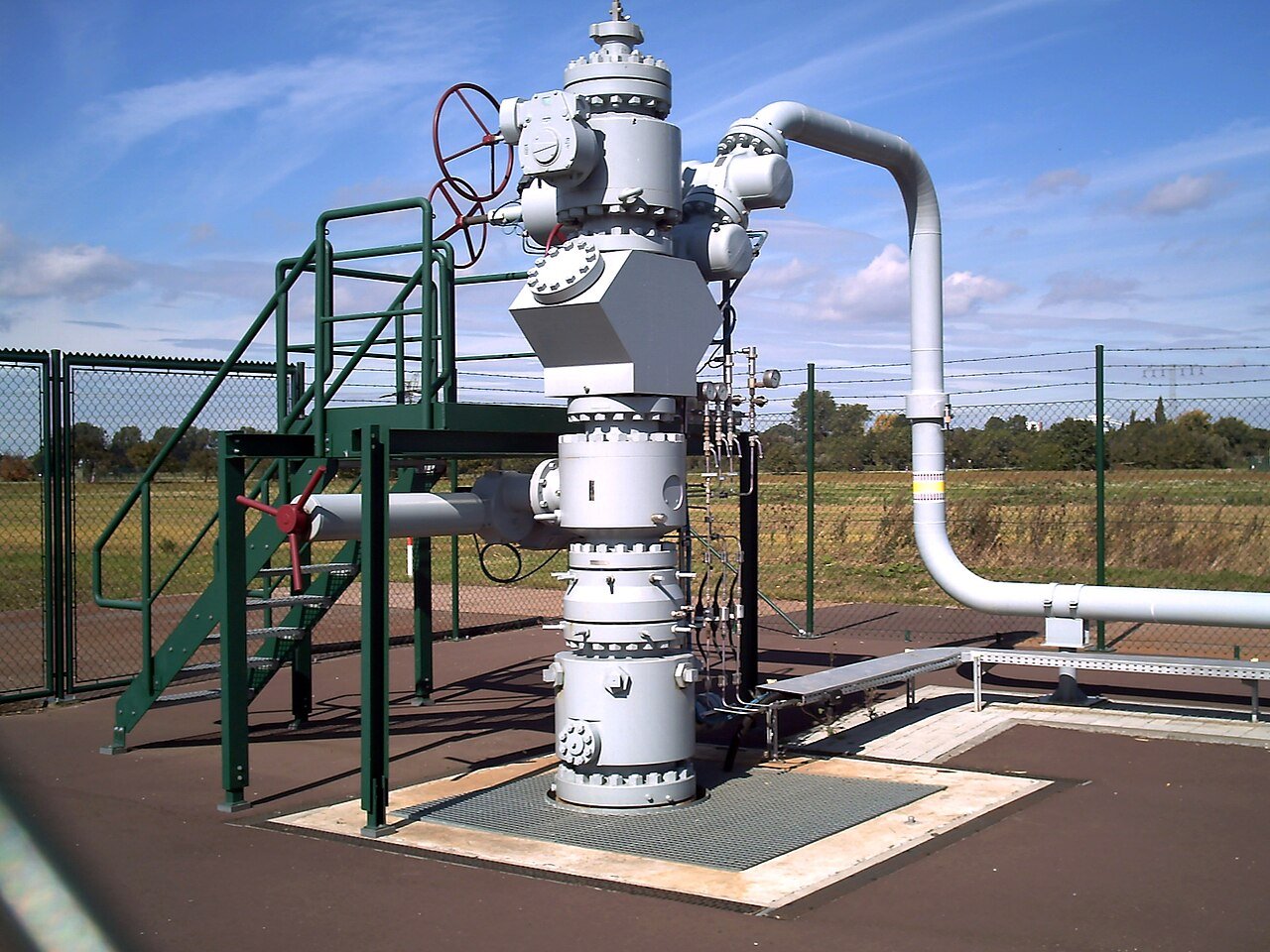
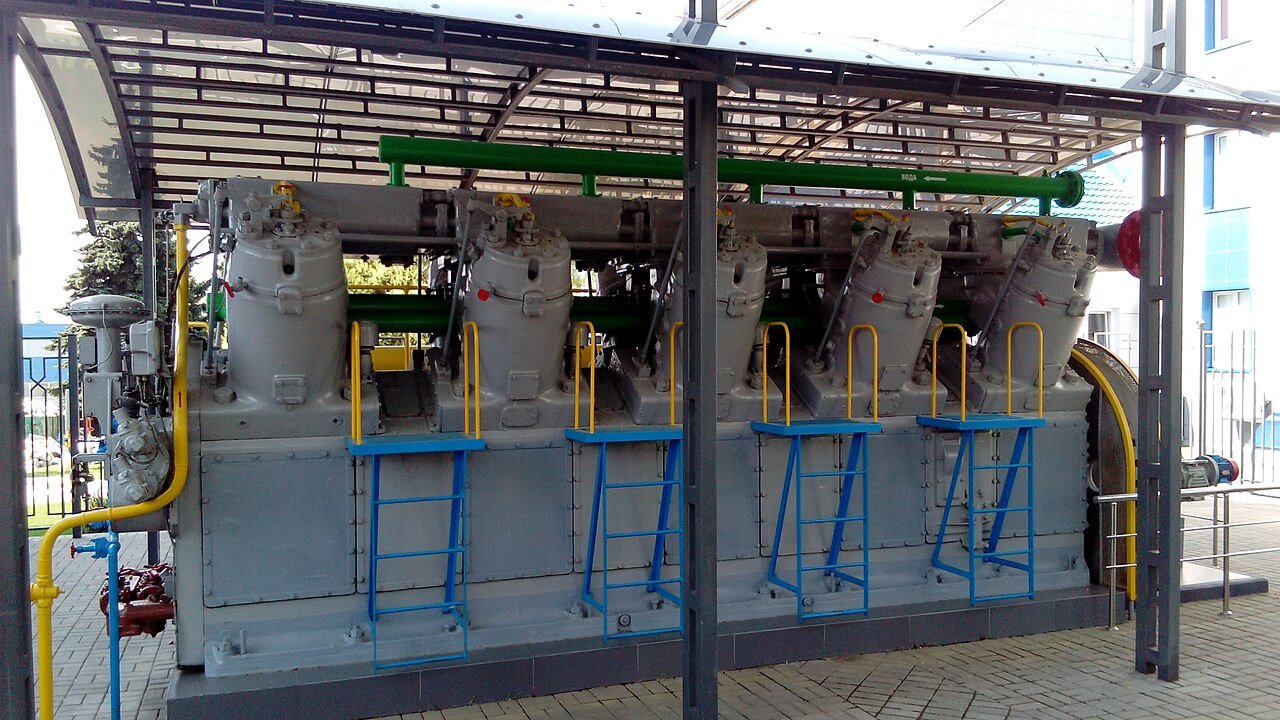
A compressor station running through the night shift — pressurised gas assets like this are where a 24-hour emergency leak online sealing response is most often requested.
What Happens After You Call: Hour by Hour
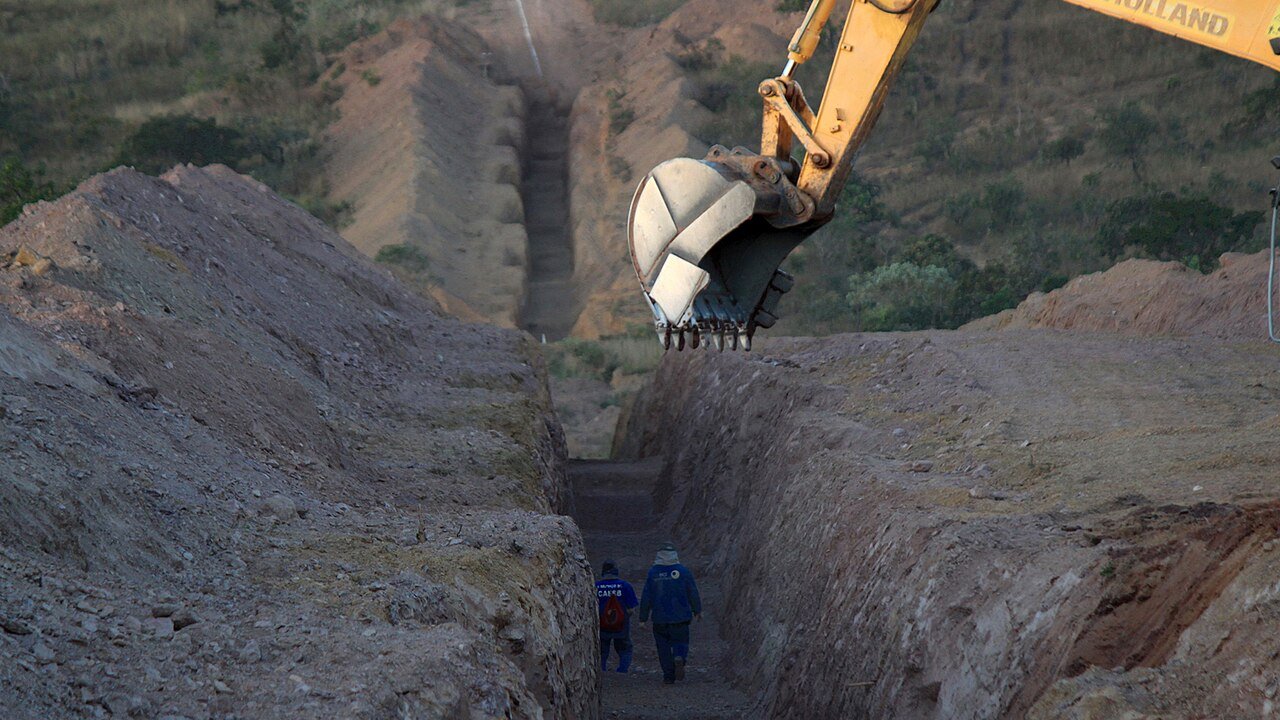
A credible 24-hour response is a defined sequence, not an improvisation. The table below sets out the phases a properly resourced crew works through, with realistic clock ranges measured from the moment the duty number is answered. Times assume a site in a major industrial corridor; remote locations add logistics, not uncertainty. On long-distance lines the same sequence is followed under our pipeline emergency leak repair procedure, with additional pigging and station isolation checks.
| Phase | Clock (from call) | What happens | Who leads |
|---|---|---|---|
| 0. Notification | T+0 to T+10 min | Duty phone answered; leak location, fluid, pressure, temperature and access logged | Client shift supervisor + vendor duty lead |
| 1. Technical triage | T+10 to T+30 min | Method selection, sealant compatibility check, preliminary maximum injection pressure agreed | Vendor technical lead |
| 2. Mobilisation | T+30 min to T+2 h | Crew, injection rig, clamp stock, sealant, gas detector and PPE dispatched | Vendor operations coordinator |
| 3. On-site assessment | Arrival to +45 min | Leak verified, geometry measured, wall condition reviewed, retreat path and work zone set | Vendor supervisor + client process engineer |
| 4. Enclosure fitment | +45 min to +3 h | Clamp or enclosure adapted, bolted to controlled torque, injection ports fitted | Vendor mechanical crew |
| 5. Sealant injection | +2 h to +5 h | Staged injection at agreed pressures; leak rate monitored to zero | Vendor injection technician |
| 6. Verification and handover | +30 to +60 min | Soap, thermal, or gas re-check; final parameters recorded; job report issued | Vendor supervisor + client operations |
| 7. Post-job review | Within 24 h | Documentation pack and recommendations for the next shutdown window | Both parties |
Note the shape of that table. The two phases clients most often underestimate are triage and assessment. Triage is where the wrong sealant gets eliminated on a phone call instead of being discovered on site at 04:00 with the plant waiting. Assessment is where the process engineer and the sealing supervisor agree the maximum injection pressure in writing, because injection pressure becomes a pressure-boundary decision, not a contractor’s convenience.
What We Need From You in the First Call
Triage starts before mobilisation. That ordering is deliberate and non-negotiable: dispatching a crew without the process data wastes the response window and can put technicians in front of a leak their equipment was never selected for. A duty technician can assemble a workable plan in twenty minutes if you can answer six questions.
- Exact location and access route. Unit, line number, elevation, whether a crane or scaffold is required, and which gate stays open at night.
- Fluid and service. What is in the line, its phase, and whether it is sour, toxic, or flammable.
- Operating pressure and temperature. Current values rather than design values, plus any recent excursions.
- Leak geometry. Flange, valve gland, weld crack, pinhole, or wall thinning — and the line size, schedule, and connection type.
- Wall-thickness history. Your most recent inspection records and the calculated corrosion rate, so the fitness-for-service picture is real.
- Site rules. Permit to work system, gas-test requirements, HSE contacts, and simultaneous-operations restrictions.
Photographs and a short video from a safe distance help enormously; a fifteen-second clip of the leak is often worth more than a page of description. The fastest route in Indonesia is the duty WhatsApp line on 082199001706, where images can be sent alongside the parameters and a technician can reply in the same thread. Voice calls are appropriate when the situation is changing by the minute. If your leak is on a valve or a flange rather than pipe body, say so on the first call — those geometries follow dedicated playbooks described in our guides to online leak sealing technology and methods.
The related pipeline emergency leak repair covers the same first-contact information from the operator’s side and is worth printing for the control room.
Night-Shift Constraints Every Planner Forgets
A 24-hour response is not the day shift with the lights off. Several constraints bite hardest between 22:00 and 05:00, and a response plan that ignores them is a daytime plan wearing a night-shift badge.
- Reduced client staffing. The process engineer who can authorise an injection pressure limit may be at home. Nominate a night authority before you need one, and record the delegation in the permit system.
- Lighting. Shadow-free task lighting at the leak point is a safety control, not a comfort. A technician who cannot see the enclosure seating is fitting it blind.
- Fatigue and rotation. A crew that has already worked a full day should not begin a high-risk injection at 23:00. Ask how the vendor manages rest before the work starts.
- Access and escort. Gate passes, visitor logs, and security escorts often run on a skeleton crew at night; pre-authorise vendor names and vehicle plates.
- Emergency services. Confirm the night fire watch, standing ambulance arrangement, and internal emergency number before injection begins.
- Noise and neighbour sensitivity. Sites close to residential areas may carry night-time noise limits that shape how you run injection pumps.
The mitigation is boring and effective: keep a pre-agreed night call-out package on file. Signed HSE annexes, ID lists, permit templates, isolation philosophies, and a named night authority. That package is what converts a two-hour mobilisation into a forty-minute one.
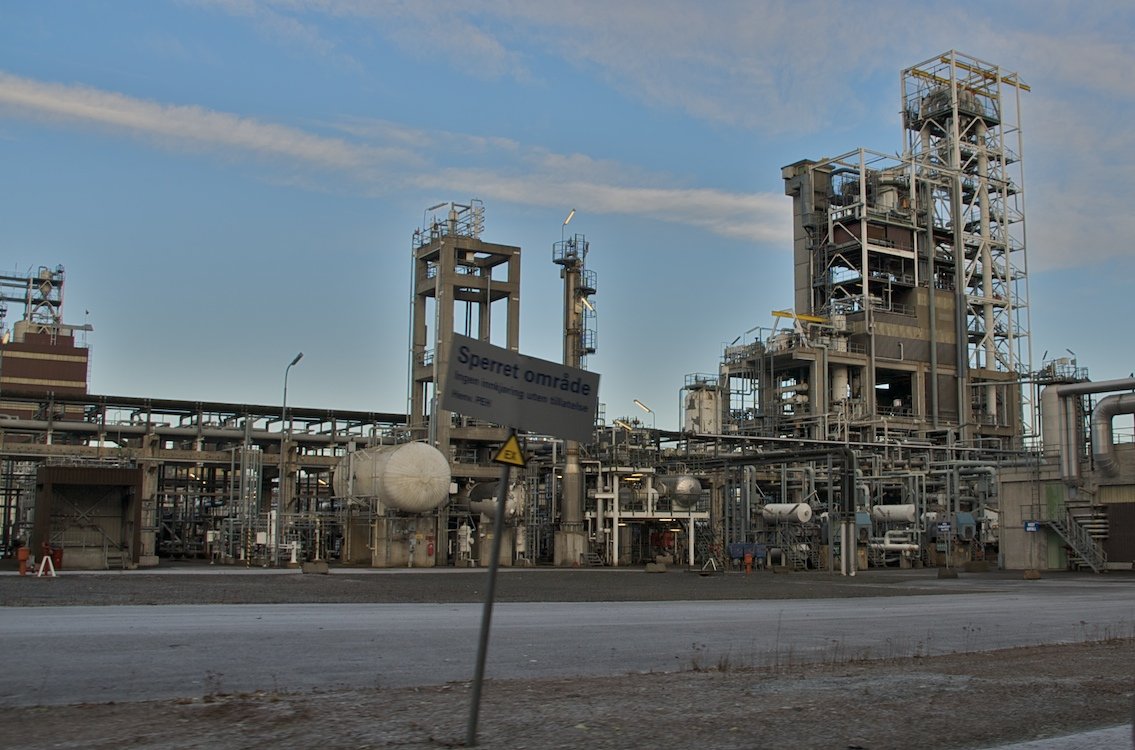
A petrochemical plant under night-shift operation — the condition in which a 24-hour emergency leak online sealing response has to work with the plant still running.
Why Mobilisation Time Needs an SLA, Not an Adjective
“Fast response” appears in almost every vendor brochure in the region and obliges nobody to anything. A call-out service level agreement replaces the adjective with a number, and a number with a consequence.
| SLA element | Defensible value | Evidence the vendor must show |
|---|---|---|
| Duty phone answered | Within 15 minutes, 24/7 | Logged call records, named duty roster |
| Technical triage completed | Within 60 minutes of first contact | Completed triage sheet, method statement outline |
| Crew on site, urban corridor | 2 to 4 hours from confirmed call-out | Training records, equipment manifest, dispatch log |
| Crew on site, regional site | 12 to 24 hours on an agreed travel plan | Mobilisation plan, transport and air-freight arrangements |
| Equipment readiness | Injection rig and clamp stock held internally | Equipment list, sealant batch records with shelf life |
| Documentation to client | Job report within 24 hours of completion | Sample report, photograph protocol, sign-off sheet |
Two disciplines make those numbers real. First, the SLA must be mutual: the clock should not start until the client has supplied the six triage items in writing, otherwise the vendor absorbs delays outside its control and quietly builds padding into every quote. Second, the SLA needs a consequence on both sides — a service credit when the vendor misses the window, and a documented stand-down charge when the crew mobilises and the site is not ready. A penalty-only clause encourages vendors to bid low, then to under-resource the very night crew you are depending on.
Under ISO 24817, composite repairs on piping require a documented design with defined limits on the repair’s operating envelope. The same logic applies commercially: a framework agreement should state the pressure, temperature, and fluid envelope the crew is contracted for, and treat anything outside it as a new engineering scope. That single sentence prevents the most common post-incident argument. For the commercial picture — night premium against avoided production loss — see leak repair cost and downtime reduction.
Safety Requirements for Live-Leak Work
Live leak sealing sits in the highest risk category of maintenance work because it puts people next to a pressurised release. According to ASME PCC-2, a repair procedure for in-service equipment must address the hazards of the operation itself, including the temporary pressure boundary formed by any clamp or enclosure during installation and injection. In practice that means:
- A written job safety analysis reviewed and signed by every crew member on site, not emailed in advance.
- An exclusion zone sized to the fluid, the pressure, and the direction in which a release would travel.
- A retreat path described out loud, walked, and kept clear of equipment, hoses, and stored material.
- Continuous gas testing where flammable or toxic vapour is credible, with the monitor at the breathing zone rather than on a bench.
- Hot work controls, including a fire watch with extinguishing media, wherever ignition sources cannot be removed.
- PPE matched to the fluid: face shield and chemical-resistant outer layer for caustic or acid, heat-resistant clothing for steam, flash-rated clothing for hydrocarbons.
- A hard stop on injection: a defined maximum injection pressure that no technician is authorised to exceed without written confirmation from the process engineer.
That last item is the one most often treated as a formality, and the one that most often causes failures. Injection pressure acts directly on the enclosure and on the pipe wall. A line that holds 30 bar in service may not tolerate a local injection at the pump’s full delivery pressure. The maximum injection pressure belongs on the job card, initialled, before the rig is connected. The hazard-classification logic behind this discipline is set out by bodies such as the Occupational Safety and Health Administration, and the process-safety expectations for high-hazard plants are documented by the UK Health and Safety Executive. Operators in Indonesia should also track the applicable regulatory requirements published by Ditjen Migas, and the good-practice guidance issued through the International Association of Oil and Gas Producers.
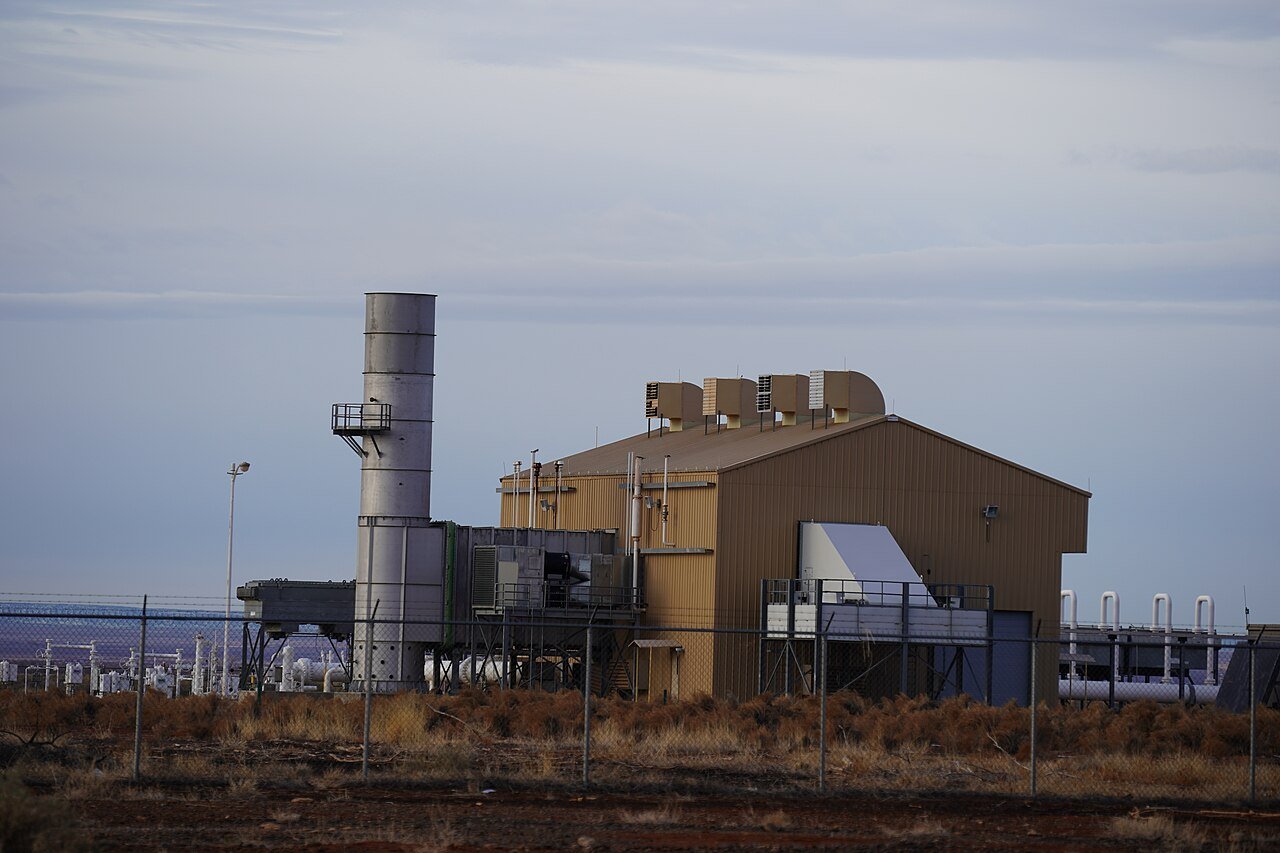
Compressor-station pipework: night-shift live-leak work here requires a defined exclusion zone, a walked retreat path, and continuous gas monitoring.
What a Completed Night Job Should Hand Over
A response that seals the leak but leaves no paperwork creates a second problem: the plant now operates a repaired pressure boundary that nobody can demonstrate was engineered. The handover pack should be complete before the crew leaves the gate.
- Job report with the agreed maximum injection pressure, the pressures actually reached, and the finishing time of each phase.
- Enclosure details — type, material, connection size, number of injection ports, and torque values applied.
- Sealant identification with batch number, temperature rating, and expiry date, plus a safety data sheet for your file.
- Photographs of the completed installation from at least two angles, with a scale reference where possible.
- Verification record: how the seal was confirmed, over what period, using which method.
- Recommendations for the next shutdown — weld repair, section replacement, or increased thickness monitoring — with an interim inspection interval.
Two documents deserve particular care. The sealant data sheet tells your materials engineer what is now inside the system, which matters if the line later carries a different product. The interim inspection interval tells your reliability team how many months of service life the seal is expected to deliver, so the repair becomes a scheduled item instead of an open risk. For services outside the standard envelope, the design basis is discussed further under high-pressure leak sealing solution.
When a 24-Hour Response Should Be Refused
The most valuable thing a competent vendor does is occasionally say no. A live leak is not automatically a sealing job, and a response team that accepts every call becomes a liability to the plant it is trying to help.
- Wall loss beyond the assessed limit. Where remaining wall cannot carry the enclosure loads, the correct action is isolation and repair, not injection.
- Crack-like defects in a critical weld. A through-wall crack can extend under load, and sealing over it can conceal a growing defect. Fitness-for-service assessment governs, not schedule pressure.
- Uncontrollable release. If the leak rate prevents safe approach, the priority is depressurisation and emergency response, with sealing considered afterwards.
- No defined pressure limit. Without a written maximum injection pressure agreed with the process engineer, the job should not start.
- Access that cannot be made safe. No enclosure is worth a fall, an uncontrolled confined-space entry, or work under an unsupported load.
A refusal is not a failure of the service — it is the honest output of the triage step. Operators who build relationships with sealing contractors before an incident tend to hear that “no” early enough to schedule a controlled repair instead of a forced outage.
Building the Capability Before the Incident
The reason some plants turn a leak into a two-hour repair and others into a three-day outage is almost never the leak itself. It is whether the machinery around the response already existed: a framework agreement with a rate card, a pre-approved HSE annex, a named night authority, current thickness data, and a six-point triage sheet pinned in the control room.
Setting up that envelope takes perhaps two meetings and one site walkdown. Doing it at 02:00 while a flange sprays product takes whatever the moment demands, and the moment is rarely generous. Schedule the walkdown, agree the SLA numbers and the mutual clock rule, and keep the duty number where a shift supervisor can find it without log-in credentials. Our emergency leak online repair solution page describes how the framework is set up, and the HSE obligations on the crew side are covered in detail in our guide to technician safety in high-pressure leak sealing.
Key Takeaways
- A 24-hour emergency leak online sealing response is a pre-planned capability with a defined call-out window, not an on-call adjective in a brochure.
- The first hour decides whether the leak stays repairable online or forces isolation; six triage questions determine method selection before mobilisation.
- ASME PCC-2 requires repair procedures for in-service equipment to address the hazards of the repair itself, including the temporary pressure boundary formed by the clamp.
- No sealant injection should proceed without a defined maximum injection pressure agreed with the process engineer and recorded on the job card.
- Call-out SLAs need mutual clocks and consequences on both sides; penalty-only clauses encourage under-resourced night crews.
- Night work adds lighting, fatigue, escort, and delegated-authority constraints that a daytime response plan does not cover.
- A handover pack — job report, enclosure details, sealant batch data, photographs, and an interim inspection interval — converts a repair into a managed pressure boundary.
FAQ: 24 Hour Emergency Leak Online Sealing Response
How quickly can a crew actually reach my site?
For sites in a major industrial corridor, a crew with an injection rig and clamp stock is typically on site 2 to 4 hours after the call-out is confirmed. Regional and remote sites commonly take 12 to 24 hours depending on flights and road access. The clock should only start once you have supplied the fluid, pressure, temperature, and geometry details.
Can sealing be done while the line is still at full operating pressure?
Yes, that is the defining feature of online sealing. The enclosure is fitted around the leak while the line remains in service, and sealant is injected into the cavity between the enclosure and the pipe surface. It is not unlimited: the method depends on a remaining wall thickness that can carry the enclosure loads, confirmed against an ASME PCC-2 assessment.
What information do you need on the first call?
Six items: exact location and access route; the fluid and whether it is sour or toxic; current pressure and temperature; the leak geometry and line size; recent wall-thickness and corrosion-rate records; and your site’s permit and gas-test rules. Photographs or a short video sent to the duty WhatsApp line shorten triage considerably.
Is a sealed leak a permanent repair?
Treat an online seal as a controlled interim repair that keeps the plant safe and productive until a scheduled window. Under ISO 24817, composite repairs are designed with a defined service envelope, and that logic applies here: the seal has a design life, an inspection interval, and a plan for permanent weld or section replacement. Documentation should state all three.
What must be agreed before injection starts?
A written maximum injection pressure agreed with your process engineer and recorded on the job card. Injection pressure acts directly on both the enclosure and the pipe wall, so it is a pressure-boundary decision rather than a contractor preference. The exclusion zone, retreat path, gas monitoring, and fire watch should also be confirmed before the injection rig is connected.
Leak still running and the plant is on limited time? Our response desk is staffed around the clock. Message the emergency team on WhatsApp or send a site brief with the line ID, medium, operating pressure and temperature, and we will confirm scope before mobilisation.
Conclusion
A 24-hour emergency leak online sealing response succeeds or fails long before the crew arrives. It succeeds when the operating team can answer six triage questions from memory, when the maximum injection pressure is agreed in writing, when the night authority exists, and when the handover pack is issued before the gate closes. It fails when the first call goes to a number nobody answers, or when a crew arrives without the clamp stock, the sealant, or the authority to do more than survey the problem.
The practical message for plants across Indonesia’s refining, terminal, and process corridors is to treat this as engineered capability rather than a purchased emergency. Build the framework agreement, agree the call-out SLA with mutual clocks, keep wall-thickness data current, and rehearse the notification route with the shift team. When a flange finally lets go at 03:00, that preparation is the difference between a repair and an outage. For a technical discussion of a specific live leak, reach the duty team on 082199001706.