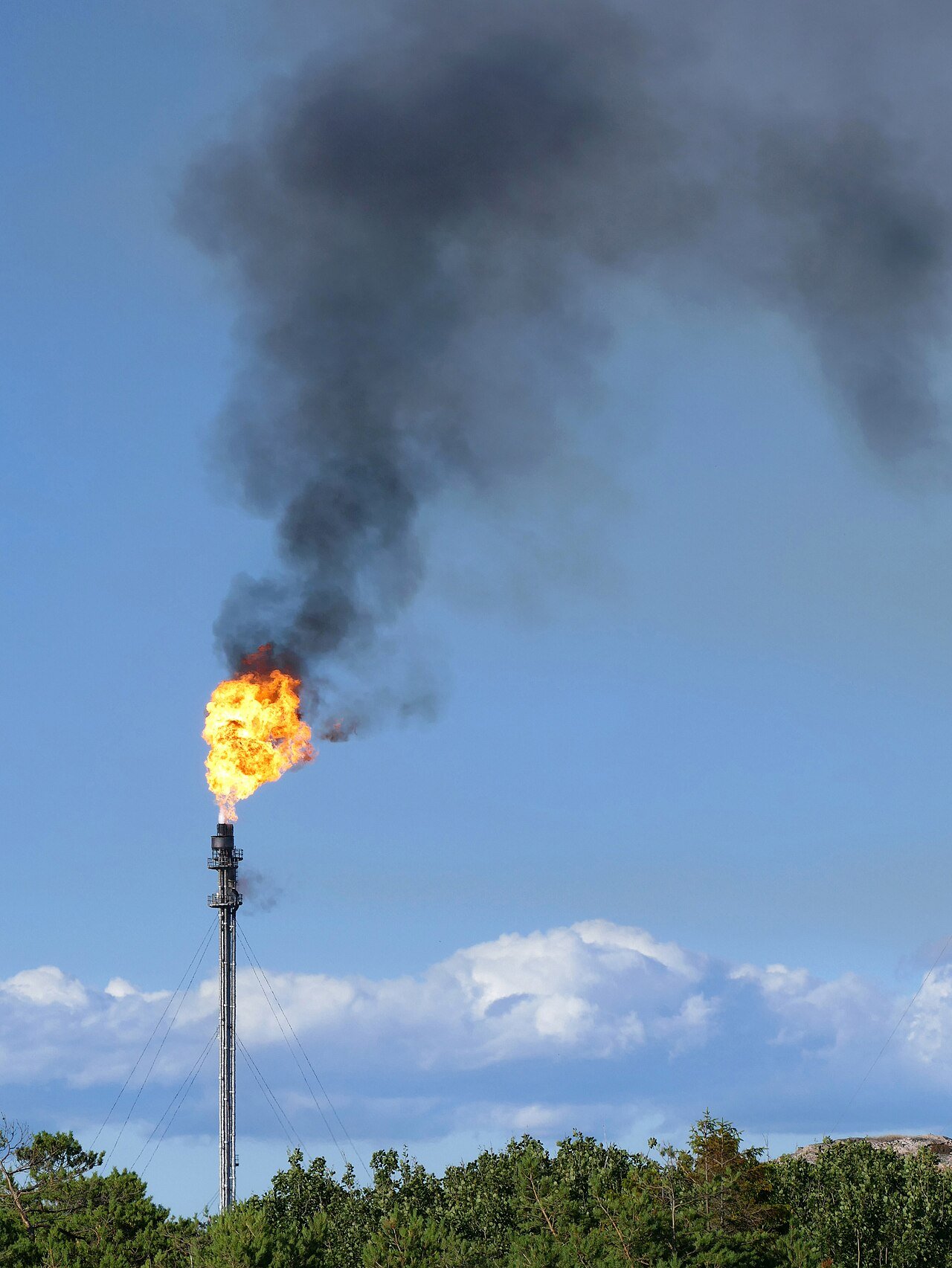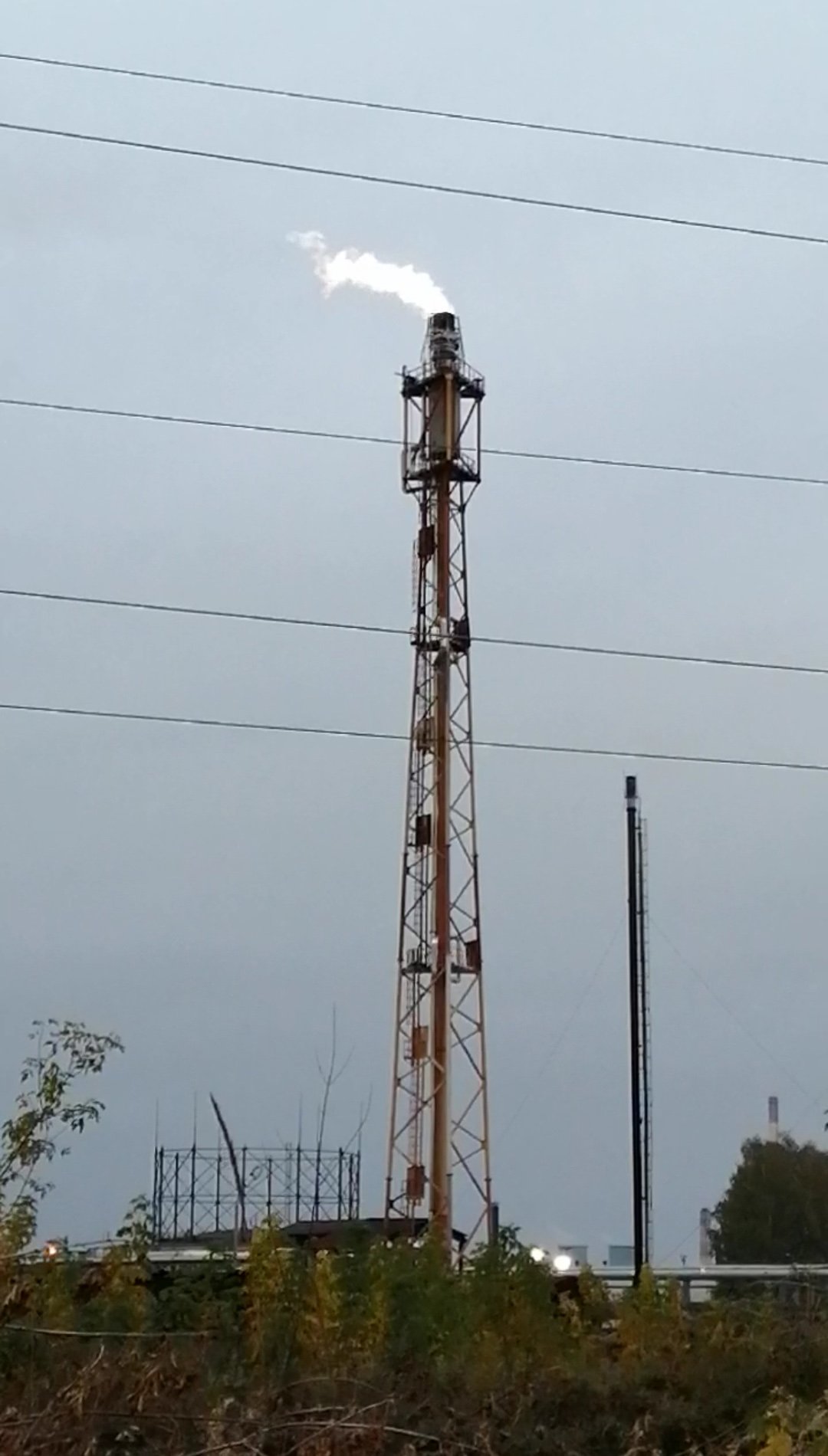
Emergency leak online repair solution oil gas work must cover the entire pressurised chain — wellhead, flowline, trunkline, compressor station, refinery unit and product terminal — because the leak does not care which segment it appears in, only how much pressure sits behind it. Live repair keeps the fluid moving while an engineered enclosure and injected sealant restore containment.
This guide is written for asset owners, facility engineers, integrity teams and maintenance planners working in upstream, midstream or downstream oil and gas operations. It maps the leak points that actually fail in each segment, the live repair method that fits each one, the governing standards you will be audited against, and the additional discipline that sour service demands.
What Is an Emergency Leak Online Repair Solution in Oil & Gas?
Online leak repair is the restoration of pressure containment on an in-service system without depressurising, draining or shutting it down. Depending on the leak point, the solution is a mechanical clamp, a bolted or welded enclosure, an injected sealant through a flange or gland, a composite wrap for a thinning wall, or a controlled hot-tap style intervention — each designed against the operating pressure and temperature rather than against a generic shop rating.
The oil and gas context raises the bar in three ways. The fluid is almost always flammable, frequently toxic and sometimes sour. The consequence of failure is not a wet floor but a loss of containment event with escalation potential. And the asset is usually governed by a formal integrity management programme, meaning the repair itself becomes a documented inspection item that will be reviewed under API 570 or API 510 in-service inspection planning.
Where Leaks Actually Happen: Segment by Segment
Live leak experience concentrates in a predictable set of locations. Knowing the segment tells you the likely leak mechanism, the method that fits and the standard that applies.
| Segment | Typical leak points | Typical live repair method | Governing standard |
|---|---|---|---|
| Wellhead and Christmas tree | Valve stem packing, bonnet and body seals, tubing hanger flanges, wing valve gaskets | Gland and bonnet injection, sealing of flange joints, replacement of sealing elements under controlled conditions | API 6A equipment practice, ASME B31.3 for connected piping |
| Flowlines and gathering lines | Weld toe defects, pitting and external corrosion, support contact points, small cracks | Mechanical clamps with sealant injection; composite wrap for general wall loss under ISO 24817 | ASME B31.3, ASME PCC-2, ISO 24817 |
| Trunklines and transmission pipelines | Weld defects, coating disbondment with corrosion, third-party damage, valve and fitting leaks | Pipeline clamps, injected sealant, valve sealing; composite repair where wall loss governs | ASME B31.4 and B31.8, ASME PCC-2 |
| Gathering and compressor stations | Flange and gasket leaks, piping vibration fatigue, small-bore connections, instrument fittings | Flange injection sealing, clamped enclosures, support and vibration remediation | ASME B31.3, API 570 inspection practice |
| Refinery and gas plant process units | Heat exchanger girth and channel flanges, column nozzles, fired heater piping, pump and compressor seals | Flange injection, box enclosures, valve sealing, steam and high-temperature sealant systems | ASME B31.3, ASME PCC-2, API 510 for the vessel boundary |
| Product terminals and tank farms | Tank nozzle and shell penetrations, loading arms, manifold flanges, pump discharge piping | Flange injection, clamps, low-pressure enclosures | API 650 practice, ASME B31.3 |
| Utilities: steam, amine, cooling | Steam trap and header leaks, amine line pitting, cooling water corrosion | Injected sealant, clamps, composite wrap on suitably prepared surfaces | ASME B31.1 and B31.3, ASME PCC-2 |

Flanges, valves and fittings are where most live leaks appear — the pipe body is usually the last part to fail, not the first.
Upstream: Wellheads, Flowlines and Gathering Systems
Upstream leaks arrive with two characteristics that shape the response. The producing system is often the one asset you cannot isolate without losing the well, and the fluid is frequently two-phase or contains produced water that has been quietly corroding the line from the inside.
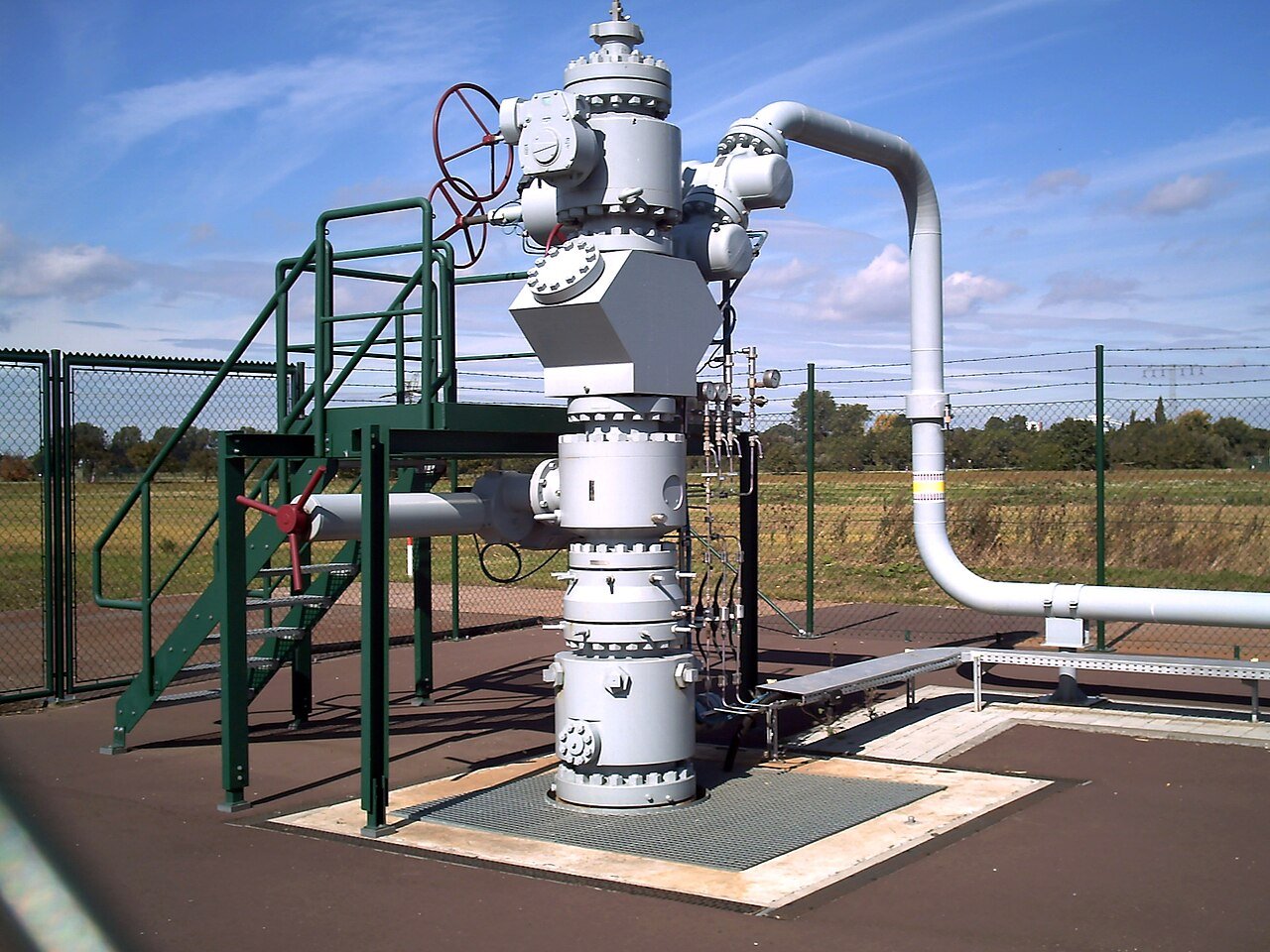
- Wellhead and tree leaks are usually sealing element failures — stem packing, bonnet seals, gasket rings. Injection into the gland or bonnet cavity is the classic live repair, executed with the well still flowing.
- Flowline leaks tend to be corrosion-driven. Before sealing, establish whether the leak is a discrete defect or the first visible point on a thinning length; the answer changes the method entirely.
- Gathering line leaks are complicated by low-point water accumulation and by the mixture of fluids from multiple wells, which can vary the sealant chemistry requirement.
- Small-bore connections — instrument fittings, sample points, chemical injection lines — fail more often than their size suggests, largely through vibration fatigue.
In Indonesian upstream operations, these works sit under the oversight of SKK Migas with technical regulation from KESDM, and the repair records feed directly into the operator’s integrity management system.
Midstream: Trunklines, Compressor Stations and Metering
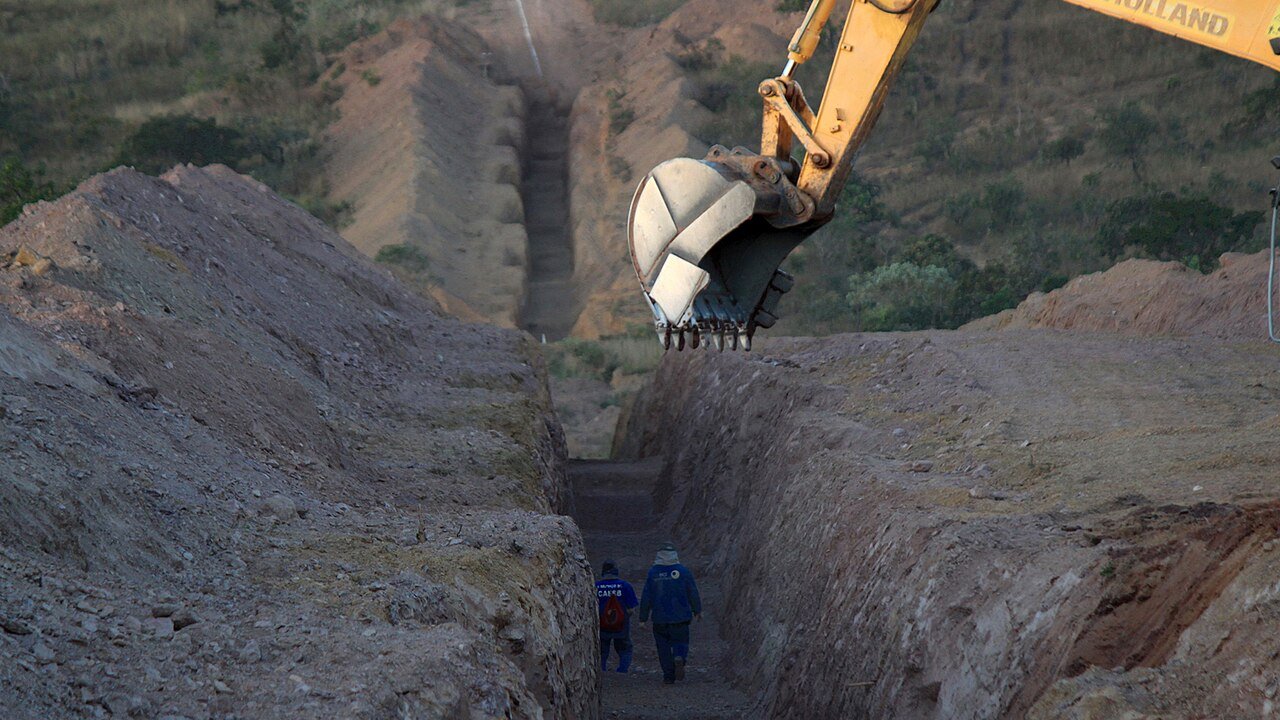
Midstream assets are where geography and consequence combine. A trunkline leak at a river crossing or in a remote section cannot be isolated quickly, and the inventory in the line is large. Two features dominate:
- High-flow, high-inventory systems. Reducing pressure is often the first stabilising action, and the sealant system must cope with a significant pressure differential across the defect.
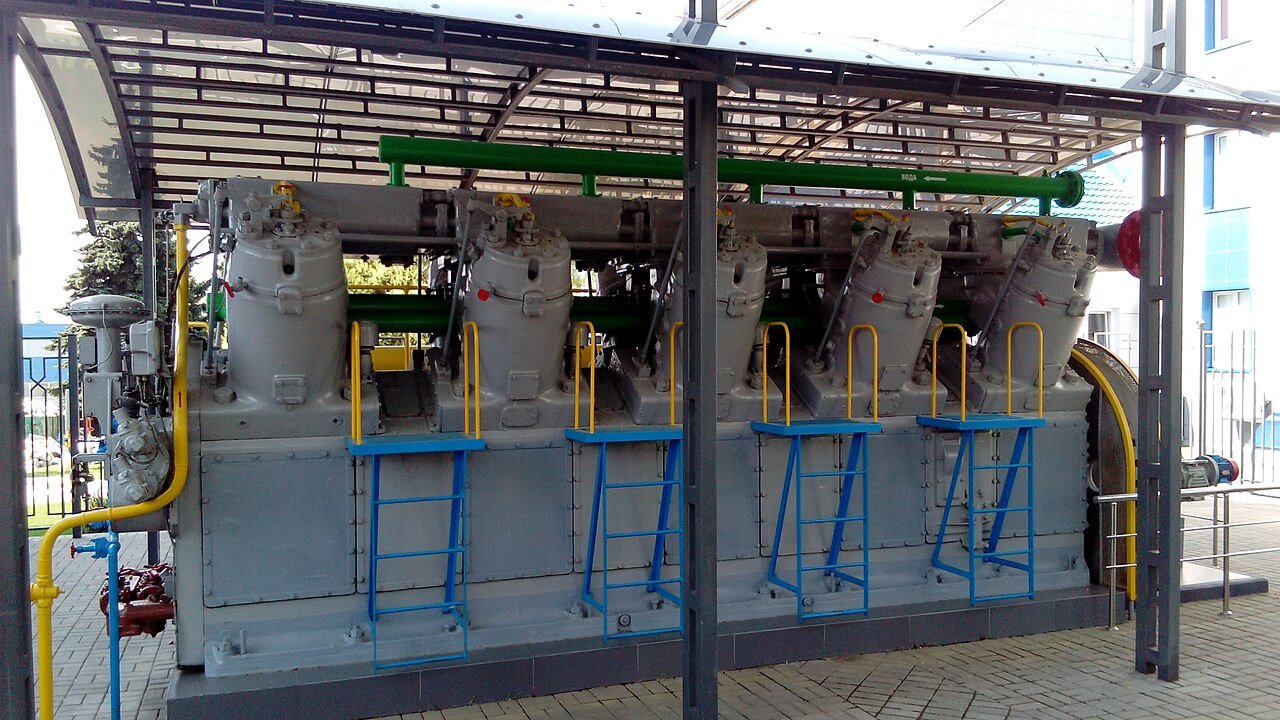
- Vibration in station piping. Compressor discharge piping, pulsation dampers and small-bore connections on skids generate fatigue cracks that appear repeatedly if the vibration source is not addressed. Sealing the crack without fixing the excitation guarantees a repeat visit.
For transmission pipelines, the repair design must respect the pipeline codes: ASME B31.4 for liquid hydrocarbon transportation systems and B31.8 for gas transmission and distribution, applied together with the repair methodology in ASME PCC-2. Where a clamp is installed on a live transmission line, the design must also consider how the enclosure interacts with pigging, inline inspection tool runs and future integrity digs. When the leak sits on a line that cannot be isolated without losing supply, the response follows the same path as any pipeline emergency leak repair job: stabilise, screen, mobilise, seal, verify.
Downstream: Refinery Units, Gas Plants and Terminals
Downstream is the densest leak environment in the industry. Units are congested, temperatures range from cryogenic to fired-heater levels, and many systems are interconnected so thoroughly that isolation of a single component is impractical.
- Heat exchanger services. Channel and girth flange leaks are common, and the live repair is generally an injected flange seal. Where the exchanger itself needs work, planned intervention is covered in our heat exchanger maintenance equipment guide.
- Valve and flange leakage dominates the everyday workload. Injection sealing of a leaking gland, bonnet or ring joint is a scheduled service in most refineries rather than an emergency, provided the valve maintenance and testing programme is keeping pace. Where the defect is on a bolted joint rather than the valve body, flange leak online sealing is the appropriate scope.
- Steam and condensate systems. High-temperature sealant grades and graphite-based systems are required; elastomeric sealants that work on ambient hydrocarbon lines are unsuitable above roughly 200 °C.
- Product terminals and tank farms. Nozzle, manifold and loading arm leaks are usually lower pressure and more accessible, making clamps and flange injection the efficient answer.
Again, the segment dictates the method: a solution applied to a terminal manifold will not transfer to a fired heater outlet, and a proposal that does not distinguish between them is a warning sign. Our comparison of online leak sealing technology and methods sets out where each family of repair is appropriate.
Sour Service: Why H₂S Changes Everything
A large share of oil and gas production contains hydrogen sulphide. Sour service does not make online sealing impossible, but it removes every shortcut. The two consequences are material and human.
On the material side, any component added to a sour system must be resistant to sulphide stress cracking. Clamps, bolts, injection fittings and enclosure bodies must be selected and, where required, heat treated to comply with NACE MR0175 / ISO 15156, the standard governing metallic materials for use in H₂S-containing environments in oil and gas production. Inheriting the parent pipe specification is not sufficient — hardness limits and chemistry matter, and they apply to the fasteners as much as the body. Guidelines from NACE International, now operating as part of AMPP, sit behind this standard and are the reference most integrity engineers cite.
On the human side, H₂S is toxic at low concentrations and deadens the sense of smell at higher ones. That converts a leak into a life-safety event with a defined escape and rescue plan, continuous personal and area gas monitoring, and a strict limit on the number of people inside the exclusion zone. The technical repair can be entirely routine while the safety envelope around it is entirely not.
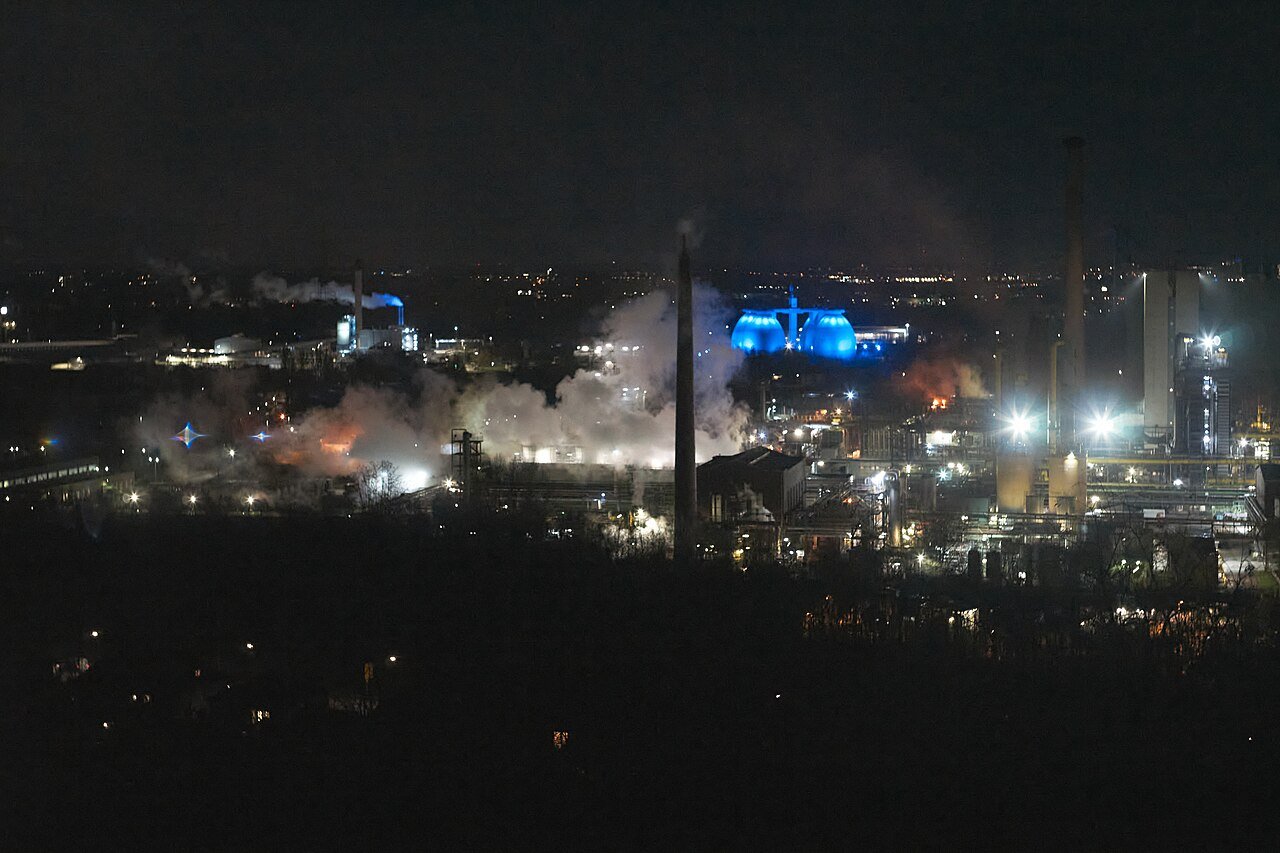
Dense downstream process infrastructure concentrates leak points — which is why method selection must be matched to each segment rather than applied generically.
In-Service Inspection: API 570 and API 510 Context
In an operating plant, a live repair is not an isolated event — it is an integrity item that must be consistent with the inspection plan. Two standards frame that expectation. API 570 governs in-service inspection, rating, repair and alteration of piping systems, and API 510 governs pressure vessels. Under both, a repair that changes or restores containment must be engineered, executed to a defined procedure, and recorded so that the asset’s remaining life assessment stays valid.
In practice that means the following should be true of any online seal you accept on a refinery or gas plant asset:
- The repair has a documented design basis: pressure, temperature, fluid, enclosure rating and sealant specification.
- The material of construction is compatible with the service, including sour service requirements where applicable.
- A thickness survey or equivalent assessment supports the assumption that the wall is still capable of carrying load at the repair location.
- The record is filed in the piping or vessel history, with drawings, sealant batch, injection pressures and verification results.
- A follow-up inspection is scheduled — the repair is a monitoring point, not an excuse to forget the location.
The verification methodology for injected repairs is described in ASME PCC-2, which treats clamps, enclosures and injected sealants as engineered repairs rather than maintenance shortcuts. Independent engineering bodies such as TWI publish extensive guidance on the assessment of weld and pipe defects that feeds the same decision, and the API portfolio of standards remains the reference library for the equipment and inspection side of the industry.
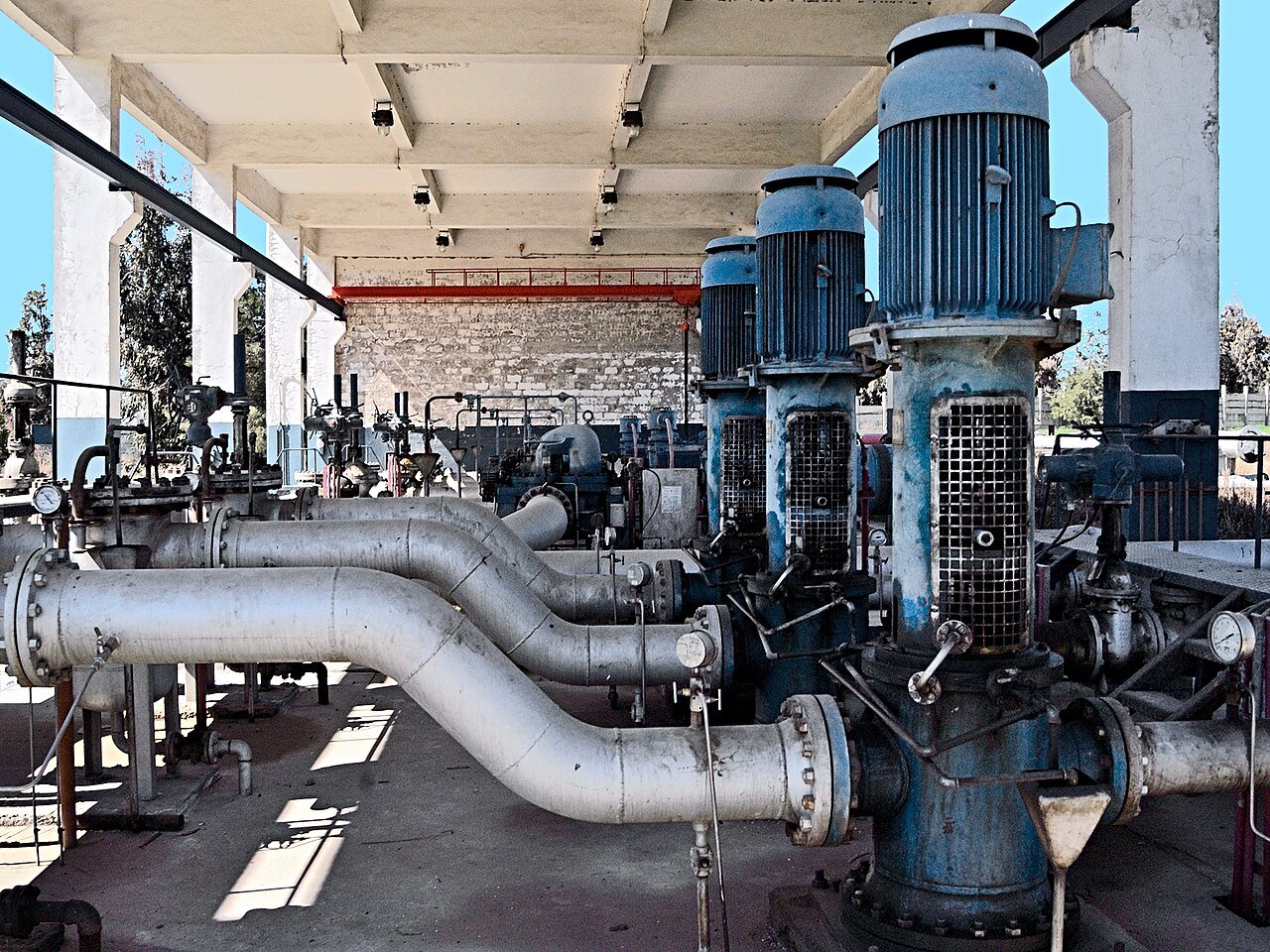
Terminals and tank farms are the last link in the chain, and low-pressure manifold and nozzle leaks there are among the simplest live repairs to execute.
How a Live Repair Is Executed on an Oil and Gas Asset
- Data collection and screening. Line size, schedule, material, fluid, pressure, temperature, leak geometry, access constraints and photographs. Screening confirms whether the boundary is structurally sound.
- Method and material selection. Clamp, enclosure, flange or gland injection, or composite wrap — with materials suitable for the fluid, including sour service requirements.
- Design and fabrication. Enclosure design against operating conditions, with a calculated containment limit that sets the maximum injection pressure.
- Permit to work and JSA. Hazard identification covering pressure, temperature, toxicity, flammability, access and simultaneous operations.
- On-site preparation. Surface cleaning, staging of equipment at the reach and escape distance, gas testing, lighting and communication checks.
- Installation and injection. Fit the enclosure, verify sealing elements, then inject in controlled stages up to the agreed limit, holding and observing between stages.
- Verification and hold period. Visual inspection, detector checks around the seal, pressure restoration in steps where the process allows, and observation at operating conditions.
- Close-out. Documentation, line history update, and follow-up inspection scheduling.
Sector-Specific Risk Factors to Plan Around
- Simultaneous operations. Live repairs in an oil and gas facility rarely happen on an isolated plot; adjacent units may be running hot work, crane lifts or start-ups. SIMOPS control is mandatory.
- Process stability during the repair. Any pressure swing, thermal cycle or line-up change during injection can compromise the seal. The unit must be held steady.
- Sealant compatibility. Amine, sour gas, aromatic hydrocarbons and hot oil each interact differently with sealant chemistry. The data sheet is a specification, not a formality.
- Emergency response readiness. Fire water availability, escape routes and muster arrangements must be confirmed before a technician approaches the leak.
- Human factors. Night work, heat, humidity and distance from home reduce attention. Fatigue management is part of the engineering.
- Documentation and audit. Operators are audited on repair records; a repair without a design basis creates a compliance problem long after the leak stops.
Where an asset is in a remote or island location, these considerations multiply — the mobilisation and stock realities of the Kalimantan operating environment are covered in our guide to emergency leak online sealing in Kalimantan.
Key Takeaways
- Leak mechanisms, methods and standards all change with the segment — wellhead to terminal is not one problem.
- Flanges, valves and small-bore fittings fail far more often than pipe bodies; budget your sealing capability accordingly.
- Transmission line repairs must respect ASME B31.4 and B31.8 in addition to the repair methodology in ASME PCC-2.
- Sour service requires components compliant with NACE MR0175 / ISO 15156, including fasteners, plus continuous H₂S monitoring.
- Every live repair becomes an integrity item under API 570 or API 510 and must carry a documented design basis.
- Verification is a hold point: visual, detector, staged pressure restoration and a defined observation period.
- Composite repairs on thinning walls require proper surface preparation and design under ISO 24817, never a field improvisation.
FAQ: Emergency Leak Online Repair Solution Oil Gas
Which oil and gas leak points are most commonly repaired online?
Flange and gasket joints, valve glands, bonnets and body joints, small-bore instrument and sample fittings, weld toe defects and corrosion pinholes dominate the workload. Pipe body failure is comparatively rare unless wall loss is advanced, which is why a thickness assessment normally precedes method selection on any corrosion-driven leak.
Can a live repair be performed on sour service containing H2S?
Yes, with added controls. Clamps, bolts and injection fittings must comply with NACE MR0175 / ISO 15156, sealant chemistry must be verified as compatible, and continuous H₂S monitoring with a defined escape and rescue plan is mandatory. The maximum injection pressure must still be agreed in writing with the process engineer before injection starts.
Does an online seal replace a permanent repair?
Not automatically. Many live seals remain in service for years and are entirely reliable, but they are treated as engineered repairs subject to inspection. On a thinning wall, the seal buys time for planned replacement. Whether it becomes permanent depends on the remaining wall thickness, the design basis and the inspection strategy approved by the integrity team.
Which standards should a live leak repair reference?
ASME B31.3 for process piping, B31.4 and B31.8 for pipeline transportation, and ASME PCC-2 for the repair methodology covering clamps, enclosures and injected sealants. Composite repairs follow ISO 24817, sour service material selection follows NACE MR0175 / ISO 15156, and the in-service inspection context is set by API 570 for piping and API 510 for vessels.
How is a live repair verified before the unit returns to normal operation?
By a defined hold point: visual inspection of the full enclosure perimeter, portable gas detector checks around the seal for vapour-phase leaks, staged pressure restoration with re-inspection at each step where the process allows, and an observation period with pressure and temperature trends recorded. The results are documented as part of the asset history.
Leak still running and the plant is on limited time? Our response desk is staffed around the clock. Message the emergency team on WhatsApp or send a site brief with the line ID, medium, operating pressure and temperature, and we will confirm scope before mobilisation.
Conclusion
Oil and gas leak repair is not one discipline but a family of them, indexed by segment. A wellhead gland leak, a compressor station flange, a trunkline weld defect and a refinery exchanger channel all sit under the same philosophy — maintain containment without stopping the process — but they use different hardware, different materials and different standards. The operators who handle leaks best are those who have already answered the segment-by-segment question of what method applies where, long before the alarm sounds.
That preparation also makes procurement faster and cheaper. When your inspection team, process engineers and contractors share a common reference framework, a emergency leak repair service for oil and gas assets in Indonesia can be mobilised with a data pack, a method and a pressure limit already agreed, which is exactly the difference between a controlled intervention and an unplanned shutdown. It also shortens the road from a generic emergency leak online repair solution for Indonesia framework to a segment-specific scope that your integrity team can approve without rework. Building that framework once is far less expensive than rebuilding it under pressure.