Emergency Leak Repair for Oil and Gas Indonesia: Complete Operations Guide
Emergency leak repair for oil and gas Indonesia addresses the specific operational, regulatory, environmental, and logistical context of Indonesia’s upstream and downstream oil and gas industry — one of the most significant and complex hydrocarbon sectors in Southeast Asia. Indonesia’s oil and gas infrastructure spans onshore fields in Sumatra and Kalimantan, offshore platforms across the Java Sea, Natuna, Makassar Strait, and deepwater Sulawesi blocks, LNG facilities at Bontang and Arun, and a refining and distribution network that supplies 270 million people across the archipelago.
Managing leaks in this environment demands more than technical sealing competence. It requires understanding of Indonesia’s regulatory framework, experience with the logistical challenges of remote and offshore deployment, familiarity with the operating procedures and permitting systems of Indonesia’s major operators, and established relationships with the regulators who oversee these activities. Sipinus combines technical emergency leak online sealing capability with deep experience in Indonesia’s oil and gas operating environment to deliver emergency leak repair solutions that work — technically, logistically, and regulatorily.
For the foundational technical methodology underlying all emergency oil and gas leak repair, read our pillar guides on emergency leak online sealing and emergency leak online repair solution.
Indonesia’s Oil and Gas Infrastructure: The Leak Management Challenge
Aging Upstream Infrastructure
Much of Indonesia’s producing oil and gas infrastructure was installed in the 1970s, 1980s, and early 1990s — it is now 30–50 years old and well past its original design life. Aging infrastructure means: gaskets and packing that have been in service for decades with limited replacement history; flanged connections that have been retorqued many times, potentially damaging flange faces; pipe sections with accumulated wall loss from internal and external corrosion; and valve bodies and bonnet joints that have experienced thousands of thermal cycles. This aging asset base generates a consistently high demand for emergency leak repair services — not as a failure of maintenance, but as the natural consequence of operating aging infrastructure under continuous production pressure.
Continuous Production Imperative
Indonesia’s Production Sharing Contract (PSC) operators have contractual and financial incentives to maximize production continuity. Unplanned shutdowns triggered by leak events reduce production allocation, affect cost recovery calculations, and impact the operator’s relationship with SKK Migas. This production imperative makes emergency leak online repair — which preserves production while addressing the leak — the strongly preferred response for almost all leak events that are technically suitable for online repair.
Remote and Offshore Operating Environments
Many of Indonesia’s most productive oil and gas facilities are in remote or offshore locations where conventional repair logistics are challenging. An offshore platform in the Java Sea cannot simply call a local workshop for a fabricated clamp — the repair response must include logistics planning for marine and air transport, offshore safety compliance for mobilization, and equipment packaging suitable for offshore handling. Sipinus’s emergency response planning addresses the full logistics chain from initial call to on-site deployment, not just the technical sealing work itself.
Regulatory Framework for Emergency Leak Repair in Indonesian Oil and Gas
SKK Migas: Upstream Regulator
SKK Migas (Satuan Kerja Khusus Pelaksana Kegiatan Usaha Hulu Minyak dan Gas Bumi) oversees all upstream oil and gas activities in Indonesia. For emergency leak repair, the key SKK Migas requirements are:
- Maintenance activity authorization: Significant maintenance interventions including leak sealing on production-critical equipment may require SKK Migas notification or authorization depending on the significance of the activity and the terms of the PSC
- HSE incident reporting: Active hydrocarbon leaks constitute an HSE incident under SKK Migas reporting requirements — notification timelines and content requirements must be met
- Asset integrity management: SKK Migas’s asset integrity management framework requires operators to demonstrate that repair activities are engineered to recognized standards and documented appropriately. ASME PCC-2 compliance satisfies this requirement for leak sealing clamps.
- Environmental protection: Hydrocarbon releases — even minor seeps — trigger environmental reporting obligations under both SKK Migas and KLHK (Kementerian Lingkungan Hidup dan Kehutanan) regulations. Documentation of the emergency repair response is essential for demonstrating regulatory compliance.
MIGAS: Downstream Regulator
Ditjen Migas (Direktorat Jenderal Minyak dan Gas Bumi) under the Ministry of Energy and Mineral Resources governs downstream activities — refining, processing, transmission, and distribution. For emergency leak repair at refineries and transmission pipelines, MIGAS safety and technical regulations define the requirements for maintenance activities, work authorization, and incident reporting. Online leak sealing performed to ASME PCC-2 with full documentation is recognized within the MIGAS regulatory framework as an engineered repair solution.
KLHK Environmental Regulations
Any hydrocarbon release to the environment — soil, water, or air — triggers notification and remediation obligations under Indonesia’s environmental protection regulations administered by KLHK. Emergency leak sealing that stops the release promptly, combined with documentation of the response, supports the operator’s environmental compliance posture and demonstrates good faith regulatory engagement. Delayed or inadequate response to an active leak creates compounding environmental liability that can be many times more costly than the repair itself.
Major Indonesian Oil and Gas Operating Environments: Specific Considerations
Sumatra: Mature Field Onshore Operations
Sumatra hosts Indonesia’s oldest and most mature oil and gas production areas — the Duri and Minas steam flood fields operated by PHE (formerly Chevron), the Corridor gas block in South Sumatra, and numerous smaller PSC blocks. The steam flood operations at Duri and Minas present particular leak management challenges: steam injection systems operate at elevated pressures and temperatures that cause aggressive thermal cycling of flanged connections; the high volumes of produced water create corrosive environments; and the sheer scale of the infrastructure (thousands of injection wells, hundreds of kilometers of steam and produced fluid pipelines) means leak events are frequent. Sipinus has specific experience with steam injection system leak sealing applicable to these environments.
Kalimantan: Active Upstream and LNG
East Kalimantan is home to the Mahakam block (PHE and partners), one of Indonesia’s historically largest gas producers, as well as the Bontang LNG complex — the world’s largest LNG facility by historical production. LNG service presents the most demanding cryogenic leak sealing requirements: temperatures at -160°C on liquefied methane service demand sealant compounds and clamp materials that maintain ductility and sealing performance at cryogenic conditions. Sipinus maintains cryogenic-rated leak sealing capability for LNG and liquid nitrogen applications in the Kalimantan industrial complex.
Java Sea: Offshore Platform Operations
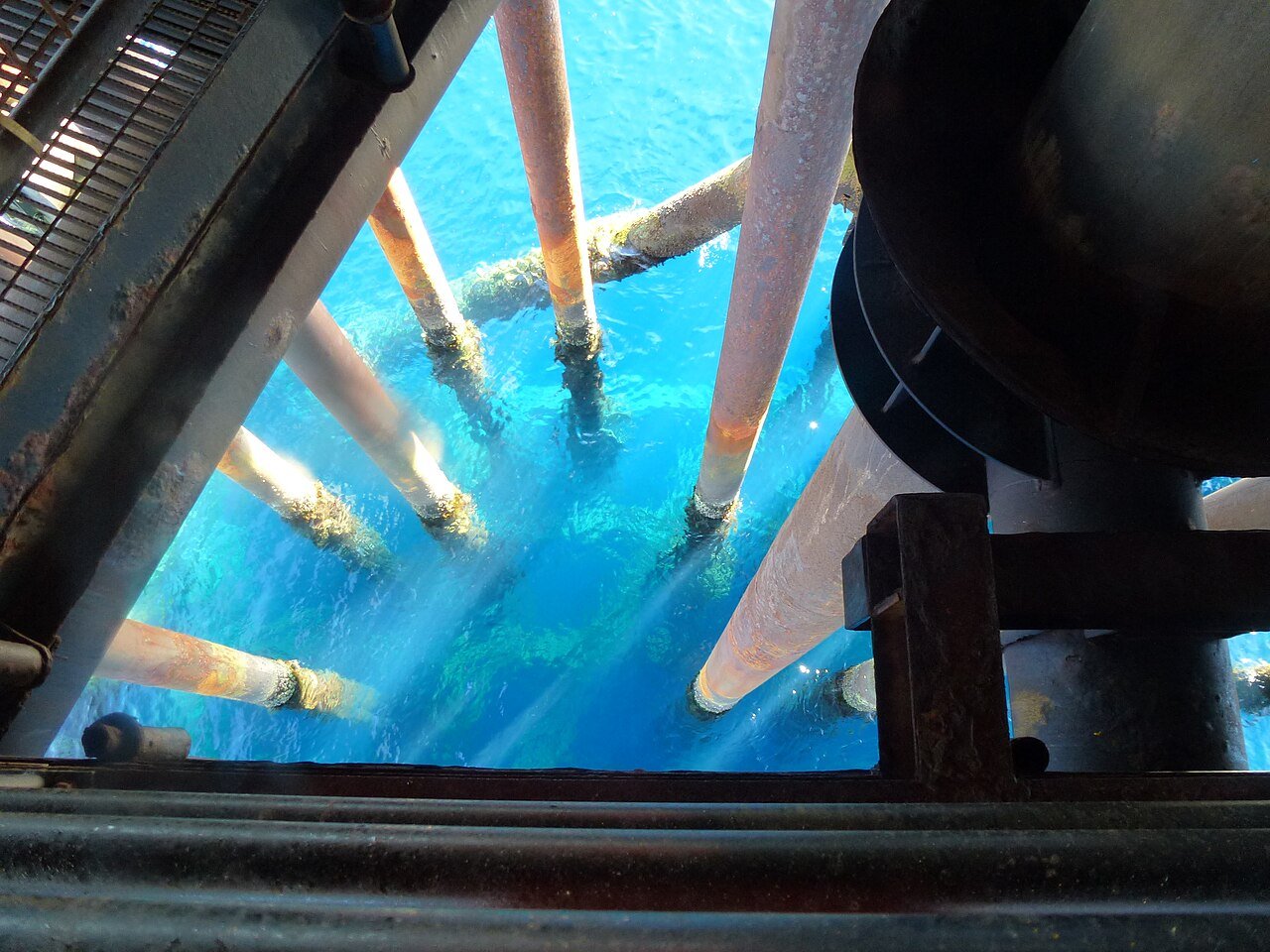
The Java Sea shelf hosts numerous oil and gas production platforms, including the PHE ONWJ (Offshore North West Java) operated area and multiple KKKS (contractor) blocks. These platforms range from modern facilities to aging installations that have been in continuous service for 30+ years. Offshore leak sealing mobilization from Sipinus’s Jakarta base to Java Sea platforms is achievable within 24 hours via helicopter or fast boat, making genuine emergency response feasible for these locations.
Refineries: Continuous Process Units
Indonesia’s refineries — Balikpapan (RU V), Cilacap (RU IV), Balongan (RU VI), Dumai (RU II), and Plaju (RU III) — are continuous process facilities that cannot interrupt operations for individual leak repairs without cascading production and product supply consequences. Online leak sealing is the operational standard for refinery leak management: flange leaks, valve packing leaks, and small pipeline leaks are sealed while the unit remains at operating conditions, documented in the maintenance management system, and scheduled for permanent repair at the next turnaround. For valve-specific methodology applicable to refinery applications, read our guide on valve online leak sealing. For flange applications, read our guide on flange leak online sealing.
Pertamina Contractor Qualification and Working Framework
The majority of Indonesia’s oil and gas infrastructure is either operated by Pertamina (through its subsidiaries PHE, PHI, Pertamina Gas, and the refining directorate) or by KKKS contractors operating under PSC agreements where Pertamina holds the state interest. Working effectively as an emergency leak repair provider in this ecosystem requires:
- Registration and qualification in Pertamina’s vendor management system (PAMS)
- Compliance with Pertamina’s HSE management system requirements (SMKI)
- Understanding of Pertamina’s work permit and isolation systems (Surat Ijin Kerja / SIK)
- Experience with Pertamina’s maintenance management system (SAP PM) for work order and documentation integration
- Relevant certifications and local content compliance (TKDN — Tingkat Kandungan Dalam Negeri)
Sipinus maintains the qualifications and operational familiarity with Pertamina’s systems needed to deploy effectively within Pertamina-operated facilities. Contact Sipinus to discuss qualification status for specific Pertamina entities.
Emergency Response Logistics for Indonesia
Sipinus’s emergency response logistics framework for Indonesian oil and gas operations:
- Jakarta hub: Primary engineering, fabrication, and equipment base. Covers West and Central Java refineries and offshore Java Sea platforms within 24 hours.
- Balikpapan logistics support: Pre-positioned equipment and fabrication support for East Kalimantan operations including Mahakam block and Bontang LNG. Offshore helicopter mobilization from Balikpapan within 24–36 hours.
- Sumatra coverage: Direct flight connections from Jakarta to Pekanbaru (Duri/Minas), Palembang (Plaju refinery), and Dumai (RU II). Response within 24 hours for most Sumatra locations.
- Air charter for remote locations: For truly remote locations not served by commercial aviation, Sipinus coordinates charter flights to minimize mobilization delay.
- Frame agreements for major operators: Pre-negotiated response protocols, pre-positioned equipment, and advance qualification with Pertamina and major KKKS operators reduce emergency response time to minimum.
For the financial analysis of emergency leak repair investment vs. production loss and liability exposure, read our guide on emergency leak repair cost and downtime reduction. For the technology options available for each leak scenario, read our guide on online leak sealing technology and methods.
Frequently Asked Questions about Emergency Leak Repair in Indonesian Oil and Gas
Does Sipinus have SKK Migas approved contractor status?
Sipinus operates within the SKK Migas approved contractor frameworks applicable to its services. Contact Sipinus directly for current qualification status with specific KKKS operators under SKK Migas oversight.
How does Sipinus handle TKDN (local content) requirements?
Sipinus is an Indonesian company providing services with significant Indonesian content — engineering, fabrication, and field execution by Indonesian-qualified personnel. TKDN documentation is available for all Sipinus services. Contact Sipinus for specific TKDN data relevant to your project requirements.
What documentation does Sipinus provide for SKK Migas reporting?
Sipinus provides a full engineering data pack with every job — engineering calculations, fabrication drawings, material certificates, installation records, and photographic documentation — structured to support SKK Migas regulatory reporting and asset integrity management requirements. This documentation package is designed to withstand regulatory audit.
Can Sipinus provide services under emergency call-out with no advance notice?
Yes — 24/7 emergency response is a core Sipinus service offering. The duty engineer and mobilization coordinator are accessible around the clock for genuine emergencies. Response time from initial call to on-site deployment depends on location but targets 4–8 hours for Java and major Kalimantan and Sumatra locations, 24–36 hours for remote and offshore.
HSE Management for Emergency Leak Repair in Indonesian Oil and Gas
HSE management for emergency leak repair in Indonesian oil and gas operations requires integration with each facility’s formal HSE management system — which for PSC operators typically mirrors the operator’s global HSSE framework (Shell HSSE, Chevron OE, BP HSE, TotalEnergies MAESTRO, or equivalent). Sipinus operates within these frameworks, not around them. Every job begins with a Job Safety Analysis (JSA) or Task Risk Assessment (TRA) aligned to the host facility’s requirements, and the Sipinus work method statement is reviewed and approved by the facility’s permit-to-work authority before any work begins.
Key HSE elements specific to emergency leak repair in Indonesian oil and gas environments:
- SIMOPS coordination: Simultaneous operations on offshore platforms and in busy onshore facilities must be coordinated to ensure that leak sealing work does not conflict with other ongoing maintenance, production operations, or emergency response activities. Sipinus coordinates SIMOPS planning with the facility’s operations team as part of job preparation.
- Permit-to-work compliance: Indonesia’s major operators use formal PTW systems — Pertamina’s Surat Ijin Kerja (SIK), Shell’s PTW, and equivalent systems. Sipinus personnel are trained to operate within these systems and can support preparation of permit applications including isolation certificates, risk assessments, and hot work/cold work classification documentation.
- Emergency response integration: The work method statement for each emergency leak sealing job includes an emergency response section specifying: escalation triggers (leak worsening, ignition), immediate actions, assembly point, emergency contacts, and coordination with the facility’s emergency response team. This section is briefed to all team members before work starts.
- Waste and environmental management: Process fluid captured during leak sealing operations — in drip trays, containment equipment, or as sealant injection waste — is managed as hazardous waste in accordance with the facility’s waste management procedures and Indonesian environmental regulations.
Integrating Emergency Response with Asset Integrity Management
The most mature approach to emergency leak repair in Indonesian oil and gas is not to treat each event in isolation, but to integrate the emergency response into a broader asset integrity management (AIM) framework that learns from each event and reduces future risk. Key integration points:
- Root cause analysis: Every emergency leak event should be followed by a root cause analysis that identifies the underlying failure mechanism — corrosion, fatigue, incorrect specification, inadequate inspection interval — and drives corrective action in the AIM program to prevent recurrence at the same or similar locations.
- Inspection interval adjustment: If a leak event occurs between scheduled inspections, the inspection interval for that component class or location should be reviewed and shortened if warranted by the failure mechanism analysis.
- Leak register maintenance: A facility-level leak register that records all leak events — location, component type, operating conditions, repair method, sealant used, date — provides the data set for trend analysis that identifies systemic integrity issues before they produce multiple simultaneous emergencies.
- Turnaround scope development: Every emergency online seal creates a turnaround scope item — permanent repair or component replacement. Tracking these items and ensuring they are included in the next planned maintenance window prevents the accumulation of aging repair hardware and deferred risk.
For the technology options available to support each element of an integrated leak management program, read our guide on online leak sealing technology and methods. For the financial framework supporting investment in a structured program, read our analysis of emergency leak repair cost and downtime reduction.
Related Articles: Emergency Leak Online Sealing | Emergency Leak Online Repair Solution | Online Leak Sealing Services Indonesia | High Pressure Leak Sealing Solution | Pipeline Emergency Leak Repair