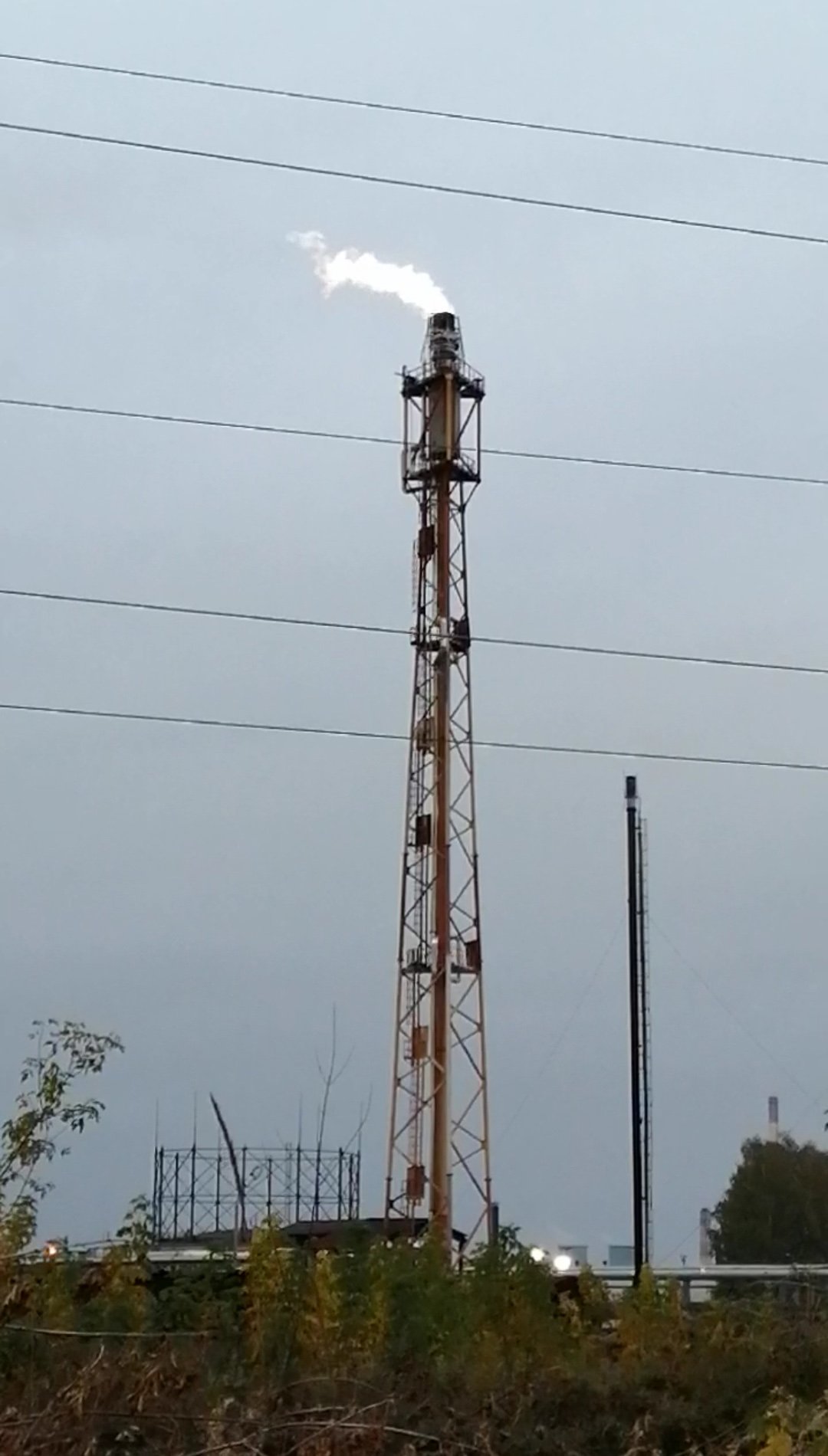
A jasa emergency leak online sealing is a specialist contractor service for sealing an active leak on a pressurised industrial system while it remains in operation — no shutdown, no depressurisation, no drain-down. In Indonesia the term is used for everything from a two-hour flange injection on a terminal manifold to a multi-day campaign on a refinery unit, and the quality gap between providers is wide.
This article is a procurement briefing, written in English for project engineers, maintenance planners and buyers who must shortlist and appoint a live leak sealing contractor in Indonesia. It sets out what belongs in a scope of work, what crew competency should look like, which equipment must arrive on site, the HSE documentation that is non-negotiable, and the tell-tale signs of a contractor who will not perform.
What Does the Service Actually Include?
A complete live leak sealing service has five stages. Any proposal that covers only stage three is a labour supply arrangement, not a sealing service.
| Stage | Deliverable | Evidence to demand |
|---|---|---|
| 1. Technical assessment | Feasibility decision, method selection, parameter envelope | Written assessment naming pressure, temperature, fluid and wall condition assumptions |
| 2. Engineering and design | Enclosure design, sealant selection, injection pressure limit | Design basis with thickness calculations and sealant compatibility statement |
| 3. On-site execution | Installation, injection, cure, leak check | Parameter log before and after, photograph record |
| 4. Verification | Documented containment with stated residual risk | Signed post-job report, leak check results, monitoring recommendation |
| 5. Permanent repair planning | Recommendation for replacement or inspected composite repair | Scope and target window for the follow-up work |
Buyers frequently receive only stages three and four. That leaves the operator carrying design risk on a pressure boundary, which is precisely the risk a specialist contractor exists to absorb.
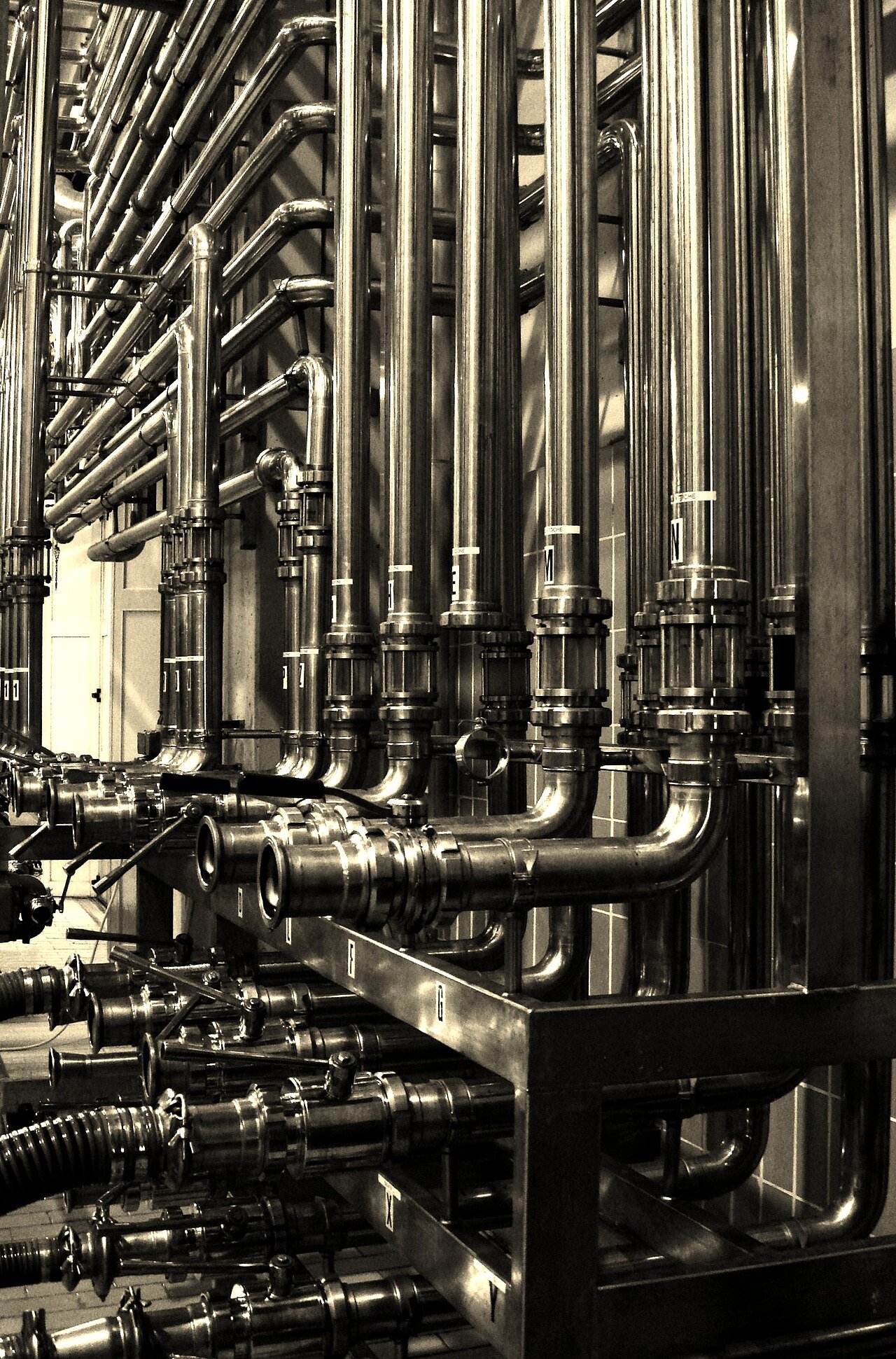
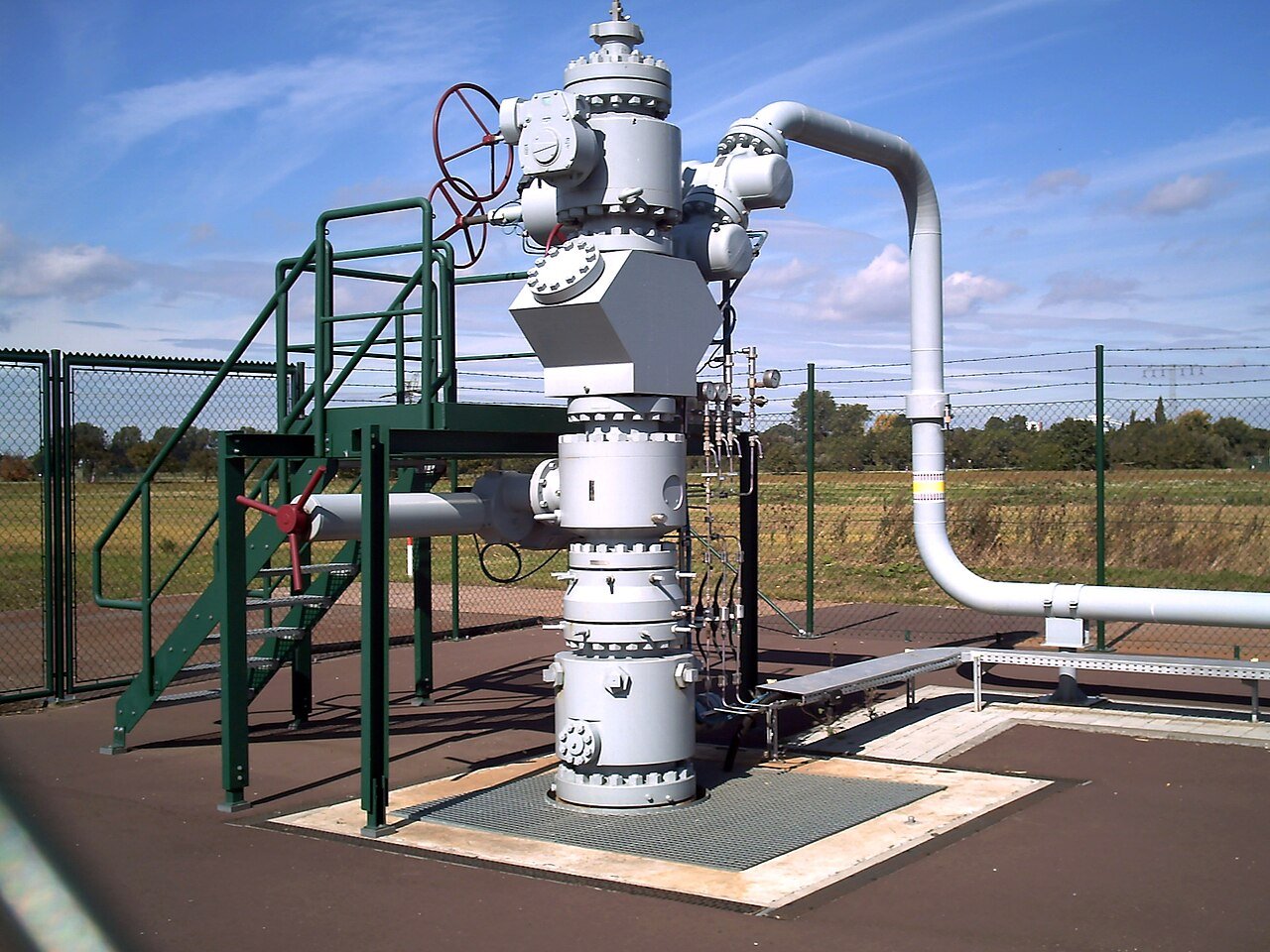
Dense manifold pipework is where isolation becomes impractical and a properly scoped valve online leak sealing capability proves its worth.
Scope of Work: What to Specify
A workable scope of work for live leak sealing should be specific enough to compare bids and open enough to let the contractor use their expertise. Include the following sections.
Asset and defect description
- Line number, service, fluid and hazard classification, including H2S content where applicable.
- Design and operating pressure and temperature, plus any cyclic or batch variation.
- Nominal size, wall schedule, material and, where known, measured minimum wall thickness.
- Defect classification — flange leak, valve gland, pinhole, crack-like, general wall loss.
- Location, elevation, access constraints and proximity to live equipment or occupied areas.
Technical requirements
- Methods permitted and any the operator will not accept, with reasons.
- Standard basis — typically ASME PCC-2 for clamp and composite work, ASME B31.3 for piping design, ISO 24817 where composite wrap is contemplated.
- Sealant compatibility requirements against the actual fluid and temperature envelope.
- Maximum allowable injection pressure, defined by the operator’s process authority or agreed jointly and documented.
- Requirement to state the operating envelope within which the repair is valid.
HSE and permit requirements
- Job safety analysis and method statement submitted for review before mobilisation, not on arrival.
- Gas testing and continuous monitoring obligations, with instrument calibration records.
- PPE specification beyond the site minimum, including chemical and thermal protection.
- Permit-to-work process, induction requirements and simultaneous operations constraints.
- Stop-work authority granted explicitly to every crew member, documented in the method statement.
For a deeper treatment of the safety obligations on both sides, see the high-pressure leak sealing solution guide.
Crew Competency: What to Look For Beyond Certificates
Certificates prove attendance, not capability. The following competencies actually determine whether a crew can seal a leaking flange at 02:00 without creating a second emergency.
- Defect interpretation. The ability to look at a leak and decide whether it is a gasket failure, a wall defect, a crack, or an installation error — because each has a different answer.
- Enclosure fitting judgement. Knowing when a stock clamp can be adapted and when the geometry demands fabrication, and how much clearance the injector requires.
- Sealant selection. Matching sealant family to fluid, temperature and gap dimension, and recognising when no available sealant is suitable.
- Injection control. Reading pressure response during injection and stopping before the enclosure or pipe is overloaded.
- Hot work and ignition control. Understanding vapour behaviour and the discipline of controlling ignition sources around a live hydrocarbon release.
- Documentation. Recording parameters at each stage so the repair can be reviewed, monitored and eventually replaced.
- Escalation behaviour. The willingness to stop and call for engineering support rather than improvise on a live system.
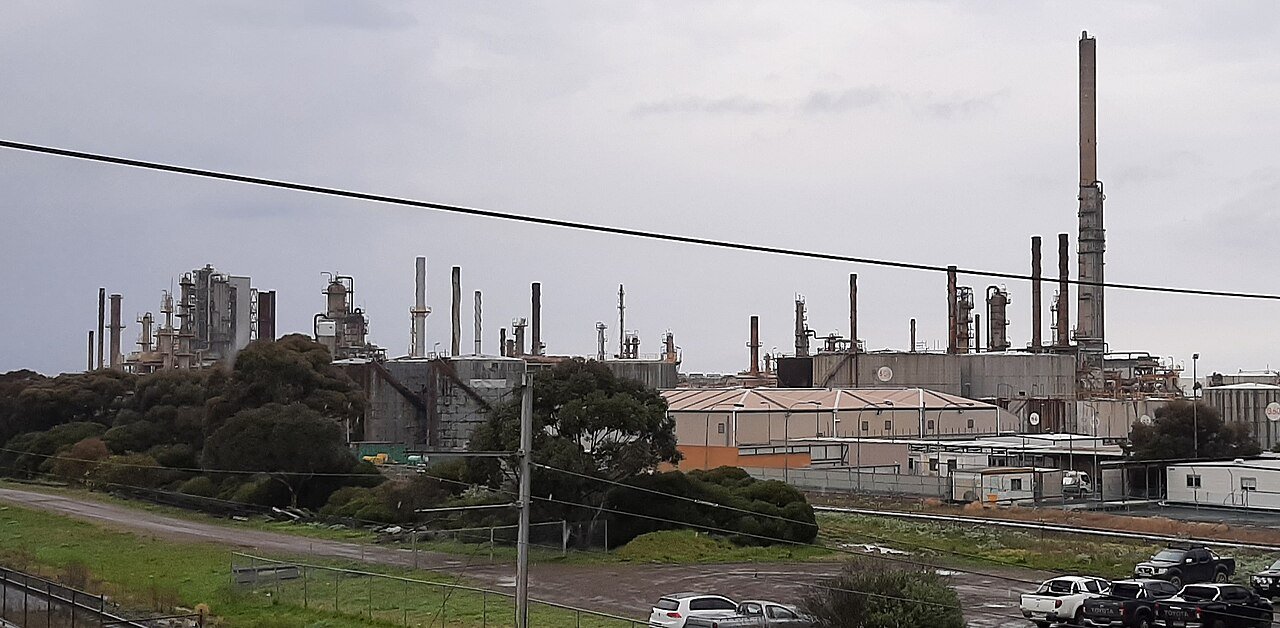
Live sealing crews work inside an operating unit under permit control. Competency in reading the plant context is as important as competence with the tooling.
The method statement should name the standard it follows. Credible contractors write their procedures against the post-construction repair standards published by ASME, and where a composite wrap is proposed, against ISO 24817 for the laminate design calculation. A proposal that cites no standard is a proposal you cannot audit after the event.
The Equipment That Must Arrive On Site
Ask for the equipment manifest as part of the bid. A crew that turns up with tooling and no engineering support contradicts the scope in stage one.
- Injection equipment — high-pressure rated injection pumps, hoses, fittings, gauges and manifolds, all within calibration.
- Enclosures — a practical stock of clamps and injection rings plus material for on-site fabrication, with the fabrication capability to cut, fit and weld if required.
- Sealants — multiple families covering the fluid and temperature ranges in the scope, with batch and expiry records.
- Torque tooling — calibrated wrenches, tensioners or torque multipliers appropriate to the bolting size.
- Inspection and monitoring — thickness gauging, gas detectors for the relevant compounds, thermometry and leak-detection consumables.
- Safety equipment — face shields, chemical gloves, heat-resistant clothing, harness and fall protection where work is at height.
- Documentation pack — job safety analysis, method statement, injection pressure agreement template, post-job report format.
What a Professional Proposal Looks Like
Whether you are comparing three bids or appraising a single sole-source appointment, a credible proposal contains all of the following. Absence of any item is a legitimate reason to seek clarification before award.
| Section | Minimum content |
|---|---|
| Technical approach | Method selected, why it fits the defect, envelope within which it holds |
| Engineering basis | Standard references, thickness and pressure calculations, sealant compatibility |
| Personnel | Named crew with roles, competency evidence, medical fitness status |
| Equipment manifest | Itemised tooling, calibrated instruments, enclosure and sealant stock |
| HSE documentation | Draft JSA and method statement, PPE specification, stop-work policy |
| Mobilisation commitment | Stated response window with assumptions, and a nominated duty contact |
| Deliverables | Post-job report contents, parameter records, photographic evidence |
| Commercial structure | Basis of pricing, emergency premium definition, exclusions, validity period |
| Limitations | Explicit statement of what the contractor will not undertake and why |
Competence is verifiable, not asserted. Coating and lining inspectors are certified through AMPP, formerly NACE, and for assets under Indonesian upstream regulation the working permit sits with Ditjen Migas, so a bidder should be able to explain how the job is notified and permitted. Ask for certificate numbers and issuing bodies, not attendance sheets.
Red Flags in Indonesian Live Sealing Procurement
Certain claims reliably predict poor outcomes. Treat each as a prompt for a specific, evidence-based question.
- “We can seal anything.” No contractor can. Ask for the envelope and for examples they declined.
- “Permanent guarantee.” A live seal is engineered containment, not a permanent replacement. Ask what permanent repair they recommend and when.
- No written technical assessment. Ask for the design basis, including wall thickness assumptions.
- Price quoted without a site survey. That is an estimate with unknown assumptions. Ask for the assumptions in writing.
- Subcontract-only crews. Ask who employs the technicians and how availability between jobs is maintained.
- Sealant chosen from stock rather than from chemistry. Ask for the compatibility assessment for your specific fluid and temperature.
- No mention of a maximum injection pressure. Ask who determines it and how it is recorded.
- Reluctance to provide documentation before mobilisation. A crew that will not submit a draft job safety analysis in advance will not produce meaningful paperwork on site.
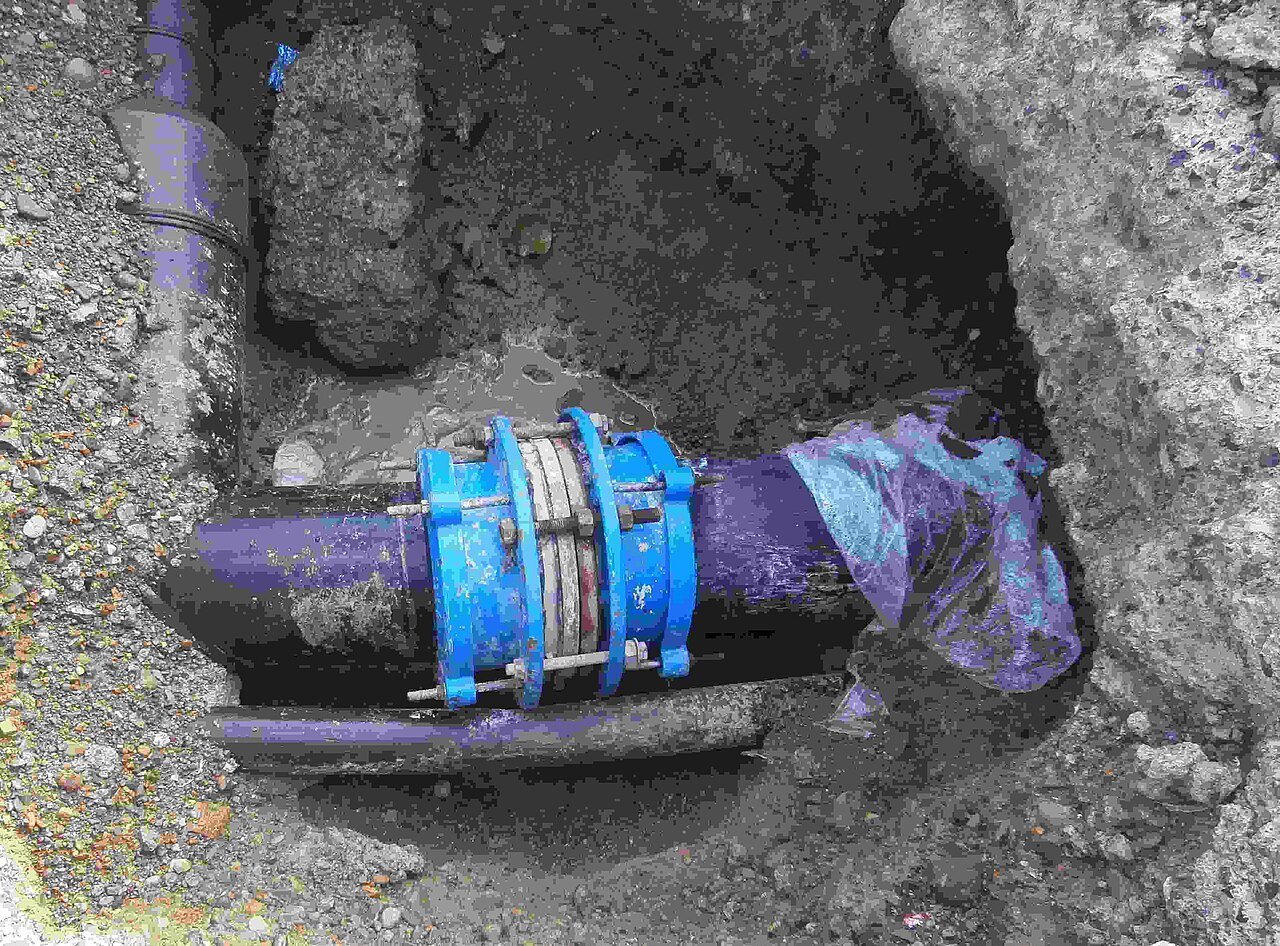
Containment under operating conditions is the deliverable — but it is only defensible when the design basis is documented and the parameters are recorded.
Comparing Bids Fairly
Sealing bids are rarely comparable on price alone because the scopes differ. Normalise them before deciding.
- Confirm the scope covers all five stages — assessment, engineering, execution, verification and permanent repair planning.
- Check the mobilisation commitment basis. Does the clock start on the call or on signature of a purchase order? That difference can be a day.
- Compare the sealant and enclosure offered, not just the labour hours. A cheap rate with inadequate stock generates a second mobilisation.
- Weight documentation quality. It determines audit exposure and the value of the repair record.
- Test the technical conversation. Ask each bidder the same three questions — maximum injection pressure basis, sealant compatibility, and when they would refuse the job — and compare the substance of the answers.
For a formal procurement route with weighted evaluation criteria, use the request a scope of work template as a starting structure.
Key Takeaways
- A proper jasa emergency leak online sealing scope covers five stages from assessment to permanent repair planning — not just labour on site.
- Demand a written technical assessment, a design basis with calculations, and a stated operating envelope.
- Maximum allowable injection pressure must be agreed and documented before injection begins.
- Equipment manifest and calibration records belong in the bid, alongside the JSA and method statement.
- Competency means judgement under pressure, not certificate count.
- Suspicion is warranted for any bidder who claims unlimited capability or offers a permanent guarantee on a live seal.
- A contractor who states clear limitations is safer to appoint than one who promises everything.
Commercial Structure and Budget Control
Live sealing pricing in Indonesia typically combines a call-out or mobilisation component, a base execution rate, and consumption of enclosures and sealants. How those components are framed matters more than the headline number.
- Mobilisation. Clarify what it includes — personnel, equipment, freight, permits — and what triggers a second mobilisation charge.
- Emergency premium. Establish the definition, including the hours and days on which it applies.
- Consumables. Agree unit rates for sealants and clamp stock in advance, and require that unused items are returned or credited.
- Standby. For high-consequence assets, a retained standby arrangement usually costs less than repeated emergency premiums, and shortens response.
- Documentation. Confirm the post-job report is included, not billed as an extra.
A retained arrangement also creates the space for planned work: flange leak online sealing and valve online leak sealing campaigns executed during planned outages are far cheaper per seal than the same work done at three in the morning.
Working With Sipinus
Sipinus delivers live leak sealing and related industrial services for operators across Indonesia, with technical assessment, on-site execution and documented handover as a single scope. We will tell you when a defect sits outside the method envelope — that assessment is part of the service.
To discuss a sealing requirement, send the asset details, fluid parameters and photographs of the leak location, together with any constraints on access or permits. Reach the team on WhatsApp 082199001706 or at info@sipinus.co.id. Our services page lists the wider capability set, and the emergency leak online sealing reference explains the technical basics.
FAQ: Jasa Emergency Leak Online Sealing
What documents should a contractor provide before work starts?
A job safety analysis, a method statement, evidence of crew competency and medical fitness, calibration records for injection and gas monitoring instruments, and a written technical assessment stating the repair envelope. These should arrive for review before mobilisation. Documentation produced only after arrival usually means it was written to satisfy an audit rather than to plan the job.
How is pricing usually structured?
Typically a mobilisation component covering personnel, equipment and freight, plus an execution rate and consumption charges for enclosures and sealants. Ask for unit rates for consumables, a precise definition of the emergency premium, and clarity on when a second mobilisation becomes chargeable. Retained standby agreements are often cheaper overall for high-consequence assets.
Can a contractor guarantee the seal permanently?
No. A live seal restores the pressure boundary and buys operating time, but it does not restore the original component. Any contractor offering a permanent guarantee on a live seal is either misunderstanding the method or overstating what they control. What you should receive is a documented containment with a stated residual risk and a recommendation for permanent repair.
Should we accept the lowest bid?
Not on price alone. Bids differ in scope coverage, stock depth, documentation and mobilisation basis. Normalise the scopes first, then weight documentation quality and technical substance. A lower rate with inadequate enclosure stock frequently produces a second mobilisation, which erases the saving and lengthens the outage.
How do we verify competency rather than just certificates?
Ask each candidate crew’s technical lead the same three questions: how they determine maximum injection pressure, how they select sealant for a specific fluid and temperature, and when they would refuse the job. Compare the depth of the answers. Then ask for two examples of comparable live repairs with the parameters involved, and check the reasoning, not just the outcome.
Leak still running and the plant is on limited time? Our response desk is staffed around the clock. Message the emergency team on WhatsApp or send a site brief with the line ID, medium, operating pressure and temperature, and we will confirm scope before mobilisation.
Conclusion
Appointing a jasa emergency leak online sealing contractor is a technical procurement decision disguised as a maintenance purchase. The scope determines whether you are buying engineering or labour, the documentation determines your audit exposure, and the mobilisation commitment determines whether the repair happens tonight or next week.
The practical approach is to run a structured selection before you have a leak: normalise scopes across bidders, insist on the full five-stage deliverable set, weight documentation and technical substance over headline price, and prefer the contractor who states their limitations plainly. That contractor is the one who will tell you honestly when to seal and when to shut down.