Emergency leak online sealing cost is driven by six variables: defect complexity, operating pressure, operating temperature, fluid characteristics, site access and the mobilisation distance. The service cost itself is usually a small fraction of the value at stake, because the alternative — an unplanned shutdown — removes production, adds restart cost and delays every activity queued behind it. Judging the price without that comparison produces the wrong decision.
This guide is written for operations managers, maintenance planners, finance business partners and procurement leads who have to build a defensible budget for live leak repair in Indonesia. It explains what drives the cost, how to compare routes on a total-cost basis, how emergency premiums differ from planned work, and why a price quoted without a site survey is an estimate with unstated assumptions rather than a price.
What Determines the Cost of Live Leak Repair?
Cost is not a function of leak size alone. Two leaks of identical diameter can differ several-fold in cost depending on the factors below.
| Cost driver | What it changes | Relative weighting |
|---|---|---|
| Defect complexity | Whether a stock clamp fits or an enclosure must be designed and fabricated; number of injection points | High |
| Operating pressure | Enclosure thickness, bolting specification, injection equipment rating, safety measures | High |
| Operating temperature | Sealant family selection, personnel protection, work duration limits | High |
| Fluid characteristics | Hazard class, toxicity, H2S and benzene presence, required monitoring and PPE | Medium to high |
| Site access | Elevation, scaffolding, confined space, distance from laydown area, simultaneous operations constraints | Medium to high |
| Mobilisation distance | Freight, crew travel, aviation or vessel dependency, permit and induction time | Medium, high for remote sites |
| Duration on site | Labour hours, equipment hire, delay risk from weather or access | Medium |
| Timing | Emergency premium for out-of-hours, weekend and holiday working | Low to medium |
Note that the costliest items are technical, not commercial. A builder who quotes a high price because the geometry demands a fabricated enclosure is describing reality; a builder who quotes a low price because they assumed a stock clamp would fit is describing a hope.
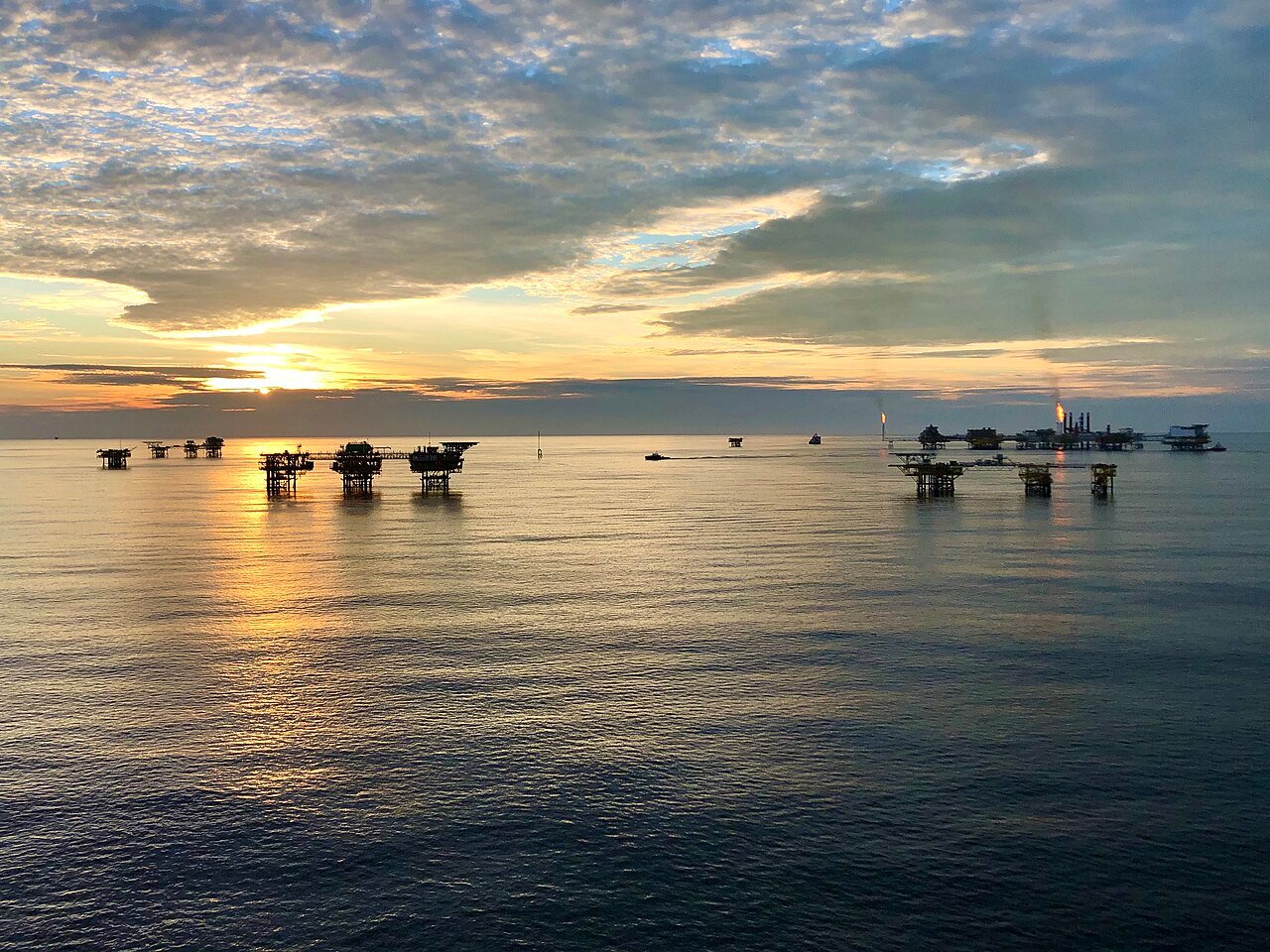
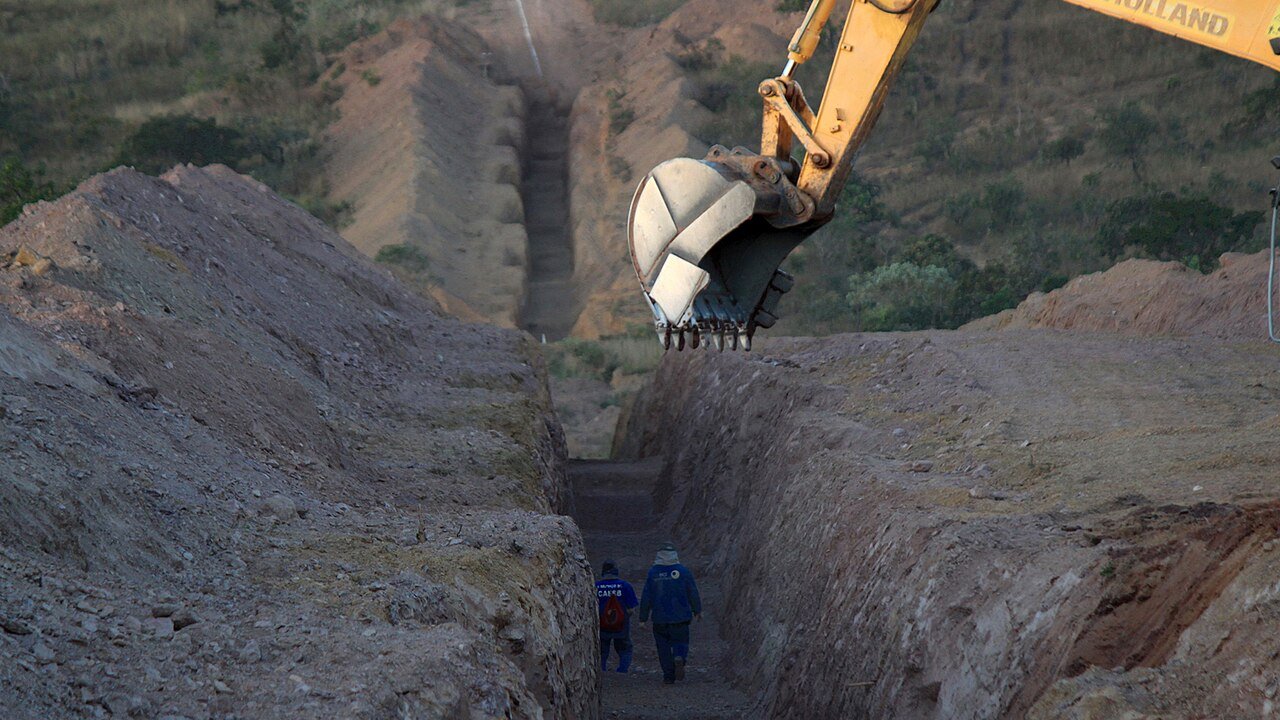
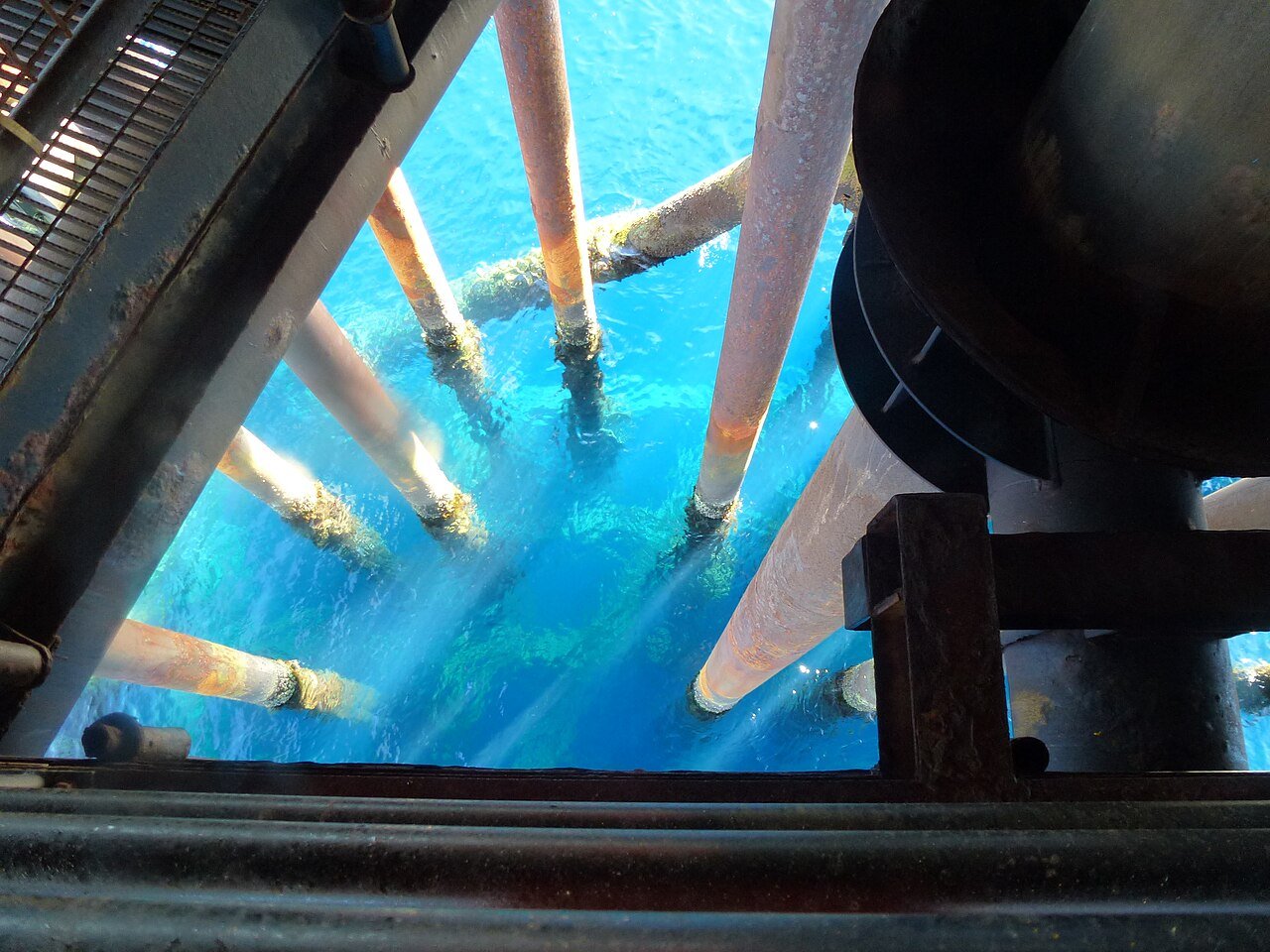
Asset type and access constraints are among the largest cost drivers. A remote or offshore location adds mobilisation cost that no amount of negotiation removes.
Two bidders quoting the same leak can be quoting two different repairs, and the difference usually sits in the design basis. A procedure written to ASME post-construction repair standards carries engineering hours that a wrap-and-hope approach does not. Ask for the calculation route before you compare numbers.
The Comparison That Actually Matters
The financially meaningful choice is not “seal versus not seal”. It is “seal now versus shut down and repair”. Compare the four routes on the same basis.
| Dimension | Live online sealing | Planned shutdown repair | Immediate shutdown after failure |
|---|---|---|---|
| Direct repair cost | Service cost, enclosure, sealant, mobilisation | Lower unit cost, higher scope due to access work | Highest — emergency scope plus consequential damage risk |
| Production loss | None to minimal | Planned, quantified and negotiated | Unplanned, often at maximum rate |
| Restart cost and risk | Avoided | Planned and budgeted | Unplanned, with elevated risk of equipment damage |
| Schedule impact | Repair completed in hours | Slotted into the next available window, potentially months away | Immediate, displacing all other work |
| Supply commitment risk | Minimal | Manageable with notice | High — penalties and customer confidence effects |
| Residual liability | Permanent repair still owed and must be scheduled | Resolved at the time of repair | Resolved but at maximum cost |
For a single-train asset with committed offtake, the right-hand column is usually an order of magnitude more expensive overall. That asymmetry — not the sealing invoice — is the argument for maintaining a live sealing capability. The pattern is examined in more detail in the emergency leak repair cost and downtime reduction analysis.
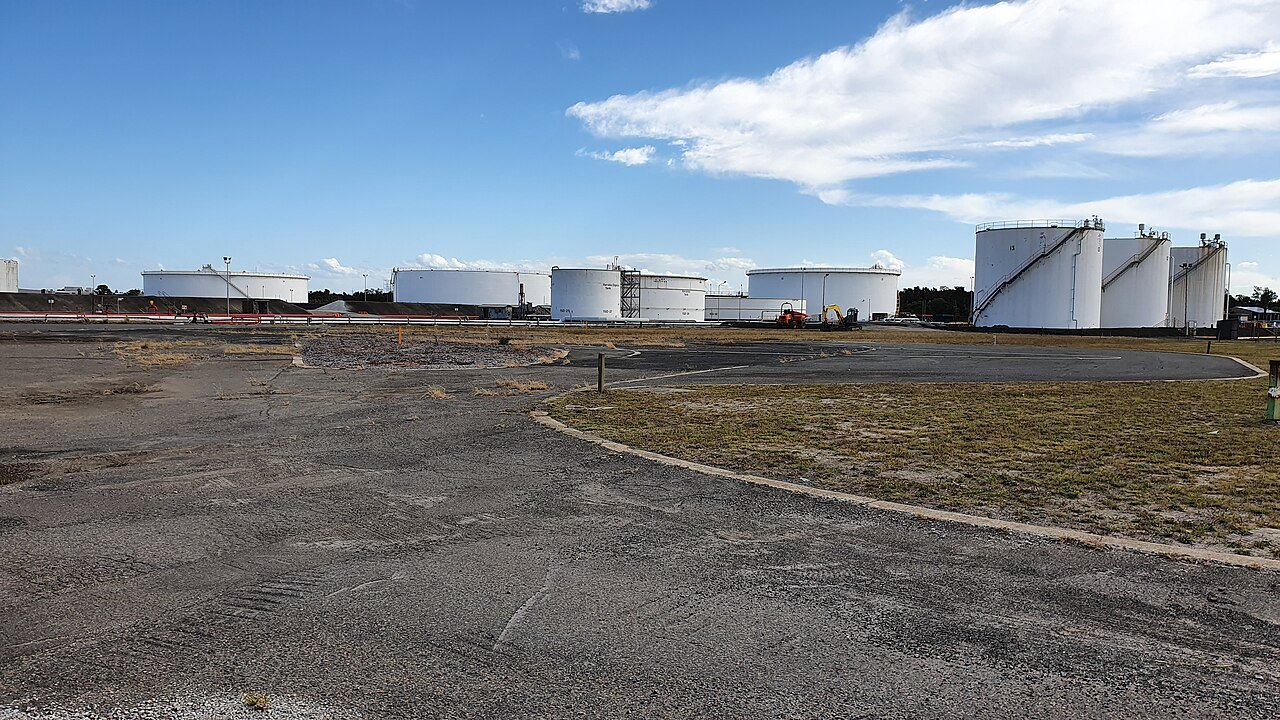
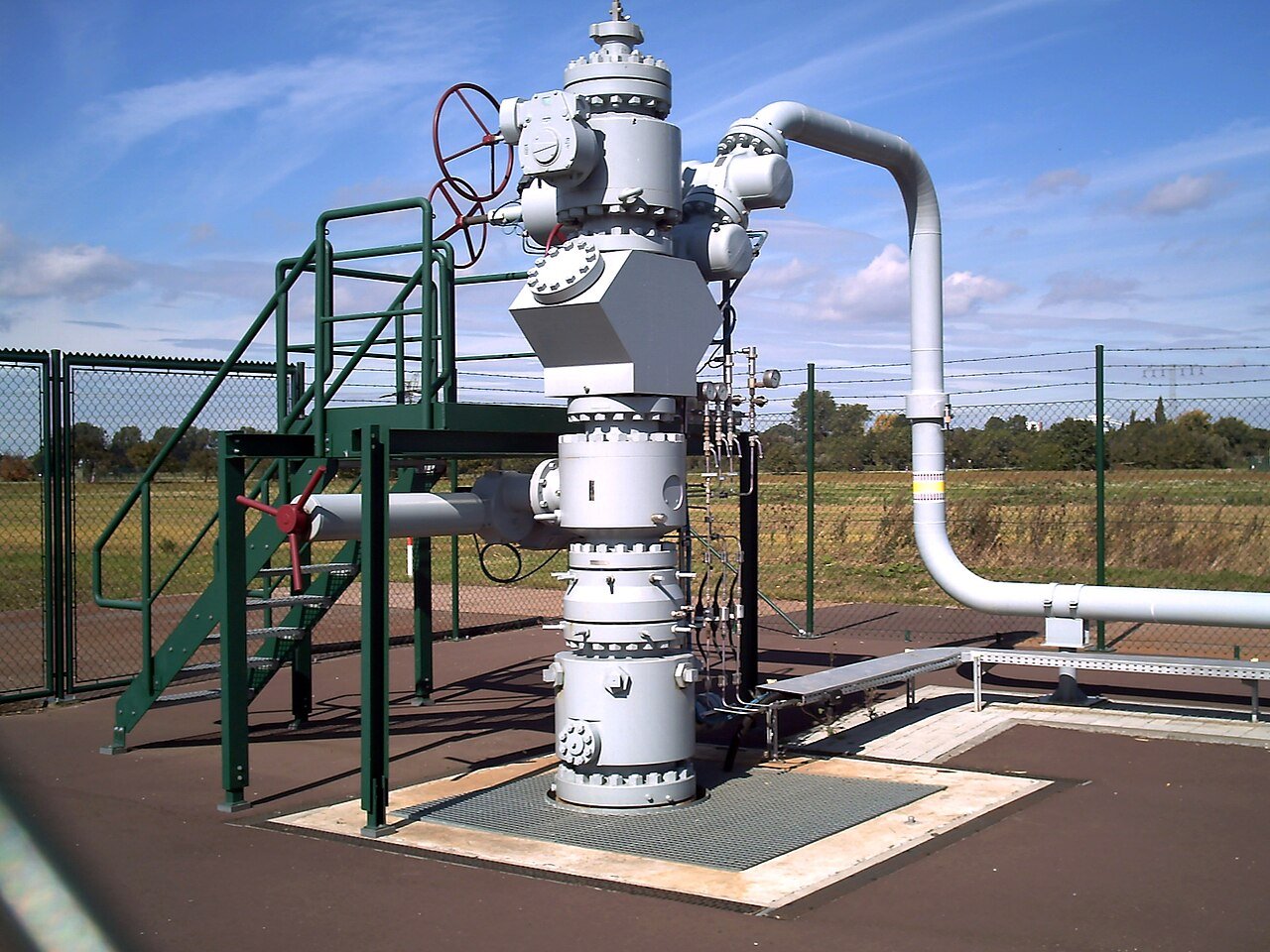
Terminals and tank farms carry continuous throughput exposure. Even a short outage to repair a leaking manifold has a quantified cost per hour.
Cost Drivers Explained in Operational Terms
Why pressure and temperature dominate
Higher pressure increases enclosure wall thickness, bolting requirements and injection equipment rating, and it raises the safety measures needed at the workface. Higher temperature constrains sealant choice to families that will cure and hold at operating conditions, and it shortens the practical work window for personnel exposed to hot surfaces. Both therefore multiply engineering hours, not just material cost.
Why fluid characteristics matter more than they appear
Sour service containing H2S or a benzene-containing stream changes instrumentation, PPE, monitoring frequency and the number of people required to hold the area. These are ongoing costs for the duration of the job, so a leak that takes twelve hours instead of four may double the cost purely through monitoring and supervision requirements.
Why access can exceed the sealing cost
A leaking flange at ground level between two pumps is a straightforward job. The same leak four metres up a pipe rack, behind insulation, in a congested module requires scaffolding, insulation removal, reinstatement and possibly a permit for work over live equipment. The sealing labour may be unchanged while the total cost triples.
Why remote mobilisation is a different order of cost
Moving a crew and equipment to a site in Papua involves commercial flights with weight limits, overnight accommodation, camp access, and often a weather-dependent vessel transfer. The service element stays similar; the mobilisation element can exceed it. For remote assets, pre-positioned stock and a locally trained team are the two levers that reduce lifetime cost most effectively.
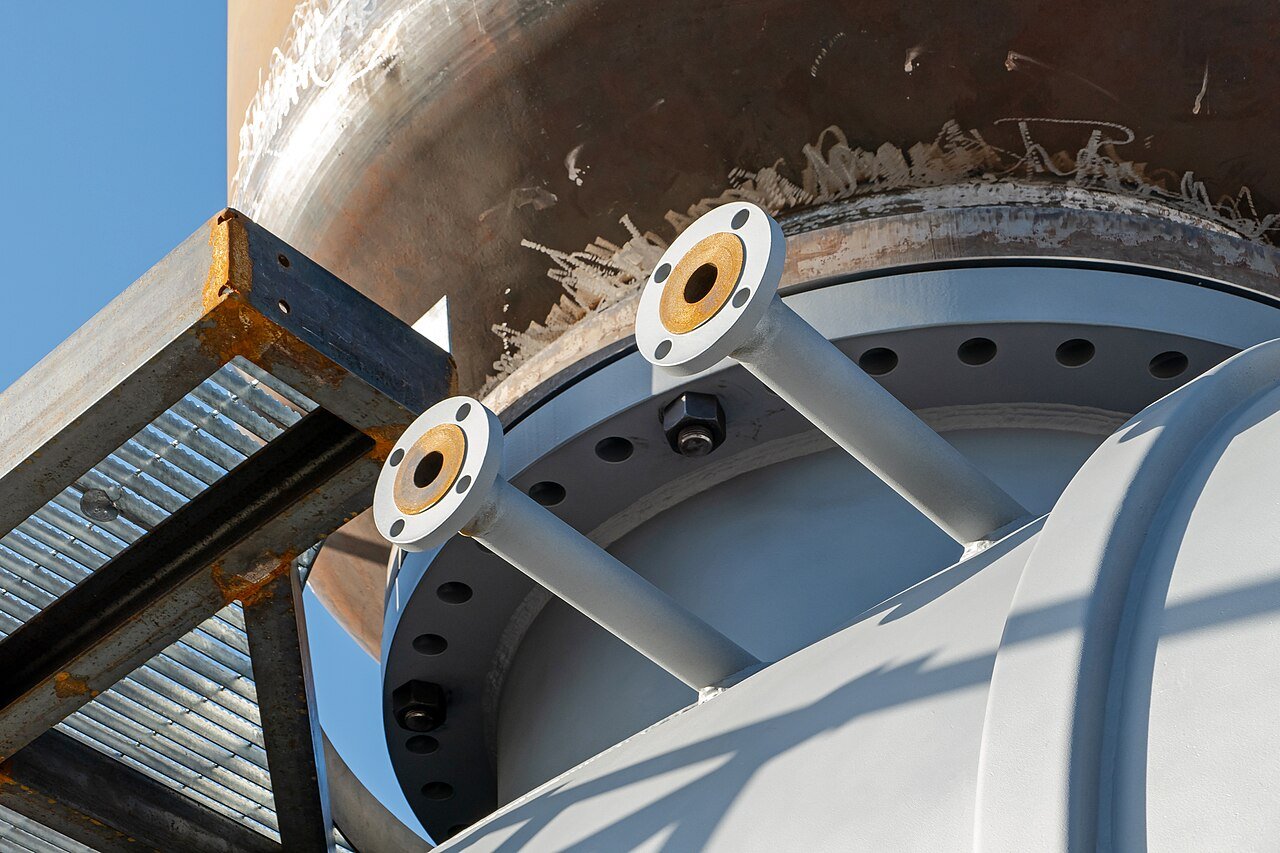
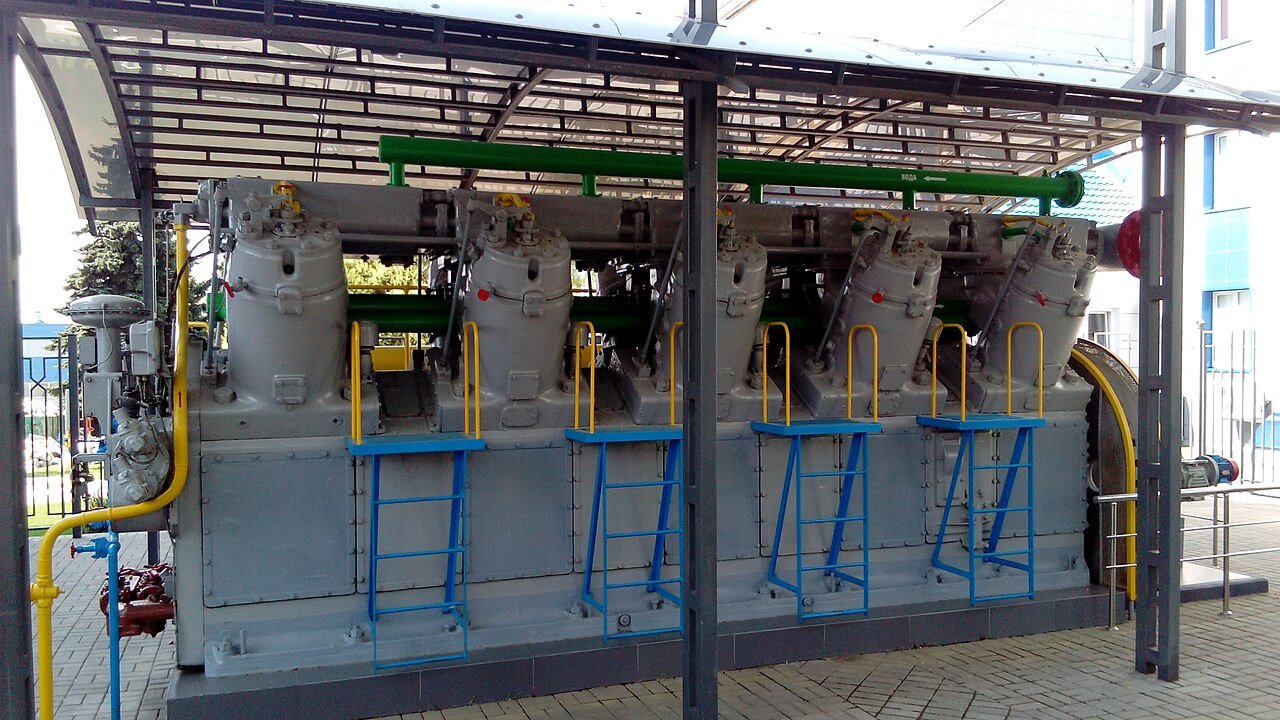
Whether a stock enclosure fits or a bespoke one must be fabricated is often the single largest swing factor between two quotes for the same leak.
Emergency Premium Versus Planned Work
Out-of-hours working costs more for legitimate reasons: crew call-out, premium labour rates, reduced productivity in poor light, additional supervision and slower permit approval. The premium is justified when the alternative is losing production; it is poor value when the same work could be done safely in a planned window.
The practical implication is to split your leak sealing budget into two lines:
- Reactive line — emergency response capacity for leaks that cannot wait. Protect this; it is insurance, not discretionary spend.
- Planned line — sealing work executed during planned outages and turnarounds on known-bad joints and thinned sections. Same service, materially lower cost per seal, no emergency premium, no production loss.
Most savings in this category come from migrating work from the first line to the second as condition monitoring identifies defects early. See flange leak online sealing for how planned flange work is scoped, and valve online leak sealing for the equivalent on valves.
Safety scope is neither optional nor free. Gas testing, respiratory protection and standby arrangements for work on live hydrocarbon systems follow the control logic described by OSHA for process safety and by Ditjen Migas for Indonesian upstream facilities. A bid that omits them has simply moved the cost to the variation-order stage.
Building a Budget That Survives Scrutiny
Emergency sealing budgets get challenged because they are often built from a single historical invoice. A more defensible structure:
- Inventory the exposure. List assets that cannot be isolated in a reasonable time. That list is your risk register.
- Classify by consequence. Separate assets where a leak halts the whole plant from those where it affects one train or one product line.
- Assign an indicative response category to each — hub-adjacent, regional or remote — using realistic mobilisation ranges.
- Estimate a cost band per event as a range, not a point, based on the drivers table above. Ranges are more honest and more useful than false precision.
- Estimate expected frequency from your own leak history and inspection findings rather than from an industry average.
- Add a contingency for events requiring a second mobilisation or extended duration.
- Present the avoidance case alongside it — the production value protected per event, using your own throughput and margin assumptions.
Presented this way, the sealing budget competes credibly against the cost of unplanned outages rather than looking like an operational luxury.
Why a Quote Without a Survey Is an Estimate
Enclosure design depends on measured geometry and assessed wall condition. Until someone has inspected the defect, any figure carries hidden assumptions about whether a stock clamp will fit, how many injection points are needed, and how long the job will take.
A professional contractor will therefore quote in one of two ways:
- After a survey, with a firm price for a defined scope and stated exclusions.
- Before a survey, as a range with the assumptions written down and a stated basis for movement.
What you should not accept is a confident fixed number offered without either. Ask for the assumptions in writing; a contractor who cannot articulate them has not done the engineering. For the wider procurement framework, see the request a cost assessment guide.
Planned work is cheaper precisely because it is planned against inspection data. Where an in-service inspection programme under API 570 feeds the maintenance plan, wall loss is caught as a trend rather than as a puddle on the deck, and the repair is scheduled into a turnaround instead of paid for at emergency rates.
Key Takeaways
Key Takeaways
- Emergency leak online sealing cost is driven by defect complexity, pressure, temperature, fluid, access and mobilisation distance — in that general order.
- The decisive comparison is seal-versus-shutdown, not seal-versus-nothing.
- Access and mobilisation frequently exceed the sealing labour element on congested or remote sites.
- Planned sealing during outages costs materially less than emergency work because the premium disappears and production is unaffected.
- Build budgets as ranges with stated assumptions, anchored to your own leak history.
- A firm price without a site survey is an estimate; demand the assumptions in writing.
- For high-consequence assets, a retained standby agreement is usually cheaper than repeated emergency premiums.
Managing Cost During the Emergency Itself
Once a leak is active, cost control is mostly about avoiding waste and second events. Practical measures:
- Get the parameters right the first time. Inaccurate fluid, pressure or temperature data leads to wrong sealant selection and a failed attempt, which is the most expensive form of waste.
- Prepare the site before the crew arrives. Access cleared, insulation removed where permitted, lighting provided, permits in progress. Hours saved here are hours not billed.
- Assemble the right people. Process engineer, HSE and permit authority available to make decisions, so the crew is not idle waiting for approvals.
- Require a single point of contact. Split communication between shift teams is a common cause of duplicated instructions and delay.
- Record everything. Parameter logs and photographs support the eventual permanent repair scope and prevent a repeat cost.
Talk to Sipinus About Your Requirement
Sipinus provides live leak sealing and related industrial services across Indonesia, including technical assessment before mobilisation and documented handover after execution. We will state plainly when a defect falls outside the method envelope, and we will quote as a firm price after survey or as a range with written assumptions before it.
To move quickly, send the line details, fluid parameters, defect photographs and any access or permit constraints. For the underlying technical method, see the emergency leak online sealing reference; for the end-to-end process, see the emergency leak online repair solution guide. Reach the duty team on WhatsApp 082199001706 or at info@sipinus.co.id.
FAQ: Emergency Leak Online Sealing Cost
Is emergency leak online sealing cheaper than a shutdown?
Almost always, in total cost terms. The sealing invoice covers service, enclosure and mobilisation; a shutdown adds lost production, restart cost and schedule displacement. For a single-train asset, those shutdown-side items are typically much larger. The exception is where sealing is not technically defensible, in which case a planned shutdown is both safer and cheaper than a failed attempt.
Why do two quotes for the same leak differ so much?
Usually because the scope differs. One bidder may assume a stock clamp fits; another may plan to fabricate an enclosure with multiple injection points. Sealant choice, monitoring requirements and the assumed duration also vary. Compare the assumptions, the enclosure approach and the documentation offered rather than the headline figure alone.
How much does mobilisation add to the cost?
For a Greater Jakarta site it is a modest component. For remote locations outside Java it can exceed the service element, driven by commercial flights, weight limits, accommodation, vessel transfers and permit or induction time. Pre-positioning stock and training local crews reduces the lifetime cost of remote-site readiness substantially.
Can we reduce the cost by preparing the work area ourselves?
Yes, and this is one of the most reliable savings available. Clearing access, removing insulation where permitted, providing task lighting and having permits and gas testing ready before the crew arrives removes billable idle time. Ensuring a process engineer and HSE representative are available to make decisions prevents the crew waiting for approvals mid-job.
Does a cheaper sealing job cost more in the long run?
Often. A low quote that assumes a stock enclosure will fit, then requires a second mobilisation when it does not, costs more than the higher quote that surveyed the defect first. Failed injection attempts also consume sealant and hours. The cheapest outcome is usually a correctly scoped first attempt.
Leak still running and the plant is on limited time? Our response desk is staffed around the clock. Message the emergency team on WhatsApp or send a site brief with the line ID, medium, operating pressure and temperature, and we will confirm scope before mobilisation.
Conclusion
Emergency leak online sealing cost is best understood as a risk-transfer price. You are buying containment tonight, avoiding an unplanned shutdown, and accepting an obligation to schedule a permanent repair later. Judged on that basis, the price is usually insignificant against the production value it protects.
Build your budget around exposure and ranges rather than a single historical invoice, separate the reactive and planned lines, and demand written assumptions with every quote. Then the conversation with finance becomes a comparison of two quantified outcomes instead of a discussion about an expensive invoice.