What Is an Emergency Leak Online Repair Solution?
An emergency leak online repair solution is a complete, engineered response to an active industrial leak that restores pressure containment integrity without shutting down the affected system. Unlike improvised or temporary measures — pipe wraps, putty, jubilee clips, or mechanical clamps applied without engineering assessment — a proper emergency leak online repair solution is a designed, documented, and code-compliant intervention that treats the leak as an engineering problem requiring an engineering answer.
The word “solution” in this context carries real weight. It encompasses the full scope of response: rapid assessment of the leak and its operating environment, selection of the appropriate repair technology from a range of available methods, engineering design and fabrication of hardware, certified installation by qualified technicians, post-installation verification, and full documentation for regulatory and maintenance records. This is the difference between a response that stops the leak today and creates a larger problem tomorrow, and one that provides durable, defensible containment for the life of the plant or until a planned shutdown repair is completed.
Sipinus delivers emergency leak online repair solutions across Indonesia’s oil and gas, petrochemical, power generation, and industrial sectors — providing the full engineering-to-installation capability that true online repair demands.
The Spectrum of Emergency Leak Online Repair Technologies
Modern emergency leak online repair solutions draw on a range of technologies, each suited to specific leak types, operating conditions, and access constraints. Understanding the available toolkit is essential for selecting the right approach for each situation.
Leak Sealing Clamps with Sealant Injection
The most widely applied emergency leak online repair method. A purpose-engineered clamp is installed over the leak point — whether a pipe section, flange, valve, or fitting — and sealant is injected under controlled pressure to fill the leak path and create a pressure-tight barrier. This approach is suitable for a very wide range of pressures, temperatures, and fluid types. It is the backbone of most emergency leak online repair programs at major industrial facilities. For a detailed explanation of the mechanics, read our pillar guide on emergency leak online sealing.
Composite Wrap Repair Systems
High-strength fiber-reinforced composite wraps — applied over pipe defects, corrosion damage, or dents — restore structural and pressure integrity to the pipe wall. Systems such as those complying with ISO 24817 and ASME PCC-2 Article 4.1 provide engineered repair solutions with defined design life. Composites are particularly suited to large-diameter piping, transmission pipelines, and areas where clamp installation is impractical. They do not address active leak paths directly but are often used in combination with sealant injection to first stop the flow and then reinforce the pipe wall.
Mechanical Leak Clamps (No Sealant)
For certain leak geometries — particularly through-wall pinhole leaks on pipe sections with adequate remaining wall thickness — mechanical split-sleeve clamps with elastomeric seals provide a rapid containment solution without sealant injection. These are engineered to the pipe OD and pressure class and installed with full bolting calculations. Suitable for moderate pressure and temperature services where elastomeric seal materials are compatible.
Hot Tapping and Line Stopping
While not a leak repair in the strict sense, hot tapping — drilling into a live pressurized pipe — combined with line stopping enables isolation of a section of pipeline without system shutdown. This creates the conditions for conventional leak repair on the isolated section while the rest of the system remains in service. Hot tapping is the method of choice when the leak location or extent makes direct online sealing impractical.
Valve Injection and Repacking
Valve stem packing leaks — one of the most common emergency leak scenarios in process plants — are addressed through injection of sealant compound into the valve stuffing box via purpose-designed injection fittings, or by installing an injection clamp around the gland area. For detailed methodology, see our dedicated guide on valve online leak sealing.
Flange Encapsulation
Leaking flanged joints are encapsulated within a purpose-designed split clamp that bridges the full joint and enables sealant injection into the annular space surrounding the gasket. This is the definitive solution for flange leaks in high-pressure, high-temperature, or hazardous fluid service. Read our detailed guide on flange leak online sealing for full technical coverage.
Sealant Technology: The Heart of the Solution
The sealant compound is arguably the most critical component of any emergency leak online repair solution. The wrong sealant — incompatible with the process fluid, unable to cure at operating temperature, or insufficient pressure rating — will fail, potentially creating a more dangerous situation than the original leak.
Sipinus maintains an extensive sealant library covering:
- Hydrocarbon service: Crude oil, refined products, LPG, natural gas — sealants designed for compatibility with petroleum hydrocarbons across a wide range of temperatures and pressures
- Steam and hot water: High-temperature sealants capable of cure and sustained performance at saturated and superheated steam conditions up to 550°C
- Cryogenic service: Sealants for LNG, liquid nitrogen, and other cryogenic applications requiring performance at temperatures as low as -196°C
- Sour service (H₂S): NACE MR0175/ISO 15156 compliant sealants for hydrogen sulfide environments
- Acid and chemical service: Chemically resistant sealants for sulfuric acid, hydrochloric acid, caustic, and other aggressive chemical environments
- Oxygen service: Oxygen-compatible sealants for air separation and oxygen distribution systems requiring elimination of hydrocarbon contamination
Sealant selection is an engineering decision, not a catalog choice. Each application is assessed against fluid compatibility, operating temperature, cure requirements, and long-term performance criteria. For a comprehensive review of available technologies and selection criteria, read our guide on online leak sealing technology and methods.
The Emergency Response Process: From Call to Containment
A well-organized emergency leak online repair solution follows a structured response process that balances urgency with engineering rigor. The following outlines Sipinus’s emergency response methodology:
Phase 1: Emergency Notification and Initial Assessment (0–2 hours)
Upon receiving the emergency call, Sipinus’s on-call engineer conducts an initial remote assessment using information provided by the plant: leak location description, pipe specification (nominal size, schedule, material, pressure class), operating conditions (pressure, temperature, fluid), leak severity (seep, weep, stream, spray), and access constraints. This initial assessment identifies the probable repair approach and triggers mobilization of appropriate resources.
Phase 2: Mobilization (2–8 hours)
Based on the initial assessment, the response team and equipment are mobilized. For standard applications, pre-engineered clamp stock is selected from inventory. For non-standard geometries, emergency fabrication is initiated in parallel with mobilization. Materials, sealant, injection equipment, and PPE appropriate for the hazard are prepared.
Phase 3: On-Site Assessment and Method Statement (on arrival)
On arrival at site, the Sipinus engineer conducts a full physical assessment of the leak, confirms or revises the repair design, and prepares a detailed method statement for the installation. The method statement is reviewed and approved by the plant’s permit-to-work authority before any work begins.
Phase 4: Installation and Sealing (1–8 hours depending on complexity)
Trained technicians install the clamp and perform sealant injection according to the approved method statement. Injection parameters — pressure, volume, rate — are recorded throughout. The installation is monitored in real time and work stops immediately if any anomaly is detected.
Phase 5: Verification and Handover
After successful sealing is confirmed (zero visible leak, stable injection pressure), the installation is documented with photographs and the data pack is prepared. A verbal handover briefing covers: what was done, what the plant should monitor, and recommended actions at the next planned shutdown.
Integrating Emergency Leak Online Repair into Plant Maintenance Strategy
The most effective approach to emergency leak online repair is not purely reactive — it incorporates proactive elements that reduce the frequency and severity of leak emergencies and improve the speed and cost of response when emergencies do occur.
Pre-Engineering and Clamp Pre-Positioning
For facilities with identified high-risk leak points — aging flanged joints, known corrosion areas, high-cycle valves — pre-engineering clamp designs and maintaining pre-fabricated clamp stock on site eliminates fabrication lead time in an actual emergency. Response time drops from days to hours. The engineering investment is modest relative to the production loss and risk reduction value.
Leak Register and Trend Analysis
Maintaining a leak register that records all online sealing interventions — location, repair type, operating conditions, date, sealant used — provides a data set for trend analysis. Recurring leaks at the same location indicate an underlying cause (thermal fatigue, vibration, corrosion mechanism) that needs to be addressed in the planned maintenance program. Without a leak register, the same locations are repeatedly treated reactively with no understanding of root cause.
Integration with Turnaround Planning
Online sealed locations should be included in the next scheduled turnaround scope for permanent repair or component replacement. Tracking these items ensures the temporary bridge is properly closed out and eliminates the accumulation of aging clamp installations. This integration requires coordination between the leak sealing service provider and the plant’s turnaround planning team — Sipinus provides this service as part of its ongoing maintenance support offering.
Cost of Emergency Leak Online Repair vs. Cost of Not Repairing
The business case for investing in professional emergency leak online repair solutions is overwhelming when the full cost picture is considered. The costs of an unmanaged or poorly managed leak extend far beyond the immediate repair cost:
- Production loss: In oil and gas, production losses during an unplanned shutdown can exceed USD 1–5 million per day for a medium-sized facility. Emergency online repair eliminates or drastically reduces this loss.
- Regulatory fines and remediation: Uncontrolled releases of regulated substances — hydrocarbons, H₂S, toxic chemicals — trigger regulatory notification requirements, potential fines, and mandatory remediation that can be orders of magnitude more expensive than a professional repair
- Fire and explosion risk: Hydrocarbon leaks in process environments represent a direct risk of catastrophic incident. The cost of a major fire or explosion — human, asset, reputational, and regulatory — is incalculable
- Environmental liability: Soil and groundwater contamination from hydrocarbon releases creates long-term environmental liability that persists long after the immediate leak is stopped
- Equipment damage escalation: Active leaks of hot, high-pressure, or corrosive fluid cause progressive damage to adjacent equipment, insulation, structures, and secondary containment that compounds the eventual repair cost
For a detailed analysis of the financial case for emergency leak online repair, read our dedicated article on emergency leak repair cost and downtime reduction.
Compliance and Documentation for Emergency Leak Online Repair
Every emergency leak online repair solution performed by Sipinus is delivered with a complete documentation package that supports regulatory compliance, insurance requirements, and asset integrity management:
- Engineering calculation report (clamp design basis, pressure rating, material selection)
- Fabrication drawings with dimensional verification records
- Material traceability certificates (clamp body, bolting, sealant)
- Installation method statement and risk assessment
- Injection records (pressure, volume, time)
- Post-installation inspection report with photographs
- Sealant technical data sheet and compatibility confirmation
- Recommendations for permanent repair at next turnaround
This documentation package supports SKK Migas and MIGAS regulatory reporting requirements in Indonesia and is structured to meet ASME PCC-2 documentation requirements.
Frequently Asked Questions about Emergency Leak Online Repair Solutions
What makes an emergency leak repair “online”?
“Online” means the repair is performed while the system remains in full service — at operating pressure, temperature, and flow rate. The system is not shut down, isolated, depressurized, or cooled before the repair. This is fundamentally different from conventional repair, which requires the system to be taken out of service first.
How do I know if my leak can be repaired online?
The only reliable answer comes from a qualified leak sealing engineer who assesses the specific leak. Many leaks that plant personnel assume cannot be repaired online can in fact be addressed with the right technology and approach. Conversely, some apparent candidates for online repair require a shutdown for safety or technical reasons. Contact Sipinus for a rapid assessment — this evaluation is provided without obligation for genuine emergency situations.
Are online repair solutions accepted by Indonesian regulators?
Yes — when engineered to recognized international standards (ASME PCC-2, ISO 24817) and executed by competent personnel with full documentation. SKK Migas and MIGAS both have provisions for engineered temporary and permanent repairs that meet these criteria. Sipinus ensures all work is compliant with applicable Indonesian regulations and can support regulatory notification and reporting requirements.
Can online repair solutions be used on offshore platforms?
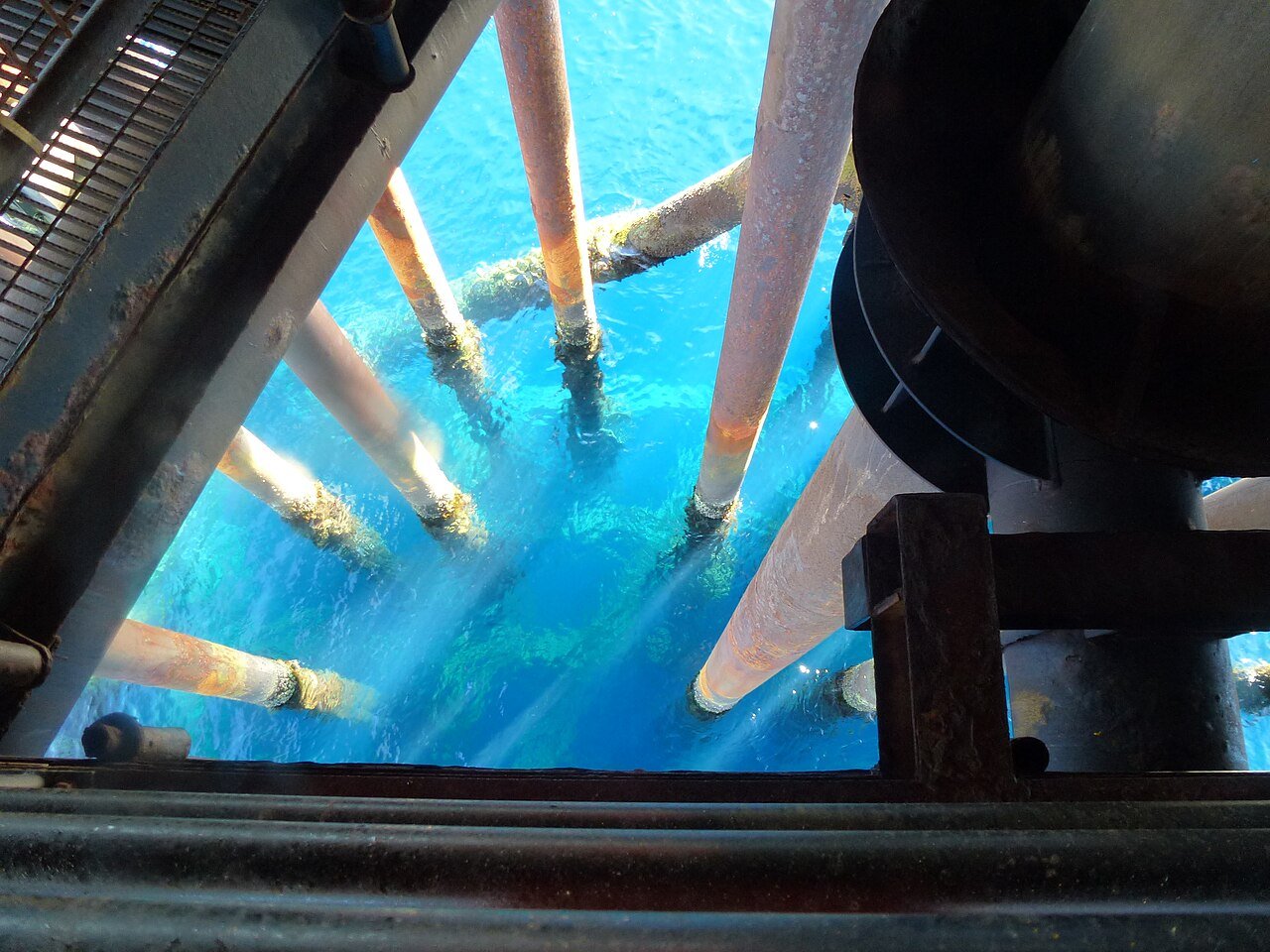
Yes — Sipinus has extensive offshore experience in Indonesian waters. Offshore applications introduce additional considerations: access constraints, marine environment, helicopter or vessel mobilization logistics, and offshore safety management systems. Sipinus’s response planning addresses all of these. Read our guide on emergency leak repair for oil and gas Indonesia for offshore-specific guidance.
What is the typical cost of an emergency leak online repair solution in Indonesia?
Costs vary significantly with the complexity of the repair, the operating conditions, access requirements, and urgency. As a general reference: simple valve packing or small flange repairs may be completed for tens of millions of rupiah; complex custom clamp fabrications and multi-day offshore deployments will be significantly higher. In almost all cases, the cost is a small fraction of the production loss that would result from a shutdown repair. Contact Sipinus for a project-specific estimate.
Related Articles: Emergency Leak Online Sealing | Online Leak Sealing Technology & Methods | Pipeline Emergency Leak Repair | High Pressure Leak Sealing | Cost & Downtime Reduction