Emergency leak online sealing Jakarta is live leak repair carried out on pressurised pipelines, flanges, valves and process equipment in the Jabodetabek industrial corridor without shutting down the unit, depressurising the line or breaking containment. A specialist crew designs and installs a engineered enclosure around the leak path, then injects sealant under controlled pressure until the leak is stopped while the system keeps running.
This guide is written for maintenance managers, process engineers, HSE officers and procurement teams at refineries, fuel terminals, LPG depots, petrochemical plants and power stations across Greater Jakarta — the area from Tanjung Priok and Marunda through Cikarang and Karawang, out to the Cilegon–Merak industrial belt. It explains what online sealing actually is, who should consider it, how a Jakarta call-out really runs hour by hour, what the local constraints are, and how to vet a contractor before you need one at 2 a.m.
What Is Emergency Leak Online Sealing?
Online leak sealing is a family of techniques that stop an active leak on a system that remains in service. Instead of isolating, draining and purging, the repair is built around the leak: a clamp, box enclosure or injection gasket is fitted over or around the defective area, and a sealing compound is forced into the cavity between the enclosure and the parent surface. The compound cures in place and forms a pressure-tight barrier.
The word “online” is load-bearing. It means full operating pressure, full flow and full temperature at the moment of the repair. That is precisely why the method exists: in a refinery or petrochemical plant, the cost of stopping a unit usually dwarfs the cost of the repair itself.
In Jakarta practice, online sealing covers five recurring families of work:
- Flange and bolted joint injection — sealant is injected into the gasket annulus to rebuild a gasket that has lost seating.
- Mechanical clamp sealing — a fabricated steel clamp with controlled bolt torque is fitted over a local defect such as a pinhole, pit or short crack.
- Box or coffin enclosure — a fully fabricated enclosure wraps complex geometry such as tee pieces, elbows, welded branch connections or valve bodies.
- Valve gland and bonnet sealing — packing or injection work on valves that cannot be isolated because there is no upstream block valve.
- Composite wrap repair — engineered composite applied over thinned wall, following ISO 24817 or ASME PCC-2 principles.
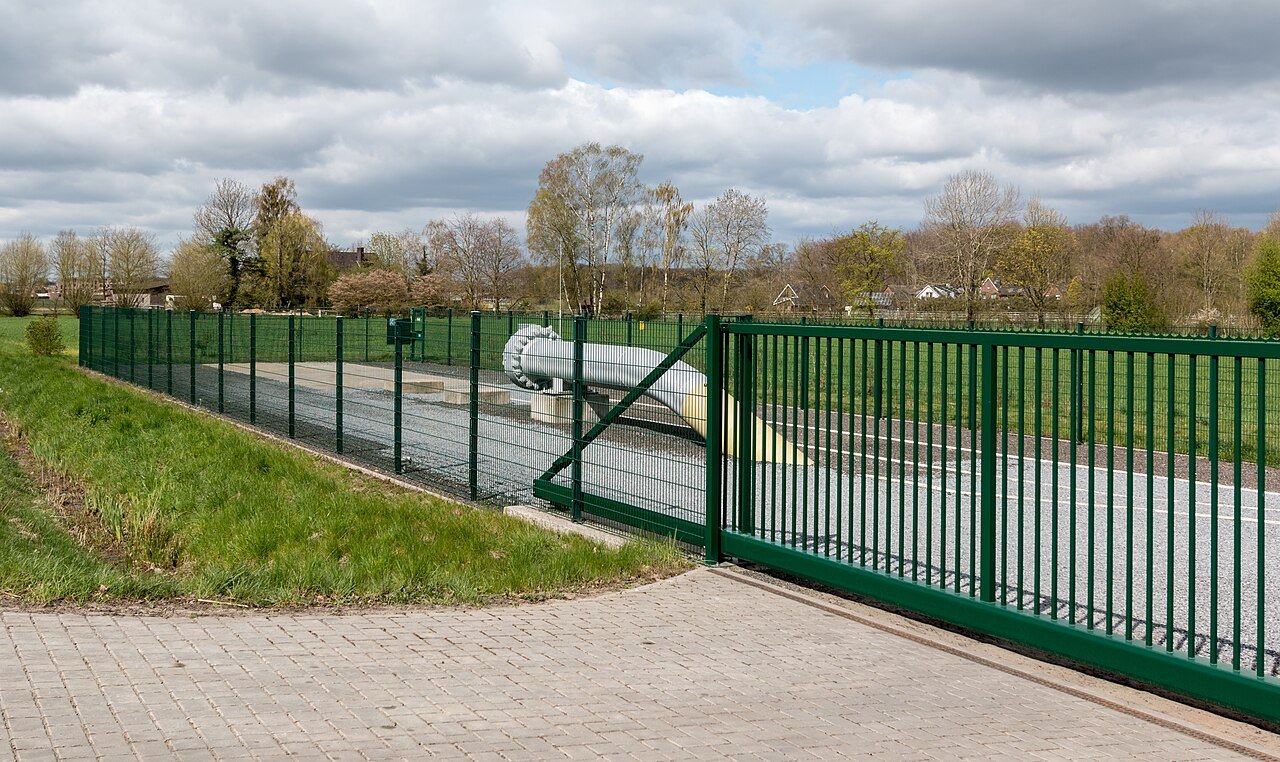
Bolted flanges and trap assemblies are the most common leak locations in live sealing work, which is why flange leak online sealing accounts for a large share of Jakarta call-outs.
Why Greater Jakarta Is the Hardest Place in Indonesia to Have a Leak
Greater Jakarta concentrates an unusual density of hazardous process assets inside a relatively small radius, surrounded by dense population and constrained road infrastructure. That combination changes the risk calculus for every leak, however small.
- Population proximity. Product pipelines, fuel terminals and gas networks sit close to residential kampung areas and main arterial roads. Tolerances for vapour release are far tighter than at a remote site.
- Production value density. A single-unit shutdown at a refinery, oleochemical plant or power station removes a disproportionate share of output and triggers contractual exposure on supply commitments.
- Restart cost and delay. Restarting a unit after an unplanned shutdown requires purging, verification and, in many cases, third-party inspection before reintroduction of feed. That can add days to the production loss.
- Ageing infrastructure. Many pipe racks, manifolds and terminal pipework in the corridor have been in service for decades, with wall thinning, gasket relaxation and cyclic fatigue as routine findings.
- Traffic and access. A crew leaving a depot south of the city at 17:00 will not reach Marunda at the same speed as a crew dispatched at 03:00. Mobile response planning has to assume real Jakarta conditions.
- Regulatory scrutiny. An incident near a residential area draws attention from the local government, the environmental agency and the press within hours.
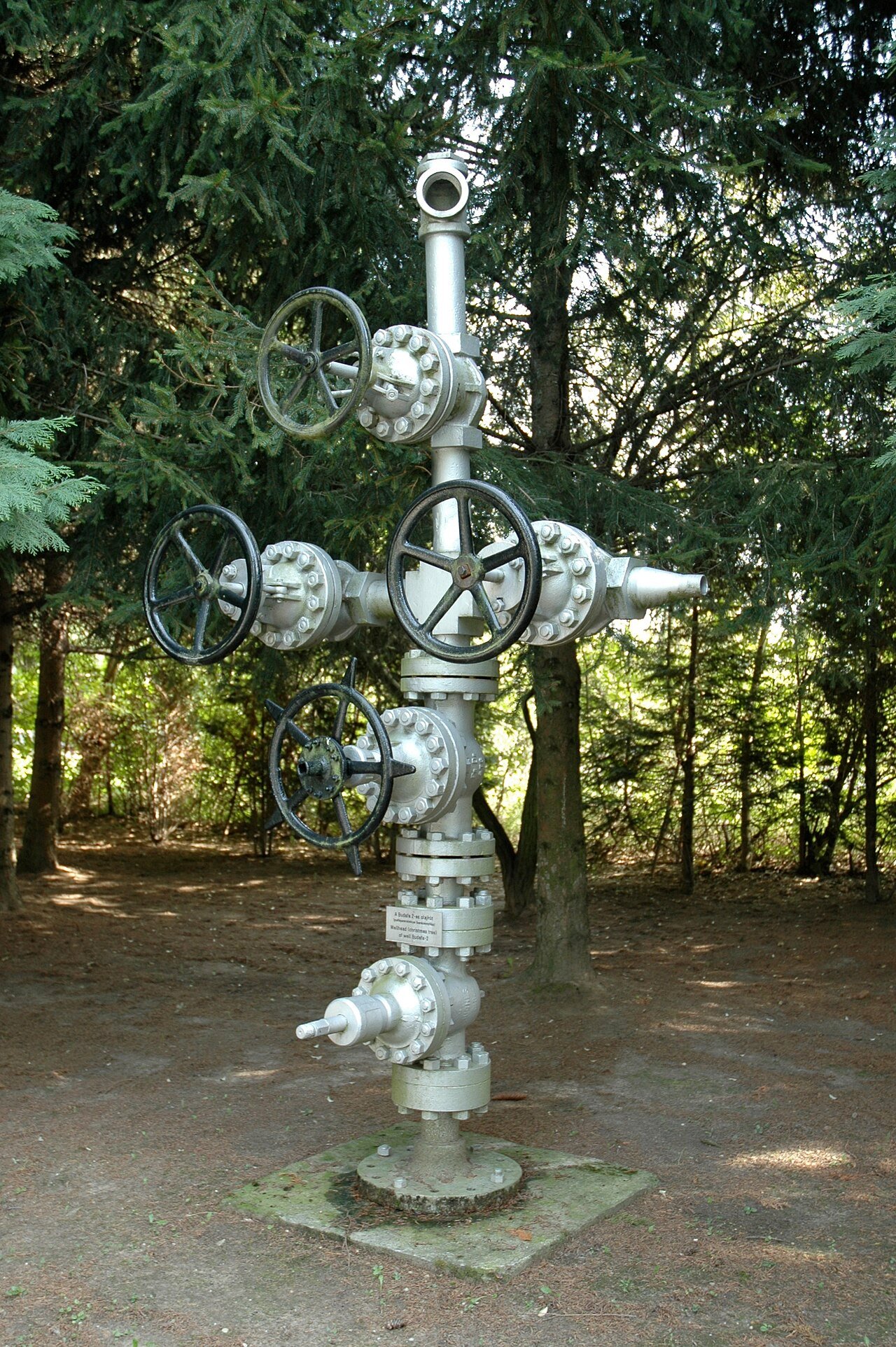
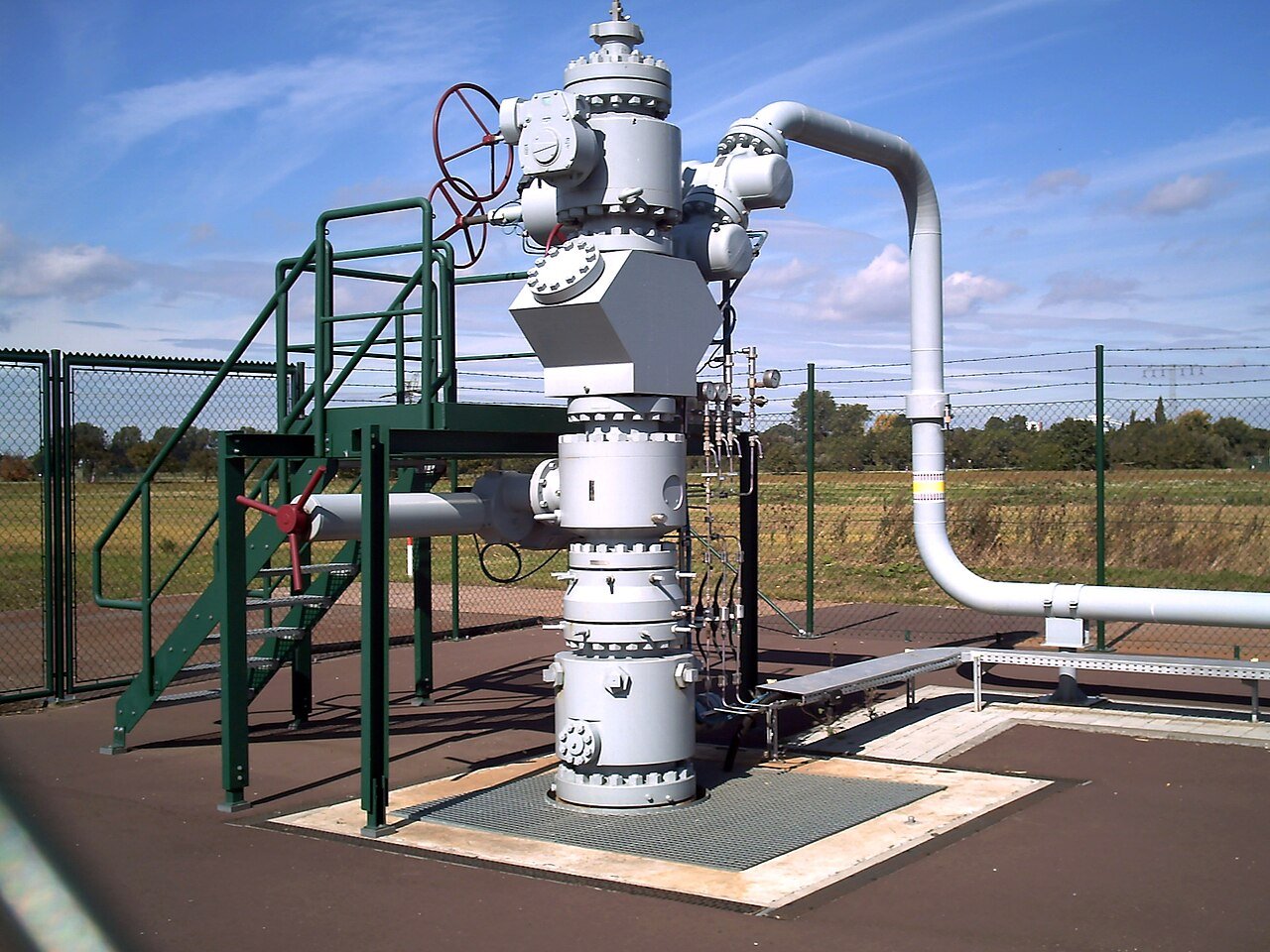
Wellhead and manifold valve assemblies frequently cannot be isolated for repair without a full unit shutdown — the scenario where live sealing earns its cost back in a single night.
When Online Sealing Is the Right Call — and When It Is Not
The first decision after a leak is discovered is not “who do we call” but “can we isolate this safely and quickly?” If the answer is a clean yes, conventional repair is usually cheaper and more durable. If the answer is no, or if isolating costs more than the repair, online sealing becomes the rational route.
| Situation | Recommended route | Why |
|---|---|---|
| Double block and bleed available, low production impact | Conventional isolation and repair | Lower cost, permanent, no enclosure inventory |
| No upstream block valve, or the block valve itself leaks | Online sealing | Isolation is not achievable without a shutdown |
| Single-train plant serving committed offtake | Online sealing | Shutdown penalty and restart delay are commercially unacceptable |
| Wall thinning over a long section with reduced pressure capability | Composite wrap to ISO 24817, plus planned replacement | Restores containment; replacement is scheduled at the next turnaround |
| Through-wall crack that is actively propagating | Shutdown or controlled depressurisation | No enclosure can outrun an active crack; containment is unsafe |
| Pressure or temperature beyond enclosure material limits | Shutdown | The method envelope is exceeded — do not improvise |
Two failure modes are worth naming explicitly. First, treating a large through-wall defect as a sealing job when the enclosing steel has lost structural capability. Second, attempting an improvised plug or compression wrap on high-pressure hydrocarbon service. Neither is a shortcut; both create injury risk for whoever is standing closest.
What a Jakarta Call-Out Actually Looks Like
Response time is where regional vendors differ most. The table below sets out realistic timing for a well-organised Jakartabased response, assuming the work is technically executable and site access is granted.
| Phase | Typical duration | What happens |
|---|---|---|
| Call intake and triage | 0–30 minutes | Fluid, pressure, temperature, pipe size, joint type, leak rate and access confirmed by phone or video call |
| Technical feasibility decision | 30–60 minutes | Enclosure family, sealant family and maximum injection pressure agreed |
| Mobilisation within Jabodetabek | 1–3 hours | Crew, injection equipment, sealant, clamp stock and documentation dispatched |
| On-site survey and verification | 30–60 minutes | Geometry measured, wall condition assessed, injection parameters reconfirmed |
| Enclosure fitting or fabrication | 1–4 hours | Clamp adapted from stock or fabricated to field dimensions |
| Sealant injection and cure | 1–3 hours | Staged injection with leak-rate monitoring until containment is achieved |
| Verification and handover | 30–60 minutes | Leak check, parameter record, work report and recommendations for permanent repair |
For straightforward flange or pinhole work, total on-site time can be a single shift. Complex geometry, high temperature, sour service or poor access push it out. Any vendor who quotes a fixed completion time before a site survey is guessing — politely put the estimate aside and ask for a range with the assumptions stated.
For the underlying procedure in more detail, see the emergency leak online repair solution reference, and for a national view of how mobilisation works outside the capital, the online leak sealing services Indonesia overview.
Local Constraints That Decide Whether the Job Succeeds
Permit and access regimes
Most Jakarta-area plants operate a formal permit-to-work system with unit-specific rules on hot work, confined space entry and simultaneous operations. A sealing crew arriving without pre-agreed permits, contractor induction and a job safety analysis will stand at the gate while production continues to leak. The practical fix is a standing service agreement that pre-qualifies the contractor, registers the crew and agrees a permit pathway before an emergency exists.
Gas testing and area classification
Hydrocarbon and H2S service demands continuous gas monitoring at the workface. In terminals with benzene or other aromatics, exposure limits are tighter still. Monitoring instruments and the competency to interpret their readings must arrive with the crew, not be improvised from site stock.
Night work and lighting
Many Jabodetabek emergencies escalate outside office hours. Adequate task lighting, fatigue management for the crew and a clear communication protocol between the control room and the workface are prerequisites, not nice-to-haves. Injection work performed in poor light on a live system is how injuries happen.
Escape routes and pressure boundaries
Before any bolt is loosened, the crew must know exactly where they will stand, where they will go if the enclosure fails, and which valves define the pressure boundary they are working against. This is documented in the job safety analysis and briefed at the workface, not recited once in a meeting room.
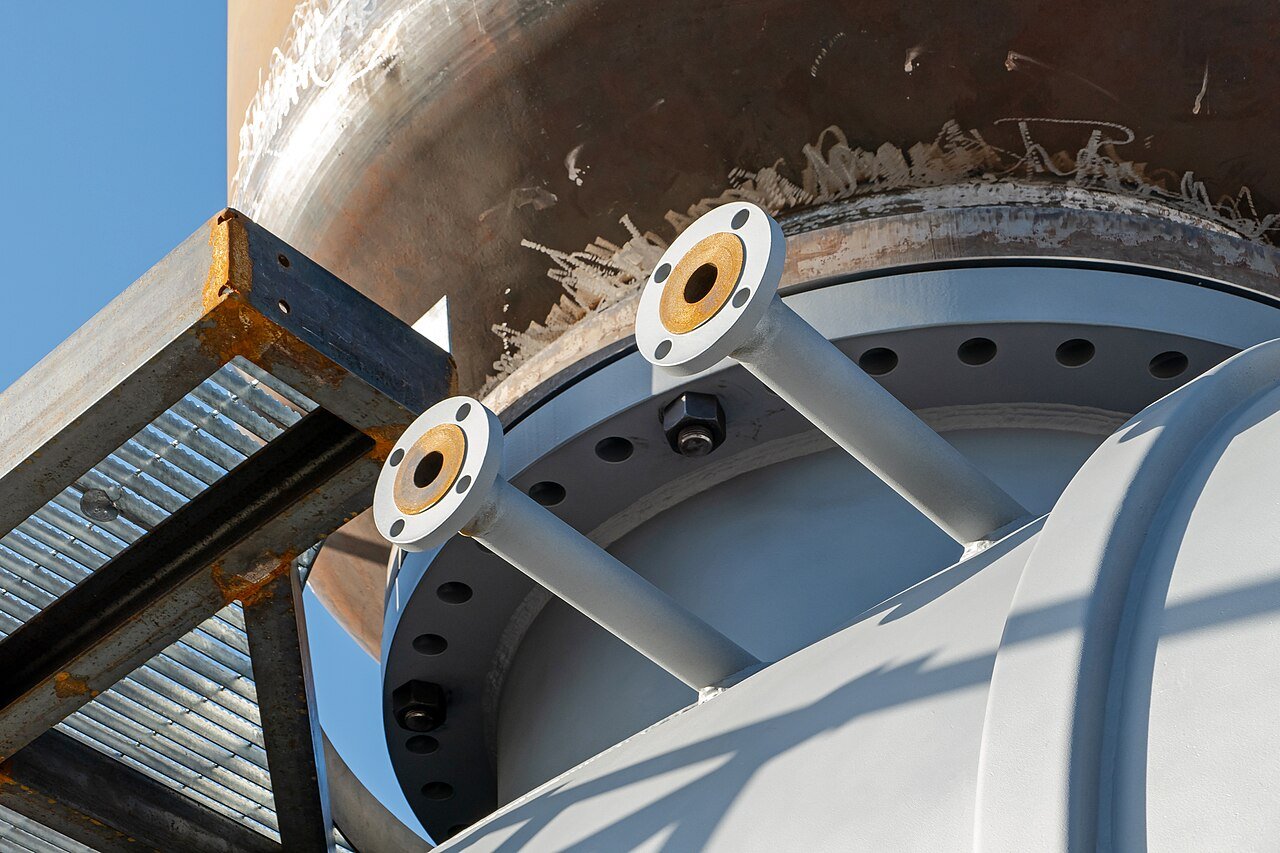
Dimensional accuracy in enclosure fabrication governs whether the sealant cavity fills evenly — the difference between a first-time seal and a repeat attempt on a live system.
Standards a Jakarta Contractor Should Be Working To
Live leak repair is a code-driven discipline. The minimum credible reference set includes:
- ASME PCC-2 — Repair of Pressure Equipment and Piping, which frames the engineering basis for clamp and composite repairs.
- ASME B31.3 — process piping, the reference for design and material expectations in plant piping.
- ISO 24817 — composite repairs for pipework, used where wall loss rather than a discrete hole is the defect.
- API standards for valves, flanges and in-service equipment, alongside AMPP guidance on corrosion management.
- NORSOK practices, which offshore operators often apply onshore as a benchmark for criticality.
Ask a prospective contractor to explain how a specific clamp thickness or maximum injection pressure was derived. A confident, standards-based explanation is a far better signal than a glossy capability brochure.
Vetting Checklist for Jakarta Vendors
Use these questions before you sign anything. The answers tell you whether the contractor can perform under a real emergency.
- Response commitment. What is the contractual mobilisation time to our site, and is it backed by an SLA with a penalty clause?
- Crew status. Is the response crew directly employed and continuously available, or assembled from subcontractors on demand?
- Comparable experience. Provide two examples of live sealing work at pressures and temperatures comparable to ours, including the sealing method used.
- Material competence. Which sealant families do you stock, and how do you confirm chemical compatibility with our fluid?
- Injection discipline. How do you establish the maximum allowable injection pressure, and who signs it off?
- Documentation. Do you issue a job safety analysis, method statement, and a post-job report with parameters and photographs as standard?
- Stock depth. What clamp and sealant inventory is held locally, and how much of it can reach us within the SLA window?
- Insurance and compliance. Confirm liability cover, crew certifications, medical fitness verification and induction readiness.
Key Takeaways
- Emergency leak online sealing Jakarta means repairing a live pressurised system — no shutdown, no depressurisation, no drain.
- Decision rule: if isolation is quick, safe and cheap, isolate. Online sealing wins when it is not.
- Greater Jakarta’s combination of dense population, high-value assets, aged pipework and traffic makes response planning a genuine differentiator.
- Realistic on-site completion for simple work is one shift; complex geometry, high temperature or sour service takes longer.
- Never accept a fixed price or completion time quoted without a site survey.
- The credible reference set is ASME PCC-2, ASME B31.3, ISO 24817, API and AMPP — ask contractors to explain their design basis.
- Pre-qualify your sealing contractor and agree permits before you need them; emergency improvisation is expensive and dangerous.
Cost Logic: Why the Comparison Is Not Close
The meaningful comparison is never “repair cost versus repair cost”. It is the cost of a live seal plus the residual risk of a planned replacement, set against lost production during a shutdown, restarted cost, purge and inspection effort, contractual exposure on supply obligations and the schedule consequences of pushing other work aside.
For a single-train asset, those shutdown-side items routinely exceed the sealing-side items by a wide margin. That is why operators in the corridor keep a qualified sealing partner on retainer rather than shopping for one during an incident. A fuller model of the trade-off is set out in the emergency leak repair cost and downtime reduction breakdown.
Getting Help in Greater Jakarta
Prepare a single-page emergency sheet and keep it where shift supervisors can find it. It should carry the site address and gate details, the fastest access route by time of day, the unit and line number of the highest-risk assets, expected fluid, pressure and temperature, the permit contact, and the sealing contractor’s duty number.
Sipinus supports operators across the Jabodetabek corridor with live leak sealing services, from initial triage through on-site execution and documented handover. For an active leak, share the fluid, pressure, temperature, pipe size and joint type with our duty team and we will confirm feasibility immediately. Contact us on WhatsApp 082199001706 or by email at info@sipinus.co.id, and see our services overview for related capabilities.
FAQ: Emergency Leak Online Sealing Jakarta
Can a leaking flange really be sealed without shutting the plant down?
Yes, provided the flange is structurally sound and the fluid parameters sit inside the enclosure and sealant envelope. Sealant is injected into the gasket annulus through a fitted injection ring or clamp, rebuilding the seal while the line stays in service. If the flange faces are badly eroded or the bolts are yielding, the repair changes from a seal to a structural job and isolation should be reconsidered.
How quickly can a crew reach a plant in Greater Jakarta?
For a pre-qualified site with permits arranged, mobilisation inside Jabodetabek is typically one to three hours from technical agreement, subject to traffic. Crews dispatched in the small hours move far faster than those dispatched at the evening peak. Telephone triage begins immediately and usually completes before the crew leaves the depot.
Is online sealing allowed by Indonesian regulators?
Live leak repair is an accepted industrial maintenance practice when it follows recognised engineering standards and the operator’s own management-of-change and permit systems. Upstream operators align with SKK Migas expectations, downstream facilities with Ditjen Migas requirements. The decisive factor is documented engineering basis and a proper risk assessment, not the method itself.
What information do you need on the first call?
Have the fluid and its hazard class, operating pressure, operating temperature, pipe or valve size, joint type, leak description and approximate leak rate ready. Add photographs or a short video if it is safe to take them, plus the site access route and the permit contact. With those details, technical feasibility can usually be confirmed within the first call.
Does the seal count as a permanent repair?
No. A live seal is an engineered containment that restores the pressure boundary and buys operating time; it is not a substitute for replacing a degraded component. Best practice is to record the seal, monitor it, and schedule permanent replacement or an inspected composite repair at the next planned shutdown. Some seals last for years, but that is an outcome, not a design assumption.
Leak still running and the plant is on limited time? Our response desk is staffed around the clock. Message the emergency team on WhatsApp or send a site brief with the line ID, medium, operating pressure and temperature, and we will confirm scope before mobilisation.
Conclusion
In Greater Jakarta, the question is rarely whether a leak can be sealed live — it is whether the operator has a partner who can be on site with the right enclosure, the right sealant and the right paperwork before the situation escalates. The technical method is well established and code-backed. What separates a controlled night from a week-long outage is preparation: pre-qualified crews, pre-agreed permits, a rehearsed first-call protocol and an honest technical assessment of whether sealing is the right answer at all.
Treat the online sealing capability as part of your emergency response plan rather than a shop-around purchase. Identify your highest-risk assets now, confirm the parameters you would report in a first call, and secure a contractor whose answer to “what is your mobilisation commitment” is a number, not an adjective.