What Is Emergency Leak Online Sealing?
Emergency leak online sealing is a specialized industrial repair technique that stops active leaks in pressurized pipelines, valves, flanges, and equipment while the system remains fully operational — without shutting down the process, depressurizing the line, or requiring a plant-wide outage. The term “online” refers to the fact that the repair is performed under live operating conditions: full pressure, full flow, and full temperature.
In oil and gas facilities, petrochemical plants, power generation stations, and refineries across Indonesia, unplanned shutdowns triggered by leaks can cost millions of dollars per hour in lost production. Emergency leak online sealing was developed precisely to eliminate this costly trade-off — providing a permanent or long-term engineered solution that restores containment integrity without interrupting the operation that depends on the leaking system.
This pillar article covers everything engineers, maintenance managers, and HSE professionals need to know about emergency leak online sealing: how it works, when to apply it, the technologies available, safety protocols, regulatory compliance, and how to select the right service provider in Indonesia.
How Emergency Leak Online Sealing Works
The fundamental principle of online leak sealing is encapsulation and injection. A leak — whether at a flange joint, a through-wall defect in a pipe, a valve packing failure, or a fitting leak — is isolated by installing a purpose-engineered clamp or enclosure over the leak point. Sealant is then injected under controlled pressure into the annular space between the clamp and the leaking component, displacing the escaping fluid and creating a permanent pressure-tight barrier.
Step 1: Leak Assessment and Engineering
Before any physical intervention, a qualified leak sealing engineer assesses the leak. This assessment captures: pipe or component dimensions (OD, wall thickness), operating pressure and temperature, process fluid type and hazard classification, leak geometry and severity (seep, weep, jet), and surrounding access constraints. This data drives the engineering design of the clamp and the selection of sealant compound.
This step is non-negotiable. Applying a clamp without a proper engineering assessment is not online leak sealing — it is improvisation that creates additional risk. Sipinus provides full engineering assessment as the first stage of every emergency leak online sealing engagement, ensuring the solution is designed to last, not just to stop the immediate leak.
Step 2: Clamp Design and Fabrication
The clamp or enclosure is designed to the specific geometry of the leaking component. For standard pipe sizes and pressure classes, pre-engineered clamp designs cover the majority of scenarios and can be deployed rapidly. For non-standard geometries — unusual flange face configurations, corroded pipe with irregular OD, or valve bodies with complex profiles — custom fabrication is required. Modern CNC machining capabilities allow custom clamps to be manufactured in 24–72 hours for urgent situations.
Step 3: Installation Under Live Conditions
Trained technicians install the clamp over the active leak. This requires specialized tooling, personal protective equipment appropriate for the process fluid hazard, and strict adherence to the work method statement developed during engineering. The clamp is bolted into position, creating an annular cavity around the leak point.
Step 4: Sealant Injection
Engineered sealant — selected for compatibility with the process fluid, operating temperature, and pressure — is injected through injection fittings on the clamp using a high-pressure injection pump. The sealant fills the annular space, penetrates the leak path, and sets to form a pressure-tight barrier. Injection pressure is monitored throughout to confirm progressive sealing without over-pressurizing the clamp cavity.
Step 5: Verification and Documentation
After successful sealing, the installation is leak-tested and documented. A full engineering data pack — including clamp drawings, material traceability certificates, sealant data sheets, injection records, and photographic evidence — is provided to the plant owner for their maintenance management system and regulatory records.
When Is Emergency Leak Online Sealing the Right Solution?
Emergency leak online sealing is the appropriate response when one or more of the following conditions are present:
- Shutdown is not an option: The leaking system is critical to ongoing operations and cannot be isolated without significant production impact or safety consequences for other connected systems
- Leak escalation risk is high: The leak is growing, the process fluid is hazardous (flammable, toxic, or at high temperature/pressure), and delay risks a more serious incident
- Scheduled maintenance is weeks or months away: The next planned turnaround is too far in the future to accept the ongoing risk, cost, and environmental impact of an active leak
- Regulatory or environmental compliance requires immediate action: An active leak of a regulated substance requires documented remediation even when a full repair is pending
- Temporary leak mitigation has been applied but is not holding: Band-aid solutions like pipe clamps, putty, or wrapping have failed or are insufficient for the operating pressure
Online leak sealing is NOT appropriate when: the pipe or equipment structural integrity is so severely compromised that a clamp cannot provide adequate support; the leak location is inaccessible; or the process fluid is incompatible with all available sealant compounds. In these cases, a controlled shutdown and conventional repair is the only safe path forward.
Types of Leaks Addressed by Online Sealing
Flange Leaks
Flange joint leaks are the most common target for online sealing in oil and gas and process industries. Caused by gasket degradation, bolt relaxation, flange face damage, or thermal cycling, flange leaks at elevated pressure and temperature pose significant fire and personnel safety risks. Flange injection clamps encapsulate the entire joint and restore leak-tightness while the system remains online. For a detailed treatment of this application, read our guide on flange leak online sealing.
Valve Packing Leaks
Gate valves, globe valves, ball valves, and control valves in high-pressure service routinely develop stem packing leaks as packing material degrades over time. Online sealing of valve packing leaks using injection clamps around the stuffing box restores containment while the valve remains in service. Read our dedicated guide on valve online leak sealing for detailed methodology and case examples.
Pipeline Through-Wall Leaks
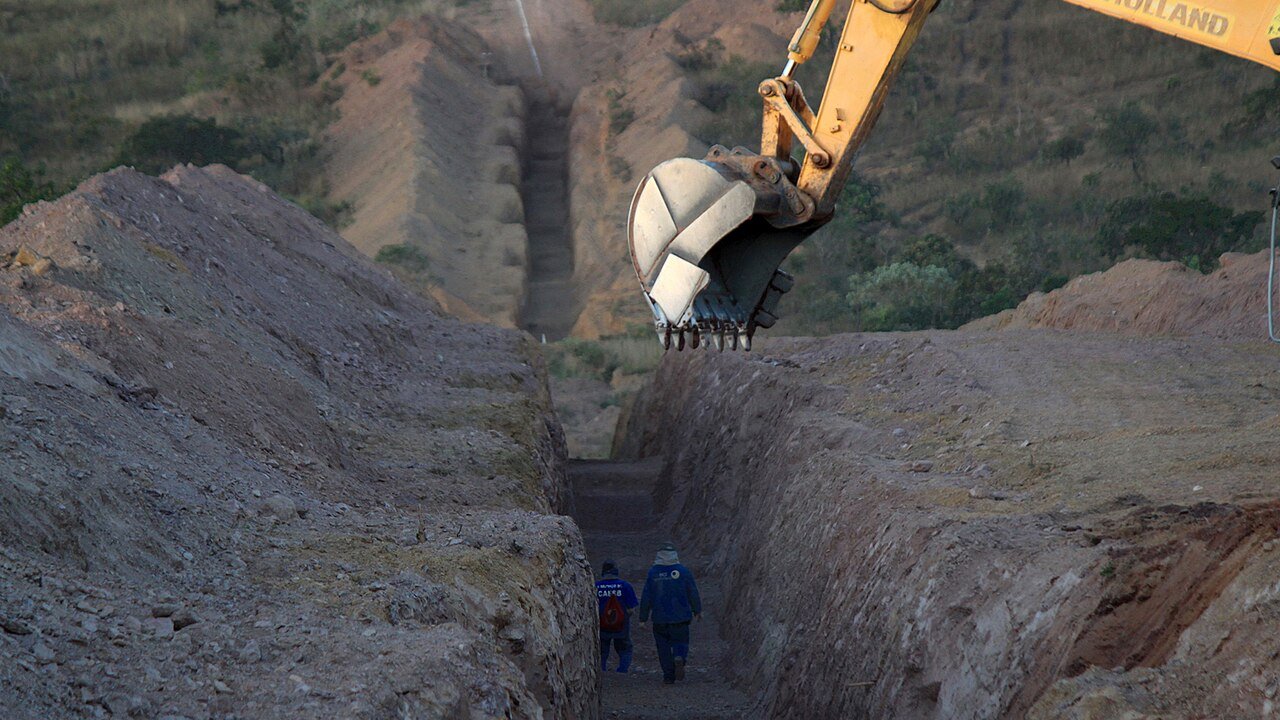
Corrosion, erosion, third-party damage, or manufacturing defects can create through-wall leaks in pipe sections. Encircling pipe repair clamps — split-sleeve designs engineered to the pipe OD and wall condition — encapsulate the defect and restore pressure containment. Read our dedicated guide on pipeline emergency leak repair for full methodology.
Fitting and Instrument Connection Leaks
Threaded fittings, instrument taps, drain valves, and small-bore connections are common leak points on high-pressure systems. Specialized micro-clamps and injection fittings address these small-bore leak scenarios without requiring process isolation.
Industries and Applications in Indonesia
Emergency leak online sealing services are in demand across all sectors of Indonesian heavy industry:
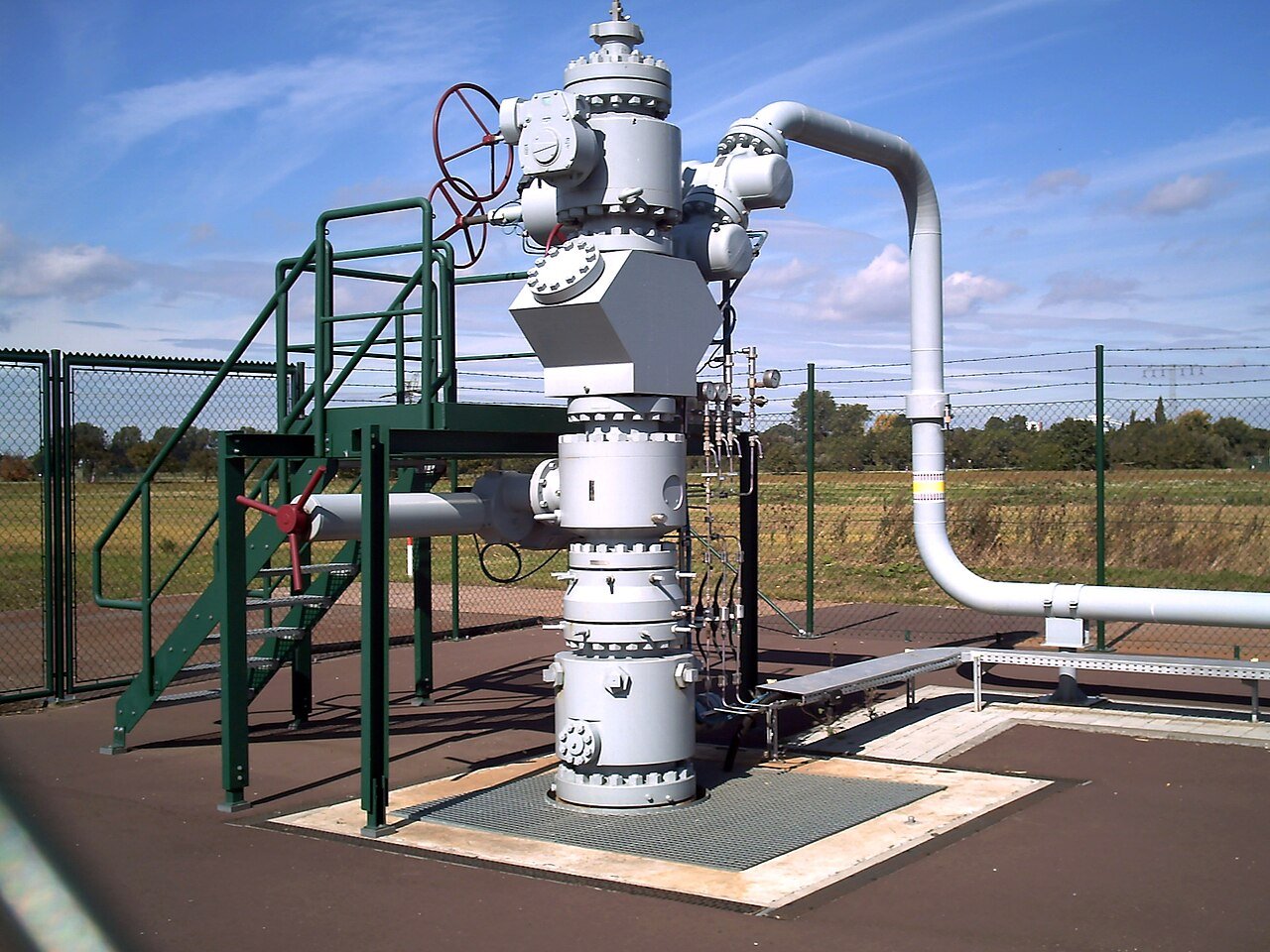
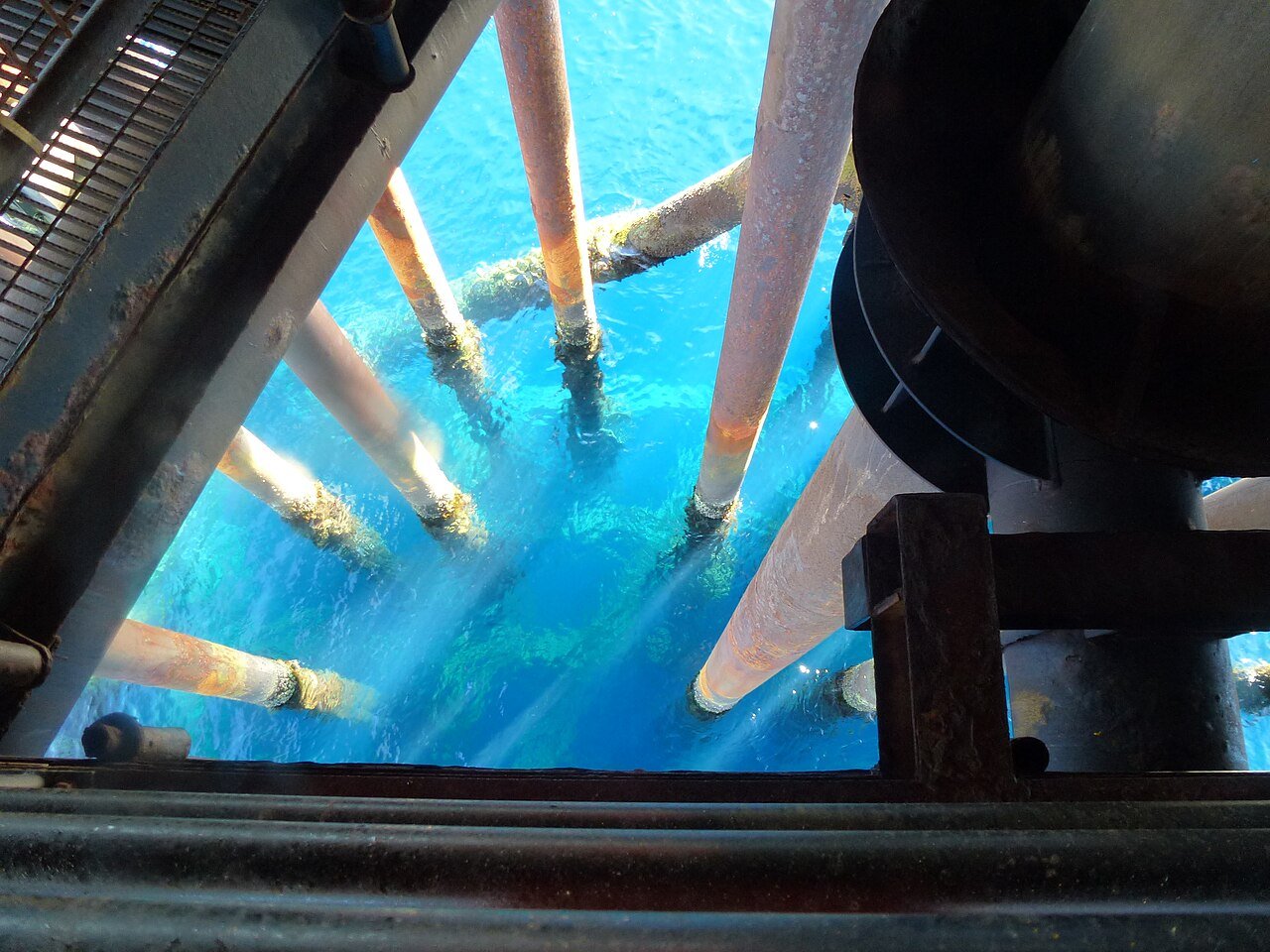
- Oil and Gas — Upstream: Wellhead equipment, production headers, separation trains, and export pipelines on onshore and offshore platforms
- Oil and Gas — Downstream: Refinery process units (CDU, VDU, hydrotreaters, reformers), product pipelines, and storage tank connections
- Petrochemical: Ethylene crackers, polymer plants, and chemical process units where process fluid hazards make any leak an immediate emergency
- Power Generation: Steam lines, boiler systems, turbine extraction lines, and condensate return systems in geothermal, coal-fired, and gas turbine power plants
- LNG and Gas Processing: Cryogenic pipelines, heat exchangers, and compressor connections in LNG receiving terminals and gas processing plants
- Mining and Minerals Processing: Slurry pipelines, acid circuits, and high-pressure process lines in nickel, copper, coal, and gold processing facilities
For industry-specific guidance on emergency leak online sealing in Indonesia’s oil and gas sector, read our detailed article on emergency leak repair for oil and gas Indonesia.
Safety, Standards, and Regulatory Compliance
Emergency leak online sealing is a safety-critical activity governed by established international codes and standards. Compliance is not optional — it is the foundation of a defensible engineering solution that protects personnel, assets, and the environment.
Relevant standards and codes include:
- ASME PCC-2: Repair of Pressure Equipment and Piping — Article 2.1 covers leak sealing clamps as an engineering repair method with defined design, material, and installation requirements
- ISO 11 127 / EN 13480: Relevant European piping codes for offshore and onshore applications
- NORSOK standards: For offshore oil and gas applications in Indonesian waters operated by companies following Norwegian best practice
- SKK Migas regulations: Indonesian upstream oil and gas regulator requirements for maintenance activities on production facilities
- MIGAS (Ditjen Migas): Downstream oil and gas regulatory requirements applicable to refineries and distribution infrastructure
Sipinus provides emergency leak online sealing services that are fully documented to ASME PCC-2 requirements, with all engineering, material, and inspection records available for regulatory audit. For a comprehensive overview of available technologies and their compliance implications, read our guide on online leak sealing technology and methods.
Selecting the Right Emergency Leak Online Sealing Provider
Not all leak sealing providers are equal. The consequences of a poorly engineered or incorrectly installed leak seal clamp in a high-pressure, high-temperature process environment can be catastrophic. When evaluating a provider, assess the following:
- Engineering capability: Does the provider employ qualified mechanical engineers who design and approve each clamp? Is finite element analysis (FEA) or pressure vessel design code used for non-standard clamps?
- Certified technicians: Are field technicians certified to a recognized leak sealing standard? Industry certifications include LESER/ELDS and equivalent programs from recognized bodies.
- Sealant range and compatibility: Does the provider have a comprehensive sealant library covering high-temperature steam, hydrocarbons, sour service (H₂S), cryogenics, and acid service?
- Track record in Indonesia: Proven experience in Indonesian operating environments — tropical climate, offshore accessibility challenges, SKK Migas compliance — is essential
- 24/7 emergency response: Leaks do not respect business hours. A provider without genuine 24/7 response capability is not suitable for emergency applications
- Full documentation package: Engineering drawings, material certificates, inspection records, and as-built documentation must be provided with every job
To understand the financial case for investing in professional emergency leak sealing versus accepting ongoing leak risk or pursuing costly shutdowns, read our analysis of emergency leak repair cost and downtime reduction.
Emergency Leak Online Sealing vs. Conventional Repair
The decision between online sealing and conventional shutdown repair is an engineering and business trade-off that must be made on a case-by-case basis. Key considerations:
- Production continuity: Online sealing preserves production; conventional repair requires isolation and depressurization which interrupts operations
- Time to completion: Online sealing typically restores containment in hours to days; conventional repair — including isolation, depressurization, hot work permitting, weld repair, PWHT if required, and reinstatement — often takes days to weeks
- Risk profile: Online sealing adds equipment (the clamp) while the system remains at risk; conventional repair fully eliminates the defect. Online sealing is the right choice when risk of continued operation is lower than risk of an emergency shutdown
- Permanence: A properly engineered online seal clamp is a permanent repair. However, many plants plan to remove clamps at the next turnaround and replace the underlying component — converting the online seal to a bridge repair that enables planned maintenance
Frequently Asked Questions about Emergency Leak Online Sealing
Is emergency leak online sealing a permanent repair?
Yes — when designed and installed to ASME PCC-2 requirements by qualified engineers and technicians, an online leak seal clamp is an engineered permanent repair. Many plant operators choose to remove the clamp at the next scheduled turnaround and replace the underlying component, but this is an operational choice, not an engineering necessity.
What is the maximum pressure and temperature for online sealing?
This depends on the specific application, clamp design, and sealant selected. Sipinus regularly performs emergency leak online sealing on systems operating at pressures above 300 bar and temperatures exceeding 500°C. Each application is individually engineered to confirm it is within the design limits of the clamp and sealant system.
How quickly can an emergency leak sealing team be mobilized in Indonesia?
Sipinus maintains emergency response capability with mobilization typically achievable within 4–8 hours for locations in Java, Sumatra, and Kalimantan, and within 24 hours for remote locations. Contact Sipinus directly for site-specific response time commitments.
Does online leak sealing require a hot work permit?
Typically no — the majority of online leak sealing operations are cold work activities that do not involve cutting, welding, or grinding. This significantly reduces the permitting burden compared to conventional repair and is one of the reasons online sealing can be executed much faster than a shutdown repair.
What process fluids can be sealed online?
Sipinus has sealant solutions for hydrocarbons (crude oil, gas, LPG, LNG), steam, hot water, cooling water, nitrogen, hydrogen, acids, caustic, and many specialty chemical services. Fluid compatibility is confirmed during the engineering assessment phase before any work commences.
Related Articles: Emergency Leak Online Repair Solution | Pipeline Emergency Leak Repair | Valve Online Leak Sealing | Flange Leak Online Sealing | Online Leak Sealing Technology & Methods