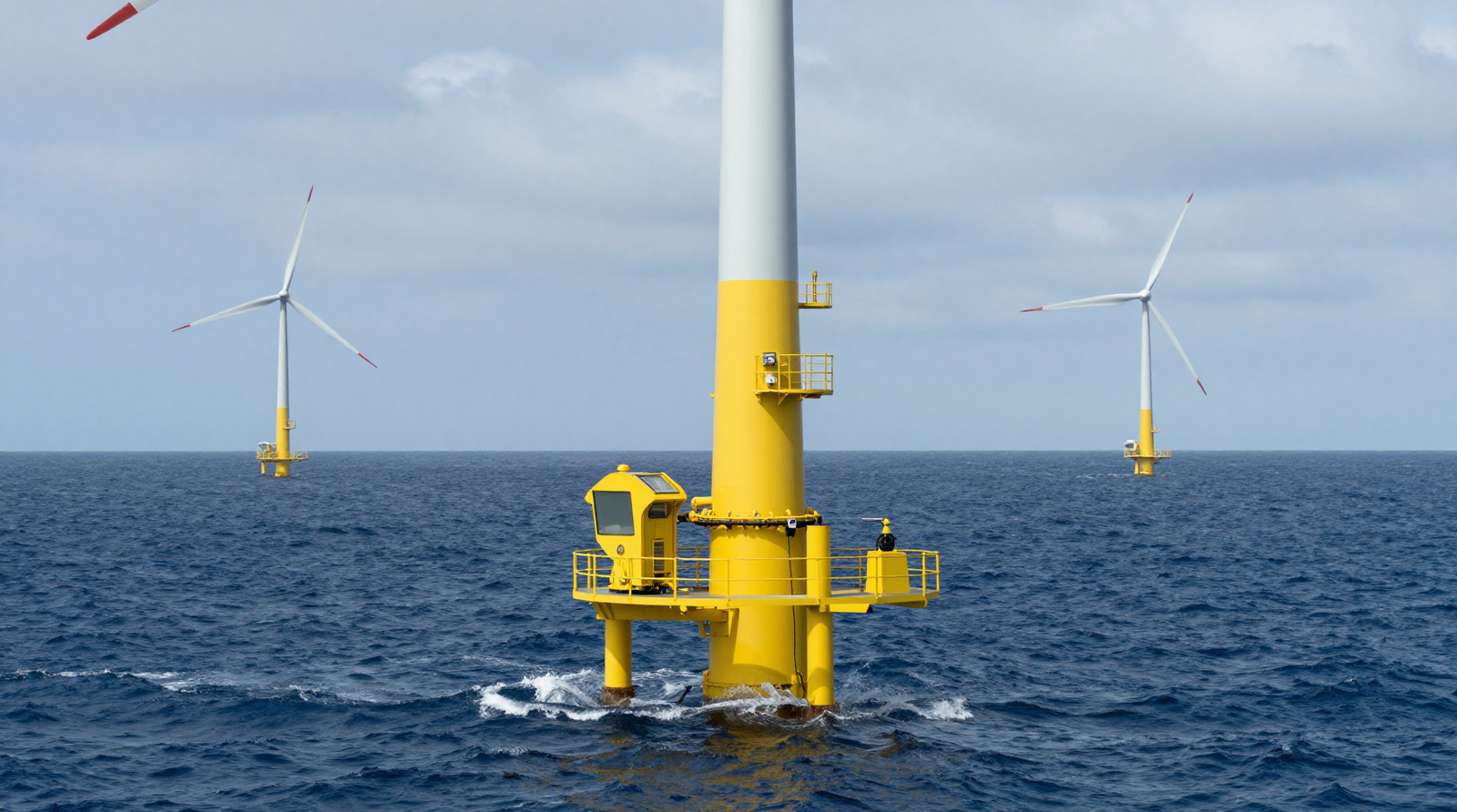
As Indonesia explores its vast offshore renewable energy potential — particularly in the Bali Strait, South Sulawesi, and the Java Sea — the need for specialized offshore wind farm maintenance equipment Indonesia is emerging as a critical consideration for project developers and operators. While Indonesia’s offshore wind industry is in its early stages compared to Europe and China, the country’s extensive coastline, shallow coastal waters, and ambitious renewable energy targets make offshore wind a promising frontier. Preparing the maintenance infrastructure now will be essential for long-term project success.
This guide provides a comprehensive overview of the equipment, tools, and systems required for offshore wind farm maintenance in Indonesian waters, from turbine inspection and blade repair to subsea foundation inspection and crew transfer logistics.
Why Offshore Wind Farm Maintenance Matters in Indonesia
The Indonesian Offshore Wind Context
Indonesia’s offshore wind potential is concentrated in areas with consistent wind regimes: the Bali Strait (where winds exceed 7 m/s), the southern coast of Java, South Sulawesi, and parts of Nusa Tenggara. Pilot projects and feasibility studies are underway, and as the industry moves from planning to construction, the maintenance ecosystem must develop in parallel.
Unique Challenges of Indonesian Waters
Indonesian offshore environments present several maintenance challenges that differ from European or North American offshore wind farms:
- Tropical climate: High humidity, high temperatures, and intense UV radiation accelerate equipment degradation and require corrosion-resistant materials.
- Monsoon seasons: The northwest and southeast monsoons create periods of rough seas that limit maintenance access windows.
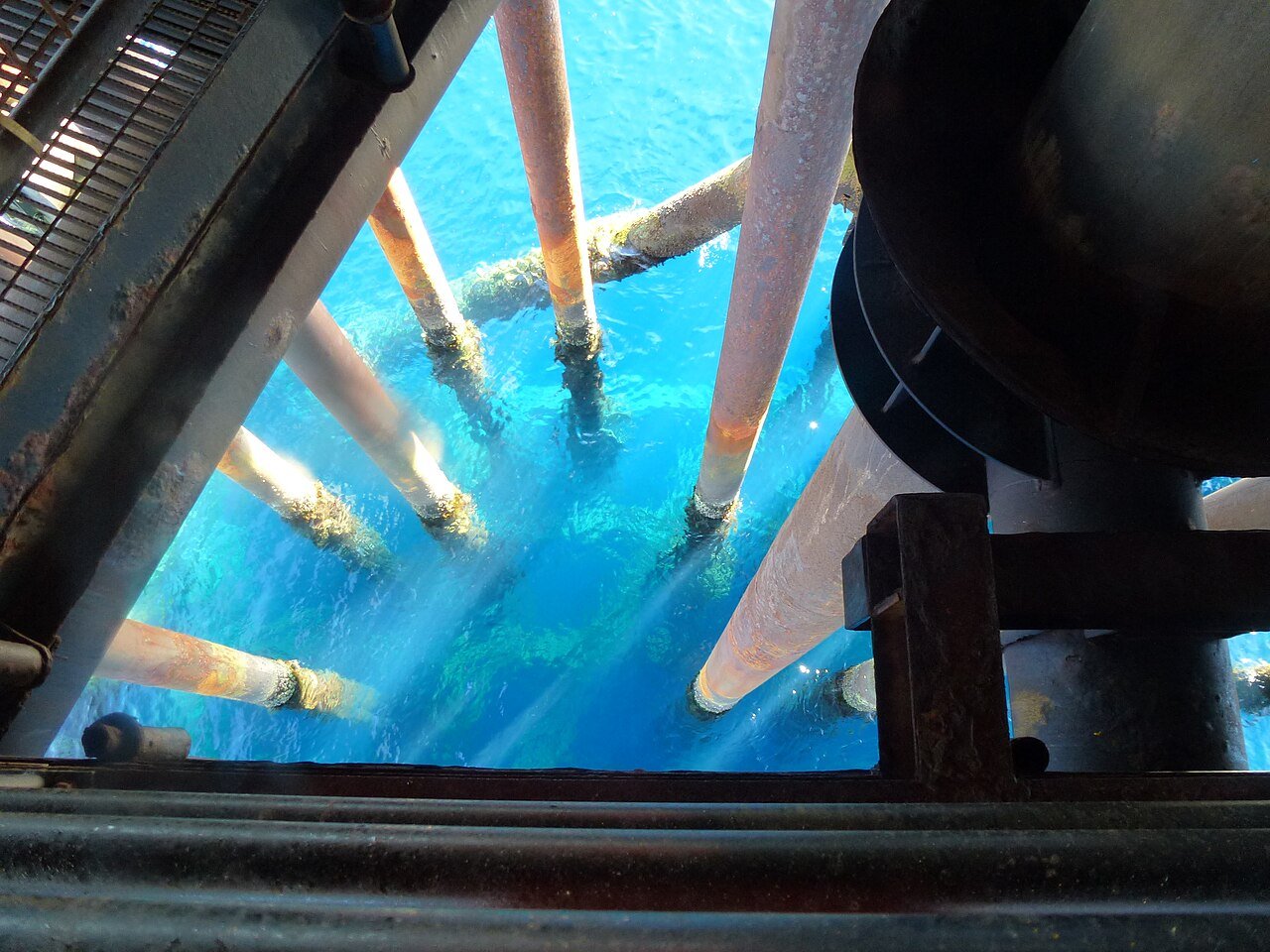
- Marine biofouling: Warm tropical waters promote rapid growth of barnacles, algae, and other marine organisms on turbine foundations, increasing hydrodynamic loading.
- Remote locations: Many potential offshore wind sites are far from major ports, requiring long transit times and specialized vessels.
- Supply chain gaps: Indonesia’s offshore wind supply chain is still developing, making equipment availability and spare parts logistics a key concern.
Essential Offshore Wind Farm Maintenance Equipment
Turbine Inspection Equipment
Regular inspection of wind turbines is the foundation of a proactive maintenance strategy. The following equipment is essential:
Drone inspection systems: Unmanned aerial vehicles (UAVs) equipped with high-resolution cameras, thermal imaging sensors, and LiDAR are used to inspect turbine blades, nacelles, and towers. Drones can identify surface cracks, lightning strike damage, leading-edge erosion, and delamination without the need for manual rope access. For Indonesian offshore sites, drones must be rated for offshore wind conditions and carry waterproof payloads.
Thermographic cameras: Infrared thermography is used to detect overheating components in the nacelle, including gearboxes, generators, bearings, and electrical connections. Thermal anomalies often precede mechanical failures by weeks or months, making thermographic inspection a valuable predictive maintenance tool.
Vibration analysis equipment: Accelerometers and vibration analyzers are used to monitor the condition of rotating equipment in the nacelle — main bearings, gearbox, and generator. Vibration signatures can detect bearing wear, gear tooth damage, and shaft misalignment before they lead to catastrophic failure.
Blade Maintenance and Repair Equipment
Turbine blades are the most maintenance-intensive components of an offshore wind turbine. Leading-edge erosion, lightning damage, and structural delamination are common issues that require specialized repair equipment:
Rope access and suspended platforms: Technicians use rope access techniques or suspended platforms to reach blade surfaces. For Indonesian offshore sites, where wave heights can exceed 3 meters during monsoon season, suspended work platforms must be designed for offshore conditions.
Blade repair tool kits: These include sanders, grinders, heat guns, vacuum bagging equipment, and composite repair materials (epoxy resins, glass and carbon fiber fabrics). Tropical temperatures and humidity in Indonesia affect resin curing times, requiring climate-controlled repair tents for large-area repairs.
Leading-edge protection systems: Applied to new and repaired blades, these polyurethane-based protective films and coatings reduce erosion from rain, salt spray, and airborne particles. Application equipment includes spray systems, rollers, and curing lamps.
Subsea Foundation Inspection Equipment
The foundations of offshore wind turbines — whether monopile, jacket, or floating — require regular underwater inspection to detect scour, corrosion, and structural fatigue:
ROV (Remotely Operated Vehicle) systems: Work-class and inspection-class ROVs are used to visually inspect foundation structures, detect scour around monopiles, inspect cable connections, and monitor marine growth. ROVs equipped with CP (cathodic protection) probes can measure the effectiveness of anti-corrosion systems. For Indonesian waters, ROVs must be rated for tropical marine environments with high biofouling potential.
Side-scan sonar: Towed or hull-mounted side-scan sonar systems provide wide-area seabed surveys to monitor scour development, sediment migration, and cable burial status around wind farm foundations. Regular sonar surveys help identify areas where scour protection (rock dumping or concrete mattresses) may need replenishment.
Underwater CP inspection equipment: Cathodic protection is critical for preventing corrosion of steel foundations in seawater. Diver-held or ROV-deployed CP probes measure the voltage between the foundation steel and a reference electrode, verifying that the protective potential is maintained.
Electrical and SCADA Maintenance Tools
The electrical systems of an offshore wind farm — including the inter-array cables, export cables, substation, and SCADA systems — require specialized maintenance equipment:
Cable jointing and testing equipment: High-voltage cable jointing kits, crimping tools, and insulation testing equipment (meggers, VLF test sets) are used for cable repair and preventive maintenance. Time-domain reflectometry (TDR) equipment is used to locate cable faults along inter-array and export cables.
SCADA diagnostic tools: Laptop-based diagnostic software, portable data loggers, and network analyzers are used to troubleshoot SCADA communication issues, verify sensor calibration, and analyze turbine performance data.
Spare parts inventory systems: An organized spare parts inventory — including bearings, filters, sensors, circuit boards, and hydraulic components — is essential for minimizing turbine downtime. Inventory management software tracks part numbers, quantities, and storage locations.
Vessels and Access Equipment for Offshore Wind Maintenance
Crew Transfer Vessels (CTVs)
CTVs are the workhorses of offshore wind maintenance, transporting technicians and light cargo from shore to the wind farm. For Indonesian operations, CTVs must be designed for tropical conditions with air-conditioned crew compartments and UV-resistant deck surfaces. Key specifications include:
- Speed: 20-30 knots for rapid transit
- Capacity: 12-24 technicians plus cargo
- Fender system: Shock-absorbing fenders that allow safe transfer to turbine foundations
- Draft: Less than 2 meters for access to shallow Indonesian coastal sites
Service Operation Vessels (SOVs)
For wind farms far from shore, SOVs provide a floating maintenance base with accommodation for technicians, workshops, and storage for spare parts. SOVs can remain on-site for weeks, eliminating daily transit time and enabling maintenance operations during marginal weather windows. While SOVs represent a significant investment, they are essential for far-offshore wind farms where daily CTV transit is impractical.
Heavy Lift Vessels
For major component replacement — blades, gearboxes, generators, or entire nacelles — heavy lift vessels with crane capacities of 500+ tons are required. These vessels are typically chartered on a project basis and require careful planning due to limited availability and high day rates.
Planning a Maintenance Strategy for Indonesian Offshore Wind Farms
Preventive vs Corrective Maintenance
A balanced maintenance strategy combines preventive (scheduled) and corrective (reactive) maintenance. For Indonesian offshore wind farms, the preventive component should be weighted more heavily due to the challenging access conditions during monsoon season. Annual major inspections, semi-annual blade inspections, and quarterly SCADA reviews form the backbone of a preventive program.
Seasonal Planning
Maintenance planning in Indonesia must account for monsoon seasons. The northwest monsoon (December-March) brings rough seas to most Indonesian waters, limiting offshore access. Major maintenance campaigns should be scheduled during the calmer southeast monsoon (June-September) when wave heights are generally lower and weather windows are more predictable.
Local Content and Workforce Development
Developing local maintenance capability is essential for the long-term sustainability of Indonesia’s offshore wind industry. Training programs for technicians, certification of rope access and ROV operators, and technology transfer from international OEMs will build the skilled workforce needed to maintain offshore wind infrastructure.

Frequently Asked Questions About Offshore Wind Farm Maintenance Equipment Indonesia
What equipment is needed for offshore wind turbine inspection?
Essential inspection equipment includes drone systems with high-resolution and thermal cameras, vibration analysis tools for rotating equipment, and thermographic cameras for detecting electrical and mechanical anomalies. ROVs are used for underwater foundation inspection.
How often should offshore wind turbines be inspected in Indonesia?
Annual major inspections are recommended, with semi-annual visual blade inspections and quarterly SCADA data reviews. The tropical climate and monsoon conditions in Indonesia may necessitate more frequent inspections compared to temperate climates.
What vessels are required for offshore wind maintenance?
Crew Transfer Vessels (CTVs) for daily technician transport, Service Operation Vessels (SOVs) for far-offshore maintenance campaigns, and heavy lift vessels for major component replacement. The specific vessel requirements depend on the distance from shore and the scope of maintenance.
How does tropical climate affect offshore wind maintenance in Indonesia?
High humidity and temperature accelerate corrosion, UV radiation degrades composite materials and coatings, and warm waters promote marine biofouling. Maintenance equipment must be rated for tropical conditions, and maintenance intervals may need to be shorter than in temperate climates.
Can existing offshore oil and gas equipment be used for wind farm maintenance?
Yes, much of the equipment used in offshore oil and gas — including ROVs, workboats, and safety equipment — can be adapted for offshore wind maintenance. However, specialized tools for blade repair, tower climbing, and turbine-specific components will need to be sourced from wind energy suppliers.
Conclusion
As Indonesia’s offshore wind industry develops, establishing a robust offshore wind farm maintenance equipment Indonesia ecosystem will be critical for project success. From drone inspection systems and blade repair tools to ROVs and crew transfer vessels, the right equipment — combined with skilled technicians and seasonal planning — will ensure that Indonesia’s offshore wind farms operate reliably and efficiently for decades to come. By leveraging existing offshore industry expertise and investing in specialized wind energy maintenance capabilities, Indonesia can build a world-class offshore wind maintenance sector.
For expert guidance on offshore maintenance equipment and services in Indonesia, contact SIPINUS or call 082199001706. Our experience in offshore equipment operations and subsea services positions us to support Indonesia’s renewable energy transition.