In industries where heavy equipment operates under extreme loads — mining, steel mills, cement plants, and oil and gas — worn or damaged pin bores, hinge points, and cylinder connections can bring production to a halt. Transporting massive components to a machine shop for repair is often impractical, prohibitively expensive, and time-consuming. This is where a portable line boring machine Indonesia becomes an indispensable tool, enabling precision boring operations to be performed on-site, in the field, without dismantling or transporting the equipment.
This guide covers everything you need to know about portable line boring machines in Indonesia: how they work, what applications they serve, the types of machines available, key specifications, and how to source on-site boring services for your heavy equipment repair needs.
What Is a Portable Line Boring Machine?
Understanding Line Boring
Line boring, also known as align boring, is a machining process that restores worn, ovalized, or damaged bores to their original size, roundness, and alignment. The process involves feeding a rotating cutting tool through a series of bearing journals or pin holes that must be in precise alignment with each other. The “line” in line boring refers to the common centerline that all bores share.
In heavy equipment, line boring is used to repair pin bores in excavator arms, bulldozer push arms, wheel loader linkages, crusher hubs, and other pivot points that wear over time due to heavy loading, inadequate lubrication, or contamination.
How Portable Line Boring Machines Work
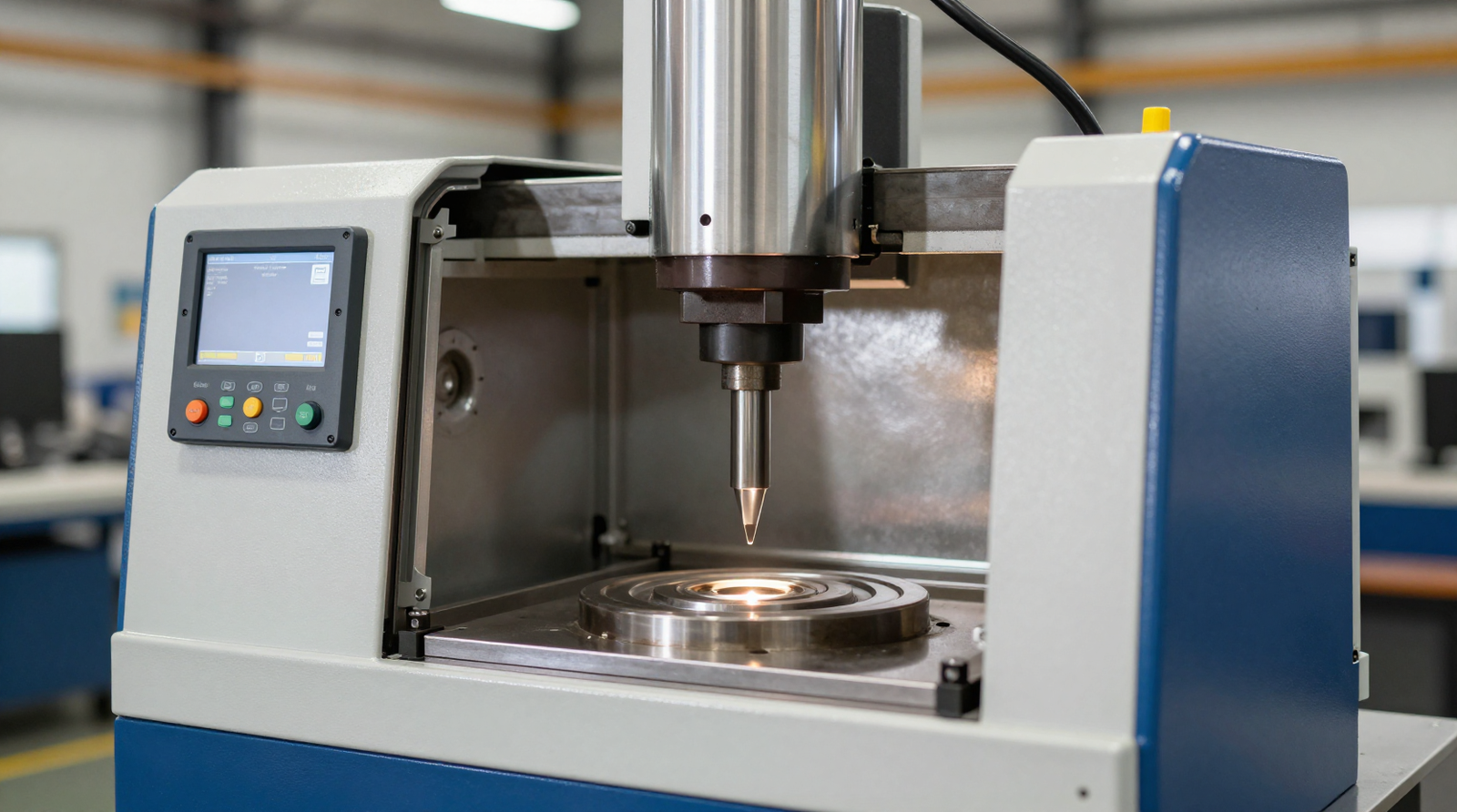
A portable line boring machine consists of a boring bar, drive unit, bearing supports, and a cutting tool. The machine is set up on-site, with the boring bar inserted through the bores to be repaired. Bearing supports are clamped to the component to stabilize the bar and ensure alignment. The drive unit rotates the bar, while the cutting tool — mounted on the bar — is fed axially through the bore, removing material in controlled passes.
The boring bar can be extended or shortened to accommodate different bore spacings. The cutting tool is adjustable, allowing the operator to set the exact bore diameter to be achieved. Most portable line boring machines can achieve tolerances within 0.001 inches (0.025 mm) on diameter and 0.0005 inches/foot on alignment.
Why Portable Line Boring Is Essential
Heavy equipment pin bores wear due to several factors:
- Normal wear: Repeated loading and unloading of pin connections causes gradual enlargement and ovalization of the bore.
- Inadequate lubrication: Insufficient or contaminated grease leads to metal-to-metal contact, accelerating wear.
- Overloading: Operating equipment beyond its rated capacity causes deformation and accelerated bore wear.
- Contamination: Dirt, dust, and abrasive particles enter the pin connection, acting as a grinding compound.
- Corrosion: In marine and coastal environments, corrosion pitting damages bore surfaces.
Without line boring, worn bores eventually lead to excessive play in the equipment, reduced digging force, accelerated wear of mating components, and ultimately, structural failure.
Applications of Portable Line Boring Machine in Indonesia
Mining and Quarrying
Indonesia’s mining industry — concentrated in Kalimantan, Sumatra, and Papua — operates fleets of large excavators, bulldozers, and wheel loaders in harsh, abrasive environments. Line boring is routinely performed on:
- Excavator boom and arm pin bores
- Bulldozer push arm and tilt cylinder bores
- Wheel loader linkage and lift arm bores
- Crusher eccentric and mantle bores
- Conveyor pulley and drive pulley bores
The ability to perform line boring on-site, without transporting the machine to a workshop, saves mining companies days of downtime and tens of millions of rupiah in transport costs.
Steel Mills and Cement Plants
Steel mills in Cilegon and Krakatau Steel, and cement plants in Tonasa, Gresik, and Padang, operate large rotating equipment — roll stands, kilns, mills, and rotary dryers — whose bearing housings and trunnion bores wear over time. Portable line boring machines are used to restore these critical bores during scheduled maintenance shutdowns, preventing the need for costly component replacement.
Oil and Gas
In the oil and gas sector, line boring is used to repair:
- Drilling rig mast and substructure pin bores
- Pump jack and beam pumping unit bearings
- Pipeline compressor crankshaft bores
- Offshore platform crane pedestal bores
Shipbuilding and Marine
Indonesian shipyards use portable line boring machines for:
- Stern tube bearing bores
- Rudder stock and pintle bearing bores
- Propeller shaft bearing bores
- Deck crane pedestal bores
Types of Portable Line Boring Machines
Standard Portable Line Boring Machines
These are the most versatile machines, capable of boring bores from 2 to 20 inches in diameter with bar lengths up to 20 feet. They are the workhorse of the on-site machining industry, suitable for most heavy equipment repair applications. The drive unit is typically pneumatic or hydraulic, providing sufficient torque for heavy cuts in hardened materials.
Compact Line Boring Machines
Compact machines are designed for tight-access applications where standard machines cannot fit. They are used for small bore diameters (1-4 inches) and short bar lengths. Despite their small size, they can achieve the same precision as standard machines and are ideal for repairing small linkages, valve bodies, and pump housings.
Heavy-Duty Line Boring Machines
For very large bores (20-60 inches) and long bar lengths (up to 40 feet), heavy-duty machines are used. These machines are typically hydraulically driven and require substantial setup time and crane support. They are used on large mining shovels, draglines, and mill stands where standard machines lack the capacity.
Combination Machines (Boring and Welding)
Some portable line boring machines can be combined with an on-site welding system. The process involves: (1) boring out the worn bore to remove damaged material, (2) welding a sleeve into the oversized bore, and (3) line boring the sleeve to the original bore diameter. This combination restores the bore to better-than-new condition and is particularly useful for bores that have been repaired multiple times.
Key Specifications to Consider When Selecting a Portable Line Boring Machine
Bore Diameter Range
Verify that the machine can accommodate the bore diameters you need to repair. Most standard machines cover a range such as 2-12 inches or 3-20 inches. For bore diameters outside this range, specialized machines or custom tooling may be required.
Bar Length and Maximum Distance Between Bores
The boring bar must be long enough to span the distance between the outermost bores that need to be aligned. For excavator arms, this distance can be 6-10 feet. For crane pedestals and ship stern tubes, the distance can exceed 20 feet. Ensure the machine’s bar length and bearing support system can handle the required span.
Drive Type and Power
- Pneumatic: Requires a compressed air supply (typically 100 CFM at 90 PSI). Ideal for mining and construction sites where air compressors are readily available. Safe for use in most industrial environments.
- Hydraulic: Powered by a hydraulic power unit. Provides high torque for heavy cuts in large bores. Preferred for large industrial applications and heavy-duty mining equipment.
- Electric: Powered by standard electrical supply. Quieter and cleaner, but limited to non-hazardous areas. Suitable for factory and workshop environments.
Precision and Tolerance
Most portable line boring machines can achieve bore tolerances within 0.001 inches (0.025 mm) on diameter. Alignment tolerances of 0.0005 inches per foot are standard. For critical applications — such as compressor crankshaft bores or stern tube bearings — tighter tolerances may be required, and the machine’s capability should be verified.
Setup Weight and Portability
The machine must be light enough to be positioned by one or two technicians, especially in field applications. Standard machines typically weigh 50-150 lbs. Heavy-duty machines may require crane assistance for positioning. Consider the accessibility of the repair site when selecting a machine.
Tooling Options
Check what cutting tools are available for the machine. Carbide inserts are standard, but for hardened materials (typically found in bushing bores), ceramic or CBN (cubic boron nitride) inserts may be required. The availability of boring bars in different diameters and lengths is also important.
On-Site Line Boring Services vs Machine Rental
Renting a Machine
If you have experienced in-house machinists, renting a portable line boring machine may be the most economical option. The rental provider supplies the machine, tooling, and basic setup instruction. Your personnel operate the machine and perform the boring operation.
Hiring On-Site Line Boring Services
For companies without in-house machining expertise, hiring a professional on-site line boring service is recommended. The service provider supplies the machine, tooling, and experienced operators who handle the entire repair process — from setup and alignment verification to the final bore inspection. This option ensures high-quality results and reduces the risk of errors that could damage the component.
Combination Services
Many on-site machining providers offer combination services that include line boring, bore welding, bushing installation, and flange facing. This comprehensive approach ensures that all aspects of the repair are handled by a single provider, reducing coordination complexity and ensuring consistent quality.
Frequently Asked Questions About Portable Line Boring Machine Indonesia
How long does an on-site line boring job take?
A typical line boring job — such as repairing excavator arm pin bores — takes 4-8 hours, including setup, boring, and inspection. Larger or more complex jobs, such as crusher hub boring or stern tube boring, may take 1-3 days. The actual boring time depends on the bore diameter, depth of damage, material hardness, and the desired finish.
Can line boring be performed on hardened materials?
Yes, portable line boring machines can bore hardened materials using carbide, ceramic, or CBN cutting tools. However, harder materials require slower cutting speeds and lighter depths of cut, increasing the machining time. The machine’s rigidity and power are also important factors when boring hard materials.
What is the maximum bore diameter that can be repaired on-site?
Most standard portable line boring machines can handle bores up to 20 inches in diameter. Heavy-duty machines can handle bores up to 60 inches. For bore diameters larger than 60 inches, specialized machines or custom setups may be required.
How accurate is portable line boring?
Portable line boring machines can achieve bore diameter tolerances within 0.001 inches (0.025 mm) and alignment tolerances of 0.0005 inches per foot. These tolerances meet or exceed the requirements of most heavy equipment manufacturers and are suitable for all standard pin and bearing applications.
What is the cost of on-site line boring services in Indonesia?
The cost depends on the scope of work, machine type, location, and duration of the job. Contact SIPINUS for a detailed quote based on your specific repair requirements. On-site line boring is generally significantly more economical than transporting equipment to a workshop and back.
Do you provide bore welding and bushing installation services?
Yes, comprehensive on-site machining services are available, including bore welding, line boring, bushing installation, and final machining. This turnkey approach ensures that the repaired bore meets or exceeds the original manufacturer specifications.
Conclusion
A portable line boring machine Indonesia is an essential tool for maintaining the productivity and reliability of heavy equipment across mining, steel, cement, oil and gas, and marine industries. By performing precision boring operations on-site, companies can avoid the cost, time, and logistical challenges of transporting massive components to a machine shop. Whether you choose to rent a machine for in-house use or hire professional on-site boring services, portable line boring provides a fast, accurate, and cost-effective solution for heavy equipment repair.
For expert on-site line boring services and flange facing machine rental in Indonesia, contact SIPINUS or call 082199001706. Our experienced technicians provide on-site machining solutions tailored to your equipment repair needs.