Across Indonesia’s network of refineries, LNG plants, petrochemical facilities, and offshore platforms, thousands of flanged pipe joints are in daily service under high pressure, elevated temperature, and corrosive process conditions. When these joints begin to leak, the response must be fast, precise, and minimize plant downtime. In most cases, the best answer is a portable flange facing machine rental — bringing precision machining capability directly to the flange without the delay and cost of spool removal and workshop repair.
This guide explains what portable flange facing machines are, how they work, what applications they serve across Indonesian O&G infrastructure, and how to arrange a portable flange facing machine rental for your next maintenance or emergency repair requirement.
What Is a Portable Flange Facing Machine?
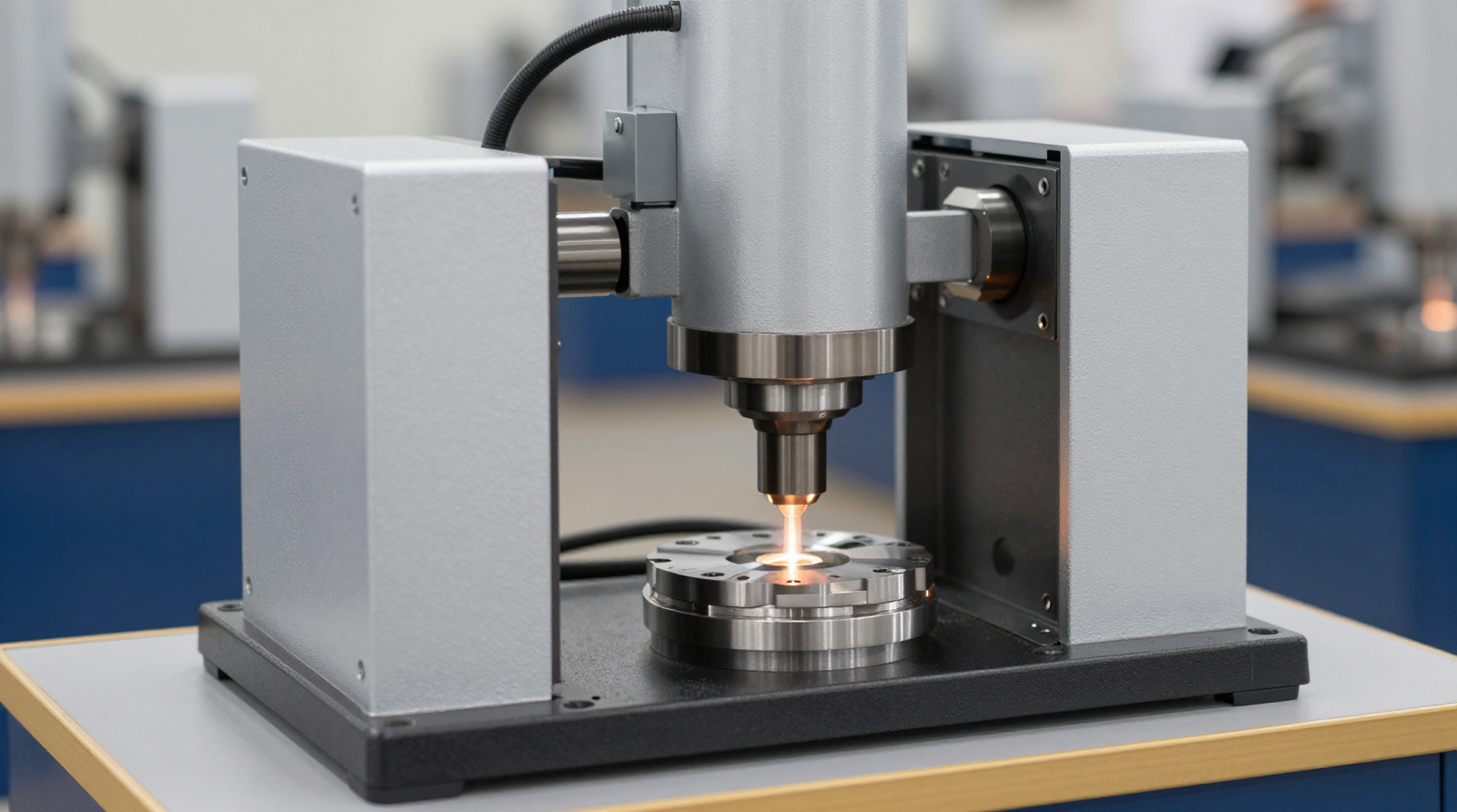
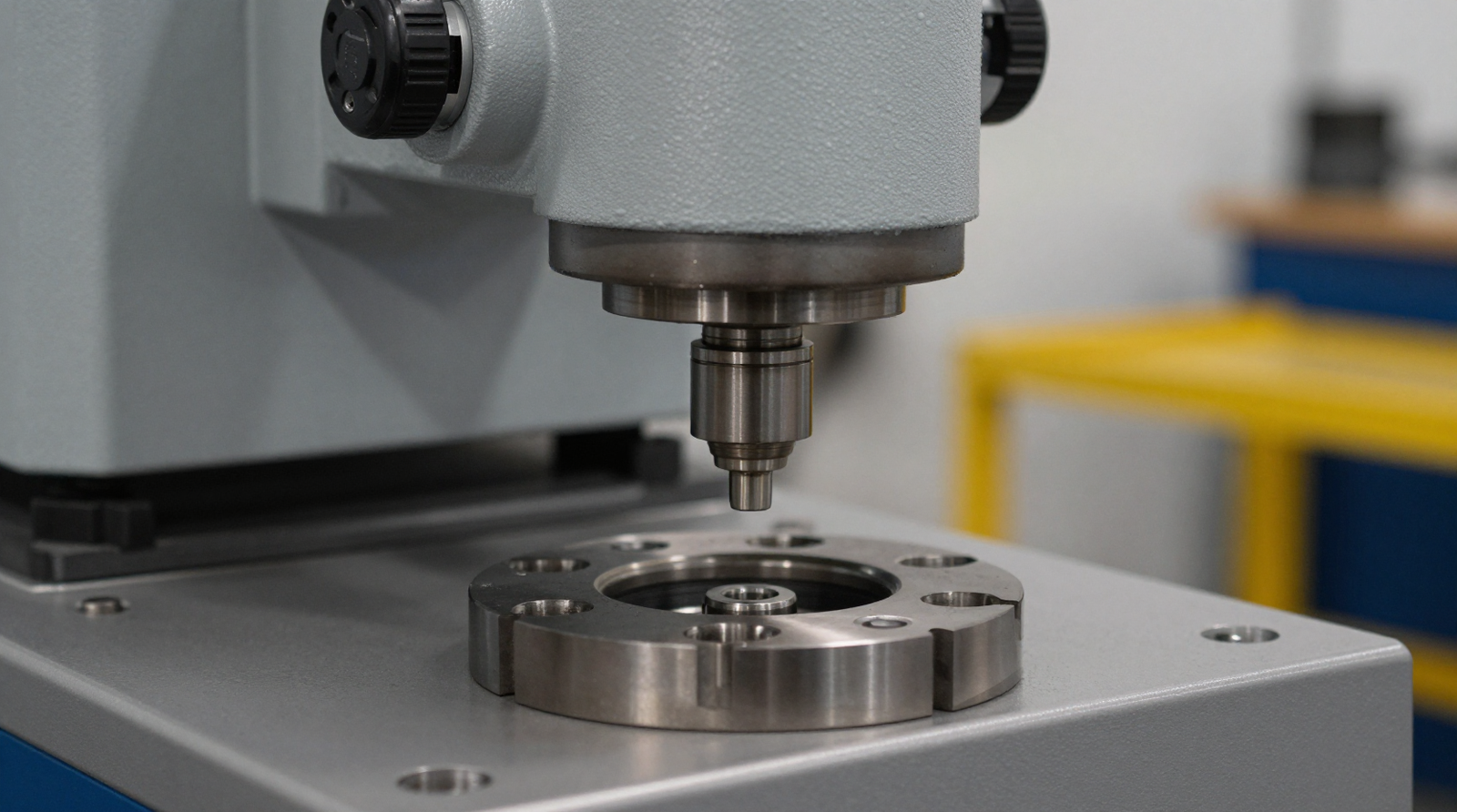
A portable flange facing machine is a precision machining tool engineered to re-surface pipe flanges in their installed position, without dismantling the pipeline or removing the spool to a workshop. The machine clamps onto the pipe — either mounting in the pipe bore (bore-mounted) or on the pipe outside diameter (OD-mounted) — and uses a rotating carbide or CBN (cubic boron nitride) cutting tool to re-machine the flange face to the required flatness and surface finish specification.
Portable flange facing machines are available in configurations covering flanges from DN25 (1 inch NPS) all the way to DN3000 (120 inch NPS) and beyond for special industrial applications. They can be powered by pneumatic, hydraulic, or electric drive motors, making them suitable for use in a wide range of process plant and offshore environments.
Bore-Mounted vs. OD-Mounted Machines
The two main mounting configurations for portable flange facing machines each have specific application advantages:
- Bore-mounted (ID-mounted): The machine inserts a mandrel into the pipe bore and expands it against the bore wall, centering the machine on the pipe axis. This configuration ensures the machined face is perpendicular to the pipe centerline, which is critical for proper gasket seating and joint integrity. Bore-mounted is the standard configuration for most process piping applications.
- OD-mounted: The machine clamps on the pipe outside diameter. Used when the pipe bore is blocked by a fitting, valve, or weld bead that prevents bore-mounting. Also preferred for very thin-wall pipe where bore mounting would risk deforming the pipe.
Why Portable Flange Facing Machine Rental Is the Smart Choice
For most industrial users, portable flange facing machine rental offers compelling advantages over both workshop repair and purchasing the equipment:
Dramatic Downtime Reduction
The traditional approach to a leaking flange — isolating the line, cutting out the spool, transporting to a workshop, machining, transporting back, reinstalling, pressure testing — can take 5-10 days depending on spool size, transport distance, and workshop backlog. A portable flange facing team mobilized to the flange location can typically complete the machining operation in 4-16 hours, depending on flange size. In a refinery or LNG plant where a unit downtime can cost tens of thousands of dollars per hour, this difference is enormous.
Eliminates Spool Handling Risk
Removing, transporting, and reinstalling heavy flanged spools introduces multiple opportunities for additional damage: impact damage to the mating flange faces during removal, damage to insulation and instrumentation on adjacent piping, and the risk of contamination entering the open pipeline ends. Portable flange facing eliminates all of these risks by keeping the spool in place throughout the repair.
Cost-Effective for Intermittent Use
Portable flange facing machines represent a significant investment — a full-size machine capable of handling large industrial flanges can cost USD 30,000-100,000 or more. For companies that need flange facing capability only occasionally (turnaround maintenance, emergency repairs), rental delivers access to the right equipment at a fraction of the ownership cost.
Applications of Portable Flange Facing Machine Rental Across Indonesian Industry
Portable flange facing machine rental is deployed across Indonesia’s full range of process industries:
Oil and Gas Refineries
Indonesia’s Pertamina refinery network (RU II through RU VI) and independent refineries use portable flange facing extensively during planned turnarounds and emergency maintenance. Process piping flanges in refinery service are subject to aggressive corrosion from H2S, chlorides, and caustic, making flange face degradation a routine maintenance challenge. Portable facing machines allow turnaround teams to restore multiple flanges per day without interrupting other turnaround activities.
LNG and Gas Processing
Bontang LNG and Tangguh LNG in Papua operate under extremely tight turnaround windows where any schedule extension is extremely expensive. Portable flange facing allows flange repairs to proceed in parallel with other activities rather than serializing the entire turnaround around spool removal and workshop machining. For related on-site machining context, see our comprehensive guide to on-site machining solutions for O&G facilities in Indonesia.
Offshore Platforms and FPSOs
On offshore platforms operating in Indonesian waters, spool removal is exceptionally difficult — limited crane capacity, restricted deck space, and the absence of a nearby workshop make workshop machining essentially impractical. Portable flange facing machines can be helicopter-mobilized to platforms (most models weigh under 200 kg including accessories) and operated by a two-person team in the field. This is now standard practice for flange maintenance on Indonesian offshore platforms and FPSOs.
Petrochemical Plants
Cilegon petrochemical complex, Gresik industrial area, and East Kalimantan industrial estates include numerous petrochemical plants with extensive high-pressure process piping in corrosive service. Portable flange facing rental gives maintenance teams fast access to flange restoration capability without capital investment in equipment that may only be used a few times per year.
Surface Finish Standards for Portable Flange Facing in Oil and Gas
The surface finish produced by a portable flange facing machine must meet the specification required by the gasket type and applicable design code:
- Spiral wound gaskets (SWG): ASME PCC-1 specifies a serrated concentric or phonographic finish of Ra 3.2-6.3 micrometers (125-250 microinch AARH). This is the most common requirement in Indonesian refinery, LNG, and offshore process piping.
- Ring joint (RTJ): The ring groove seating surfaces require a smooth finish of Ra 1.6 micrometers or better. Used for high-pressure wellhead and valve connections.
- Compressed fiber / PTFE gaskets: Smooth finish (Ra 3.2 or finer) acceptable. Used in lower-pressure utility piping and water service.
- Metallic flat gaskets: Very smooth finish (Ra 0.8-1.6 micrometers) required for reliable sealing. Used in cryogenic and ultra-high-pressure service.
For full technical specification, refer to ASME PCC-1 (Guidelines for Pressure Boundary Bolted Flange Joint Assembly) and API recommended practices for flange joint management.
How to Arrange Portable Flange Facing Machine Rental in Indonesia
- Define the scope: Specify flange sizes (NPS and ANSI pressure class), number of flanges, pipe material (carbon steel, stainless, alloy, clad), location (onshore/offshore), and required surface finish specification.
- Select a provider: Contact on-site machining service providers with portable flange facing capability. Ask for machine specifications (bore range, drive type, surface finish capability) and machinist qualification records.
- Confirm ATEX requirements: For offshore or refinery hazardous area work, confirm that the drive unit is ATEX-certified for the applicable zone classification.
- Mobilize and execute: Coordinate transport, site access, and isolation of the flange to be machined. Execute per ASME PCC-1 guidelines. Inspect with profilometer. Document in an inspection report.
- Reassemble per ASME PCC-1: Apply correct bolt torque or bolt load per the approved bolt tightening procedure. Use a new gasket of the correct specification.
For a complementary perspective on on-site structural cutting services that often accompany flange maintenance programs, see our guide on diamond wire saw technology for offshore decommissioning in Indonesia.
Get Expert Consultation
Our team provides portable flange facing machine rental and on-site machining services across Indonesia.
Frequently Asked Questions About Portable Flange Facing Machine Rental
What is a portable flange facing machine?
A compact machining tool that re-surfaces pipe flanges in their installed position using a rotating cutting tool, without removing the spool from the pipeline.
What are the advantages over sending flanges to a workshop?
Reduces repair time from 5-10 days to 4-16 hours by eliminating spool removal, transport, and reinstallation. Dramatically reduces plant downtime and production loss.
What flange sizes can they handle?
From DN25 (1 inch) to DN3000 (120 inch) and larger, depending on the machine model. The correct machine size must match the flange bore and OD.
What surface finish do they produce?
Serrated finish (Ra 3.2-6.3 micrometers) for spiral wound gaskets, smooth finish (Ra 0.8-1.6 micrometers) for RTJ and metallic gaskets — adjustable by feed rate and tool selection.
Can they be used on offshore platforms in Indonesia?
Yes. Most portable flange facing machines weigh under 200 kg, can be helicopter-mobilized, and are available with pneumatic drives for ATEX-classified offshore areas.