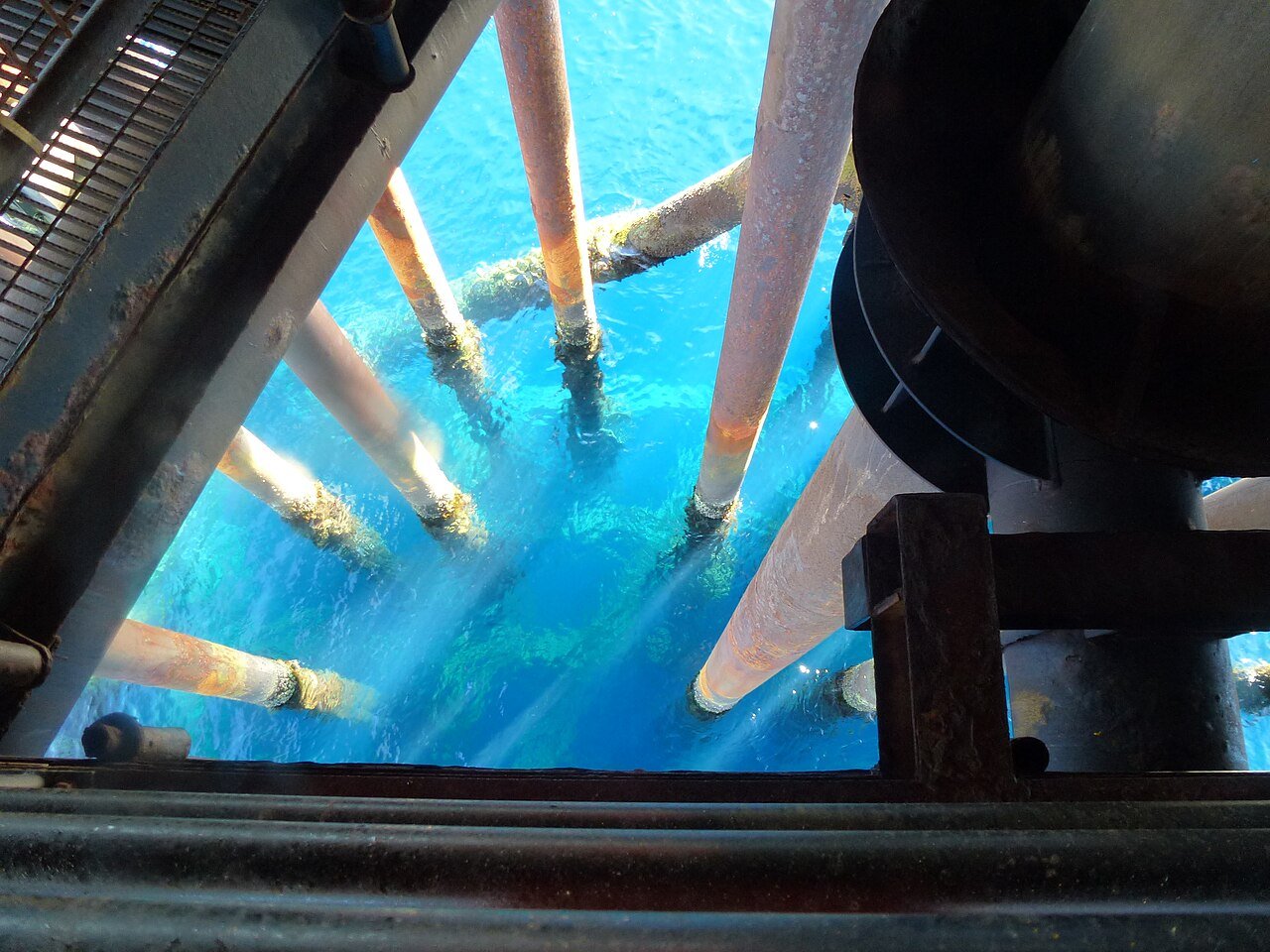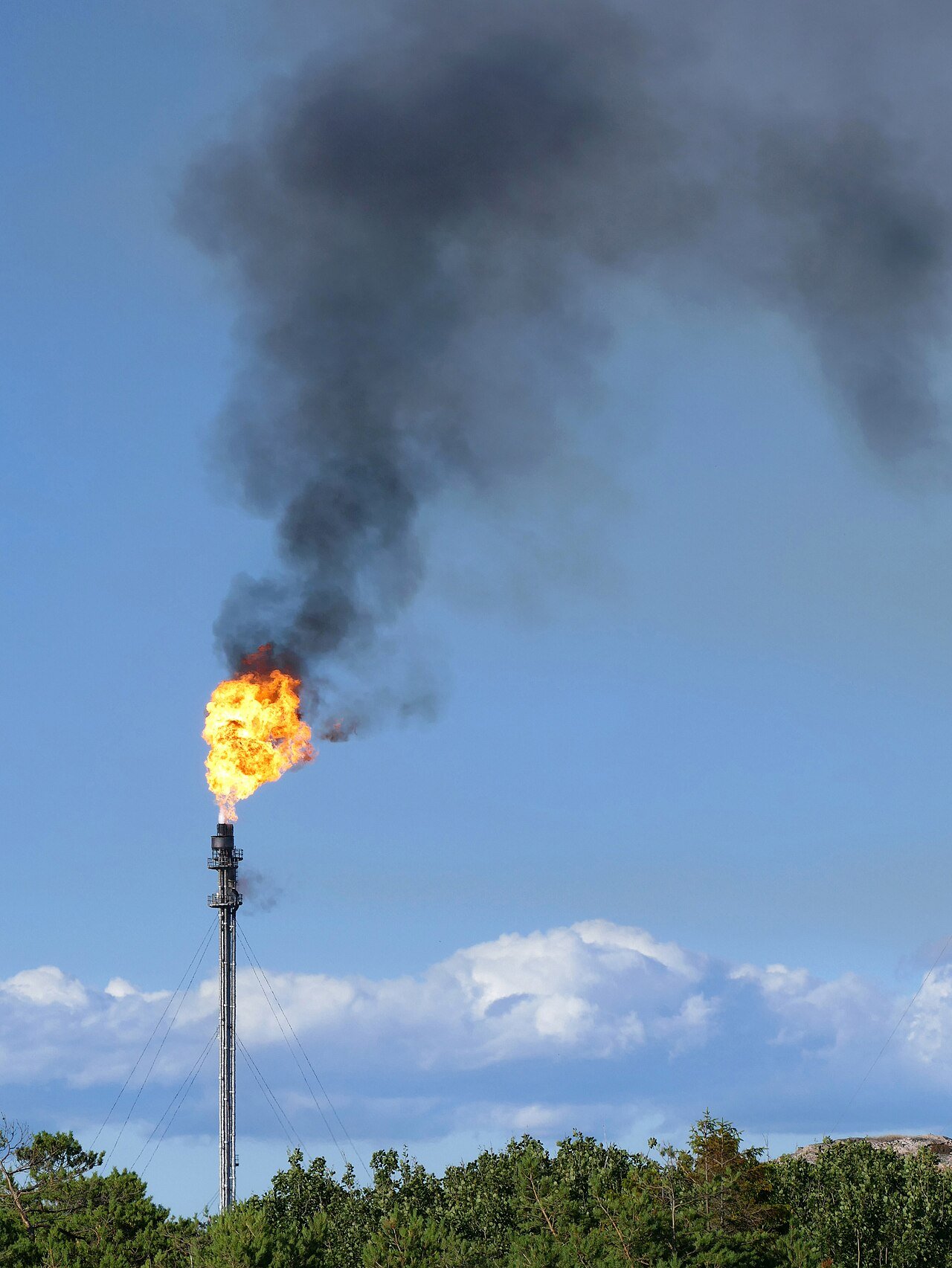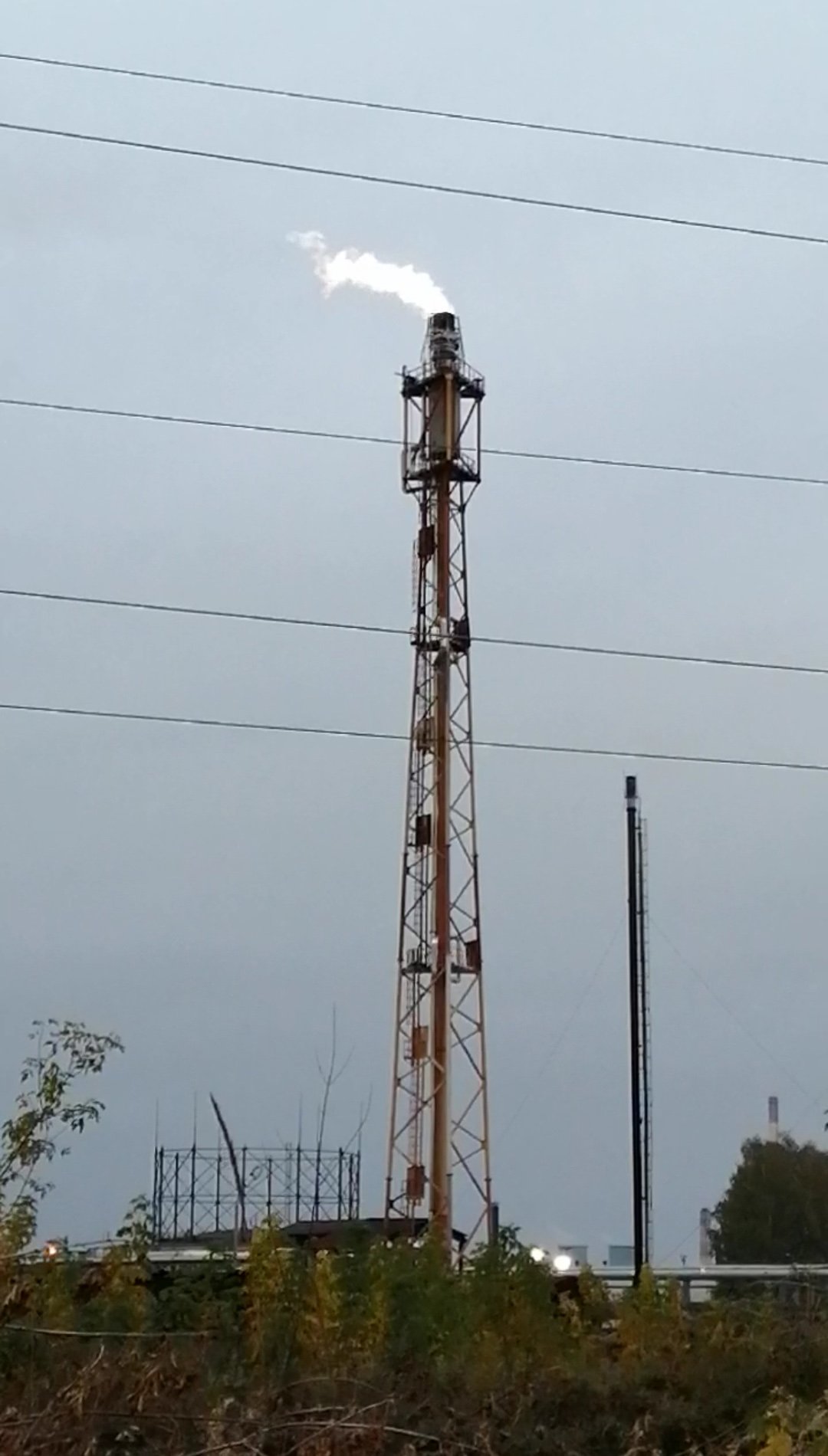
Offshore platforms in Indonesian waters — from the Natuna Sea to the Makassar Strait — require continuous maintenance, inspection, modification, and sometimes decommissioning. Almost none of this work can be done without safe, reliable access to the structures and equipment. Offshore scaffold rental Indonesia provides the modular, certified access systems that make platform work possible at height, over water, and in confined spaces.
This guide covers the types of scaffold systems used offshore, safety and certification requirements specific to the offshore environment, and how to source compliant scaffold rental for your next offshore campaign in Indonesia.
Why Offshore Scaffolding Is Different from Onshore
Scaffolding used on offshore platforms must withstand conditions that onshore scaffold never encounters: salt-laden corrosive atmosphere, high winds, platform vibration from rotating equipment, limited deck space, and the constant motion of a structure founded on the seabed. These conditions drive specific requirements for materials, design, and certification.
Material Requirements
Offshore scaffold components are typically hot-dip galvanized steel or marine-grade aluminum. Painted steel scaffold, common onshore, is generally not accepted offshore due to rapid corrosion in the marine environment. Aluminum scaffold is lighter and easier to handle but must be rated for the structural loads and wind conditions of the platform location.
Design Considerations
Offshore scaffold design must account for platform-specific factors:
- Deck loading limits: Scaffold materials and the loads they carry must not exceed the platform deck’s structural capacity. Weight calculations must include scaffold self-weight, workers, tools, and materials.
- Wind loading: Offshore wind speeds can be extreme. Scaffold design must include wind load calculations for the specific platform location and season.
- Vibration: Platform machinery transmits vibration that can loosen scaffold connections. All connections must be positively locked (not friction-fit).
- Escape routes: Scaffold must not block emergency escape routes, lifeboat stations, or fire-fighting equipment access.
Logistics and Laydown
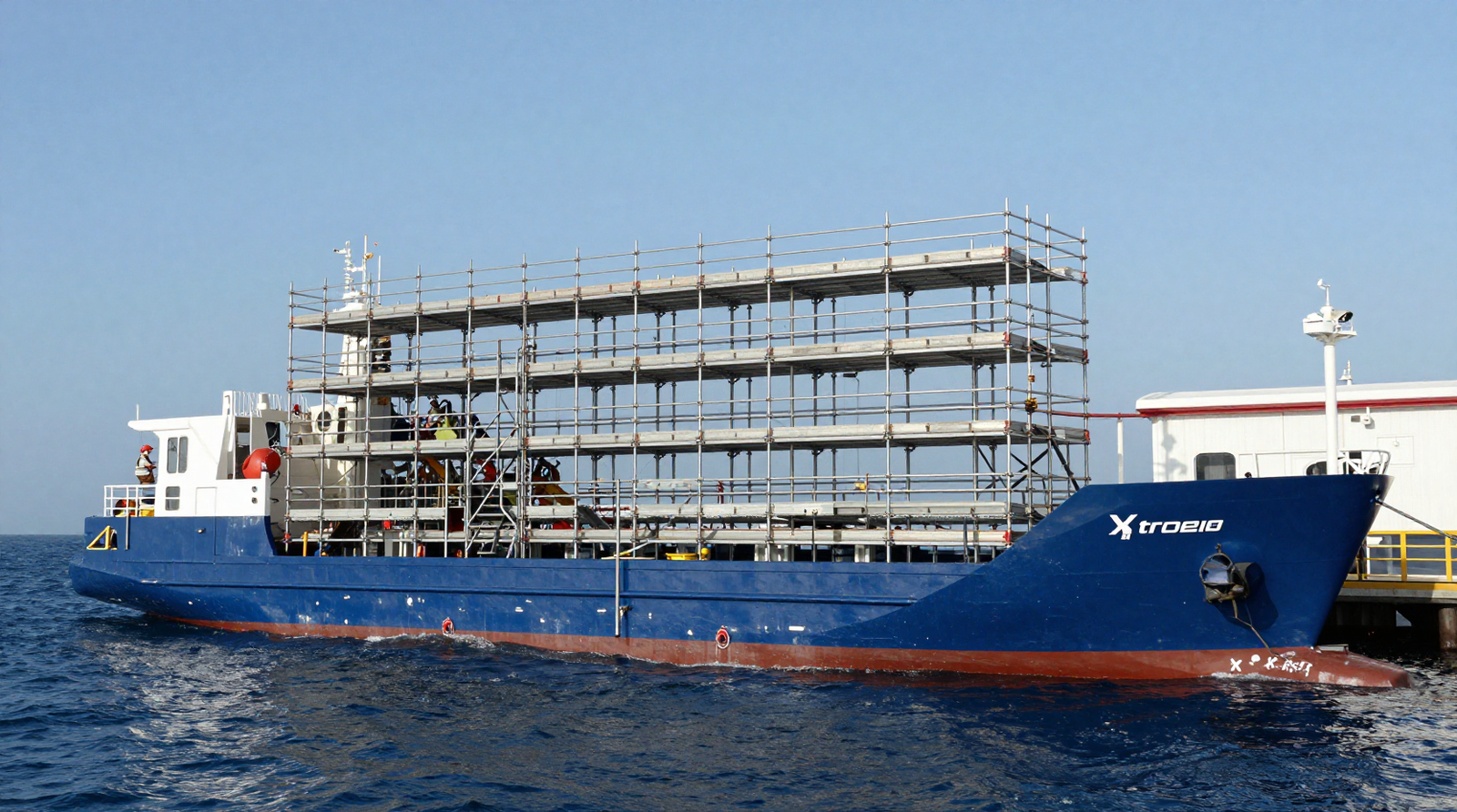
Everything on an offshore platform arrives by boat or helicopter. Scaffold materials must be packed in loads that can be safely lifted by platform crane, typically in cargo baskets or on pallets. Deck space for staging scaffold materials is always limited, so careful planning of delivery sequence and erection order is essential.
Types of Offshore Scaffold Systems
Tube and Coupler Scaffold
The traditional tube and coupler system remains the most versatile for offshore applications. Using 48.3mm OD galvanized steel tubes and forged steel couplers, this system can be configured to fit virtually any shape — around piping, under decks, over equipment, and along platform edges. The versatility comes at the cost of slower erection time compared to modular systems.
For offshore use, all couplers must be drop-forged steel with dual locking (toggle pin or bolt). Friction-type couplers are not acceptable due to vibration risks. Tubes must be galvanized and inspected for dents, bends, and wall thinning before each use.
Modular System Scaffold
Modular systems (such as Layher Allround, Safway SafLock, or equivalent) use pre-fabricated frames and components that connect with fixed node points. They erect significantly faster than tube and coupler and provide consistent load capacity at each node. For offshore campaigns with repetitive access requirements (e.g., painting a flare boom, cladding a living quarters module), modular systems are often the most efficient choice.
The trade-off is less flexibility in fitting irregular shapes. However, most modular systems include adapter components that allow some integration with tube and coupler for complex areas.
Suspended Scaffold and Gondolas
For work on platform undersides, jacket legs, or risers, suspended scaffold systems provide access without occupying deck space below. Types include:
- Swing stages (cradle scaffold): Motorized platforms suspended from davits or outriggers on the deck above. Used for painting jacket members, inspecting risers, and accessing platform undersides.
- Bosun’s chairs: Single-person suspended access for inspection and light maintenance tasks. Requires fall arrest system in addition to the suspension system.
- Net systems: Debris nets and safety nets rigged below work areas to prevent dropped objects from reaching lower deck levels or the sea.
Confined Space Scaffold
Inside tanks, vessels, and column internals, specialized confined space scaffold is required. Components must be small enough to pass through manways (typically 18-24 inch diameter) and assembled in tight spaces. Aluminum modular systems are preferred for their lighter weight in confined space erection.
Offshore Scaffold Safety Standards and Certification
Indonesian Regulatory Framework
Offshore scaffold work in Indonesia is governed by several regulatory bodies and standards:
- Kementerian ESDM (Migas): Regulates offshore oil and gas operations including scaffold safety through SKK Migas PTK guidelines.
- Kemenaker (Ministry of Manpower): Regulates occupational safety including working at height through PER.05/MEN/2018 and related regulations.
- International standards: ISO 12480 (crane safety), EN 12810 (facade scaffold), and API RP 2D (offshore crane operations) are commonly referenced in Indonesian offshore project specifications.
Scaffold Inspection and Tagging
Every offshore scaffold must be inspected by a competent person before first use, after any modification, and at regular intervals (typically every 7 days). The inspection is documented with a scaffold tag:
- Green tag: Scaffold is safe for use, meets all requirements.
- Yellow tag: Scaffold is incomplete or has restrictions — use only as specified on the tag.
- Red tag: Scaffold is unsafe — do not use.
On Indonesian offshore platforms, the scaffold tag system is strictly enforced. Accessing a red-tag scaffold is grounds for immediate removal from the platform.
Personnel Certification
Scaffolders working offshore in Indonesia must hold valid certification:
- Scaffolder certificate: Issued by a recognized training body (typically Ahli K3 Umum or equivalent with scaffolder specialization).
- TBU/BOSIET: Basic offshore safety induction and emergency training for all offshore personnel.
- Working at height certificate: Additional certification for working at height, including rescue procedures.
Planning an Offshore Scaffold Campaign
Access Survey
Before mobilizing scaffold materials, a detailed access survey should be conducted on the platform. The survey identifies all work locations, measures distances, notes obstructions (piping, cable trays, equipment), and determines the scaffold configuration required for each location. The survey output is a material take-off (MTO) that drives the scaffold rental order.
Material Mobilization
Scaffold materials are typically mobilized via supply boat from a shore base (Jakarta, Balikpapan, or Batam). The mobilization plan must account for:
- Boat schedule and cargo capacity
- Platform crane capacity and operating weather limits
- Backload (return) of scaffold materials after the campaign
- Deck space allocation for incoming scaffold cargo baskets
Erection Sequence
Offshore scaffold erection must be planned to minimize interference with ongoing platform operations. Critical considerations include:
- Erecting scaffold over live process equipment requires dropped object protection (nets, planks, tarps) below the work area.
- Hot work (cutting, grinding) during scaffold erection may require a hot work permit and fire watch.
- Scaffold must not block walkways, escape routes, or access to safety equipment at any point during erection.
Sourcing Offshore Scaffold Rental in Indonesia
What to Look for in a Scaffold Rental Provider
- Material condition: All components should be galvanized, free from significant corrosion, dents, or deformations. Request material inspection certificates.
- Inventory depth: The provider should have sufficient inventory to support your campaign without rationing materials, which can delay the project.
- Design capability: For complex scaffold structures, the provider should offer engineering design with load calculations and drawings stamped by a qualified engineer.
- Offshore experience: The provider should have documented experience supplying scaffold to offshore platforms, understanding the logistics, certification, and safety requirements.
Cost Considerations
Offshore scaffold rental is typically priced per component per day or per ton per day, with mobilization and demobilization charged separately. The total cost is driven by:
- Material quantity (determined by the access survey MTO)
- Rental duration (including transit time to and from the platform)
- Mobilization logistics (boat, crane, crew boat for loadout)
- Scaffold erection and dismantling labor (if provided)
Frequently Asked Questions About Offshore Scaffold Rental Indonesia
How long does it take to mobilize scaffold to an offshore platform?
Typically 3-7 days from order to material on deck, depending on the shore base location, boat schedule, and platform location. For remote platforms in the Natuna or Arafura seas, mobilization can take longer. Plan scaffold orders well in advance of the campaign start date.
Can scaffold be left installed between campaigns?
Generally, scaffold should be dismantled between campaigns to prevent degradation from the marine environment. However, for recurring inspection campaigns (e.g., annual structural inspections), it may be cost-effective to leave select scaffold structures installed, provided they are re-inspected and re-tagged before each use.
What is the maximum height for offshore scaffold?
There is no fixed maximum height, but scaffold height is limited by the platform deck loading capacity, wind exposure, and structural stability. For scaffold above 10 meters, engineered design with wind load calculations is typically required. Always consult the platform’s structural engineer for height limitations at specific locations.
For certified offshore scaffold rental in Indonesia, contact our team for a material take-off and mobilization plan. We provide galvanized scaffold systems, engineering design, and trained scaffolders for offshore platform maintenance and construction across Indonesian waters. Learn more about our offshore scaffold capabilities and on-site machining services.