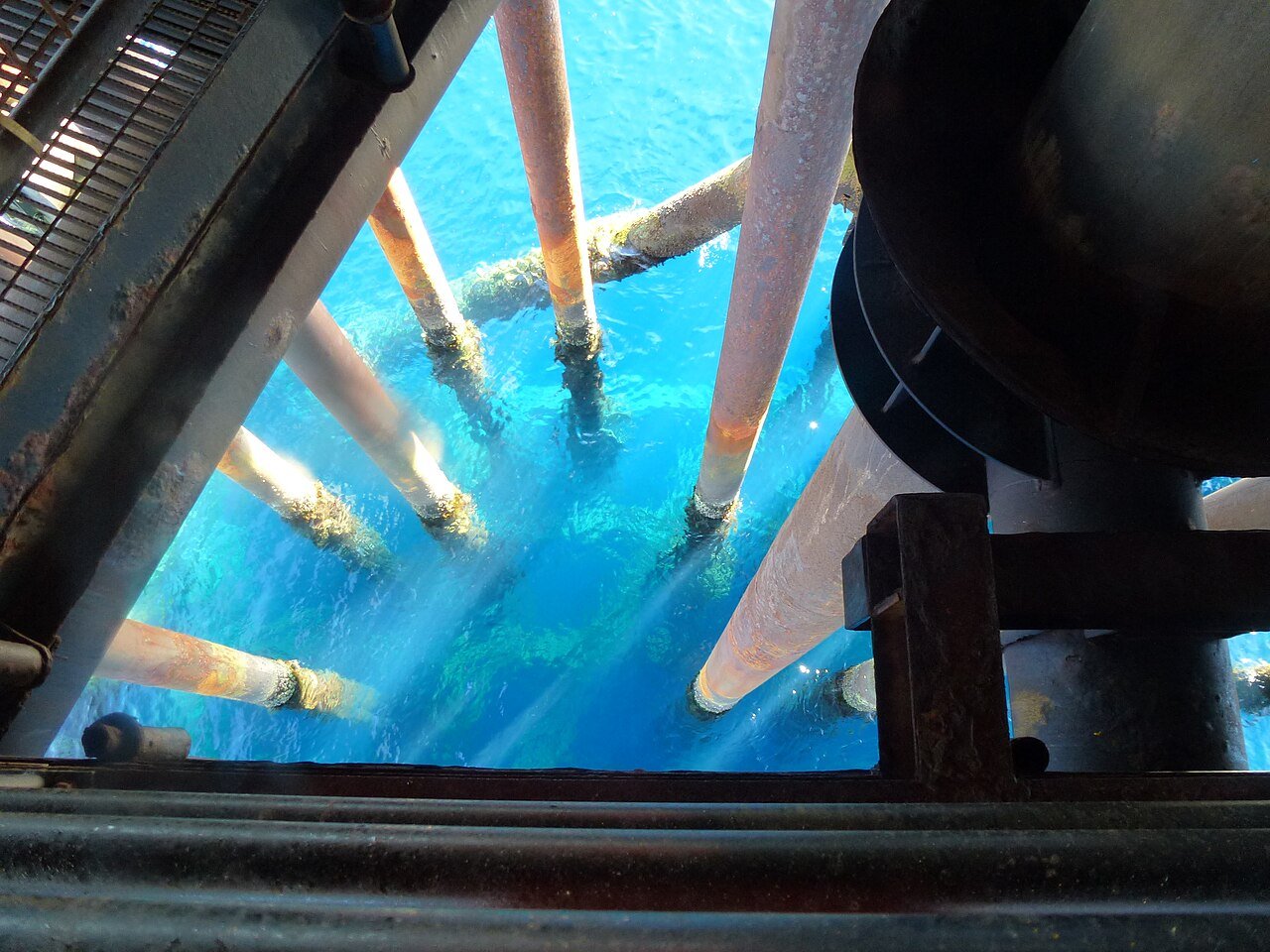
As Indonesia’s offshore oil and gas infrastructure ages, the demand for professional subsea cutting services Indonesia continues to grow. Dozens of offshore platforms, subsea pipelines, and underwater structures in the Java Sea, Kalimantan waters, and the Natuna Sea have reached or are approaching the end of their operational life. Decommissioning these structures requires precision underwater cutting capabilities that can safely and efficiently sever steel components at depths ranging from a few meters to over 100 meters below the surface.
This guide provides a comprehensive overview of subsea cutting services available in Indonesia, covering the cutting technologies, their applications, depth capabilities, safety considerations, and how to select the right cutting method for your decommissioning project.
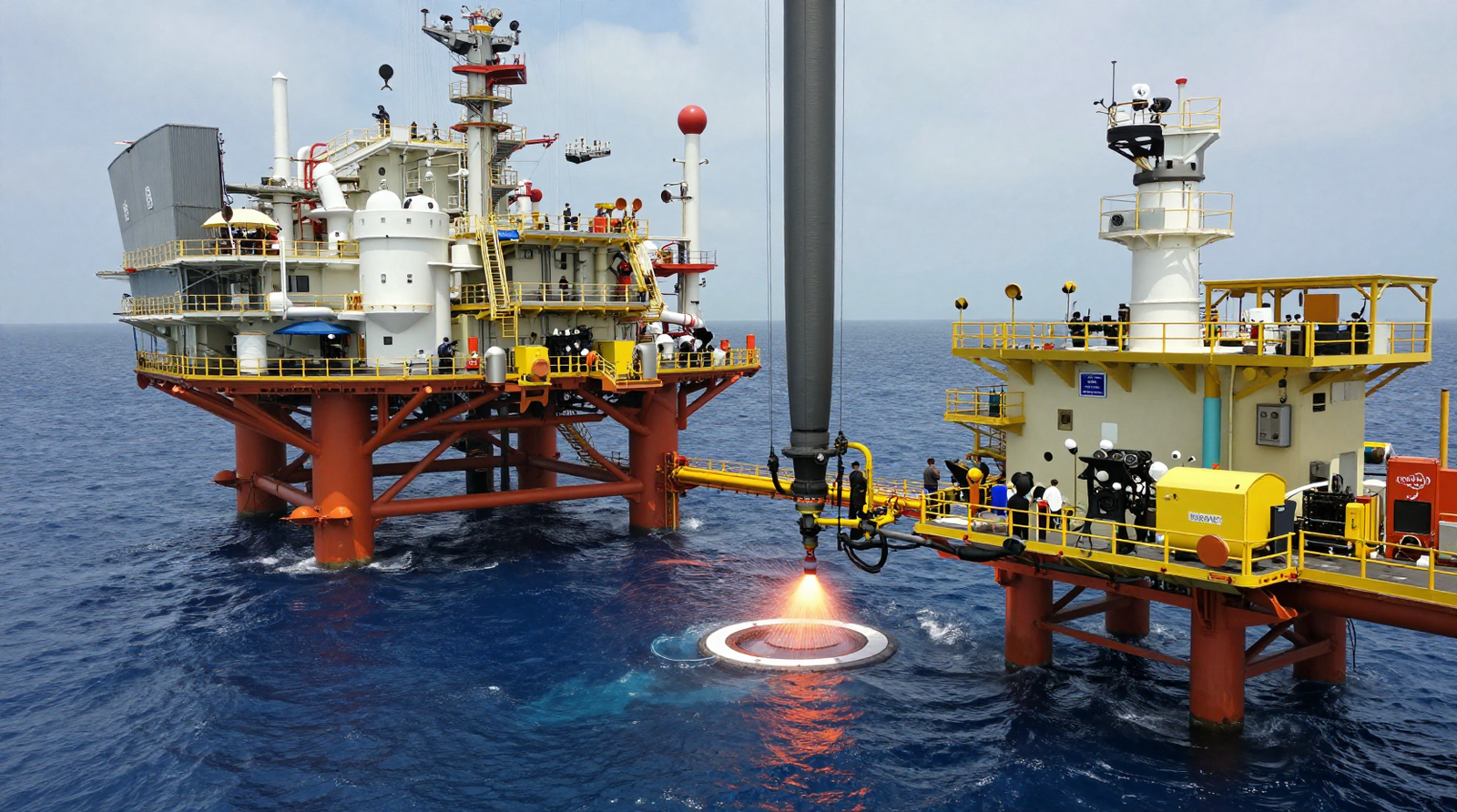
Why Subsea Cutting Services Are Critical for Indonesia’s Offshore Industry
The Decommissioning Challenge
Indonesia has over 1,000 offshore platforms, many of which were installed in the 1970s and 1980s. As these structures reach the end of their design life, they must be decommissioned in accordance with Indonesian regulations (SKK Migas guidelines) and international standards (OSPAR, IMO). Decommissioning typically involves severing the platform jacket at the mudline, removing subsea pipelines, and recovering conductors and risers — all of which require subsea cutting.
Environmental and Safety Considerations
Subsea cutting operations must be performed with minimal environmental impact. Cutting methods that generate debris, heat, or underwater sparks can harm marine ecosystems and pose safety risks to divers and marine life. The selection of cutting technology must balance efficiency, precision, safety, and environmental protection.
Regulatory Compliance
Indonesian offshore decommissioning is regulated by SKK Migas, which requires that all subsea cutting operations be performed by qualified contractors using approved methods and equipment. The cutting method must be documented in the decommissioning plan, and post-cut verification must demonstrate that the structure has been severed cleanly at the required depth (typically 4-5 meters below the natural seabed for platform jackets).
Subsea Cutting Technologies Used in Indonesia
Diamond Wire Saw Cutting
Diamond wire saw cutting is the most widely used method for subsea cutting in Indonesian decommissioning projects. A continuous loop of diamond-impregnated wire is guided around the target structure (conductor, pile, or pipeline) and driven at high speed by a hydraulic motor. The diamond particles grind through the steel, producing a clean, straight cut with minimal debris.
Advantages:
- Clean, precise cuts with minimal kerf width
- Capable of cutting large-diameter structures (up to 84 inches OD)
- Can cut steel, concrete, and composite materials
- Low environmental impact — no heat-affected zone, no sparks
- Can be deployed by ROV or divers
Depth capability: ROV-deployed diamond wire saws can operate at depths up to 3,000 meters, well beyond the range of diver-operated systems. In Indonesian waters, where most decommissioning occurs at depths of 10-100 meters, both diver-operated and ROV-deployed systems are used.
Abrasive Water Jet Cutting
Abrasive water jet cutting uses a high-pressure stream of water mixed with abrasive particles (typically garnet) to erode the target material. The water jet can cut through steel, concrete, and composite materials without generating heat or sparks, making it suitable for use in hazardous environments where flammable gases may be present.
Advantages:
- No heat-affected zone — safe for cutting structures containing hydrocarbons
- Can cut very thick materials (up to 250 mm steel)
- Precise, narrow kerf width
- Environmentally clean — no sparks or molten metal
Limitations: The abrasive supply must be delivered to the cutting head via a hose from the surface, which can limit operating depth and maneuverability. The abrasive material (garnet) is dispersed on the seabed, which may require environmental permits.
Plasma Arc Cutting
Underwater plasma arc cutting uses a high-temperature plasma jet to melt and blow away the target material. The plasma is generated by an electric arc between the cutting torch and the workpiece, ionizing the surrounding water and creating a high-velocity jet of plasma that can cut through steel up to 75 mm thick.
Advantages:
- Fast cutting speed — up to 5x faster than mechanical cutting
- Can cut any electrically conductive material
- Relatively simple equipment setup
Limitations: Generates heat and underwater electrical currents that can pose safety risks. Not suitable for cutting structures containing flammable materials. Typically limited to diver-operated applications at depths less than 50 meters.
Explosive Cutting
Explosive cutting uses shaped charges — typically cyclotrimethylenetrinitramine (RDX) or similar explosives — to sever steel structures. The explosive charge is shaped to produce a focused jet of high-velocity gas and metal particles that cuts through the target in milliseconds. Explosive cutting is used primarily for conductor severance at the mudline, where a single charge can cut through multiple conductors simultaneously.
Advantages:
- Extremely fast — the cut is completed in milliseconds
- Can cut multiple conductors or casings simultaneously
- No underwater machinery or electrical connections
- Minimal operational time on-site
Limitations: Requires specialized explosive engineering expertise and permits. The shock wave can harm marine life within a radius of several hundred meters. Extensive clearance and exclusion zones are required, and the operation must be coordinated with fisheries and maritime authorities.

Applications of Subsea Cutting Services in Indonesia
Platform Jacket Severance
The most common subsea cutting application in Indonesian decommissioning is platform jacket severance at the mudline. The jacket legs and piles are cut 4-5 meters below the natural seabed to ensure that no obstruction remains that could interfere with fishing operations or future seabed use. Diamond wire saws are the preferred method for this application due to their precision, reliability, and minimal environmental impact.
Conductor Severance
Well conductors must be severed below the mudline during decommissioning. Depending on the conductor size and configuration, this may involve cutting a single conductor or multiple conductors (typically 20-30 inches OD) that are grouped within a conductor bay. Explosive cutting is often used for conductor severance due to its speed and ability to cut multiple conductors simultaneously, but diamond wire saws are increasingly preferred for their safety and environmental advantages.
Subsea Pipeline Decommissioning
Subsea pipelines that are no longer in service must be cut, capped, and either removed or left in place (with appropriate permits). Subsea cutting services are used to sever the pipeline at the required locations, typically at tie-in points, riser bases, and shoreline approach sections. Diamond wire saws and abrasive water jets are the most commonly used methods for pipeline cutting.
Riser and Umbilical Recovery
Risers and umbilicals connecting subsea wells to surface facilities must be cut and recovered during decommissioning. The cutting method depends on the riser material (steel, flexible, or composite), diameter, and water depth. ROV-deployed cutters are typically used for deepwater applications.
Subsea Structure Removal
Subsea structures — such as manifold modules, PLETs (Pipeline End Terminations), and umbilical termination assemblies — must be cut from their foundations and recovered to the surface. Diamond wire saws and abrasive water jets are used to cut the connecting bolts, flanges, and structural members.
Selecting the Right Subsea Cutting Method for Your Project
Factors to Consider
| Factor | Diamond Wire Saw | Abrasive Water Jet | Plasma Arc | Explosive |
|---|---|---|---|---|
| Max depth (m) | 3000 | 500 | 50 | 200+ |
| Max thickness (mm) | 250 | 250 | 75 | 100+ |
| Precision | High | High | Medium | Medium |
| Environmental impact | Low | Medium | Low | High |
| Speed | Medium | Medium | Fast | Very Fast |
| Cost | Medium | High | Low | Low |
Decision Framework
- Depth: For depths beyond 50 meters, ROV-deployed diamond wire saws are the primary option.
- Material thickness: For structures thicker than 75 mm, diamond wire saws or abrasive water jets are recommended.
- Environmental sensitivity: In environmentally sensitive areas (coral reefs, fishing grounds), diamond wire saws or abrasive water jets are preferred over explosive cutting.
- Hazardous content: If the structure contains hydrocarbons or other flammable materials, avoid plasma arc cutting. Use diamond wire saws or abrasive water jets.
- Time constraints: If rapid execution is critical (e.g., weather windows), explosive cutting may be the most efficient option despite its environmental impact.
- Regulatory requirements: Ensure the selected method is approved by SKK Migas and complies with all Indonesian environmental and safety regulations.

Frequently Asked Questions About Subsea Cutting Services Indonesia
What is the most commonly used subsea cutting method in Indonesia?
Diamond wire saw cutting is the most commonly used method for subsea cutting in Indonesian decommissioning projects. It offers the best balance of precision, safety, environmental protection, and cost-effectiveness for the depths and structures typically encountered in Indonesian waters.
Can subsea cutting be performed in hazardous environments?
Yes, diamond wire saws and abrasive water jets are safe for use in hazardous environments because they do not generate heat or sparks. Plasma arc cutting and explosive cutting require additional safety precautions and may not be suitable for structures containing flammable materials.
How deep can subsea cutting be performed in Indonesia?
Most Indonesian offshore decommissioning occurs at depths of 10-100 meters. Diamond wire saws deployed by ROVs can operate at depths up to 3,000 meters, covering all current and foreseeable Indonesian offshore decommissioning requirements.
How long does a typical subsea cutting operation take?
The duration depends on the cutting method, structure size, and water depth. A diamond wire saw cut on a 30-inch conductor typically takes 30-60 minutes. Explosive cutting is completed in milliseconds but requires extensive setup and clearance time. A typical platform jacket severance campaign involving multiple cuts may take 3-7 days.
What permits are required for subsea cutting in Indonesia?
Subsea cutting operations require permits from SKK Migas, the Ministry of Maritime Affairs and Fisheries, and potentially the Ministry of Environment and Forestry. Explosive cutting requires additional permits from the police and military authorities. Your subsea cutting contractor should assist with the permitting process.
How is the cut verified after subsea cutting?
Post-cut verification is performed using ROV-mounted video cameras and, if necessary, ultrasonic thickness measurement or multi-beam sonar. The verification confirms that the structure has been completely severed and that the cut is at the correct depth below the mudline.
Conclusion
Subsea cutting services Indonesia play a critical role in the safe and efficient decommissioning of aging offshore infrastructure. By selecting the right cutting technology — whether diamond wire saw, abrasive water jet, plasma arc, or explosive cutting — operators can ensure that decommissioning is performed safely, precisely, and in compliance with Indonesian regulations. As Indonesia’s offshore decommissioning market grows, the demand for professional subsea cutting services will continue to increase, making it essential to partner with experienced contractors who have the right equipment and expertise.
For professional subsea cutting services and offshore decommissioning support in Indonesia, contact SIPINUS or call 082199001706. Our expertise in ROV-deployed cutting and diamond wire saw technology ensures safe and efficient decommissioning operations.