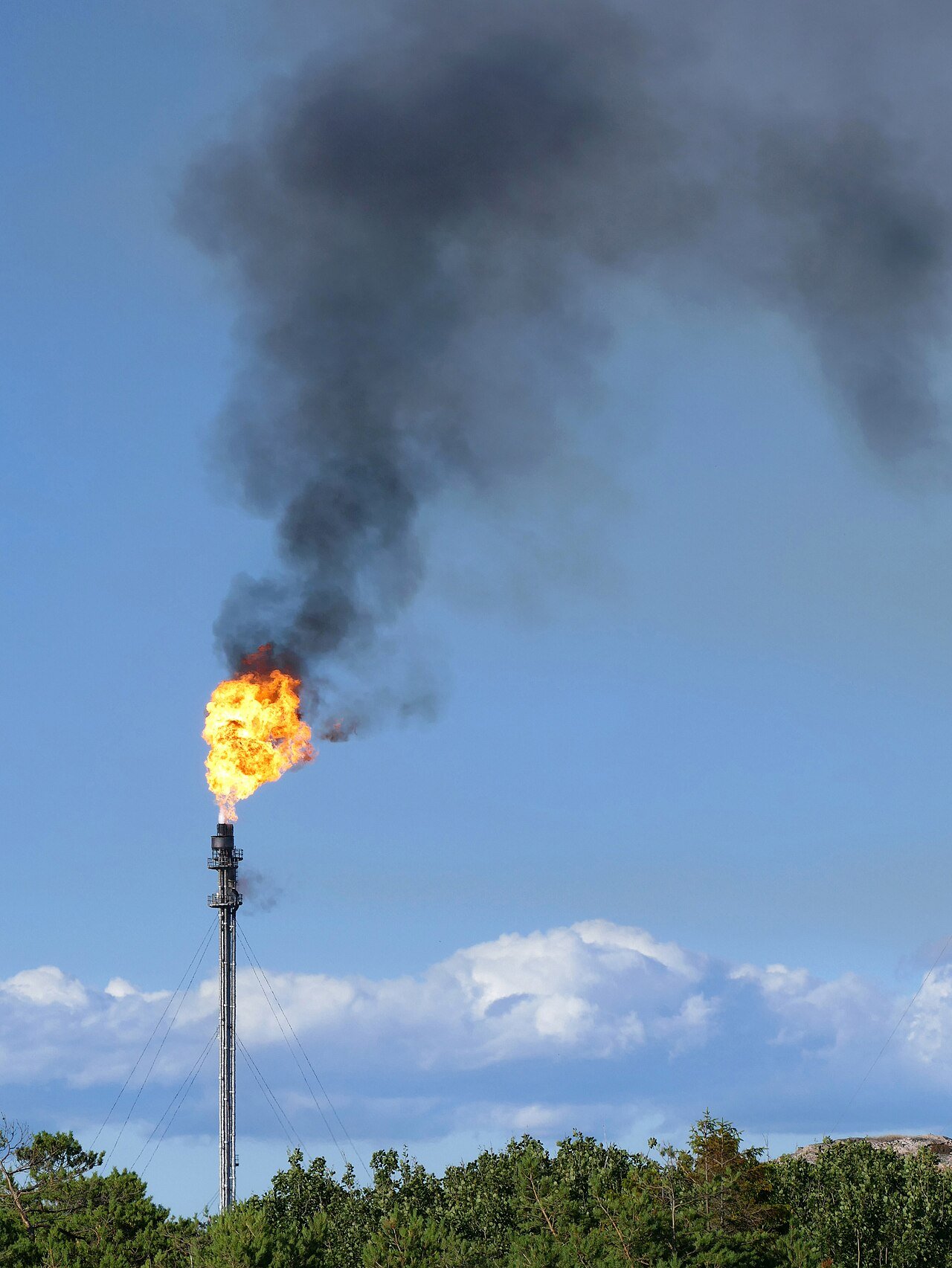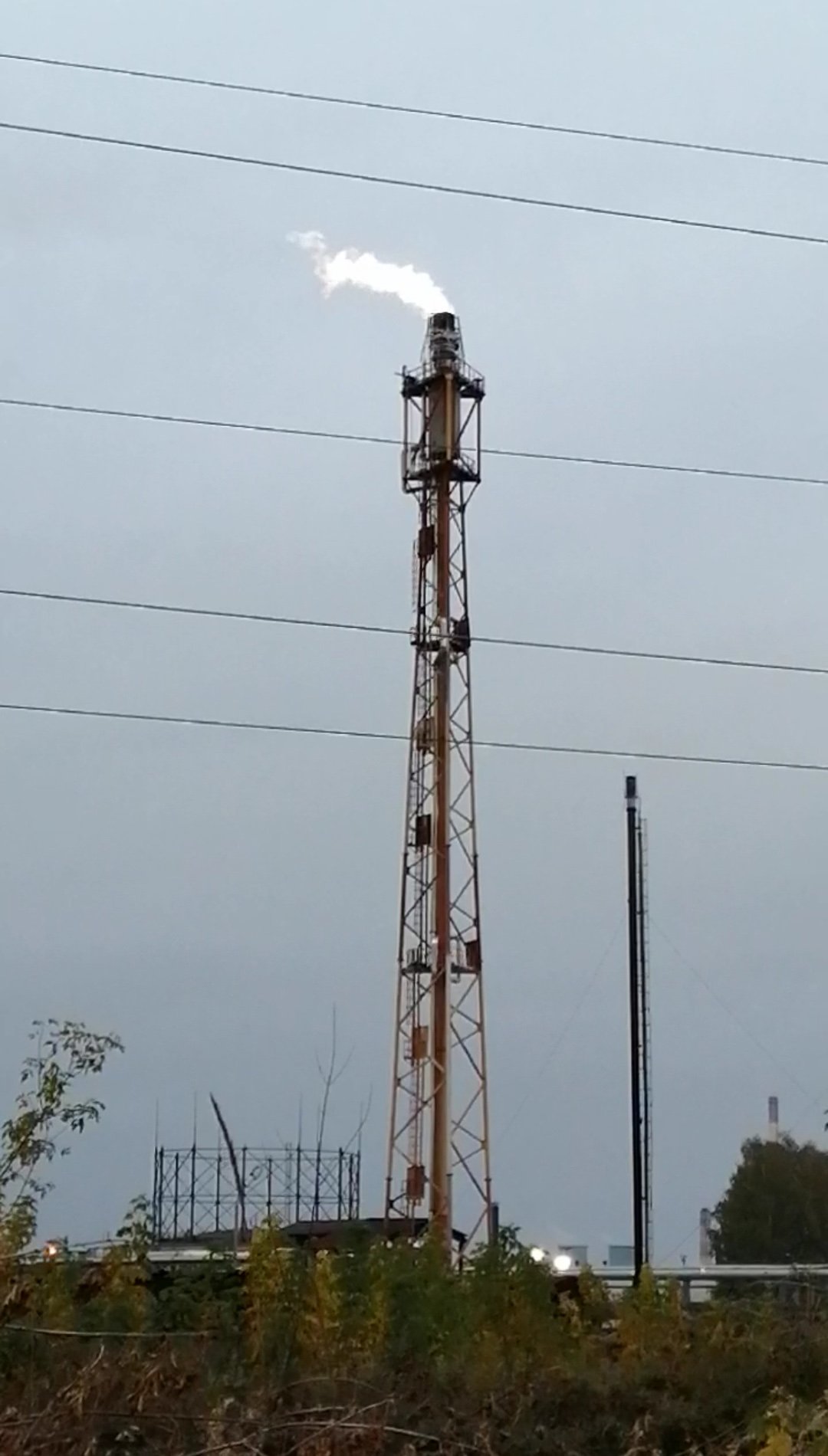
In industrial environments where pressurized piping systems operate under extreme conditions, the integrity of flange connections is paramount. A damaged, corroded, or warped flange face can lead to catastrophic leaks, unplanned shutdowns, and significant safety hazards. Whether you are dealing with pipeline flanges in an oil refinery, pressure vessel connections in a petrochemical plant, or structural flanges on an offshore platform, flange facing machine rental Indonesia provides a cost-effective solution for precision flange resurfacing without the need to purchase specialized equipment.
This guide covers everything you need to know about flange facing machine rental in Indonesia: how these machines work, what applications they serve, the types of equipment available for rent, key specifications to consider, and how to source the right machine for your project.
What Is a Flange Facing Machine?
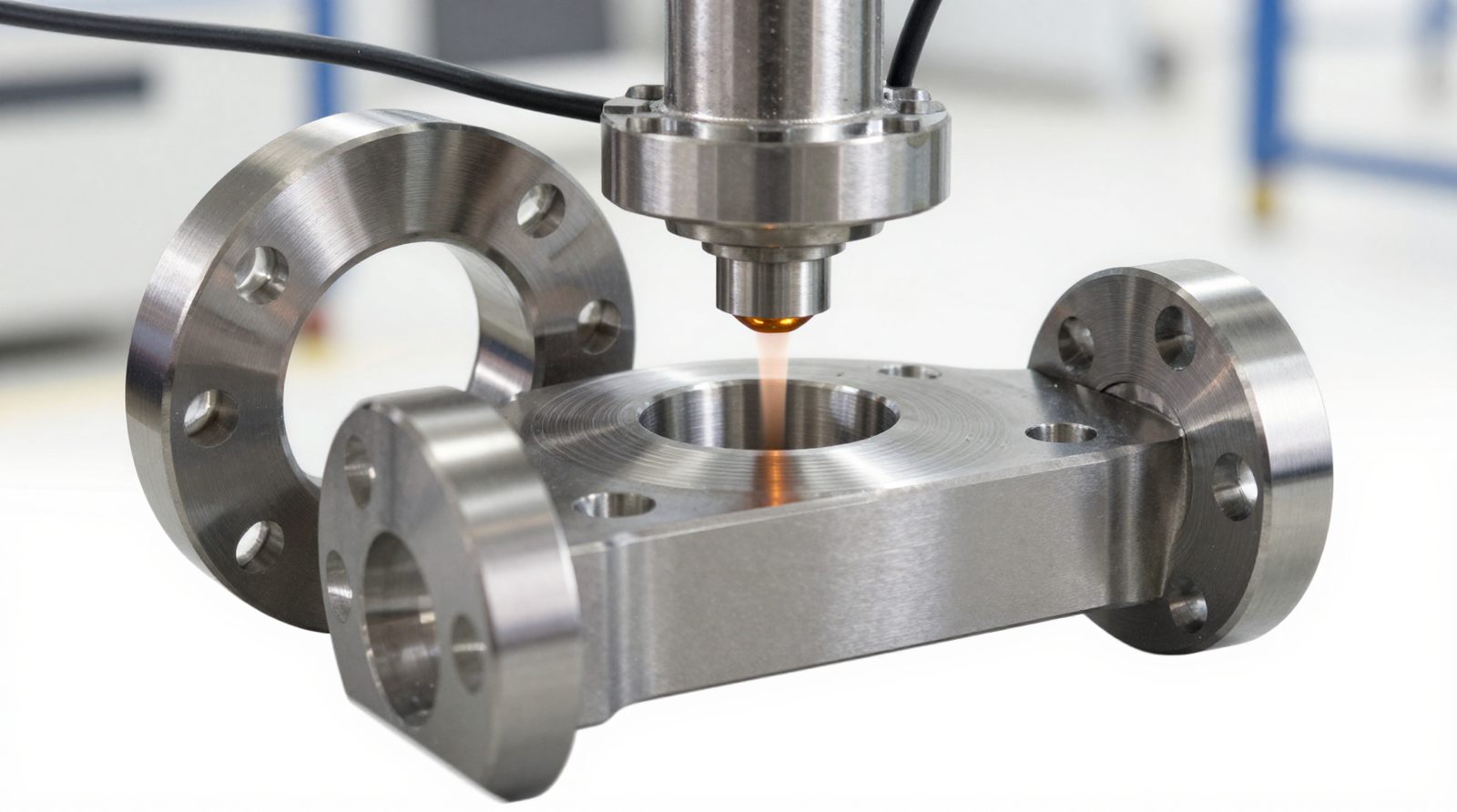
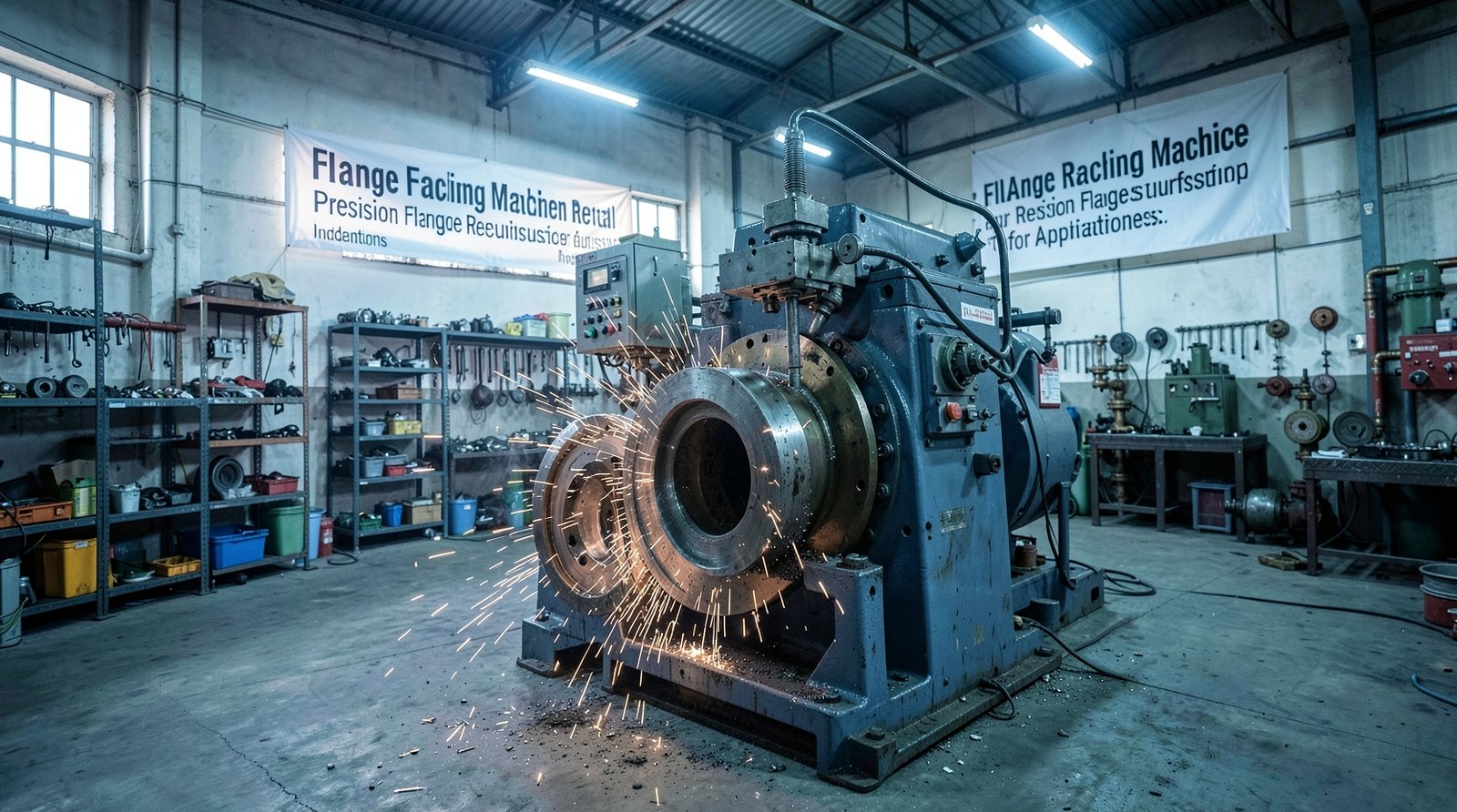
A flange facing machine is a portable machining tool designed to resurface, refinish, or re-cut the sealing face of a pipe flange, valve flange, or pressure vessel connection. The machine mounts directly onto or around the flange and uses a precision cutting tool to remove a thin layer of material, restoring the flange face to its original flatness, smoothness, and dimensional specification.
How Flange Facing Works
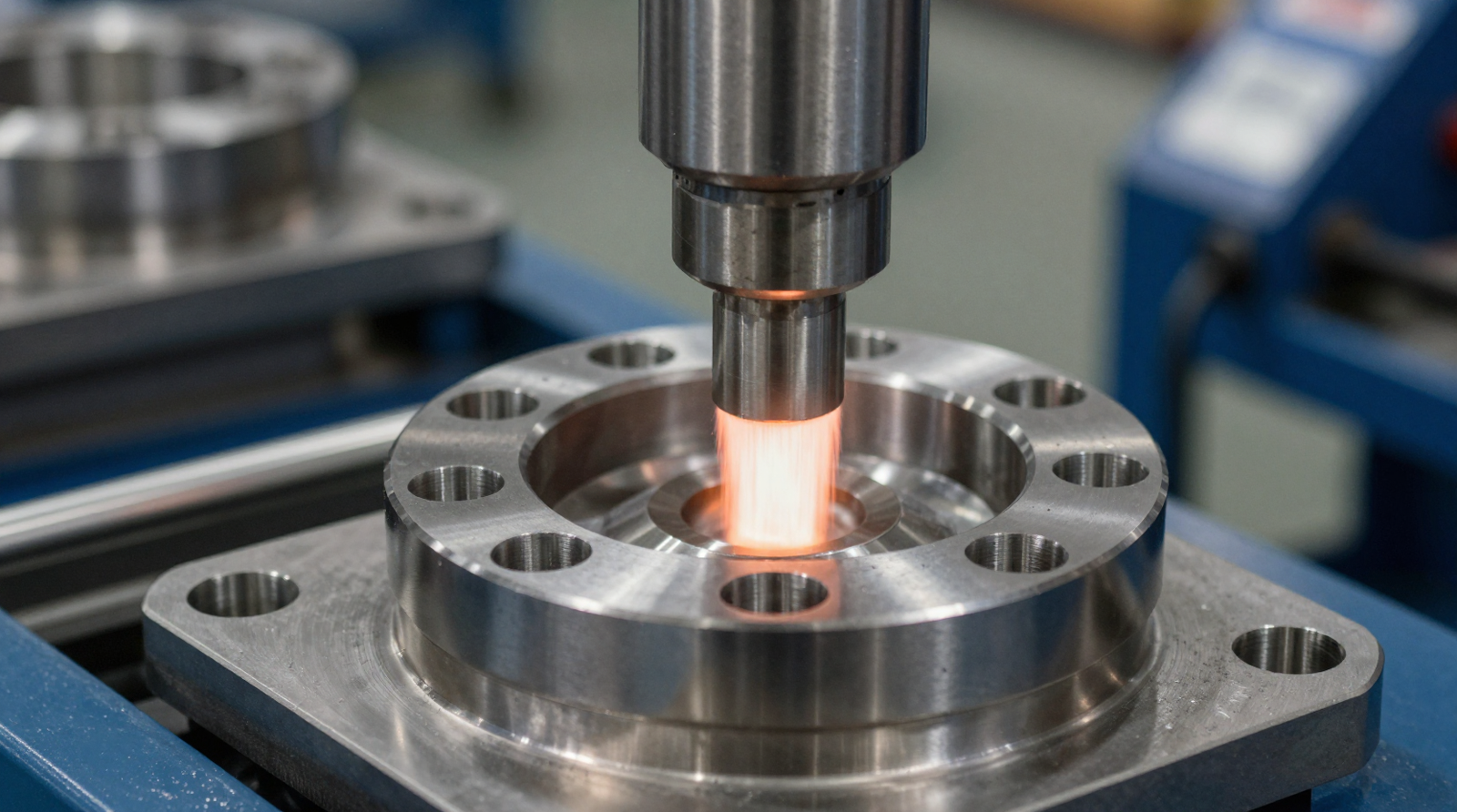
The machine is secured to the flange using a clamping mechanism — typically an expanding mandrel that fits inside the flange bore, or an external clamping frame that grips the flange outer diameter. Once secured, a rotating cutting arm sweeps across the flange face, removing material in controlled passes. The cutting tool is usually a single-point carbide insert that can achieve surface finishes as fine as 32 Ra (microinches).
The rotation speed, feed rate, and depth of cut are adjustable, allowing the operator to achieve the exact surface finish required for the gasket type and pressure rating of the connection. Most flange facing machines can achieve flatness tolerances within 0.001 inches (0.025 mm) across the entire flange face.
Why Flange Facing Is Necessary
Flange faces degrade over time due to several factors common in Indonesian industrial environments:
- Corrosion and pitting: Exposure to salt air, sour gas, and process chemicals causes surface pitting that compromises gasket sealing.
- Warping and distortion: Thermal cycling, bolt over-torque, and mechanical stress can warp the flange face out of flatness.
- Gouges and scratches: Mechanical damage during maintenance, gasket removal, or tool handling creates leak paths.
- Erosion: High-velocity fluid flow in sour service or abrasive service erodes the flange face over time.
- Weld spatter and contamination: Welding operations near the flange can deposit spatter that prevents proper gasket seating.
Applications of Flange Facing Machine Rental in Indonesia
Oil and Gas Refineries
In Indonesian refineries such as Pertamina’s Balongan, Cilacap, and Dumai facilities, flange facing is routinely performed during turnarounds and scheduled maintenance shutdowns. Hundreds of flanges may need resurfacing in a single turnaround window, making rapid-deployment rental equipment essential for meeting tight shutdown schedules.
Offshore Platforms
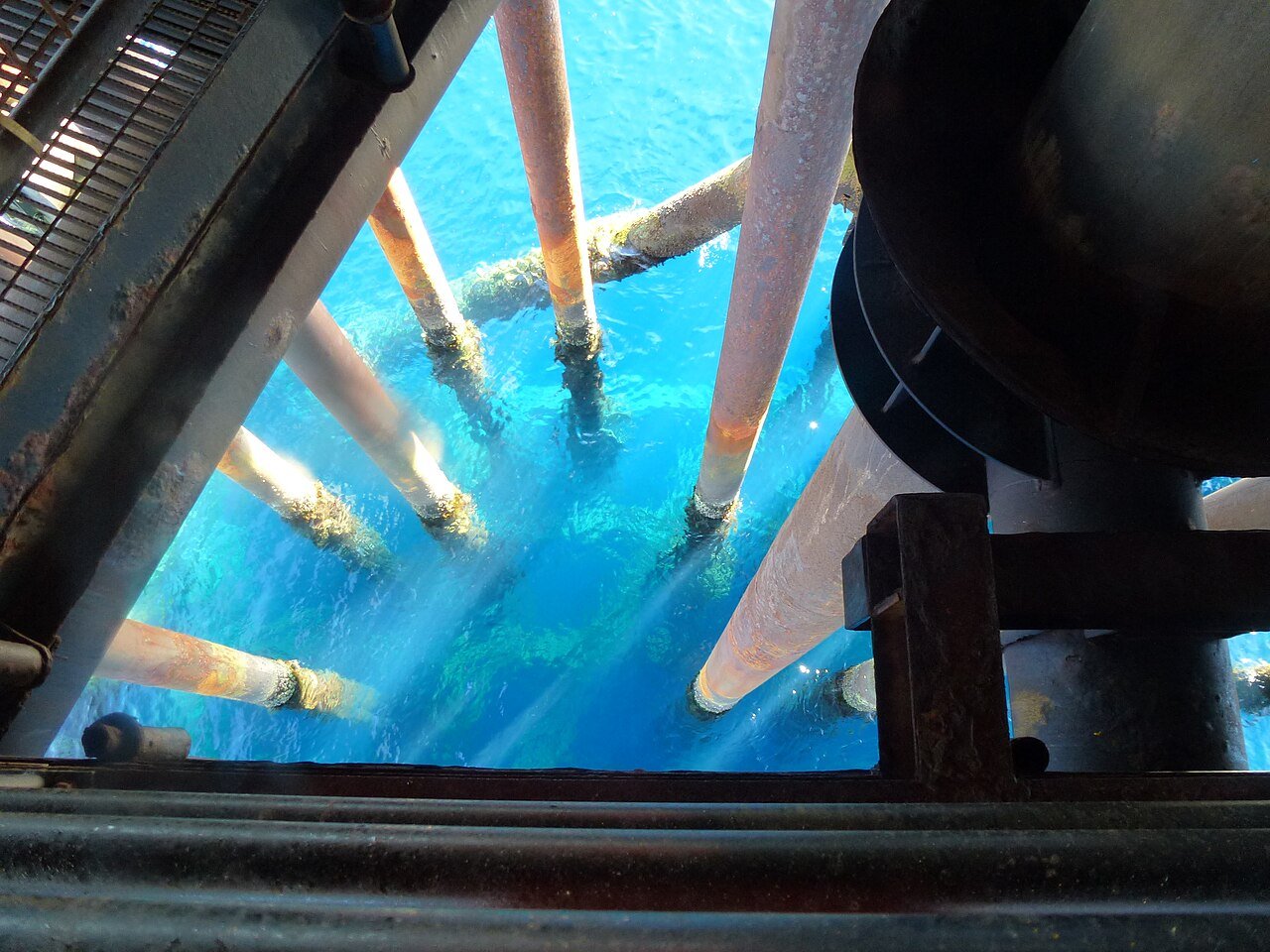
Offshore platforms in the Natuna Sea, Mahakam Block, and Offshore North West Java (ONWJ) face aggressive corrosion environments. Flange facing machines are used to resurface riser flanges, manifold connections, and wellhead flanges without removing the piping from service — a critical capability when platform shutdown costs can exceed $1 million per day.
Petrochemical Plants
Petrochemical complexes in Cilegon, Gresik, and Tuban operate high-pressure, high-temperature piping systems where flange integrity is safety-critical. Flange facing machines are used during routine maintenance and after emergency repairs to ensure flange faces meet the stringent flatness requirements of API 6A and ASME B16.5 standards.
Power Plants
Coal-fired and gas-fired power plants across Indonesia use flange facing machines for maintenance of high-pressure steam piping, feedwater systems, and cooling water systems. The machines are particularly valuable for maintaining the large-diameter flanges found on main steam lines and turbine connections.
Shipbuilding and Marine Repair
Indonesian shipyards in Batam, Surabaya, and Jakarta use flange facing machines for resurfacing shipboard piping flanges, propeller shaft flanges, and rudder stock connections. The portability of rental machines makes them ideal for deployment in drydock or alongside repair berths.
Types of Flange Facing Machines Available for Rental
Internal Mount Flange Facing Machines
These machines mount inside the flange bore using an expanding mandrel. They are ideal for standard pipe flanges where the bore is accessible and provides a secure mounting surface. Internal mount machines are the most common type used in Indonesian industrial maintenance due to their versatility and rapid setup time.
External Mount Flange Facing Machines
External mount machines clamp around the outside diameter of the flange, making them suitable for blind flanges, raised face flanges with damaged bores, and large-diameter flanges where internal mounting is not practical. They are commonly used on heat exchanger flanges and pressure vessel manway connections.
Compact Flange Facing Machines
Compact machines are designed for tight-access applications where standard machines cannot fit. They are used for flanges in confined spaces such as pipe racks, trench boxes, and between closely spaced equipment. Despite their small size, compact machines can still achieve the same precision as full-size units.
Large-Diameter Flange Facing Machines
For flanges above 24 inches in diameter — such as those found on large pressure vessels, storage tanks, and main steam lines — specialized large-diameter machines are available. These machines can resurface flanges up to 120 inches in diameter and are typically used in power plant and refinery applications.
Key Specifications to Check When Renting a Flange Facing Machine in Indonesia
Flange Diameter Range
Verify that the machine can accommodate the full range of flange diameters you need to resurface. Most rental machines cover a range such as 2-24 inches or 12-60 inches. If your project involves multiple flange sizes, ensure the machine can handle all of them or arrange for multiple machines.
Mounting Method
Confirm that the machine’s mounting method is compatible with your flange type. Internal mount machines require a clean, accessible bore. External mount machines need adequate clearance around the flange OD. Some machines offer both mounting options for maximum versatility.
Drive Type: Pneumatic vs Hydraulic vs Electric
- Pneumatic: Powered by compressed air. Ideal for hazardous environments where electrical equipment is not permitted. Common in refineries and offshore platforms with Zone 1 or Zone 2 classifications.
- Hydraulic: Powered by a hydraulic power unit. Provides high torque for large-diameter flanges and heavy cuts. Preferred for large industrial applications.
- Electric: Powered by standard electrical supply. Quieter and cleaner than pneumatic or hydraulic. Suitable for general industrial applications in non-hazardous areas.
Surface Finish Capability
Different gasket types require different surface finishes. Spiral wound gaskets typically require 125-250 Ra, while Kammprofile gaskets may require 32-63 Ra. Verify that the machine and cutting tools can achieve the surface finish required for your specific gasket type and pressure rating.
Portability and Setup Weight
In offshore and remote-site applications, the weight and portability of the machine are critical. A machine that requires a crane to position is not practical on an offshore platform or in a pipe rack. Look for machines that can be carried by one or two technicians and set up in under 30 minutes.
Tooling and Consumables
Check what cutting tools are included with the rental and what consumables you need to supply. Carbide inserts are the most common cutting tool, but some machines use indexable inserts or brazed tools. Ensure spare inserts are available, especially for hard or exotic materials.
Sourcing Flange Facing Machine Rental for Oil and Gas in Indonesia
What to Look for in a Rental Provider
When selecting a flange facing machine rental provider in Indonesia, consider the following factors:
- Equipment condition: The machine should be well-maintained, calibrated, and in good working order. Ask about the last service date and calibration certificate.
- Technical support: The provider should offer technical support, ideally with experienced technicians who can assist with setup and operation on-site.
- Spare parts availability: Ensure that spare cutting tools, seals, and wear parts are available in Indonesia to avoid delays during your maintenance window.
- Rental terms: Understand the rental period, daily/weekly rates, damage waiver, and liability terms. Some providers offer operator services as part of the rental package.
- Safety certifications: For offshore and hazardous-area applications, verify that the equipment has appropriate certifications (ATEX, IECEx, or equivalent).
Rental Process
- Identify requirements: Determine the flange sizes, materials, surface finish requirements, and site conditions for your project.
- Request a quote: Contact the rental provider with your requirements and request a detailed quote including machine specifications, rental rate, and delivery logistics.
- Schedule delivery: Coordinate delivery to your site. For offshore projects, arrange marine transport and platform crane availability.
- On-site setup: The machine is set up, mounted on the first flange, and tested. The rental provider’s technician (if included) assists with the initial setup and operator briefing.
- Operation: The machine is operated by your personnel or the provider’s technician. Each flange typically takes 30-90 minutes to resurface, depending on size and condition.
- Inspection and handover: After resurfacing, the flange face is inspected using a straightedge and feeler gauge to verify flatness. The surface finish is checked using a comparator or surface roughness tester.
- Return: The machine is cleaned, inspected for damage, and returned to the rental provider.
Frequently Asked Questions About Flange Facing Machine Rental Indonesia
How long does it take to resurface a flange?
A typical flange can be resurfaced in 30-90 minutes, including setup and machining time. Large-diameter flanges (above 24 inches) may take 2-4 hours. The actual machining time depends on the depth of damage, material hardness, and the desired surface finish.
Can flange facing be performed in hazardous areas?
Yes, pneumatic and hydraulic flange facing machines are suitable for use in Zone 1 and Zone 2 hazardous areas. Electric machines must be certified for the appropriate hazardous area classification. Always verify the machine’s certification before deploying in a hazardous environment.
How much material can be removed in one pass?
Most flange facing machines can remove 0.005-0.020 inches (0.13-0.51 mm) per pass. Multiple passes may be required for severely damaged flanges. The total material removal should not exceed the flange’s minimum dimension as specified by the applicable standard (ASME B16.5, API 6A, etc.).
Can flange facing be performed on all flange types?
Flange facing can be performed on most flange types, including raised face (RF), flat face (FF), and ring type joint (RTJ) flanges. RTJ flanges require special tooling to re-cut the groove profile. Consult with the rental provider to ensure the machine and tooling are suitable for your flange type.
What is the cost of flange facing machine rental in Indonesia?
Rental rates vary depending on the machine size, type, rental duration, and whether operator services are included. Contact SIPINUS for a detailed quote based on your specific project requirements. Weekly rentals are typically more economical than daily rates for projects involving multiple flanges.
Do you provide operator services with the rental?
Yes, experienced operators can be provided as part of the rental package. This is recommended for first-time users or complex applications, as proper setup and technique are critical for achieving the required surface finish and flatness.
Conclusion
Flange facing machine rental Indonesia offers a practical, cost-effective solution for maintaining the integrity of flanged connections in oil and gas, petrochemical, power generation, and marine applications. By renting rather than purchasing, you gain access to precision equipment without the capital expenditure, maintenance burden, and storage requirements of ownership. When selecting a rental provider, prioritize equipment condition, technical support, spare parts availability, and safety certifications to ensure a successful maintenance outcome.
For more information on flange facing machine rental and other on-site machining services in Indonesia, contact SIPINUS or call 082199001706. Our team of experienced technicians is ready to support your next maintenance project with reliable equipment and professional service. For offshore-specific requirements, explore our offshore equipment rental services.