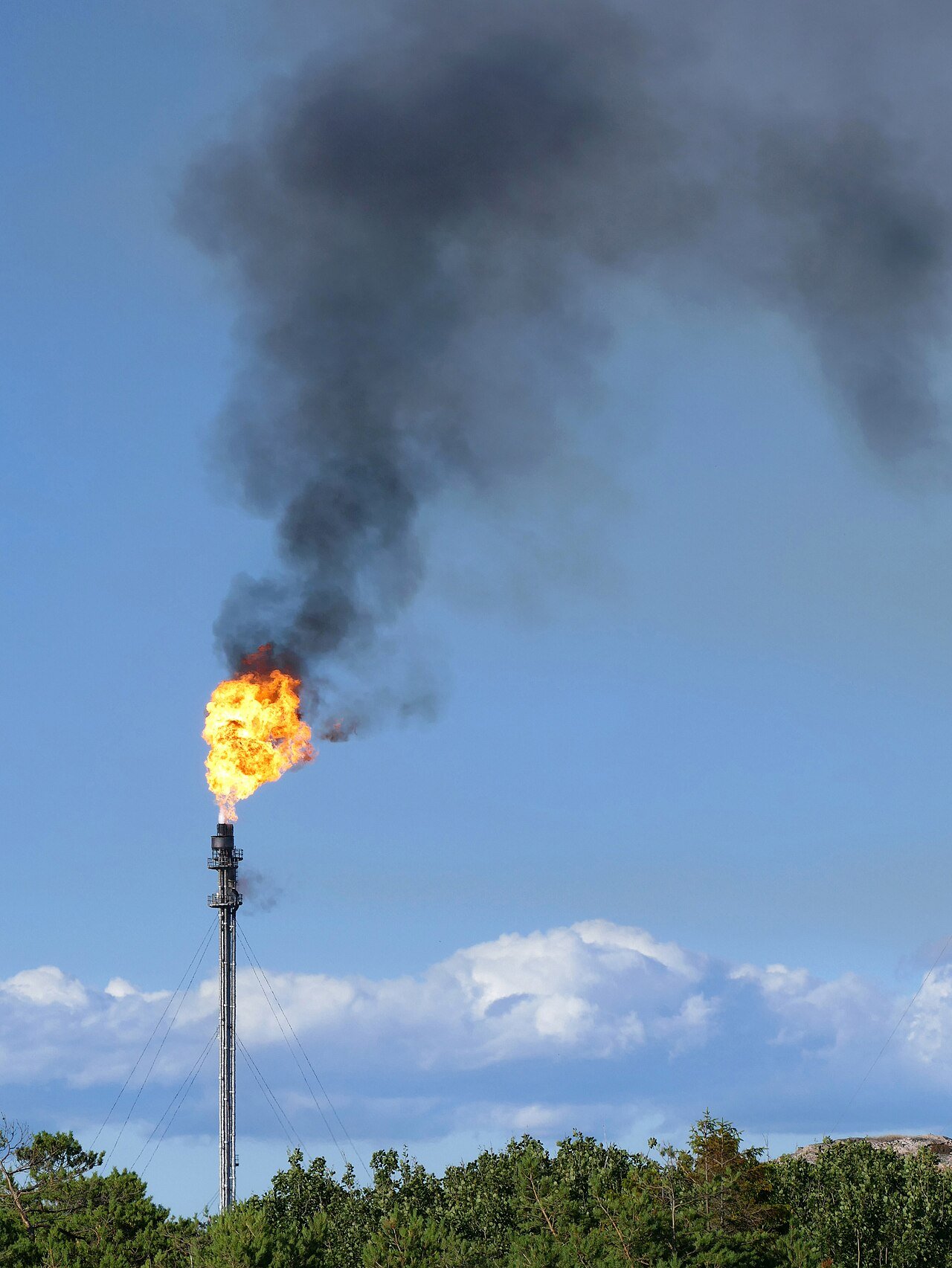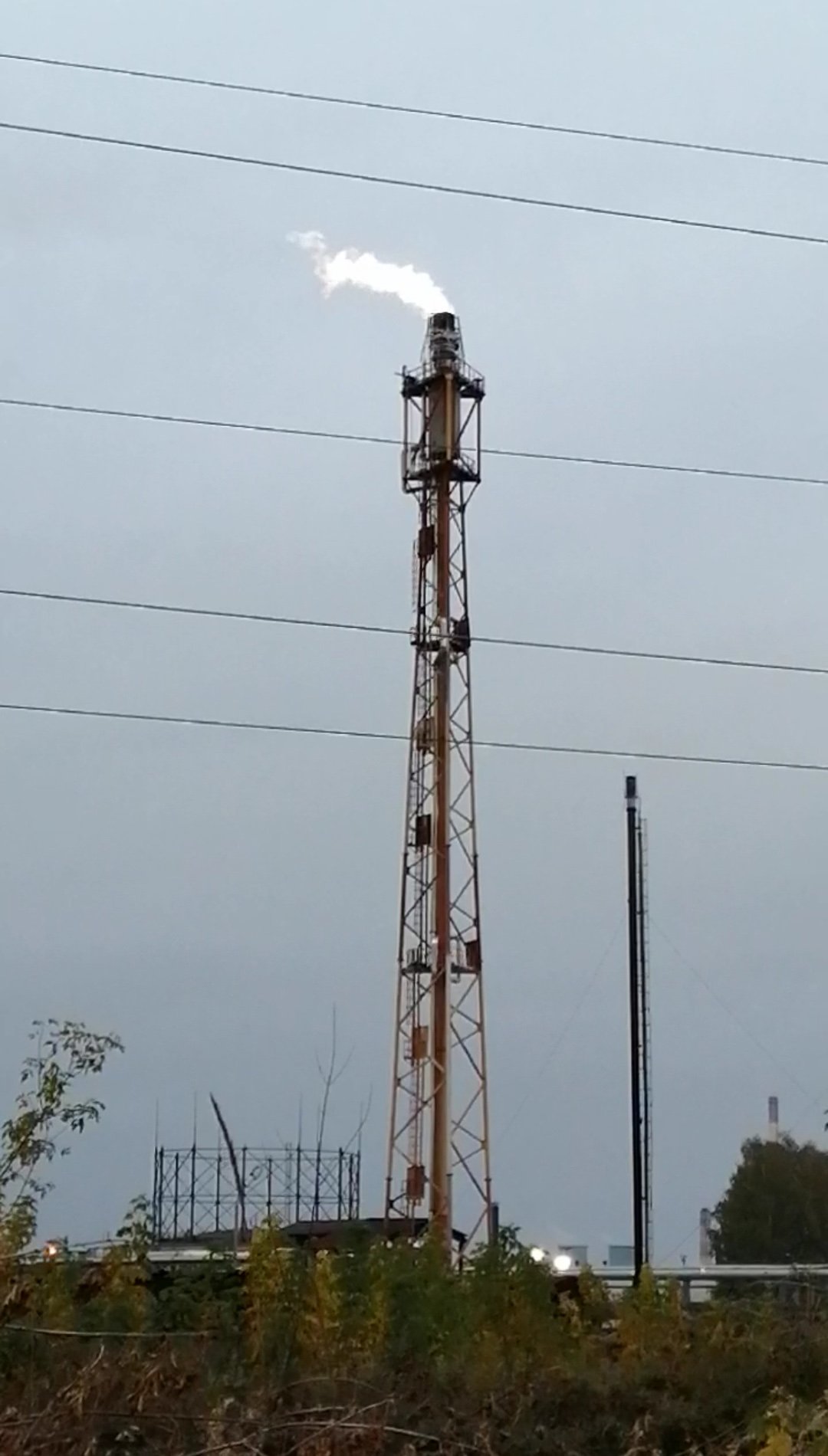
Indonesia stands as one of Southeast Asia’s largest oil and gas producers, with hundreds of offshore platforms operating across the Java Sea, Natuna Basin, Makassar Strait, and beyond. For operators, contractors, and engineering firms working in these demanding environments, access to offshore equipment rental Indonesia has become a critical enabler of cost-effective operations. Instead of tying up capital in specialized tools used infrequently, companies increasingly turn to trusted rental providers for everything from cutting machines to lifting equipment.
This guide covers everything you need to know about offshore equipment rental in Indonesia — from the types of equipment available, how to select a provider, regulatory requirements, and the economic advantages of renting over purchasing.

Why Offshore Equipment Rental Indonesia Is Growing
Indonesia’s upstream oil and gas sector is managed under the oversight of SKK Migas (Satuan Kerja Khusus Pelaksana Kegiatan Usaha Hulu Minyak dan Gas Bumi). With hundreds of Production Sharing Contracts (PSCs) active across the archipelago, demand for specialized offshore tools and machinery remains consistently high. However, the intermittent nature of decommissioning campaigns, maintenance shutdowns, and project-specific operations makes outright purchase of expensive equipment difficult to justify financially.
Offshore equipment rental in Indonesia solves this problem elegantly. By renting, companies gain access to the latest technology without bearing the capital cost, maintenance burden, or depreciation risk. As Indonesia accelerates its offshore decommissioning program — driven by aging PSC fields nearing end-of-life — rental demand for specialized cutting, machining, and safety equipment is surging.
Key Drivers of Demand
- Aging infrastructure: Many Indonesian offshore platforms were installed in the 1970s and 1980s. As PSC contracts expire, decommissioning activity intensifies.
- Cost optimization: Operators face pressure to reduce OPEX and CAPEX, making rental far more attractive for intermittent-use tools.
- SKK Migas requirements: Regulatory mandates for certified equipment and qualified operators make rental from specialized firms the practical choice.
- Technological advancement: Specialized equipment evolves rapidly — rental ensures access to current-generation tools without reinvestment cycles.
Types of Offshore Equipment Available for Rental in Indonesia
The scope of offshore equipment rental Indonesia is broad. Below are the key categories operators and contractors frequently rent:
1. Cutting and Severance Equipment
Cutting tools are among the most in-demand categories for offshore equipment rental in Indonesia, especially for decommissioning and modification projects.
- Diamond wire saws: Used for precise structural cutting of steel jackets, piles, and conductors — both above and below water. For more detail, read our guide on diamond wire saw technology for offshore decommissioning.
- Cold cutting machines: Spark-free mechanical cutters for use in ATEX-classified zones on live platforms.
- Hydraulic shears and grabs: For demolition and rough structural removal above waterline.
- Abrasive water jet systems: High-pressure cutting for precise subsea severance.
2. On-Site Machining Equipment
Machining equipment allows repairs and modifications without removing components from service. Learn more about on-site machining solutions for O&G facilities and how they minimize costly shutdowns.
- Clamshell lathes: Split-frame pipe cutting and beveling machines that mount on the pipe in-situ.
- Flange facing machines: Portable tools that resurface damaged or corroded flange faces to restore sealing integrity.
- Line boring machines: For in-place boring of bearing housings and structural connections.
- ID/OD turning machines: For precision machining of pipe ends and fittings.
3. Drilling Equipment
- Hydraulic magnetic drills: Portable, powerful drilling for structural steel — ideal for use offshore where conventional drill presses are impractical.
- ROV-mounted drill systems: Remotely operated vehicle-mounted drills for subsea conductor and pile removal.
- Dual pin drill systems: Specialized conductor removal tools that grip and sever conductors at mudline.

4. Lifting and Rigging Equipment
- Chain blocks and lever hoists: Manual lifting tools for component removal and installation.
- Hydraulic jacks and skidding systems: For moving heavy modules on platform decks.
- Certified wire rope and lifting slings: Rated to appropriate SWL for offshore lifts.
5. Safety and Fall Protection Equipment
- Lifeline fall arrest systems: Horizontal and vertical fall protection for work-at-height on platform structures.
- Personal fall arrest harnesses: Certified to EN 361, ANSI Z359, and other relevant standards.
- Safety nets and edge protection: Passive fall prevention for open deck areas.
6. Robotic and Automated Systems
- Robotic welding systems: OTC DAIHEN, FANUC, and Yaskawa systems for automated weld fabrication in Indonesian fabrication yards.
- Solar panel cleaning robots: Autonomous cleaning systems for offshore-adjacent solar installations.
How to Choose an Offshore Equipment Rental Provider in Indonesia
Selecting the right partner for offshore equipment rental Indonesia requires careful evaluation across several dimensions:
Equipment Certification and Compliance
All offshore equipment must comply with applicable standards and be accompanied by valid inspection certificates. For lifting equipment, look for certifications from recognized bodies such as DNV, Bureau Veritas, or Lloyd’s Register. Cutting equipment used in ATEX zones must carry relevant explosion-protection documentation. SKK Migas also requires that equipment used in Indonesian upstream operations meets the relevant Indonesian National Standards (SNI) where applicable.
Technical Support and Operator Availability
Specialized offshore equipment — diamond wire saws, ROV drill systems, robotic welders — requires skilled operators. Many rental providers offer a “wet rental” model that includes a certified operator as part of the package. This is often the most practical option for Indonesian operators who may lack in-house expertise for specific tools.
Logistics and Mobilization Capability
Indonesia’s geography presents unique logistical challenges. Equipment must often be mobilized by vessel to remote offshore locations. Your rental provider should have experience with Indonesian offshore logistics, including ISPS-compliant handling, vessel compatibility, and customs clearance for imported equipment.
After-Hours Technical Support
Offshore operations run 24/7. Equipment failures at 2 AM can cost tens of thousands of dollars per hour in deferred production. Choose a rental provider with documented after-hours technical support and rapid spare parts availability.
Cost Factors in Offshore Equipment Rental Indonesia
Understanding the cost structure of offshore equipment rental in Indonesia helps operators budget accurately and negotiate effectively.
Day Rate vs. Lump Sum
Most offshore equipment is rented on a day rate basis. Day rates vary significantly by equipment type — a simple hydraulic magnetic drill might rent for USD 150-300/day, while a complete diamond wire saw system with operator can range from USD 2,000-5,000/day or more. For projects with well-defined scope and duration, some providers offer lump-sum pricing that includes mobilization, operation, and demobilization.
Mobilization and Demobilization
Mob/demob costs for offshore locations in Indonesia can be substantial, especially for remote fields in Eastern Indonesia such as the Timor Sea or Papua offshore blocks. These costs typically include transportation, customs clearance, and handling. Factor in a minimum of 3-5 days for mob/demob on most offshore rentals.
Standby Rates
If operations are suspended due to weather, vessel issues, or other factors beyond the rental provider’s control, standby day rates apply. These are typically 50-75% of the operational day rate. Negotiate standby rate caps in your rental agreement to limit exposure during extended weather downtime, which is common in the monsoon season across Indonesia’s offshore fields.
SKK Migas Regulations for Offshore Equipment in Indonesia
Working in Indonesian upstream oil and gas means operating within the SKK Migas regulatory framework. Key requirements relevant to offshore equipment rental Indonesia include:
- KKKS pre-qualification: Major equipment and service providers typically need to be pre-qualified by the PSC contractor (KKKS) before mobilization.
- TKDN (Tingkat Komponen Dalam Negeri): Indonesian local content requirements apply to oil and gas procurement. Rental providers with locally sourced equipment or local partnerships score better in tender evaluations.
- MIGAS certification: Certain categories of equipment require certification from the Directorate General of Oil and Gas before use on Indonesian upstream facilities.
- HSE management system: Rental providers working on offshore installations must demonstrate a certified HSE management system compatible with the KKKS’s safety requirements.
For further regulatory reference, the American Petroleum Institute (API) publishes widely adopted standards for offshore equipment inspection and certification that are recognized in the Indonesian market.
Benefits of Renting vs. Buying Offshore Equipment
The decision between renting and purchasing offshore equipment in Indonesia depends on usage frequency, capital availability, and operational strategy.
Financial Advantages of Renting
- No capital outlay: Rental costs are operational expenses (OPEX), not capital (CAPEX), simplifying budget management under PSC cost recovery frameworks.
- No maintenance costs: Equipment servicing, certification renewal, and storage are the provider’s responsibility.
- Technology currency: You always have access to current-generation equipment without reinvestment cycles.
- Flexibility: Scale up or down based on project requirements without stranded asset risk.
When Purchasing Makes Sense
Purchase may make economic sense when equipment is used more than 200 days per year on a continuous basis, or when a company has strong in-house maintenance capability. However, for the specialized, infrequently-used tools typical in offshore decommissioning and maintenance, rental almost always delivers better economics.
Step-by-Step Process for Offshore Equipment Rental in Indonesia
- Define your requirement: Specify equipment type, duration, location, and whether operator support is needed.
- Request technical proposals: Ask providers to confirm equipment specifications, availability, and current certification status.
- Evaluate logistics: Confirm mobilization route, vessel compatibility, and customs requirements for imported equipment.
- Review documentation: Ensure all certifications, inspection records, and operating manuals are available before acceptance.
- Agree commercial terms: Nail down day rates, standby rates, mob/demob costs, and insurance responsibilities in writing.
- Mobilize and onboard: Coordinate with your offshore installation manager (OIM) for deck space, crane time, and safety induction.
Get Expert Consultation
Our team is ready to assist with your offshore and industrial equipment needs in Indonesia.
Frequently Asked Questions About Offshore Equipment Rental Indonesia
What types of equipment are available for offshore rental in Indonesia?
A wide range is available including cutting tools (diamond wire saws, cold cutting machines), on-site machining equipment (clamshell lathes, flange facing machines), drilling tools (hydraulic magnetic drills, ROV drill systems), lifting equipment, fall protection systems, and robotic welding solutions.
Do offshore equipment rental providers offer operator support?
Yes, most specialized providers offer wet rental packages that include certified operators, particularly for complex tools like diamond wire saws, ROV-mounted drills, and robotic welding systems.
What certifications should I check when renting offshore equipment in Indonesia?
Check for valid inspection certificates from DNV, Bureau Veritas, or Lloyd’s Register. Equipment used in ATEX zones must carry explosion-protection documentation. SKK Migas and MIGAS compliance is also required.
How are offshore equipment rental costs structured in Indonesia?
Costs include a daily operational rate, standby rate (50-75% of op rate), and separate mobilization and demobilization charges. Lump-sum pricing is available for defined project scopes.
What is the lead time for mobilizing offshore equipment in Indonesia?
Commonly available tools can be mobilized within 3-7 days from major ports like Batam, Balikpapan, or Jakarta. Remote Eastern Indonesia locations may require 10-14 days.