In oil and gas construction, maintenance, and modification work, the need to drill clean, precise holes in structural steel arises constantly: bolt holes for new equipment, penetrations for cable and pipe routing, attachment points for structural modifications, and inspection ports in vessel shells. On an offshore platform or in a refinery where conventional workshop drill presses cannot be brought to the work location, the portable hydraulic magnetic drill is the answer. And for project teams working in Indonesia’s demanding offshore and industrial environments, hydraulic magnetic drill rental for oil and gas is the most practical and cost-effective way to access this capability.
This guide covers how hydraulic magnetic drills work, why they are preferred over electric models in oil and gas environments, their applications across Indonesian O&G facilities, and how to arrange a hydraulic magnetic drill rental for oil and gas projects in Indonesia.
How Hydraulic Magnetic Drills Work
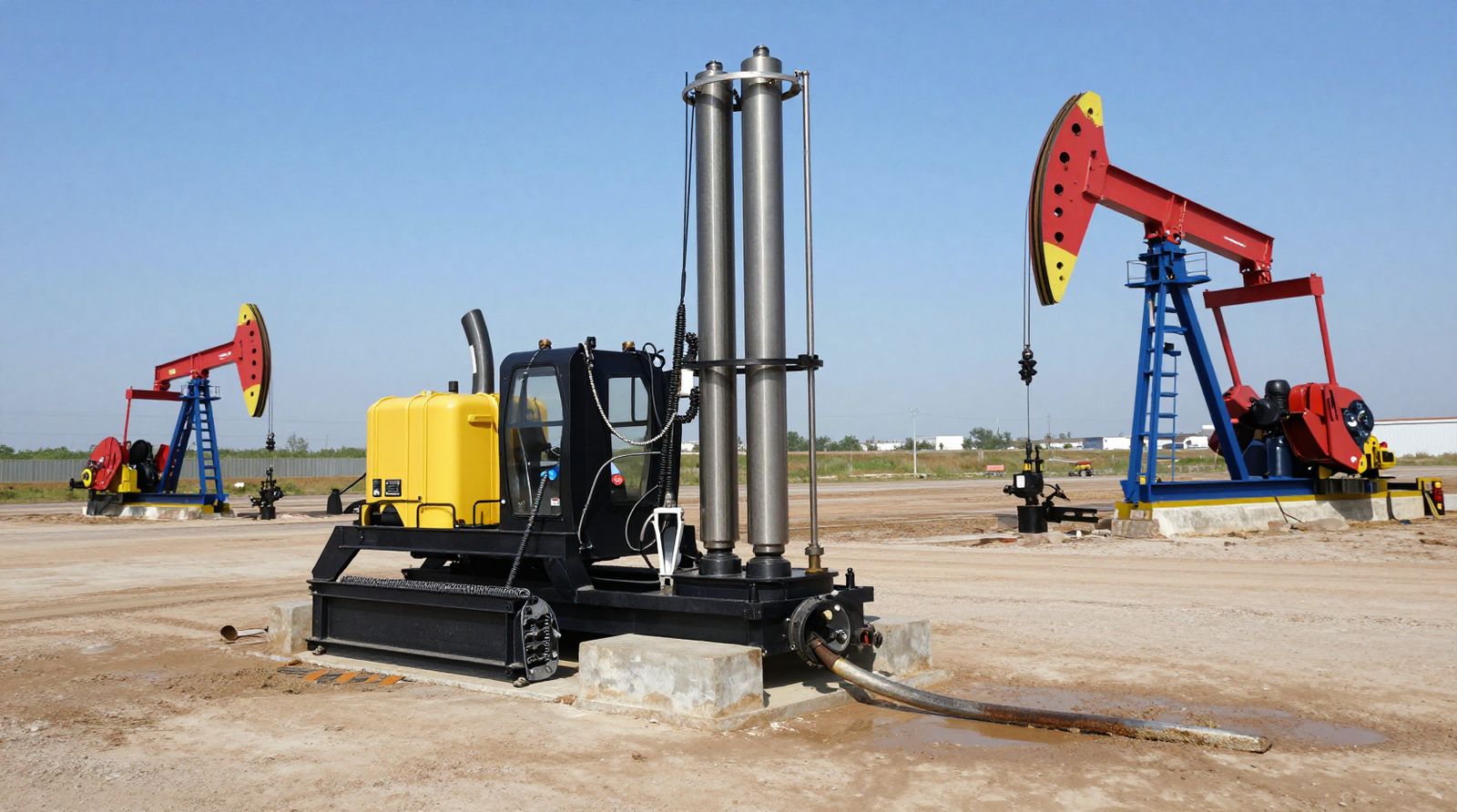
A hydraulic magnetic drill combines two key technologies: an electromagnetic base for secure attachment to steel surfaces, and a hydraulic motor drive for the drilling spindle.
Electromagnetic Base (Magnet)
The electromagnetic base generates a powerful magnetic holding force when energized, allowing the drill to attach firmly to any flat or curved ferrous (iron or steel) surface without bolting, clamping, or welding. Most offshore-grade hydraulic magnetic drills produce base holding forces of 10,000-25,000 Newtons — sufficient to remain secure even on inclined or overhead steel surfaces during heavy drilling operations.
The electromagnet is powered separately from the drill motor — typically by a low-voltage DC circuit from the HPU’s control unit. This means the magnet remains energized even if the drill motor stalls, preventing the machine from falling if the drill jams during operation.
Hydraulic Spindle Drive
The drilling spindle is driven by a compact hydraulic motor connected to the platform’s hydraulic ring main or a portable HPU. Hydraulic drives provide:
- High constant torque: Hydraulic motors maintain constant torque across a wide speed range, allowing efficient drilling through tough steel without stalling.
- Smooth speed control: Hydraulic flow control valves allow stepless speed adjustment for optimum cutting speed on different diameter cutters and steel grades.
- Overload protection: Hydraulic systems automatically limit torque when resistance exceeds a safe threshold, protecting both the cutter and the workpiece.
- Intrinsic safety: No electrical components in the drilling head — essential for offshore hazardous zone compliance.
Cutting Tools
Hydraulic magnetic drills use two main types of cutting tools:
- Annular (core) cutters: Hollow cylindrical cutters that remove a ring of steel rather than a solid core. Faster and more energy-efficient than twist drills for holes above 20mm diameter. Produce clean, burr-free holes in a single pass.
- Twist drills: Conventional twist drill bits for smaller diameter holes. Less efficient than annular cutters for large holes but useful for pilot drilling and smaller-diameter requirements.
Why Hydraulic Magnetic Drills Are Preferred in Oil and Gas Environments
In oil and gas facilities — both offshore and onshore refineries — the choice of portable drilling equipment is significantly constrained by hazardous area classification and safety requirements. Hydraulic magnetic drills have several critical advantages over electric magnetic drills in these environments:
Intrinsic Safety for ATEX Zones
Electric magnetic drills use motors, switches, and power cables that are potential sources of electrical sparks. In ATEX-classified areas (Zone 1 and Zone 2 on offshore platforms and in refinery process areas), electrical equipment must carry ATEX/IECEx certification, which significantly limits the available models and adds cost. Hydraulic magnetic drills contain no electrical components in the drill head (only the low-voltage magnet circuit, which can be ATEX-certified easily), making them more straightforward to use in classified areas.
Higher Torque Output
Offshore platform and industrial plant structural steel is typically high-strength material (ASTM A36, A572, API 2B, or similar) in thicknesses of 20-100mm or more. Hydraulic motors provide significantly higher continuous torque than comparably-sized electric motors, making hydraulic drills substantially more effective on heavy structural work.
Robust Construction for Offshore Conditions
Hydraulic magnetic drills for offshore use are designed for the harshest conditions: salt atmosphere, vibration, occasional water exposure, and rough handling during offshore transport. Quality offshore-grade hydraulic drills feature sealed hydraulic circuits, corrosion-resistant materials, and robust housings that withstand the rigors of platform use far better than workshop-grade electric models.
Applications of Hydraulic Magnetic Drill Rental in Oil and Gas Indonesia
Hydraulic magnetic drill rental for oil and gas is used across a wide range of applications in Indonesian upstream and downstream operations:
Offshore Platform Structural Modifications
Platform modification projects — installing new risers, adding deck extensions, modifying walkways and grating, or retrofitting new equipment — require drilling bolt holes and weld stud holes in existing structural steel. The hydraulic magnetic drill can be positioned anywhere on the platform structure and operated by a single technician, making it ideal for the restricted access and limited staging area typical of offshore platform work.
Pipeline and Piping Hot Tap Preparations
Hot tapping (drilling into a live pressurized pipeline to install a branch connection without depressurizing) requires precise pilot holes and large annular cutter operations on pipe walls. Hydraulic magnetic drills provide the torque and control needed for clean hot tap preparations on large-diameter pipe in Indonesian refinery and pipeline systems.
Equipment Installation at Refineries
Pertamina refinery turnarounds and equipment replacements routinely require drilling new bolt patterns into existing steel structures to accommodate replacement or upgraded equipment. Hydraulic magnetic drills allow this work to proceed in the field without removing structural components to a workshop.
Offshore Decommissioning Structural Work
During platform decommissioning, structural members must be prepared for cutting operations by installing guide holes, rigging attachment points, and inspection ports. Hydraulic magnetic drills are the field tool of choice for this preparation work. For related cutting technologies used in Indonesian decommissioning, read our guide on diamond wire saw technology for offshore decommissioning in Indonesia.
Key Specifications to Check When Renting a Hydraulic Magnetic Drill for Oil and Gas in Indonesia
When evaluating a hydraulic magnetic drill rental proposal for an oil and gas project in Indonesia, verify these technical parameters:
Magnet Holding Force
Confirm the magnetic holding force is rated for your maximum drill diameter and expected workpiece thickness. As a guideline, drilling 80mm+ annular holes in 50mm steel requires a magnet holding force of at least 15,000 N. For overhead or inclined drilling, apply a safety factor and use only drills with rated holding force well above the calculated requirement.
Maximum Annular Cutter Diameter and Depth
Ensure the drill accommodates the largest hole diameter you need. Most medium-duty hydraulic magnetic drills handle annular cutters up to 100-130mm diameter. Heavy-duty models extend to 150mm+. Drilling depth capacity (the maximum length of workpiece that can be drilled in a single pass) should also match your thickest structural member requirement.
HPU Pressure and Flow Compatibility
Confirm that the drill’s required hydraulic pressure and flow rate matches your available HPU specifications. Most offshore hydraulic drills operate at 140-210 bar with flow requirements of 15-30 liters/minute. If connecting to a platform hydraulic ring main, verify that the available pressure and flow in the ring main at the work location meets the drill’s requirements.
ATEX Certification Status
For use in classified hazardous areas, verify the magnet circuit and any control electronics carry current ATEX/IECEx certification appropriate for the zone classification where the work will be performed.

Sourcing Hydraulic Magnetic Drill Rental for Oil and Gas in Indonesia
To arrange a hydraulic magnetic drill rental for oil and gas projects in Indonesia, follow these steps:
- Define requirements: Specify the maximum hole diameter, required drilling depth, workpiece material and thickness, location (onshore/offshore, hazardous zone classification), and HPU availability.
- Contact rental providers: Identify offshore equipment rental providers with hydraulic magnetic drill inventory. Ask for equipment specifications, ATEX certification documentation, and HPU package options.
- Evaluate accessories: Confirm the rental includes an adequate selection of annular cutters and pilot bits covering your required hole sizes. Cutter selection is as important as the drill itself.
- KKKS pre-qualification: For upstream facilities, ensure the provider is pre-qualified under your KKKS vendor management system as required by SKK Migas.
- Mobilize: Coordinate equipment transport. For offshore locations, confirm weight and dimension constraints for helicopter or vessel transport.
For related portable machining services used alongside drilling operations in Indonesian O&G facilities, read our guide on on-site machining solutions for O&G facilities in Indonesia.
For international standards on drilling equipment in hazardous areas, refer to API recommended practices and DNV equipment standards.
Get Expert Consultation
Our team provides hydraulic magnetic drill rental and portable drilling solutions for oil and gas operations across Indonesia.
Frequently Asked Questions About Hydraulic Magnetic Drill Rental Oil Gas
What is a hydraulic magnetic drill?
A portable drill that uses an electromagnetic base to attach to steel surfaces and a hydraulic motor to drive the spindle, providing high torque without electrical ignition sources — ideal for offshore and hazardous area use.
Why are hydraulic magnetic drills preferred in oil and gas?
No electrical spark risk in ATEX zones, higher continuous torque than electric models, robust offshore construction, and straightforward ATEX compliance for classified hazardous areas.
What drilling operations can they perform?
Core drilling with annular cutters (12-150mm diameter), twist drilling, countersinking, counterboring, and step drilling on structural steel of varying grades and thicknesses.
What size holes can they make?
Typically 12-150mm diameter annular (core) holes, and 6-50mm twist drill holes, depending on the model and steel grade/thickness.
How is a hydraulic magnetic drill powered offshore?
Via a hydraulic power unit (HPU) connected to the platform’s hydraulic ring main or a portable HPU. Typical operating pressure is 140-210 bar at 15-30 L/min flow rate.