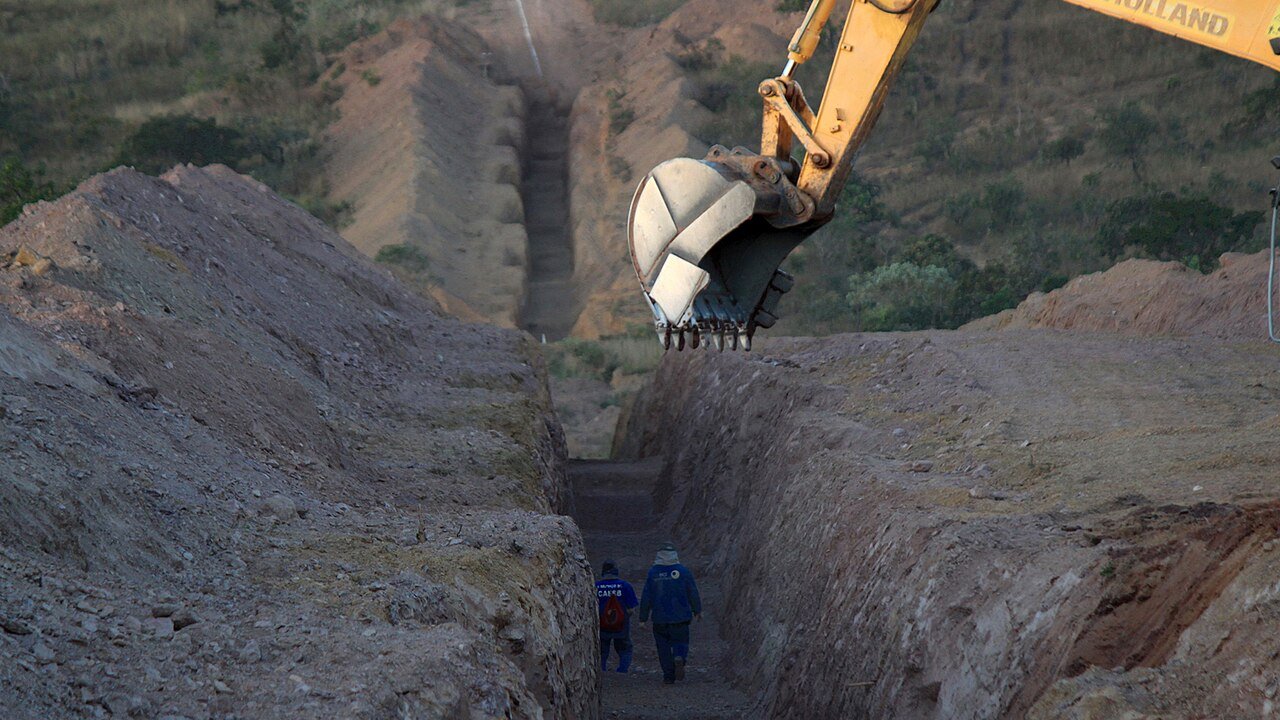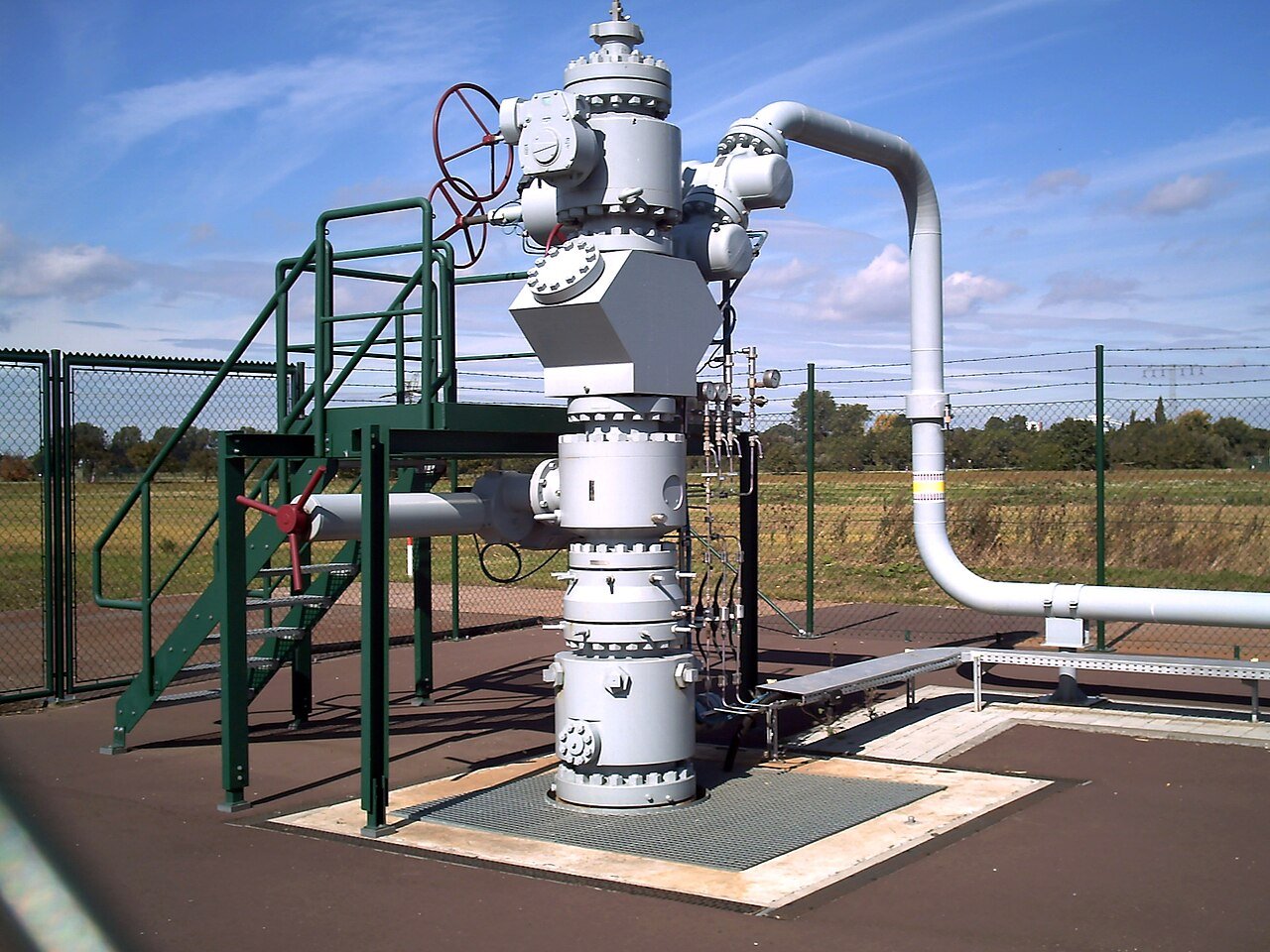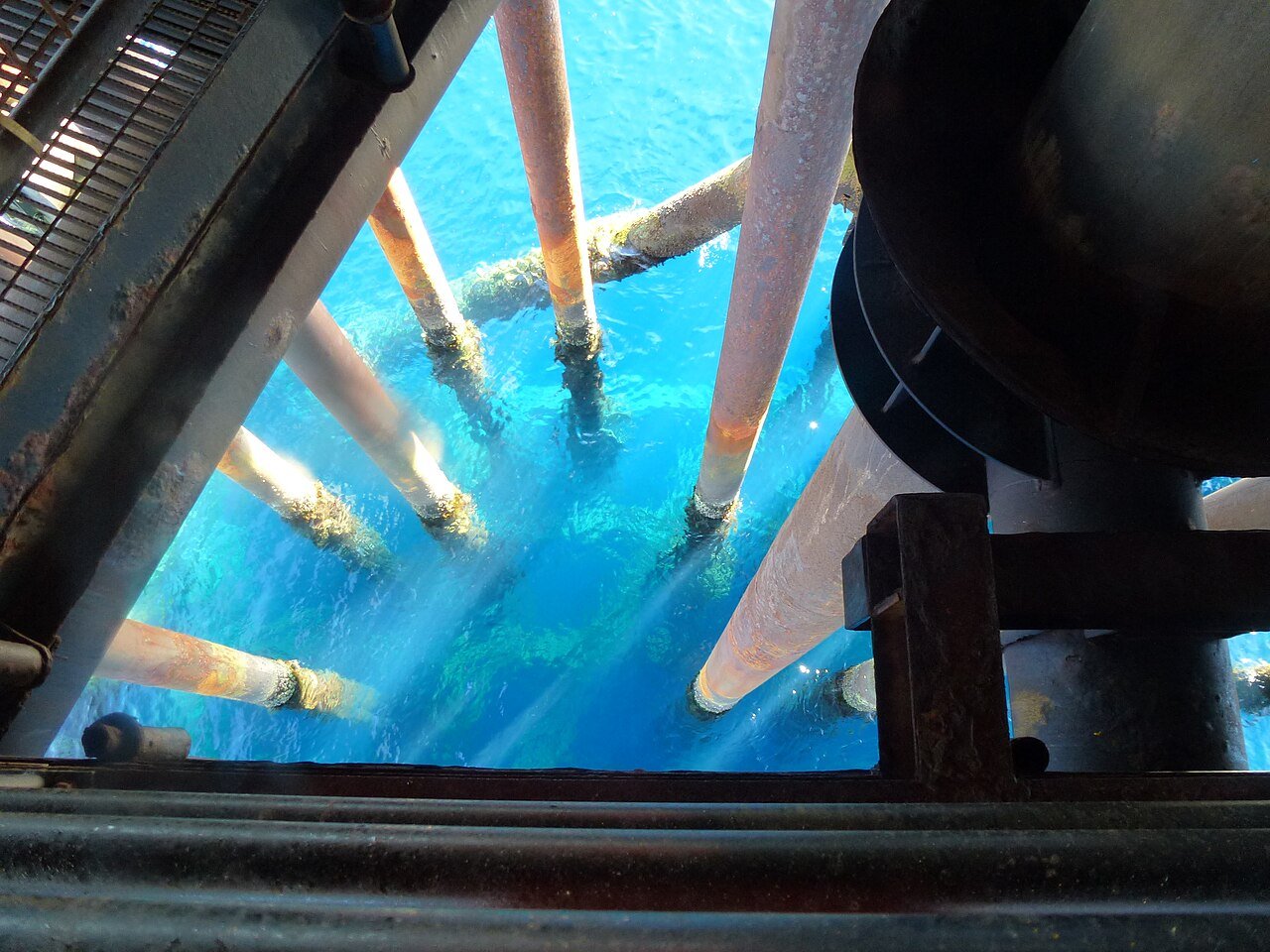
When an offshore platform reaches end-of-life in Indonesia, one of the most technically demanding tasks in the decommissioning process is the removal of conductor pipes from the seabed. Conductors — the large-diameter steel pipes that guide production wells from the platform deck down through the seabed into the reservoir — must be severed at or below mudline to comply with seabed clearance regulations and eliminate navigation hazards. The most reliable and environmentally responsible method for this work is the dual pin drill conductor removal system.
This guide provides a comprehensive explanation of dual pin drill conductor removal technology: how it works, why it is the preferred method for Indonesian offshore decommissioning, what conductor sizes it handles, and how it is deployed in Indonesian waters.
What Is a Dual Pin Drill System?
A dual pin drill is a specialized subsea mechanical cutting tool designed specifically for severing large-diameter conductor pipes at or below mudline during offshore decommissioning. Unlike conventional cutting tools that operate from a single side, the dual pin drill uses two opposed hydraulic drilling pins that simultaneously drill through the conductor wall from both sides.
How the Dual Pin Drill Works
The dual pin drill operates through a straightforward but highly effective mechanical process:
- Positioning: The tool is lowered to the target conductor and clamped securely around the pipe at the required cut depth below the seabed surface.
- Pin engagement: Two opposed hydraulic drilling pins are driven simultaneously into the conductor wall from diametrically opposite sides. The dual-sided approach ensures that the lateral forces from the two pins cancel each other out, preventing the tool from walking or rotating during drilling.
- Through-wall drilling: Each pin drills through the full wall thickness of the conductor. The two drill holes meet in the center of the pipe wall, completing a pair of through-holes separated by a narrow web of material.
- Web removal: The remaining web between the two drill holes is removed by advancing the pins to fracture the remaining material, or by a secondary internal cutter that completes the full circumferential severance.
- Conductor retrieval: After severance, the upper conductor section is retrieved to the surface. The lower stub remains buried below mudline, meeting the seabed clearance requirement.
Advantages of the Dual Pin Drill Approach
- Controlled cut geometry: The dual pin approach produces a predictable, clean cut at the specified elevation, unlike explosive methods that can produce irregular, jagged cuts.
- Minimal seabed disturbance: The mechanical drilling process produces only metal chips, not the shock, ejecta, and debris cloud associated with explosive cutting.
- No explosives management: Avoiding explosives eliminates the regulatory complexity, safety risks, and environmental restrictions that govern underwater explosive use in Indonesian waters.
- Precisely controlled depth: The tool is positioned at the exact required depth before drilling, ensuring compliance with the seabed clearance specification in the Decommissioning Program approved by SKK Migas.
Why Dual Pin Drill Is Preferred for Conductor Removal in Indonesia
The Indonesian offshore decommissioning environment has specific characteristics that make dual pin drill conductor removal the method of choice over alternative approaches:
Environmental and Regulatory Restrictions on Explosives
Indonesia’s offshore fields, particularly in the Java Sea, are located in environmentally sensitive areas with significant coral reef ecosystems and active fishing communities. The use of underwater explosives for conductor removal is subject to strict permitting under Indonesian environmental law and KLHK (Ministry of Environment) regulations. The shock wave from explosive conductor severance can kill fish over a wide radius and damage coral structures. Dual pin drill conductor removal avoids these impacts entirely, simplifying the regulatory approval process for the Decommissioning Program.
SKK Migas Seabed Clearance Requirements
SKK Migas specifies minimum seabed clearance depths for decommissioned conductors and piles. These specifications typically require severance at 1-3 meters below the mudline surface, with the severed stub left in place below this depth. The dual pin drill‘s precise depth control allows compliance with these requirements to be documented and verified, which is essential for the post-clearance survey report submitted to SKK Migas at project closeout.
Shallow Water Suitability
Most Indonesian offshore decommissioning in the Java Sea occurs at 20-80 meters water depth — within the safe range for commercial air diving. Dual pin drill systems can be deployed by divers at these depths, avoiding the need for a work-class ROV vessel which would significantly increase the day rate. For deeper sites, ROV deployment is available. Learn more about related offshore cutting technologies in our guide on diamond wire saw technology for offshore decommissioning in Indonesia.
Conductor Sizes Handled by Dual Pin Drill Systems
Dual pin drill systems are manufactured in configurations to cover the range of conductor sizes used in Indonesian offshore platforms:
- 18-inch OD (457mm): The most common conductor size on smaller Indonesian platform installations.
- 20-inch OD (508mm): Widely used on medium-scale Java Sea platforms.
- 24-inch OD (610mm): Used on larger platform installations and in higher-pressure well environments.
- 30-inch OD (762mm): Found on major platform complexes and in some deeper-water designs.
- 36-inch OD (914mm): At the upper end of standard range; used on large-diameter structural conductor designs.
The tool must be specifically sized for the conductor OD to ensure proper clamping force and pin geometry. A correctly sized dual pin drill delivers a clean, full-circumference severance in a single deployment cycle.
Dual Pin Drill vs. Alternative Conductor Removal Methods in Indonesia
Several methods are available for conductor severance in Indonesian offshore decommissioning. Here is how dual pin drill compares:
vs. Diamond Wire Saw
Diamond wire saws are excellent for large structural members (jacket legs, piles) but can be difficult to rig inside the confined space of a conductor guide frame at mudline. Dual pin drill is purpose-designed for the specific geometry of conductor severance at mudline depth and is generally faster and easier to rig in this application.
vs. Abrasive Water Jet (AWJ)
AWJ is effective for subsea cutting but requires significant deck equipment (high-pressure pump, abrasive handling) and produces an abrasive slurry in the water column. Dual pin drill is mechanically simpler to deploy and produces no abrasive waste in the marine environment.
vs. Explosive Cutting
Explosive cutting is fast (milliseconds for severance) but produces uncontrolled cut geometry, requires complex permitting in Indonesia, generates significant shock and fish kill risk, and produces debris that must be managed. Dual pin drill is slower but produces a clean, controlled cut with no environmental side effects.
vs. Clamshell Rotary Cutter
Clamshell rotary cutters (split-frame mechanical cutters) are effective for pile and conductor severance but require access around the full circumference of the conductor for the split-frame to be assembled. In conductor guide frames with multiple closely-spaced conductors, access may be restricted. The dual pin drill’s compact profile allows use in more restricted geometries. For on-site machining context, see on-site machining solutions for O&G facilities in Indonesia.
Project Integration: Where Dual Pin Drill Fits in a Platform Decommissioning Program
Dual pin drill conductor removal is typically executed in the latter stages of a platform decommissioning program, after the following predecessor activities are complete:
- All wells plugged and abandoned (P&A) by well intervention team
- Topsides preparation complete (process systems flushed, hazmat removed)
- Topsides lifted and removed by heavy lift vessel
- Jacket severed at specified elevations and lifted
- Conductors confirmed free of residual well pressure (abandoned wells)
Only after these steps are complete is it safe to cut conductors at mudline. The dual pin drill team mobilizes specifically for this phase, typically in a short intensive campaign of 1-5 days depending on the number of conductors to be removed.
Get Expert Consultation
Our team provides dual pin drill and conductor removal services for offshore decommissioning in Indonesia.
Frequently Asked Questions About Dual Pin Drill Conductor Removal
What is a dual pin drill for conductor removal?
A specialized subsea tool that clamps around a conductor pipe and uses two opposed hydraulic pins to simultaneously drill through the conductor wall from both sides, producing a controlled circumferential cut at mudline depth.
Why use dual pin drill instead of explosives in Indonesia?
Explosives produce uncontrolled cuts, risk fish kill and coral damage, and face strict permitting restrictions in Indonesian waters. Dual pin drill delivers a precise, environmentally clean cut with no shock or debris.
What conductor sizes can a dual pin drill handle?
Standard sizes from 18-inch (457mm) to 36-inch (914mm) OD, covering the full range of conductor sizes used on Indonesian offshore platforms. Tool must be size-matched to conductor OD.
At what depth below mudline does severance occur?
Typically 0.5-3 meters below mudline, per the seabed clearance requirement specified in the SKK Migas-approved Decommissioning Program.
How is the tool deployed for Indonesian offshore decommissioning?
By diver (for Java Sea shallow water 20-80m) or by work-class ROV (for deeper sites). Hydraulic power is supplied via umbilical from a topside HPU on the support vessel.