Indonesia is entering a significant era of offshore asset retirement. Hundreds of oil and gas platforms installed during the 1970s and 1980s exploration boom are reaching end-of-life, with Production Sharing Contracts (PSCs) expiring across the country’s most prolific offshore basins. As operators grapple with the technical, regulatory, and environmental complexities of platform retirement, demand for professional offshore decommissioning services Indonesia has never been higher.
This guide provides a comprehensive overview of offshore decommissioning services in Indonesia — from the regulatory framework and project phases through to the specialized technologies and contractor selection criteria that determine project success.

Understanding Offshore Decommissioning in Indonesia
Offshore decommissioning refers to the complete process of retiring an offshore oil and gas installation at end-of-life. This encompasses a broad scope of work: plugging and abandoning wells, removing topsides equipment and structures, severing and lifting the jacket or seabed structure, restoring the seabed to an environmentally acceptable condition, and disposing of removed materials in accordance with environmental regulations.
In Indonesia, offshore decommissioning services are governed by the regulatory framework administered by SKK Migas (Satuan Kerja Khusus Pelaksana Kegiatan Usaha Hulu Minyak dan Gas Bumi), which is the body overseeing upstream oil and gas operations under the Ministry of Energy and Mineral Resources (ESDM).
Indonesia’s Aging Platform Inventory
Indonesia has more than 600 fixed offshore platforms, making it one of the most platform-dense offshore environments in Asia-Pacific. The majority of these structures are located in the Java Sea at relatively shallow water depths of 20-80 meters — a profile that is technically favorable for decommissioning but still logistically complex given Indonesia’s archipelago geography.
Major PSC contractors including Pertamina Hulu, Chevron Pacific Indonesia (now PT PHM), ConocoPhillips, and Medco Energi collectively operate assets that will require offshore decommissioning services in Indonesia over the coming decade. SKK Migas estimates that tens of platforms will enter decommissioning programs over the 2025-2035 period.
Regulatory Framework for Offshore Decommissioning Services in Indonesia
Navigating Indonesia’s regulatory requirements is a critical component of any offshore decommissioning services program. The key regulatory touchpoints include:
SKK Migas PTK Guidelines
SKK Migas issues Pedoman Tata Kerja (PTK) — technical and procedural guidelines — that govern upstream activities including decommissioning. Operators must submit a detailed Decommissioning Program to SKK Migas for review and approval before commencing any decommissioning activities. This program must address engineering approach, waste management, environmental mitigation, and financial assurance.
Environmental Regulations
Indonesia’s environmental law (UU No. 32/2009 on Environmental Protection and Management) requires that decommissioning activities do not cause environmental damage. Specific requirements for offshore decommissioning include seabed surveys before and after removal operations, waste management plans for removed materials, and monitoring programs post-clearance.
MIGAS Technical Standards
The Directorate General of Oil and Gas (MIGAS) sets technical standards for offshore equipment and operations, including requirements for cutting tools, lifting equipment, and vessel safety management applicable to offshore decommissioning services Indonesia.
Phases of Offshore Decommissioning Services in Indonesia
A complete offshore decommissioning services project in Indonesia typically proceeds through the following phases:
Phase 1: Pre-FEED and FEED Engineering
Front-End Engineering and Design (FEED) is the foundation of a successful decommissioning project. At this stage, engineers assess the platform’s structural condition, well inventory, equipment inventory, and seabed conditions. The output is a detailed decommissioning plan that defines the removal sequence, lifting strategy, cutting locations, and waste management approach.
Phase 2: Well Plugging and Abandonment (P&A)
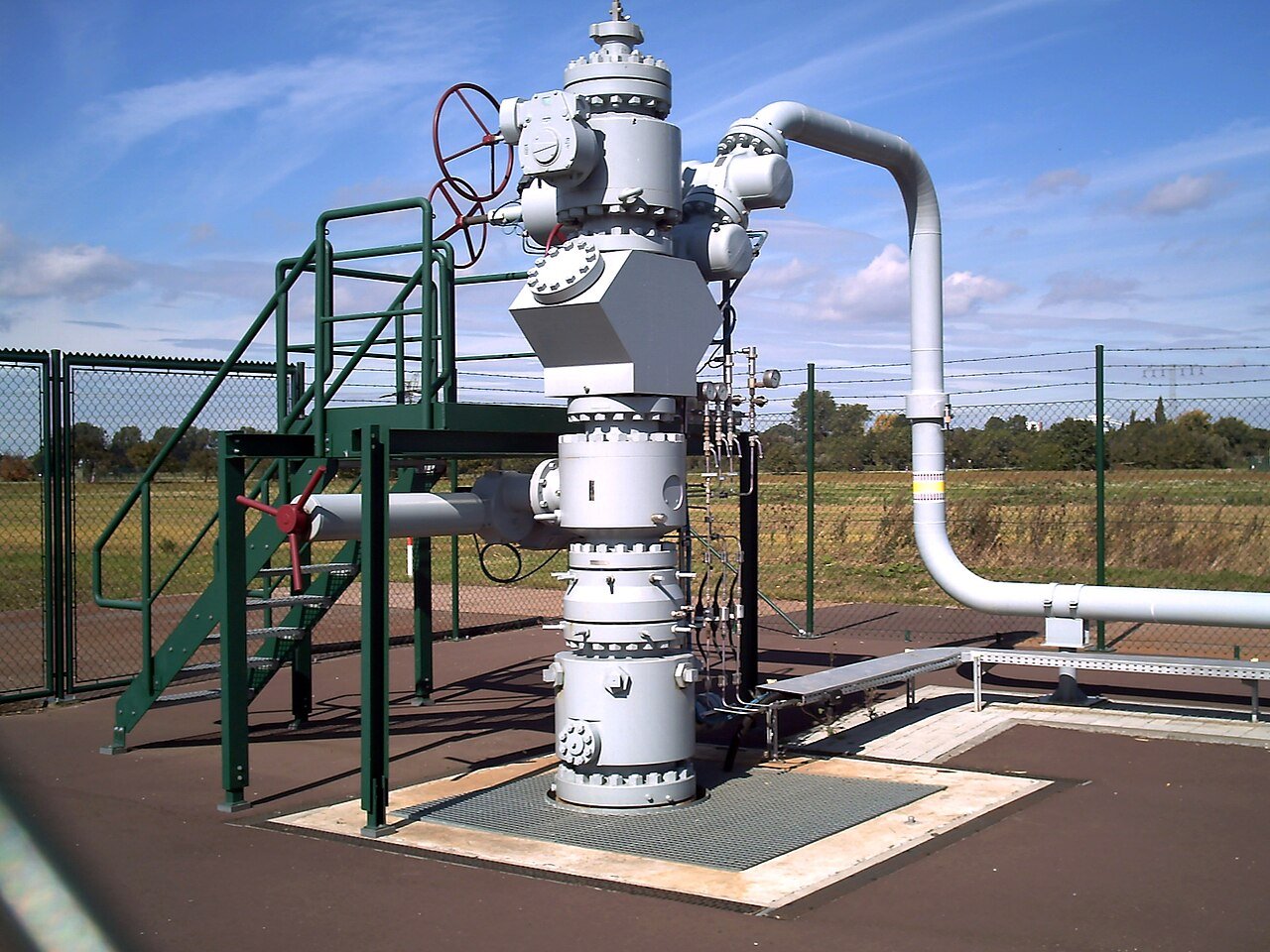
Wells must be permanently plugged before platform removal. P&A operations are conducted by specialist well intervention contractors using plug-setting tools and cementing equipment. In Indonesia, well P&A must comply with SKK Migas and MIGAS well integrity standards.
Phase 3: Topsides Preparation and Removal
Topsides preparation involves flushing and cleaning all process systems, removing hazardous materials (asbestos, NORM — naturally occurring radioactive material, chemicals), and preparing the structure for lift. Topsides are typically removed in single-lift or module-by-module operations using heavy lift vessels.
Phase 4: Jacket and Substructure Removal
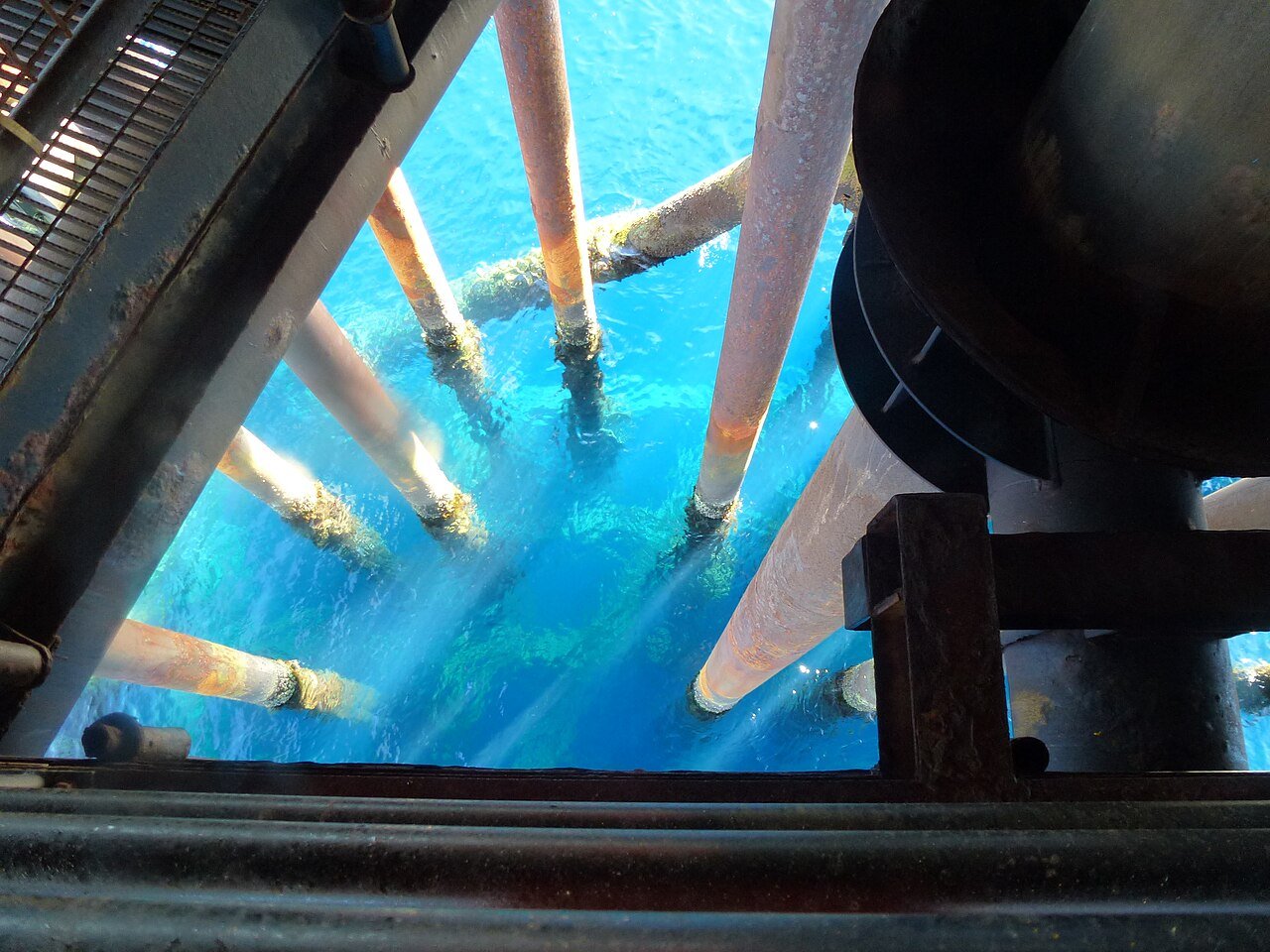
The jacket — the steel lattice substructure connecting the topsides to the seabed — is removed by severing the legs at or below mudline and lifting the structure. Cutting technologies for this phase include diamond wire saws, cold cutting machines, and hydraulic shears. The choice of cutting method depends on water depth, steel grade, and environmental constraints.
Phase 5: Conductor and Pile Removal
Conductors (guide pipes for wells) and foundation piles must be severed at mudline and removed. This work is performed using subsea cutting tools, often including dual pin drill systems that grip and cut conductors with minimal seabed disturbance. Read more about on-site machining and cutting services for O&G facilities.
Phase 6: Site Clearance and Verification
After all structures are removed, the seabed is surveyed to verify clearance of all debris. Indonesian regulations require that no obstructions remain above a specified clearance height above the seabed (typically 3-5 meters). A post-clearance survey report is submitted to SKK Migas and KLHK to formally close the decommissioning program.
Technologies Used in Offshore Decommissioning Services Indonesia
The execution of offshore decommissioning services in Indonesia relies on a portfolio of specialized cutting, lifting, and intervention technologies:
Diamond Wire Saws
Diamond wire saws are the preferred tool for precision structural cutting of jacket legs, piles, and conductors both above and below the waterline. Their spark-free operation and ability to cut at depth make them indispensable for Indonesian offshore decommissioning.
Cold Cutting Machines
Cold cutting systems use mechanical action (abrasive water jet, rotary saw, or clamshell-mounted cutting tool) to sever pipe and structural members without generating heat or sparks. This is critical on installations that may still contain residual hydrocarbons.
Dual Pin Drill Systems
Dual pin drills are specialist subsea tools designed to grip and drill-sever conductors and piles at mudline. They are deployed by ROV or diver and provide a controlled, efficient method for subsea conductor removal — a common requirement in Indonesian decommissioning projects.
Heavy Lift Vessels
Semi-submersible heavy lift vessels (such as those operated by Heerema, Saipem, and DOCKWISE/Boskalis) are used for topsides and jacket lifts. Several Asian-based vessels have mobilized to Indonesian decommissioning projects, and the growing local market is attracting dedicated vessel deployments from Singapore and Batam.

Indonesia’s Rig-to-Reef Program
Indonesia has developed a Rig-to-Reef (R2R) program — sometimes called Rig-to-Reef Re-Utilization — that allows certain offshore structures to remain partially in place as artificial reefs after decommissioning. This approach, piloted through a Korea-Indonesia collaboration, can reduce decommissioning costs (by eliminating the need to remove sections in shallow, biologically productive areas) while creating valuable marine habitat.
Applications for Rig-to-Reef designation in Indonesia are reviewed jointly by SKK Migas and KLHK (Kementerian Lingkungan Hidup dan Kehutanan). Approval criteria include water quality, current biodiversity value, fishery impacts, and navigational safety. Where approved, R2R offers offshore decommissioning services contractors a simpler, lower-cost project scope.
Selecting an Offshore Decommissioning Services Contractor in Indonesia
Choosing the right partner for offshore decommissioning services Indonesia is one of the most consequential decisions an operator will make. Key selection criteria include:
- Track record: Has the contractor successfully completed comparable decommissioning projects in Southeast Asian or Indonesian waters?
- Equipment portfolio: Does the contractor own or have guaranteed access to the full suite of cutting, lifting, and intervention tools needed for your scope?
- Regulatory familiarity: Does the contractor have experience navigating SKK Migas, MIGAS, and KLHK requirements in Indonesia?
- HSE performance: What is the contractor’s TRIR (Total Recordable Incident Rate) on comparable offshore projects?
- TKDN compliance: Can the contractor meet Indonesian local content requirements for offshore services procurement?
- Financial standing: Is the contractor financially stable enough to complete a multi-year decommissioning program?
For internationally recognized standards in offshore decommissioning, refer to DNV’s offshore decommissioning guidelines and IMCA’s marine contractor standards.
Get Expert Consultation
Contact our team for professional offshore decommissioning services in Indonesia.
Frequently Asked Questions About Offshore Decommissioning Services Indonesia
What is offshore decommissioning?
Offshore decommissioning is the process of safely retiring end-of-life platforms, including well P&A, structure removal, and seabed restoration, to meet regulatory requirements.
What regulations govern offshore decommissioning in Indonesia?
SKK Migas PTK guidelines, MIGAS technical standards, and environmental law (UU No. 32/2009) govern offshore decommissioning in Indonesia. Operators must submit an approved Decommissioning Program before commencing work.
What technologies are used in offshore decommissioning?
Diamond wire saws, cold cutting machines, dual pin drills, abrasive water jet systems, and heavy lift vessels are the principal technologies used in Indonesian offshore decommissioning.
What is Indonesia’s Rig-to-Reef program?
It allows certain offshore structures to remain as artificial reefs post-decommissioning, supporting marine ecosystems and reducing removal costs where approved by SKK Migas and KLHK.
How long does offshore decommissioning take in Indonesia?
A typical small to medium Java Sea platform takes 12-24 months. Larger or deeper assets may require 3-5 years from initial engineering through site clearance.