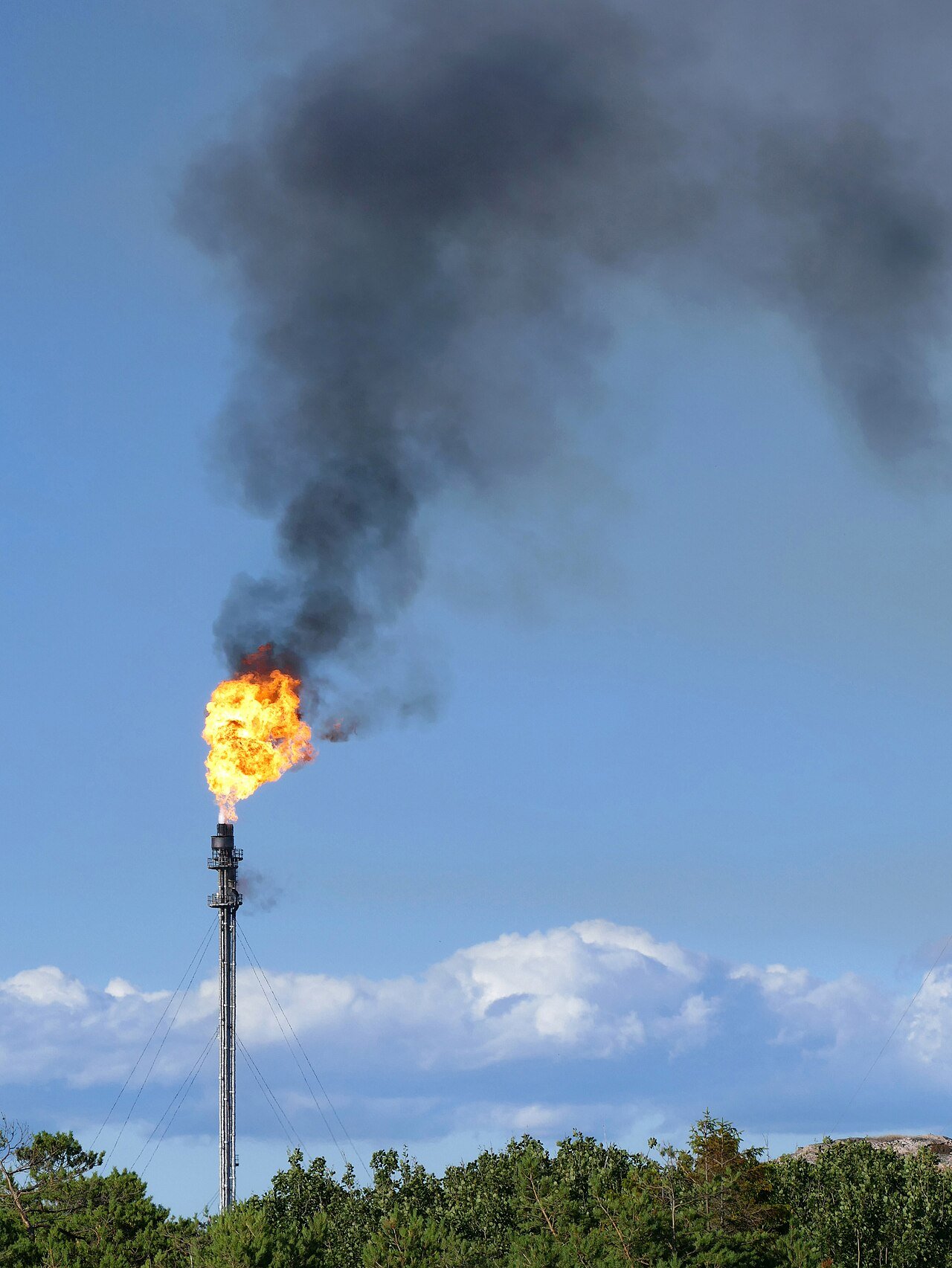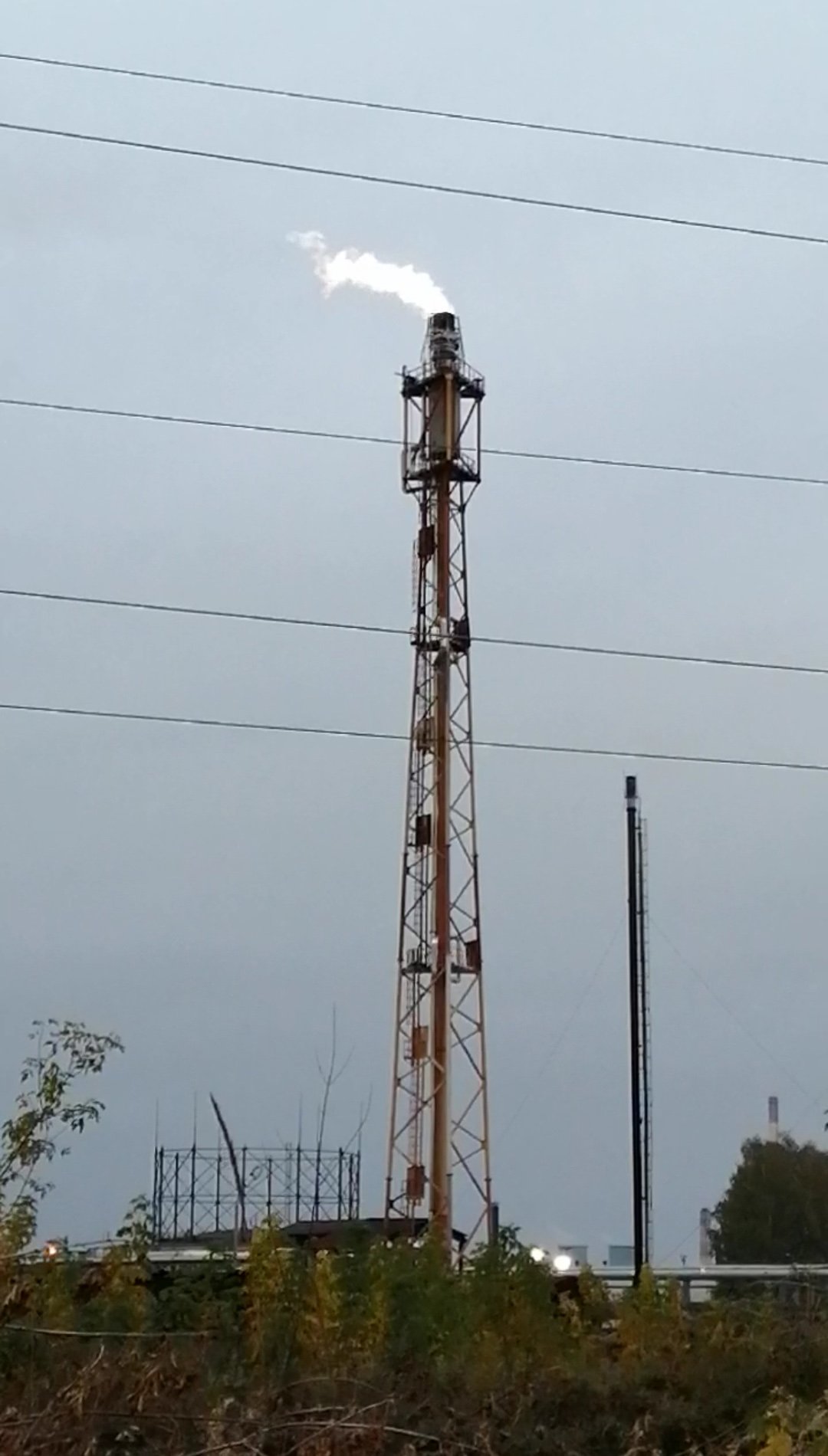
On an offshore oil and gas platform, the presence of flammable hydrocarbons is a constant operational reality. Process systems carry crude oil, gas, condensate, and other flammable fluids under pressure, and the surrounding atmosphere may contain hydrocarbon vapors that create explosive atmospheres in classified hazardous zones. In this environment, any cutting operation that produces heat, sparks, or open flame is a potentially fatal risk. This is why cold cutting machines offshore are not just a preference — they are a safety imperative.
This guide covers the full landscape of cold cutting machine offshore technology: how different systems work, why spark-free cutting is mandatory in offshore hazardous areas, the types of equipment available, ATEX certification requirements, and how to source cold cutting services for Indonesian offshore projects.

Why Cold Cutting Is Mandatory on Offshore Platforms
Offshore platforms are classified as hazardous areas under the ATEX (ATmospheres EXplosibles) directive and equivalent international standards. Different zones within a platform carry different levels of flammable atmosphere risk:
- Zone 0: Flammable atmosphere is continuously present or present for long periods. Found inside tanks, vessels, and pipework.
- Zone 1: Flammable atmosphere is likely to occur in normal operation. Found near flanges, valve stems, pump seals, and process equipment in open deck areas.
- Zone 2: Flammable atmosphere is not likely in normal operation but may occur in abnormal conditions. Found in areas surrounding Zone 1 locations.
All three zones prohibit ignition sources. A cold cutting machine offshore eliminates sparks and heat by using purely mechanical cutting action, making it safe for use in all ATEX zone classifications when properly certified and operated.
Consequences of Using Hot Cutting Methods in Offshore Hazardous Zones
Using oxy-fuel cutting, plasma cutting, or grinding in an offshore hazardous zone without proper gas testing and hot work permit procedures has caused multiple catastrophic incidents globally. The offshore industry’s move toward cold cutting is driven by hard lessons learned from fires and explosions during maintenance operations. In Indonesia, SKK Migas and MIGAS safety requirements reflect these lessons, with strict controls on hot work permits and strong preference for cold cutting methods in offshore maintenance.
Types of Cold Cutting Machines for Offshore Use
Several types of cold cutting machines are available for offshore applications, each suited to different cutting tasks and environments:
1. Split-Frame Clamshell Cold Saw
The split-frame clamshell cold saw is the workhorse of offshore cold cutting. It clamps around the pipe OD, and a carbide-tipped rotating cutting tool machines through the pipe wall using a mechanical chip-forming process — no heat, no sparks, no flame. The same machine can perform end beveling for weld preparation immediately after the cut, making it a highly efficient solution for offshore pipe repair and modification work.
Clamshell cold saws are available for pipe ODs from 25mm to over 1000mm and are powered by pneumatic, hydraulic, or electric motors. Pneumatic drives are the most popular offshore due to their intrinsic safety and compatibility with platform instrument air systems. For more detail on clamshell lathe operations, see our guide on diamond wire saw and cutting technology for offshore decommissioning in Indonesia.
2. Diamond Wire Saw
For large-diameter structural members, jacket legs, piles, and conductors — where a clamshell lathe would be impractical due to member size or geometry — the diamond wire saw provides cold cutting capability. The diamond wire runs at high speed around the workpiece, removing material by abrasion with no heat generation. Diamond wire saws are widely used for offshore structural cutting in Indonesian decommissioning projects, both above and below the waterline.
3. Abrasive Water Jet (AWJ)
Abrasive water jet cutting forces a high-pressure stream of water and abrasive particles through a nozzle at velocities up to 900 m/s. The abrasive stream erodes and cuts through steel with no heat input. AWJ is particularly effective for cutting in confined spaces where mechanical cutting tool access is restricted, and for internal pipe cutting where the tool is inserted through the pipe bore. AWJ systems require a high-pressure pump unit (typically 400-600 bar) connected to the cutting head by a flexible umbilical.
4. Hydraulic Cold Saw and Disc Cutter
Hydraulic-powered cold circular saws and disc cutters are used for pipe cutting in offshore and industrial environments where pneumatic or electric power is unavailable. They are certified for use in hazardous zones when powered by hydraulic fluid from an explosion-proof HPU.

ATEX Certification Requirements for Cold Cutting Machines Offshore
All cold cutting machine offshore equipment used in ATEX-classified zones must carry appropriate certification demonstrating compliance with IEC 60079 (Explosive Atmospheres) standards or equivalent. Key certification requirements include:
- Equipment category: Category 1G (Zone 0), 2G (Zone 1), or 3G (Zone 2) for gas atmospheres. Most offshore cold cutting equipment is certified to Category 2G (Zone 1).
- Ignition protection concept: Pneumatic drives are inherently safe (no electrical ignition source). Electric drives require Ex d (flameproof), Ex e (increased safety), or Ex ia (intrinsic safety) protection concepts.
- Hydraulic systems: Hydraulic HPUs powering cold cutting tools offshore must themselves be located in non-hazardous areas or be ATEX-certified for the applicable zone.
- Certification bodies: Acceptable certifying bodies include ATEX Notified Bodies in Europe, IECEx-certified organizations globally, and BKI (Biro Klasifikasi Indonesia) or equivalent for Indonesian-flagged vessels and installations.
Cold Cutting Machine Offshore Applications in Indonesia
Cold cutting machines are deployed across a wide range of offshore maintenance and decommissioning applications in Indonesian waters:
Platform Maintenance and Repair
Process piping on offshore platforms requires ongoing repair, replacement, and modification. Cold cutting machines enable these operations without shutting down adjacent systems or issuing hot work permits in hazardous areas. The ability to cut and bevel pipe in situ using a clamshell cold saw dramatically reduces the duration and complexity of offshore maintenance work.
Topside Decommissioning
During platform decommissioning, process systems must be isolated and pipework removed. Cold cutting machines sever piping safely on platforms that may still contain residual hydrocarbons in lines that have been drained but not fully purged. This is a critical safety requirement: even drained lines can retain hydrocarbon pockets that would be ignited by a spark from a hot cutting tool.
Subsea Cold Cutting
Subsea pipeline abandonment and conductor removal in Indonesian decommissioning projects require cold cutting capability at depth. Diamond wire saws and hydraulic mechanical cutters operate safely underwater without producing sparks or heat, and are the accepted method for subsea structural severance in Indonesian offshore decommissioning. Read more about related on-site machining capabilities in our guide on on-site machining solutions for O&G facilities.
Comparing Cold Cutting vs Hot Cutting Methods Offshore
- Cold cutting (mechanical/AWJ/diamond wire): No sparks, no heat, no gas testing required for the cutting operation itself, suitable for Zone 0/1/2, produces weld-prep quality surface finish, slower cutting speed on large sections.
- Oxy-fuel cutting: Fast on thick carbon steel, but open flame, requires Zone 2 or non-hazardous area, needs extensive gas testing and hot work permit, leaves heat-affected zone requiring grinding before welding.
- Plasma cutting: Faster than oxy-fuel for thinner material, but produces arc and sparks, restricted to non-hazardous areas or requires extensive safeguarding offshore.
- Grinding: Produces sparks, prohibited in Zone 0/1 without extensive safeguarding, and not suitable for precision pipe end preparation.
Sourcing Cold Cutting Machine Services for Indonesian Offshore Projects
When sourcing cold cutting machine offshore services for Indonesian projects, evaluate providers on these criteria:
- ATEX certification: Confirm all cutting equipment carries valid ATEX/IECEx certification for the applicable hazardous zone classification on your installation.
- Operator competency: Cold cutting machine operators must be trained on the specific equipment and familiar with offshore hot work and cold work permit requirements under SKK Migas and KKKS safety management systems.
- Equipment range: Ensure the provider can cover your required pipe/structure sizes. For offshore decommissioning, this may range from small-diameter process piping to large jacket structural members.
- Mobilization capability: The provider must have experience mobilizing equipment to Indonesian offshore locations, including customs clearance and offshore logistics coordination.
For reference on international standards governing offshore equipment and hazardous area classification, consult DNV and the American Petroleum Institute (API).
Get Expert Consultation
Our team provides cold cutting machine offshore services across Indonesia.
Frequently Asked Questions About Cold Cutting Machine Offshore
What is a cold cutting machine?
A cutting tool that severs pipe or structural steel using purely mechanical action with no heat, sparks, or flame — making it safe for use in offshore ATEX-classified hazardous zones.
Why is cold cutting required offshore?
Offshore platforms contain flammable hydrocarbons in ATEX-classified zones. Any ignition source including sparks from hot cutting or grinding can trigger fire or explosion. Cold cutting eliminates this risk.
What types of cold cutting machines are used offshore?
Split-frame clamshell cold saws, diamond wire saws, abrasive water jet systems, and hydraulic cold saws — selected based on pipe size, material, access, and depth.
What ATEX certification is required?
Equipment must carry IEC 60079 ATEX/IECEx certification for the applicable zone (Category 2G for Zone 1 is most common offshore). Pneumatic drives are inherently safe; electric drives require Ex d or Ex e protection.
Can cold cutting machines be used subsea?
Yes. Diamond wire saws and hydraulic mechanical cutters operate subsea without sparks or heat, and are the accepted method for subsea structural cutting in Indonesian offshore decommissioning.